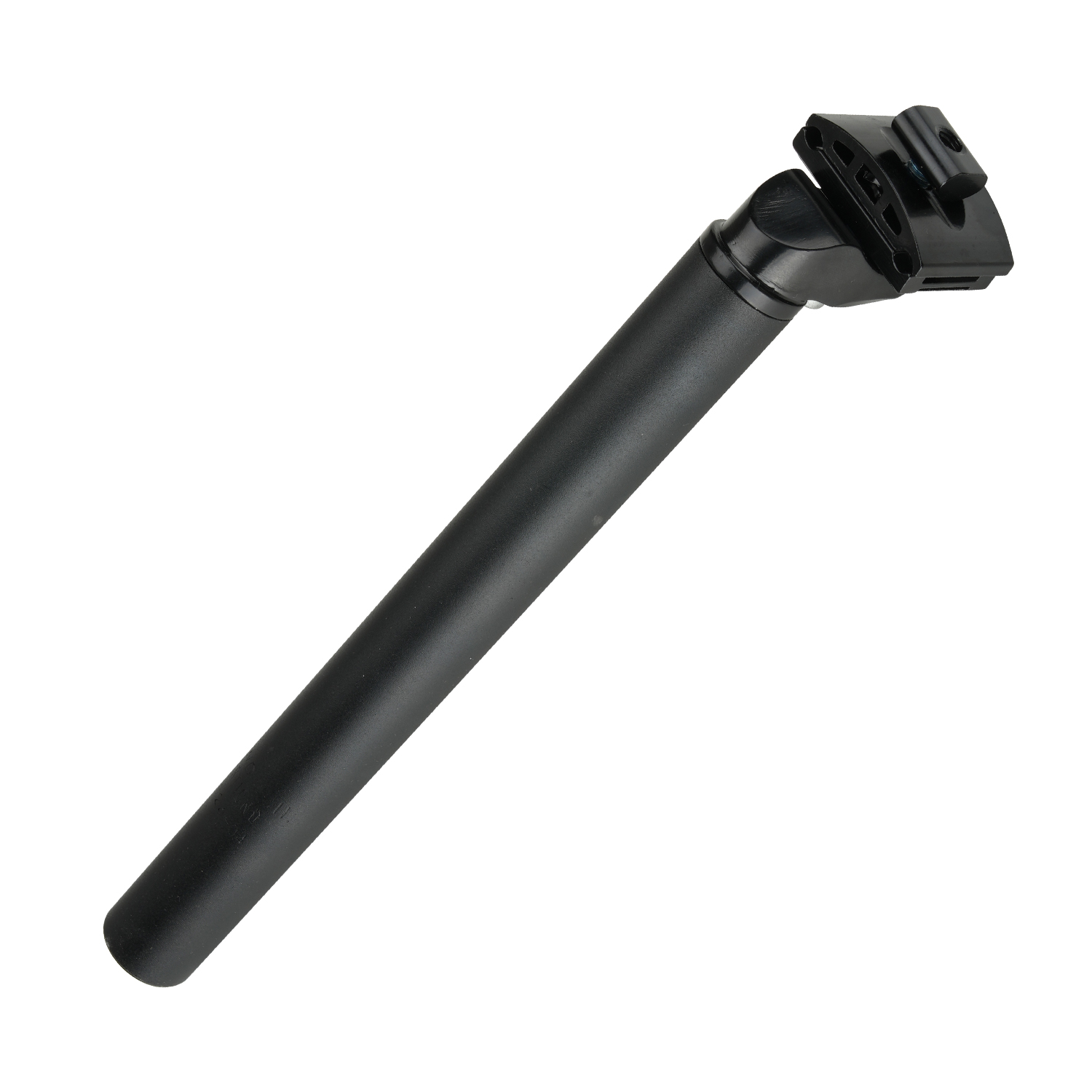
EcoE Adjustable Bicycle Seatpost – Premium Bike Seat Post for Comfortable Riding, Easy Height Adjustment, Compatible with Standard Bikes
$25.99
- Adjustable Comfort: Easily customize your riding experience with the EcoE adjustable bicycle seatpost, allowing you to find the perfect saddle height for comfort and performance on any terrain.
- Durable & Sturdy Construction: Made from high-quality materials for long-lasting durability. The seatpost ensures a safe and stable ride even on rough trails, enhancing your cycling experience.
- Quick and Easy Installation: Compatible with most standard bicycles, the EcoE adjustable seatpost can be installed quickly, getting you back on the road without any hassle.
- Smooth Height Adjustment: Enjoy seamless height adjustments, whether you’re fine-tuning your seat position for comfort or making adjustments for different riders.
- Long-lasting Performance: Built to withstand long rides, the EcoE adjustable seatpost ensures reliable performance and comfort on every cycling journey.
Related products
-
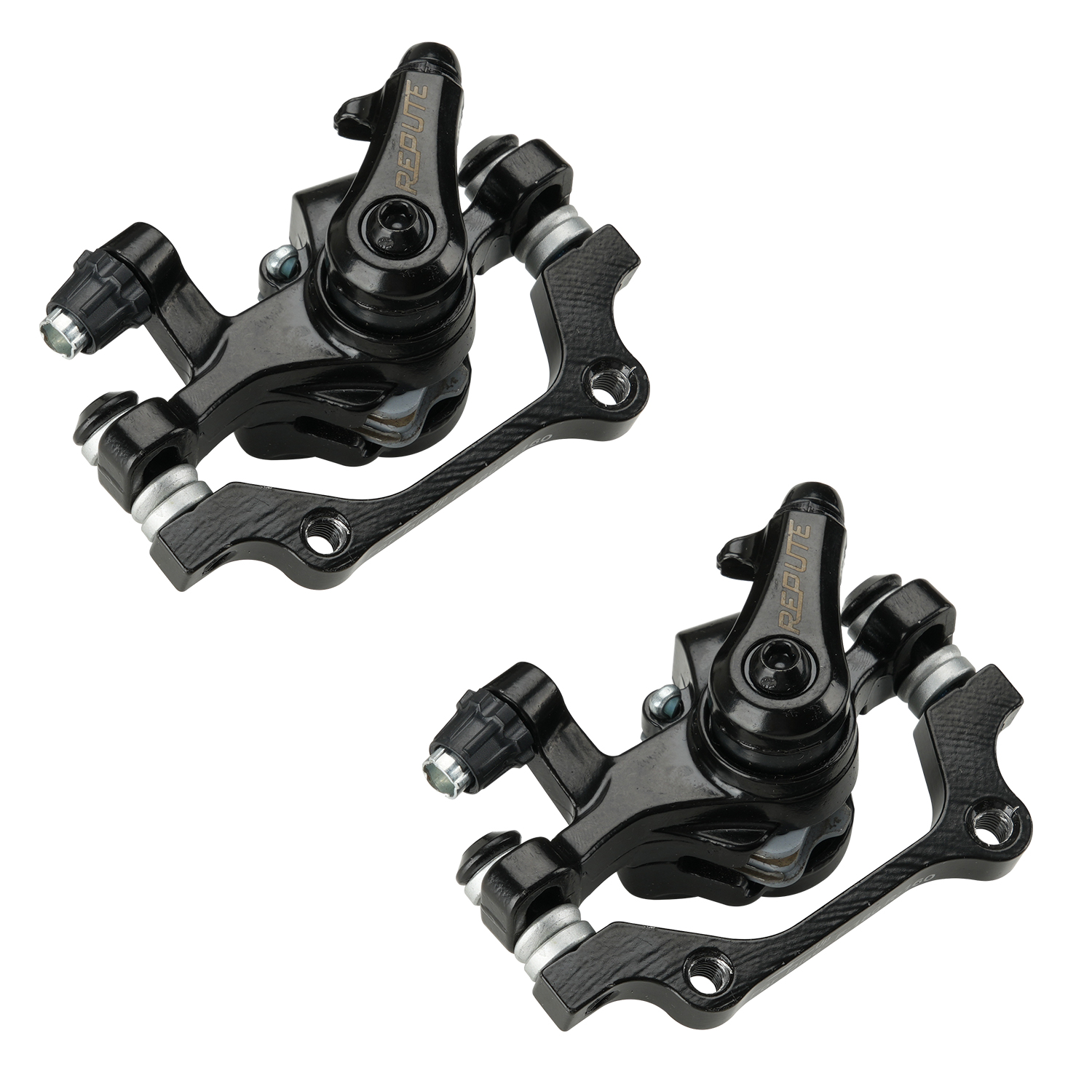
EcoE 1 Pair Bike Mechanical Disc Brake – High-Quality Aluminum Alloy Brake Calipers, Easy Installation, Durable and Rust-Resistant
From$20.99 Out of stock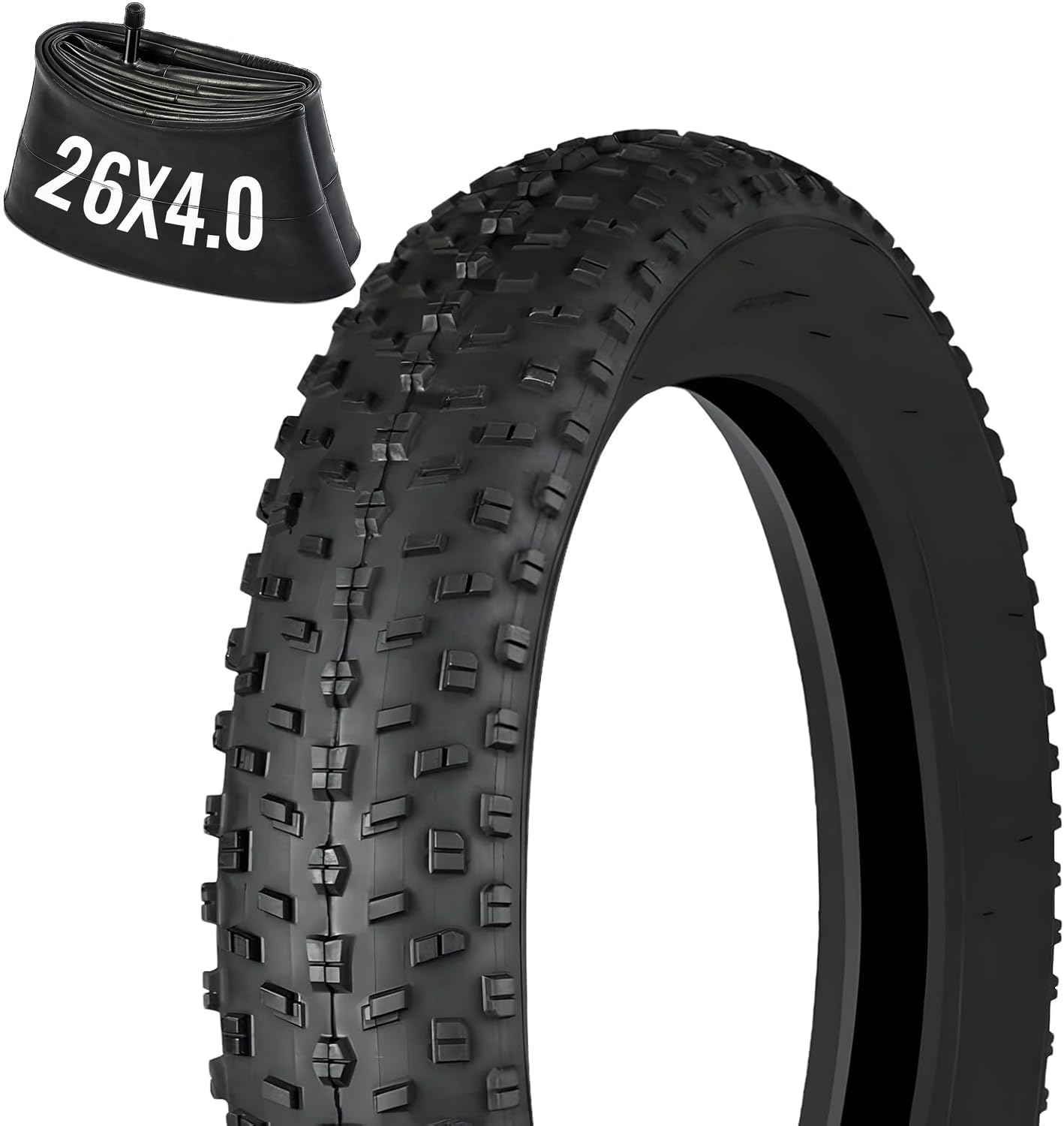
EcoE Fat Bike Tire 26×4.0 Inner Tube – Durable and Reliable Inner Tube for Fat Bike Tires, Easy to Install, Premium Quality
From$69.99 Add to cart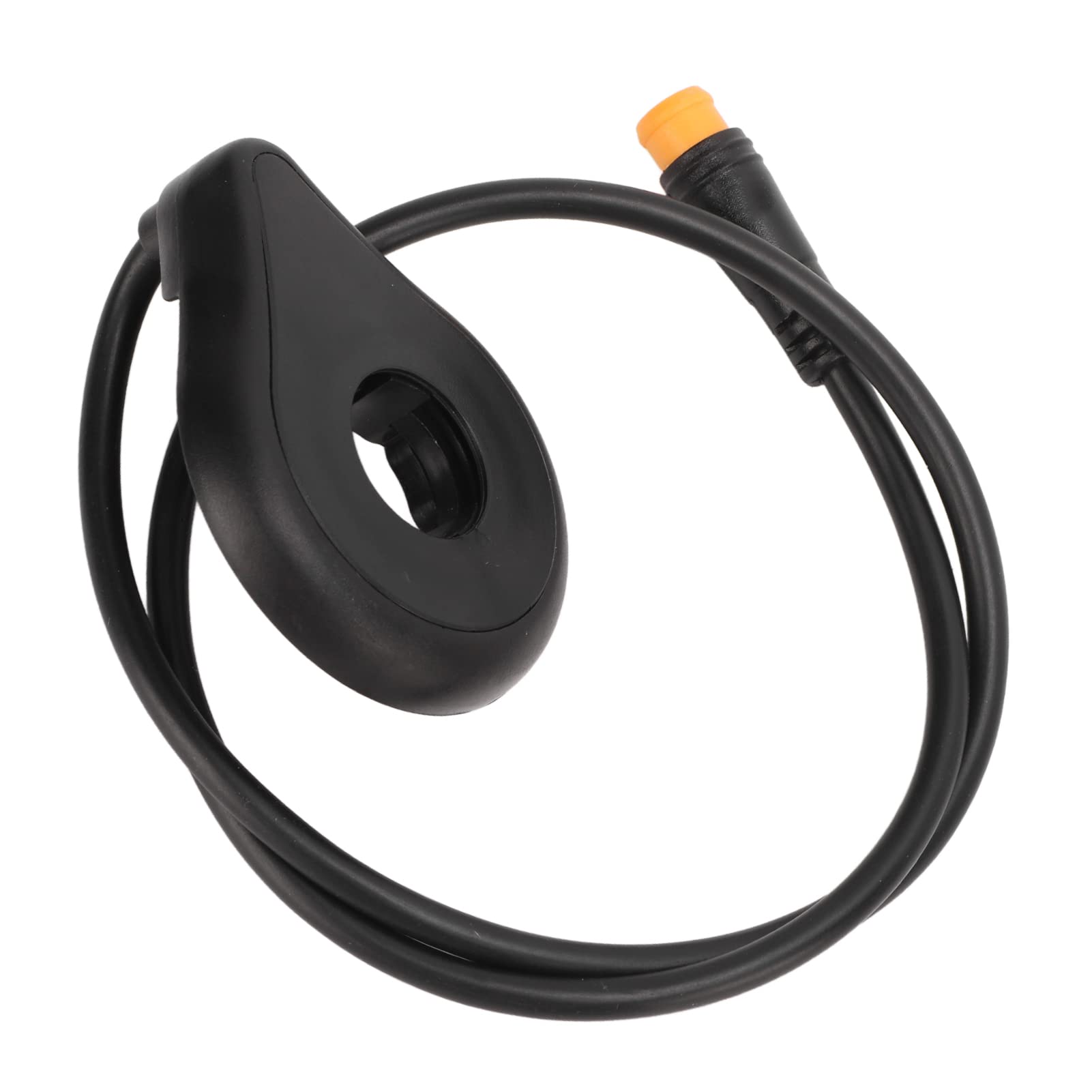
EcoE Pedal Sensor – Accurate and Responsive Sensor for Electric Bikes, Enhances Pedal Assist System, Easy to Install
From$18.99 Add to cart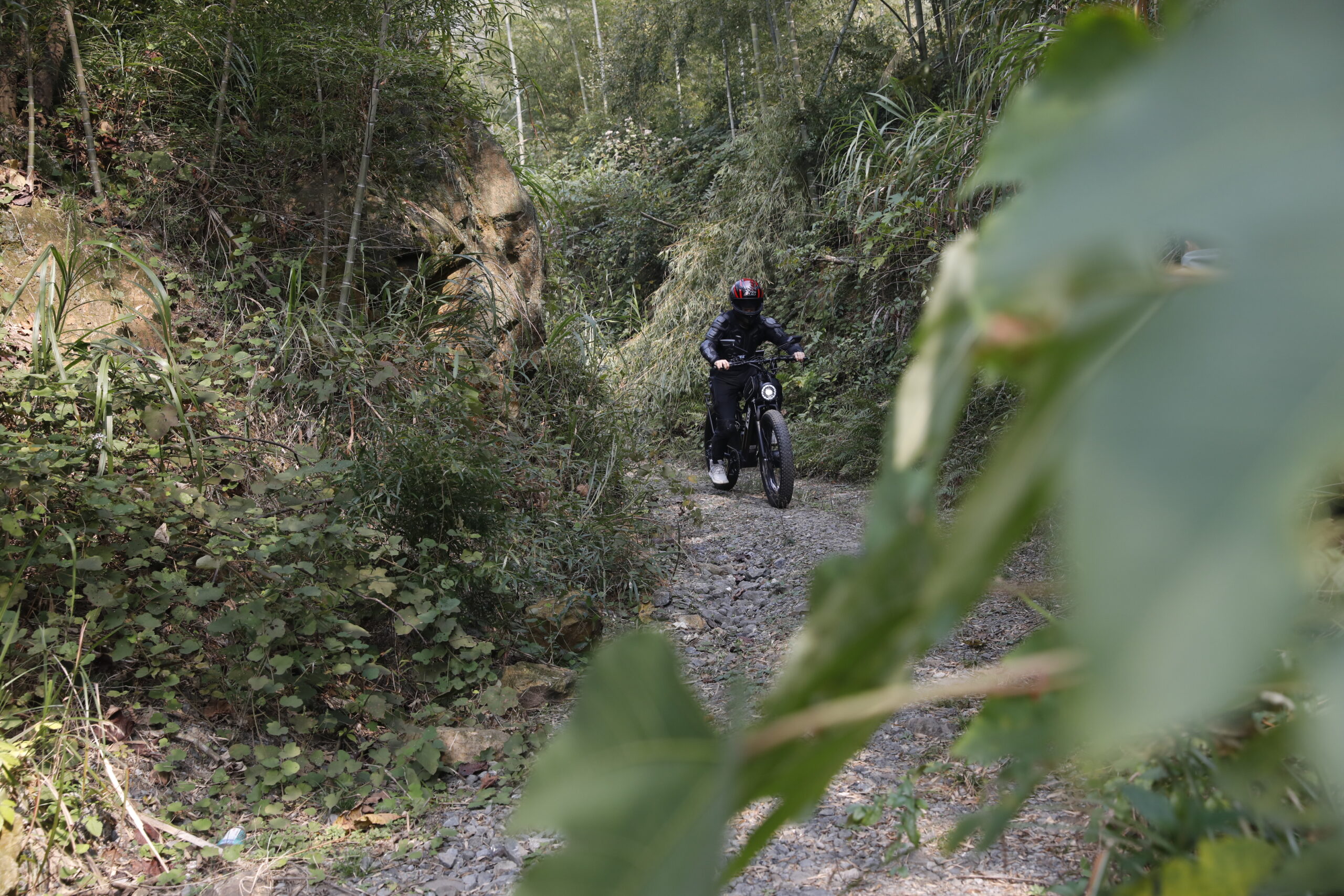
EcoE at Bus Stops: Yield Through Boarding and Pull-Out Conflicts
Meta Description: Approach bus stops on an EcoE by reading passengers, bus signals, curb space, and local lane rules before choosing to wait, pass, or reroute. Introduction A bus stop can change from quiet curb space to a crowded crossing within seconds. A bus may pull toward the curb, passengers may step across a bike lane, and another vehicle may attempt to pass at the same time. For EcoE riders, the safest approach is to slow down and read all three movements before deciding whether to continue, wait, or reroute. Quick Answer Reduce speed before reaching the stop and keep your brakes ready. Watch for turn signals, opening doors, waiting passengers, and marked bike-lane bypasses. Yield as local rules require. Never squeeze between a bus and the curb, and do not pass until the path ahead is visible and legally clear. Read the Bus Before the Gap An open space beside a bus can disappear quickly when the bus moves toward the curb or begins pulling away. Watch for: Do not rely only on where the bus is at that moment. Stay in a predictable position where the driver and waiting passengers have the best opportunity to see you. If the bus is still moving, boarding, or preparing to leave, give yourself more time rather than trying to squeeze through a temporary opening. Expect People to Cross the Bike Space Passengers may be focused on the bus door, luggage, children, mobility aids, or finding their way onto the sidewalk. They may not notice an approaching EcoE rider immediately. Give pedestrians plenty of space and yield where required. Even if someone appears to have seen you, remain prepared to stop. An audible warning does not guarantee that a person will react as expected. Your goal should be to create enough time […]
Read more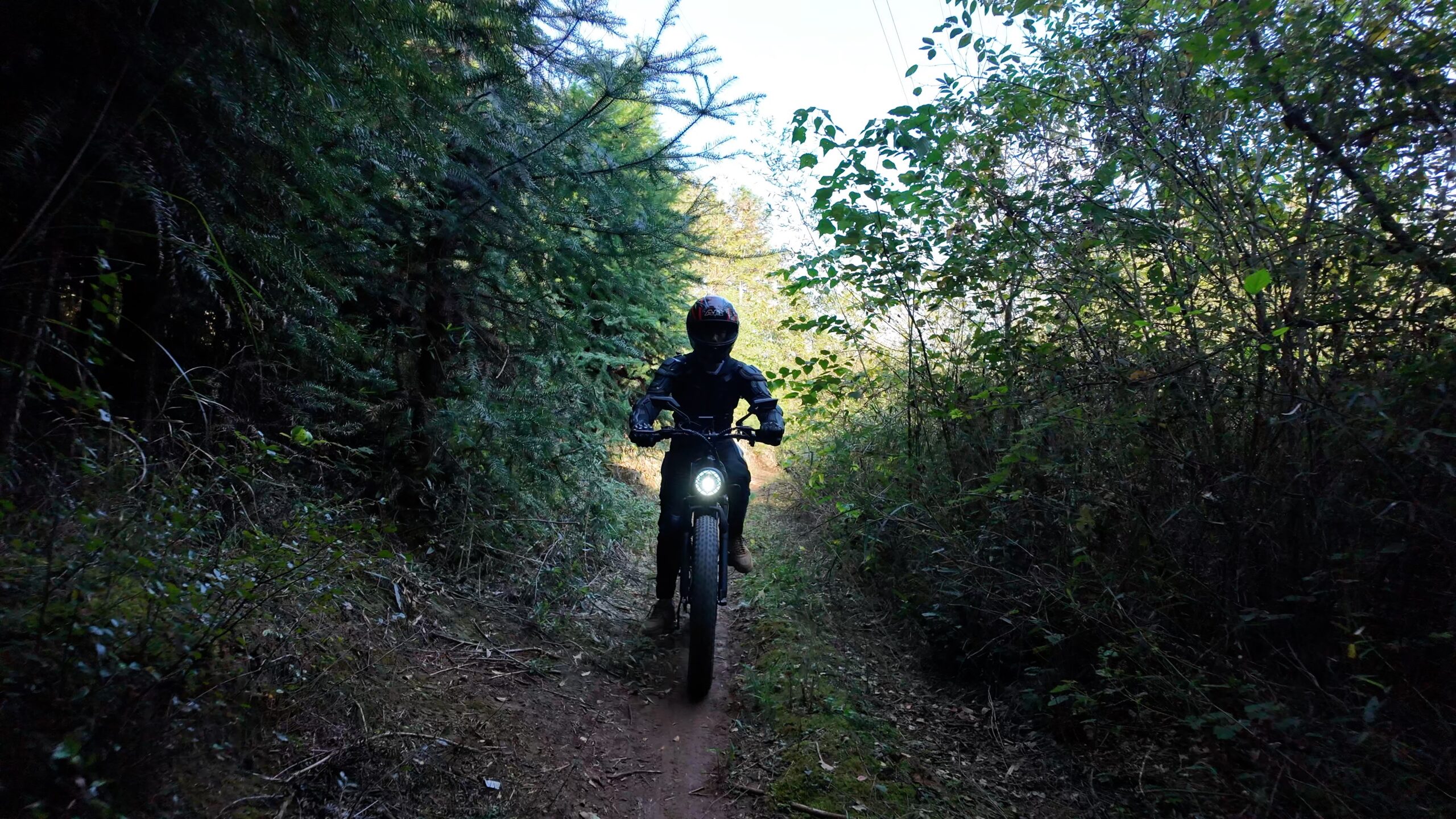
EcoE Irrigation Runoff Check: Handle a Wet Stripe on an Otherwise Dry Road
Meta Description: Read sprinkler runoff on an EcoE by checking its source, slowing before the wet stripe, staying upright, and watching for hidden algae, mud, or debris. Introduction A road can be completely dry until a lawn sprinkler or damaged irrigation line sends water across one section of pavement. That isolated wet stripe may carry soil, fertilizer residue, algae, or fine gravel, making it less predictable than the dry pavement around it. For EcoE riders, the important habit is to recognize the change early rather than assuming a small patch of water is harmless. Quick Answer Identify where the water comes from and how far it spreads. Slow down while you are still on dry pavement and look for the clearest, shallowest crossing. Keep the EcoE upright with smooth steering and steady control. Avoid hard braking, sharp turning, or sudden acceleration while crossing the wet area. If you cannot determine the depth, surface condition, or road edge, do not force the crossing. Read the Source, Not Just the Shine The appearance of water can tell you only part of the story. A light spray from a lawn sprinkler may create a different surface from water flowing continuously from a ditch or broken irrigation line. Look for clues such as: Running water may also carry loose material toward low points. That means the middle of the wet area is not necessarily the cleanest place to cross. Take a moment to understand the source and surrounding surface before choosing your line. Cross With One Calm Motion Make your main speed and direction adjustments before the front tire reaches the water. Choose a straight, visible path and keep your steering smooth. Use gentle, consistent control rather than making sudden motor or braking inputs. Look toward the dry exit instead of staring directly at […]
Read more
Fresh Grass Clippings on the Road: An EcoE Line-Choice Routine
Meta Description: Approach fresh roadside grass clippings on an EcoE by spotting hidden hazards early, slowing down, and choosing a clear, visible riding line. Introduction After roadside mowing, fresh grass clippings can spread from the shoulder into the travel lane. What looks like a thin layer of green may contain loose gravel, small branches, or other debris underneath. Moisture can also make the surface less predictable. For EcoE riders, the key is to recognize the debris early and choose the cleanest available line before reaching it. Quick Answer Look ahead and determine how far the grass clippings extend. Reduce speed while you are still on clean pavement and avoid the thickest, wettest, or most uneven sections whenever possible. If you need to cross a narrow layer of clippings, keep your steering smooth and use gentle power. If avoiding the debris would require an unsafe move into traffic, wait for a clear and lawful opportunity rather than making a sudden swerve. Look for What the Grass May Hide Fresh grass does not always reveal what is underneath. Before reaching the affected area, look for: A light layer may be easier to manage than a thick pile, but appearance alone cannot guarantee traction. Pay particular attention to turns and road edges, where clippings may collect in deeper layers or hide changes in the pavement. Make Your Riding Decisions on Clean Pavement Speed and direction are easier to adjust before entering the contaminated section. Reduce speed early, choose your line, and keep the EcoE more upright while crossing the debris. Avoid sudden braking, sharp steering, or strong acceleration while the tires are on the clippings. Once both tires return to visible, consistent pavement, reassess the road before returning to your normal pace. The goal is simple: make the important decisions before the surface […]
Read more
EcoE Rumble Strip Escape Plan: Cross Grooves Without a Panic Swerve
Meta Description: Use an EcoE rumble strip plan with an early traffic check, controlled speed reduction, a deliberate crossing angle, and a stable return to the lane. Introduction Rumble strips are designed to alert drivers through vibration and sound, but they can feel unexpected when an electric bike reaches them. A rider who drifts toward the road edge may instinctively try to swerve away. That sudden reaction can create a bigger problem if traffic is nearby. For EcoE riders, the better approach is to stay calm, assess the road, and make one controlled movement at a time. Having enough space and visibility makes it easier to cross the grooves without losing a predictable line. Quick Answer Hold your line, check surrounding traffic, and reduce speed smoothly without making an abrupt steering movement. When there is a clear and lawful path, cross the rumble strips at a deliberate angle rather than following the grooves. Keep the handlebars steady and allow the tires to move across the textured surface before making another position change. Separate the Vibration From the Decision Rumble strips can create considerable noise and vibration. That sensation may feel more dramatic than the actual movement of the bike. Do not allow the sound or vibration to trigger a rushed maneuver into traffic or loose shoulder material. Instead: The vibration is information about the road surface, not a reason to panic. Choose a Clean Crossing Angle If you need to move across a rumble strip, plan the movement before reaching the grooves. Check behind you and signal when appropriate. Look for enough space to establish a clean crossing angle while remaining within a legal and suitable riding position. Avoid combining several major inputs at once. Hard braking, strong acceleration, and sharp steering can make the crossing less predictable. A smoother […]
Read more
EcoE Tar Snakes: How to Cross Asphalt Crack Sealer With Better Control
Meta Description: Cross asphalt crack sealer on an EcoE with early speed control, a clean approach, smooth steering, and extra caution in hot or wet conditions. Introduction Dark repair lines that stretch and twist across asphalt are often called tar snakes. They may look like ordinary pavement, but their texture and grip can change with temperature, rain, age, and the material used for the repair. For EcoE riders, these lines are best treated as small surface changes rather than something to ignore. A little preparation before reaching the repair can make the crossing more predictable. Quick Answer Spot asphalt crack sealer early, reduce speed while still on normal pavement, and choose a line that crosses the repair rather than following it lengthwise. Keep steering, braking, and power inputs smooth while the tires are on the repaired surface. If the material looks glossy, soft, raised, or uneven, slow down further and give yourself more room to react. Read the Repair Pattern Early Not every tar snake creates the same challenge. A single repair line crossing the road is different from a dense network of crack sealer spread across a corner. Look beyond the front tire and consider where the bike will enter and leave the repaired area. When conditions allow, crossing the repair at a clean angle can reduce the amount of time the tire travels along the narrow strip. Avoid making unnecessary steering corrections while the tire is directly on the repair. Planning your line before reaching the material is easier than trying to change direction at the last moment. Keep Your Controls Smooth Finish most braking before reaching the repair whenever possible. Once the tire is on the crack sealer, maintain a steady path and avoid sudden changes in power or steering. Keep a relaxed grip on the handlebars […]
Read more
EcoE Siren Response: Make Space for Emergency Vehicles Without an Abrupt Move
Meta Description: Learn how to respond to emergency vehicles on an EcoE electric bike by identifying siren direction, checking surroundings, yielding predictably, and restarting safely. Introduction A siren can appear suddenly during a ride. Sometimes the sound arrives before the emergency vehicle is visible, and buildings, parked cars, or other surroundings can make the direction difficult to judge. For EcoE riders, the safest response is not a sudden reaction. Swerving, rushing through an intersection, or stopping without checking the surroundings can create confusion for everyone nearby. A calm sequence helps: Hear the siren → Locate the vehicle → Check surroundings → Create space → Restart carefully Quick Answer When an emergency vehicle approaches: Do not make a sudden move that places you or another road user in a more dangerous position. Locate the Source Before Moving A siren does not always reveal the exact location of an emergency vehicle. Before changing position: Avoid assuming the vehicle is coming from the direction where the sound seems strongest. Urban areas can create echoes that make the source difficult to judge. If you are unsure, reduce speed and keep your movements predictable until you understand the situation. Create Space Where It Is Visible The best place to yield is a location where emergency responders can clearly pass. Before moving: Follow local emergency vehicle rules and any instructions from responders or traffic officers. The goal is not simply to move away. The goal is to create a clear and predictable path. Wait Until the Area Is Clear Emergency situations may involve more than one vehicle. An ambulance, fire vehicle, or police vehicle may be followed by additional responders. Remain alert after the first vehicle passes: Do not immediately accelerate into the space created after the emergency vehicle passes. Confirm that normal traffic movement has […]
Read more
Something Fell From Your EcoE: A Safe Stop, Recovery, and Repack Routine
Meta Description: Follow a calm EcoE electric bike routine when cargo falls by controlling the bike first, stopping safely, recovering only when possible, and securing the load again. Introduction Even with careful preparation, small items can sometimes fall from an electric bike. A water bottle may slip from a holder, a glove may escape from a bag, or a strap may loosen during a ride. The first instinct is often to stop immediately or turn around to retrieve the item. However, a sudden reaction can create a bigger problem than the lost object itself. EcoE riders should follow a simple priority: Control the bike first. Stop safely. Then deal with the item. Keeping this order helps protect both the rider and others nearby. Quick Answer Maintain a predictable riding line, reduce power smoothly, and move to the nearest legal and safe stopping area when possible. Avoid: Once stopped, evaluate where the item fell and decide whether recovery can be done safely. Secure Yourself and the Bike First Before worrying about the missing item, make sure the bike and rider are stable. After reaching a safe stopping point: A dragging strap or hanging accessory can become a problem if it reaches moving components. Take a moment to secure anything loose before continuing. Recover Only When It Is Safe Not every fallen item should be recovered immediately. Before walking back, check: Never put yourself in danger for a small item. If retrieving it requires entering an unsafe area, leave it and contact the appropriate person or location authority if necessary. Protecting yourself is more important than recovering equipment. Inspect Before Continuing After recovering the item, do not simply place it back and ride away. Check the cause of the problem: A second failure can happen if the original issue is ignored. Place […]
Read more
EcoE Low-Branch Check: See Overhead Hazards Before You Duck
Meta Description: Handle low branches and overhead obstacles on an EcoE electric bike by scanning above, slowing early, protecting forward vision, and walking when clearance is uncertain. Introduction When riding an electric bike, most attention naturally goes toward the road surface. Riders look for potholes, loose gravel, cracks, and other obstacles near the wheels. However, hazards can also appear above the riding path. Storm damage, seasonal growth, or trail maintenance changes can leave branches hanging at head height. A low branch becomes more difficult when a rider reacts by ducking without slowing down. Lowering your head may reduce awareness of what is ahead and make steering less predictable. EcoE riders should build a simple habit: check above, slow early, and protect your view. Quick Answer Look from the riding surface upward and scan for overhead obstacles before reaching them. Reduce speed while you still have a clear view, and judge the entire branch rather than only the visible leaves. Avoid ducking while maintaining normal speed or steering without seeing the path ahead. If the height, stability, or route beyond the obstacle is unclear, stop before reaching it and walk around when permitted. Know Your Real Clearance Your riding height is more than the bike itself. Consider: A branch that appears harmless may hide a thicker limb behind leaves. Wet foliage can also hang lower than expected. Do not assume a path is safe simply because another rider passed through. Different riders, equipment, and riding positions can change the available clearance. Slow Before Changing Your Position The safest time to adjust speed is before reaching the obstacle. Reduce speed while keeping your eyes forward and your bike stable. Avoid making a sudden crouching movement while continuing at the same pace. A deep ducking motion can: If a branch requires a major […]
Read more
EcoE Speed Humps Guide: Finish Braking Before the Ramp
Meta Description: Cross speed humps and raised crossings on an EcoE electric bike with early braking, a stable approach, smooth control inputs, and enough space around traffic. Introduction Speed humps, raised crossings, and traffic-calming features are designed to slow vehicles, but they can still surprise riders when visibility is limited. Paint may fade, shadows may hide the shape, and nearby traffic can make the surface change harder to read. For EcoE riders, the key habit is simple: make your speed decision before reaching the ramp. Once the front wheel reaches the raised section, smooth control matters more than sudden reactions. Quick Answer Identify the full shape of the speed hump, check surrounding traffic, and reduce speed while still on level pavement. Approach in a stable line, keep your grip relaxed, and roll across with smooth control. Avoid hard braking, sharp steering, or sudden power changes while crossing. If the surface is damaged or the path is blocked, slow down further or choose another route. Read the Entire Feature Do not focus only on the first rise. Look beyond the top of the hump and check what comes after: A raised crossing may look simple from a distance, but the landing area often determines how the bike feels afterward. Low light, rain, or shadows can make the shape harder to judge. When the road surface is unclear, giving yourself more time and reducing speed earlier is the better choice. Keep the Crossing Smooth The goal is not to rush over the hump or avoid all movement. The goal is to keep the EcoE stable and predictable. Before crossing: Avoid trying to jump the feature or making sudden corrections halfway across. Fat tires can help absorb some surface feedback, but they cannot remove the effects of unexpected edges, loose surfaces, or poor […]
Read more
EcoE Parking-Lot Reverse-Light Scan: Stay Out of a Backing Vehicle’s Path
Meta Description: Ride an EcoE electric bike more defensively in parking lots by reading reverse lights, wheel movement, driver visibility, and backing paths. Introduction Parking lots are areas where many different movements happen at the same time. Vehicles enter spaces, drivers search for parking, and pedestrians may appear from between cars. For an EcoE rider, a parked vehicle is not always stationary. A driver preparing to reverse may have limited visibility, especially when larger vehicles block the view. Treating every occupied parking space as a possible moving path helps you make safer decisions. The goal is not to predict every driver’s action. It is to create enough time and space to respond calmly. Quick Answer Ride through parking aisles at a pace that allows you to stop within the visible distance ahead. Look for signs such as reverse lights, brake lights, moving wheels, vehicle position changes, or a driver looking toward the direction of travel. If a vehicle’s intention is unclear, slow down, create space, and allow it to complete the maneuver before continuing. Read More Than Reverse Lights Reverse lights can provide an important clue, but they are only one part of the picture. A vehicle may begin moving before you fully recognize the signal, or another car may block your view of the lights. Pay attention to the entire vehicle: Small movements often appear before the vehicle fully enters the aisle. Early awareness gives you more options than reacting at the last moment. Avoid the Blind Area Behind Vehicles A narrow opening behind a reversing vehicle may look available, but it can quickly disappear. Avoid passing closely behind a vehicle that has started backing out. The driver may not see an EcoE rider in mirrors or cameras, even when you are nearby. Instead, choose a position where: A […]
Read more1