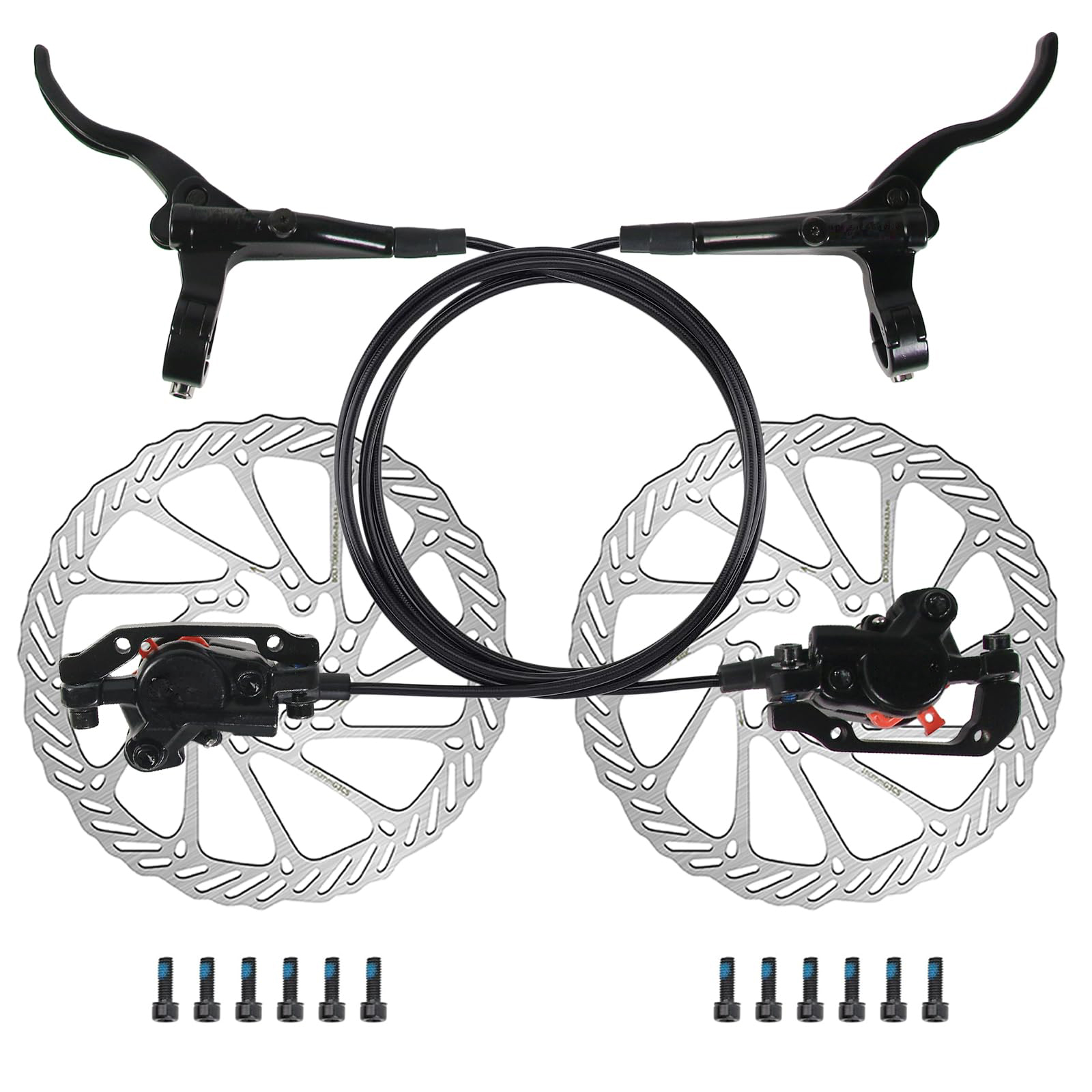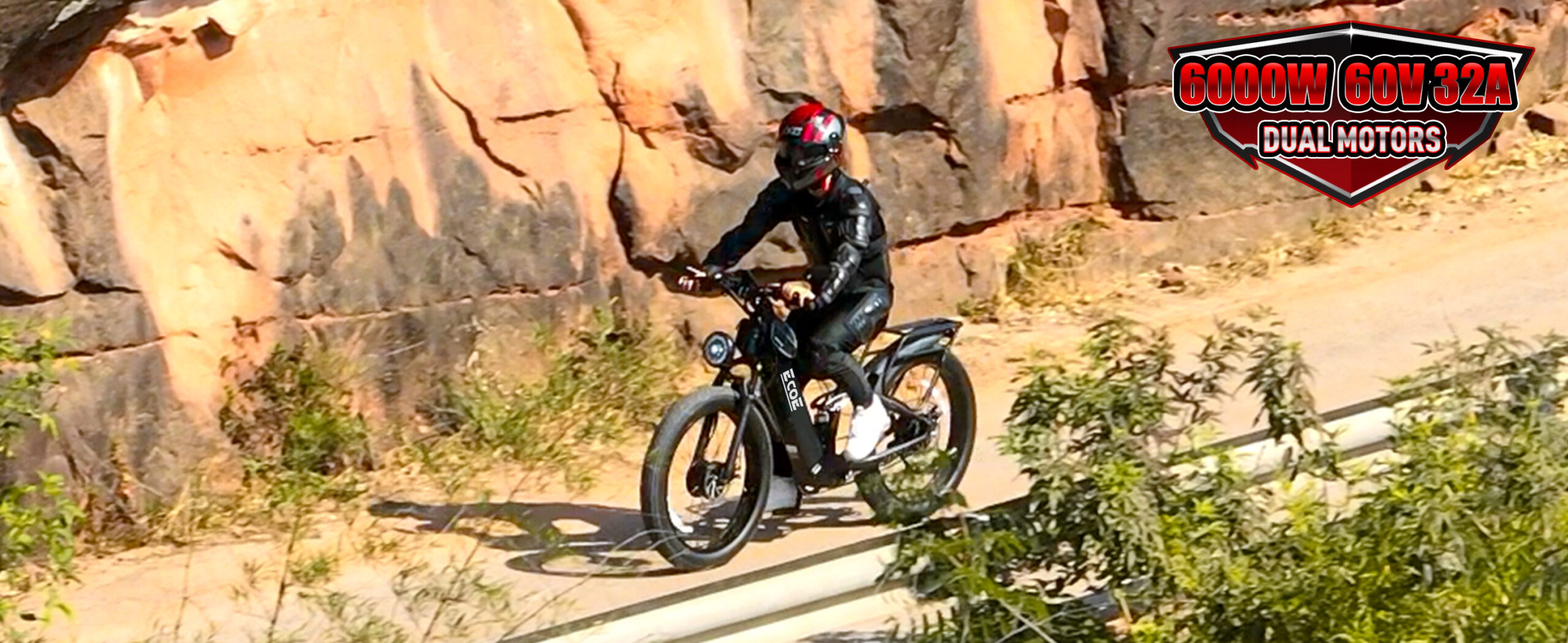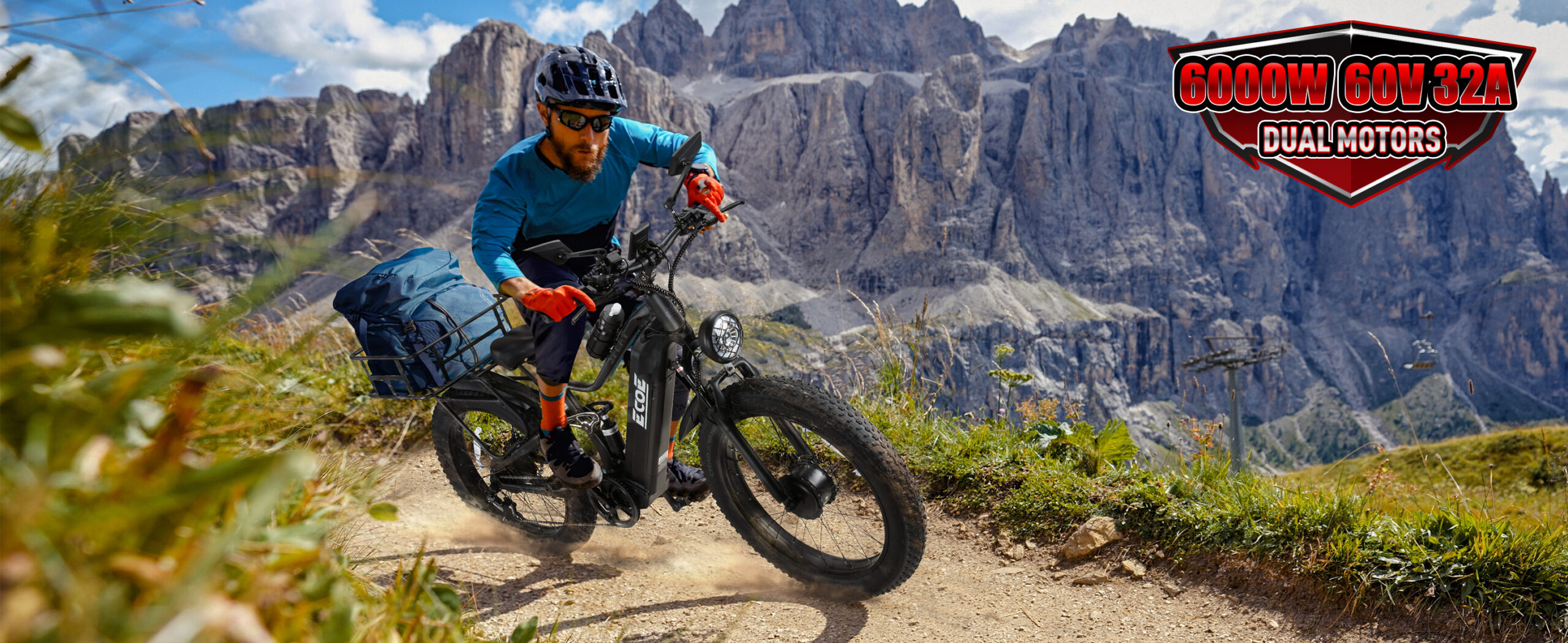
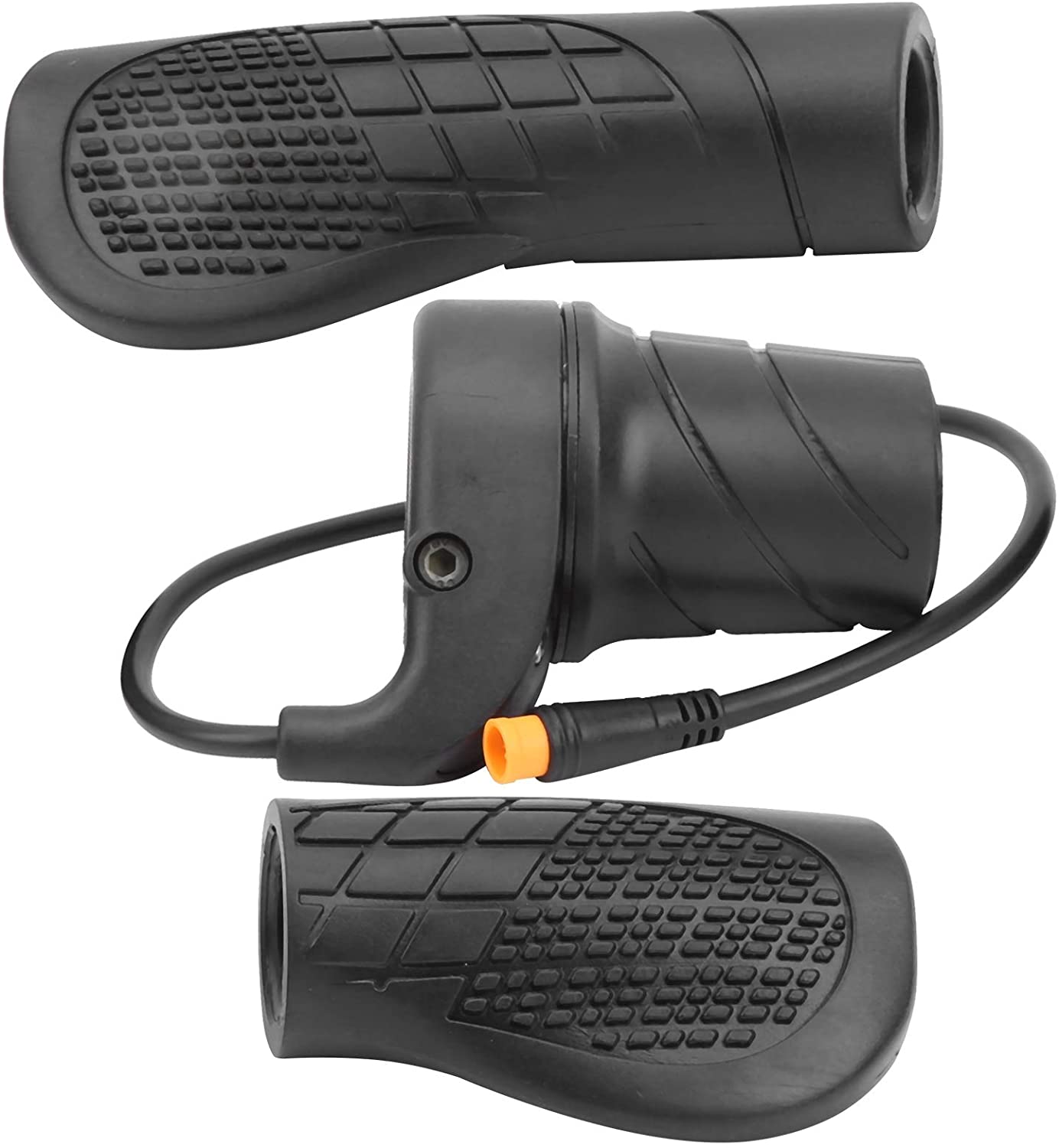
EcoE Half Throttle Electric Speed Throttle Waterproof – Premium Quality Throttle for Electric Bikes, Smooth Control and Durability
$25.99
1 in stock
- Smooth and Precise Speed Control: The EcoE Half Throttle provides smooth and precise control over your electric bike’s speed, giving you the flexibility to adjust your riding pace for maximum comfort and efficiency.
- Waterproof Design: Built to withstand all weather conditions, the EcoE Half Throttle is waterproof, ensuring durability and consistent performance even in wet conditions.
- Easy to Install: Designed for simple and quick installation, this throttle is compatible with most electric bikes, making it an ideal replacement or upgrade for your current throttle.
- Premium Quality Construction: Made with high-quality materials, the EcoE Half Throttle is built for long-lasting performance, offering a reliable solution for all your electric bike speed control needs.
- Affordable Price: At just $25.99, the EcoE Half Throttle delivers exceptional value, offering excellent performance and quality without breaking the bank.
Related products
-
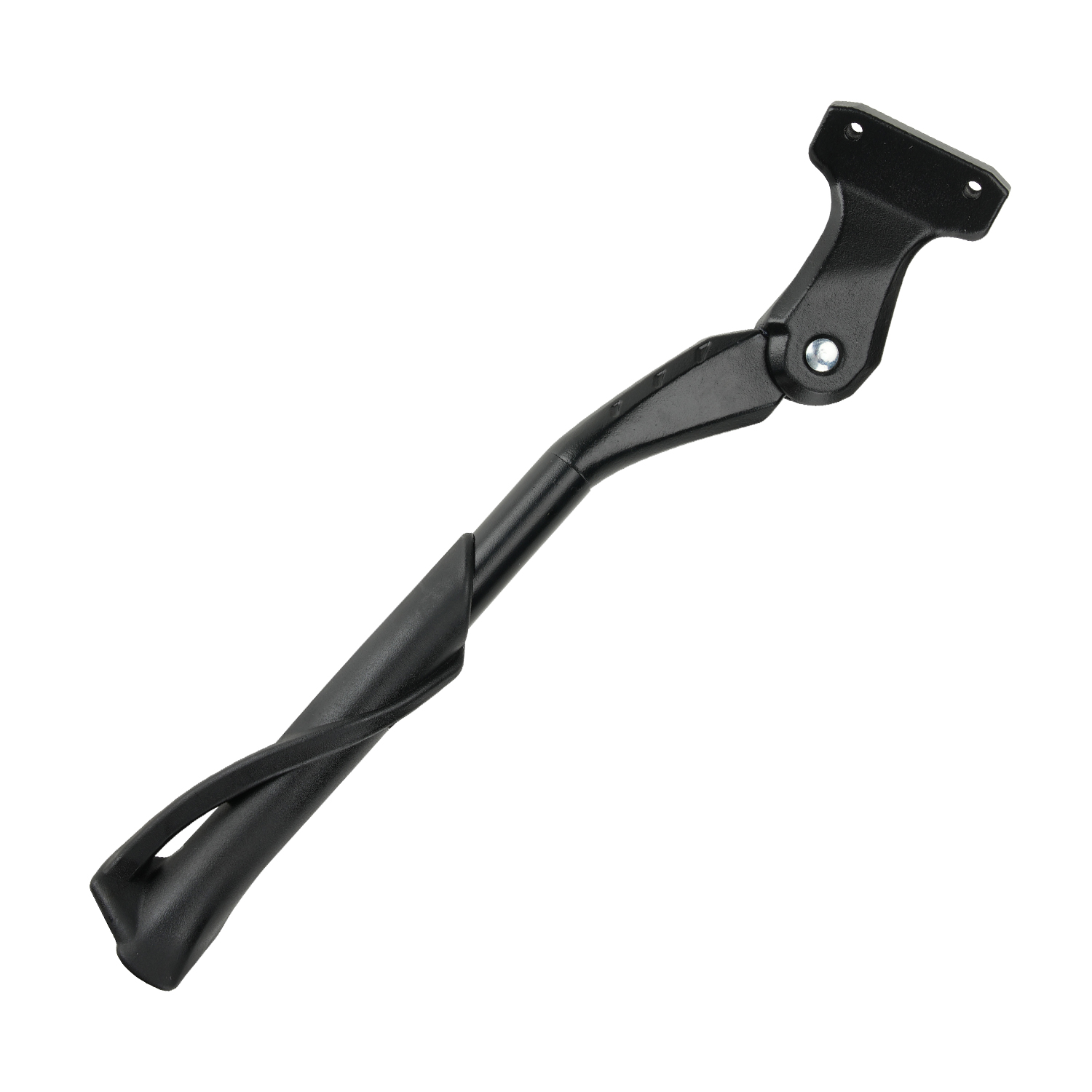
EcoE Parking Rack – Durable and Stable Bike Parking Stand for Secure Bicycle Storage, Easy to Install, Ideal for Home and Outdoor Use
From$36.99 Add to cart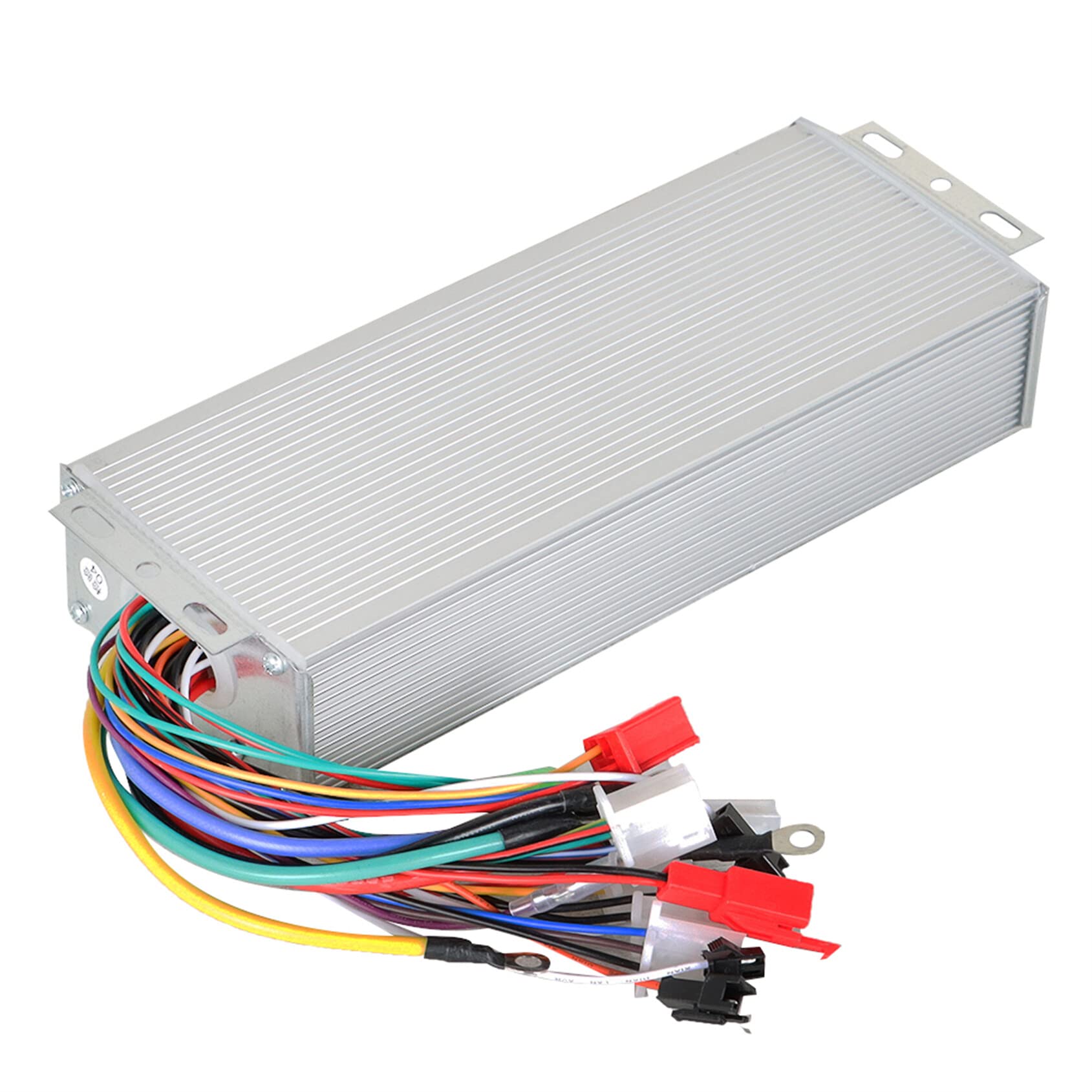
EcoE Brushless Speed Motor Controller Replacement – Reliable Controller for Electric Bike Motor, Easy to Install, Durable and Affordable
From$69.99 Add to cart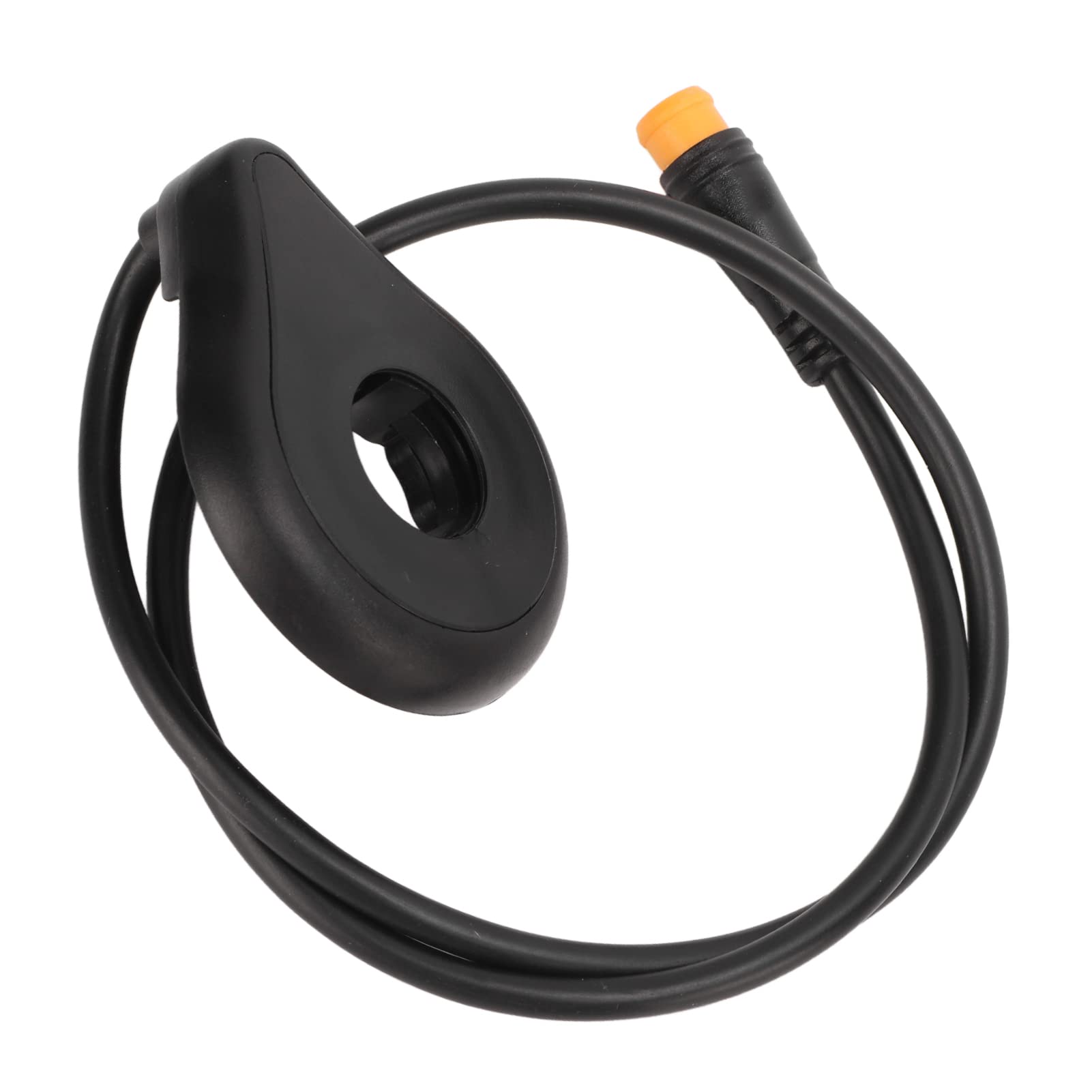
EcoE Pedal Sensor – Accurate and Responsive Sensor for Electric Bikes, Enhances Pedal Assist System, Easy to Install
From$18.99 Add to cart
Useful Tips About Charging Your E-Bike
Charging your ecoe e-bike isn’t just about plugging it in—it’s about building small habits that keep your battery healthy, reliable, and ready for every ride. Treat the battery well, and it will quietly power countless smooth journeys. When Should You Charge Your E-Bike? Most ecoe e-bikes come with a simple battery indicator. You don’t need to wait until the battery is completely drained. In fact, frequent, moderate charging is better for long-term battery health. How to Charge an Electric Bike Battery Charging is straightforward: Some riders prefer removing the battery before charging, especially when charging indoors—it’s often more convenient and safer. Smart Charging Tips 1. Fully Charge It the First Time When you first get your ecoe e-bike, give the battery a full charge.This helps it perform smoothly from the start. 2. Charge Regularly, Not Occasionally Don’t wait until it’s empty.Topping up the battery after rides keeps it in better condition over time. 3. Avoid Extremely Low Levels Letting the battery drop too low too often can shorten its lifespan.Try to recharge before it gets critically low. 4. Keep It Away from Extreme Temperatures Batteries prefer a calm environment. 5. Never Store It Completely Empty If you won’t ride for a while, leave some charge in the battery.A completely drained battery left unused can become damaged. 6. Don’t Overcharge Once fully charged, unplug it.Leaving it connected for too long can slowly reduce performance over time. Choosing the Right Charger Always use the charger designed for your ecoe e-bike.It’s built to match your battery and ensures safe, stable charging. A good charger helps: Common Questions About Charging Do e-bikes charge while riding? Most ecoe e-bikes do not recharge while you pedal.They need to be plugged into a power source. Should I always charge to full? Not necessarily.Charging close to full is […]
Read more
How to Properly Lock Your Bike
Riding your ecoe e-bike brings freedom, speed, and a sense of adventure—but leaving it unattended shouldn’t feel like a gamble. Bike theft is real, but with the right habits, you can make your bike a very difficult target. Simple Steps to Lock Your Bike Properly Choose a Busy, Visible Location Always park where people are around. High foot traffic and good lighting discourage thieves. A bike sitting alone in a quiet corner is far more tempting than one in plain sight. Lock to Something Truly Solid Your lock is only as strong as what it’s attached to. If the object moves, your bike can disappear with it. Understand Your Surroundings Some areas naturally carry higher theft risk. A few extra steps to a safer location are always worth it. Use a Strong, Reliable Lock Not all locks offer the same protection. Think of your lock as your first line of defense—it’s not the place to cut corners. Lock the Frame First, Then the Wheels Always secure the most valuable part first—the frame. Then, if possible: The goal is to protect what matters most, layer by layer. Keep It Tight and Off the Ground Position your lock carefully: Less room means less leverage for tools. Remove Easy-to-Steal Accessories Take anything that can be quickly removed: Even small items can attract attention. Consider a Bike Cover A simple cover can make your bike less noticeable.Out of sight often means out of mind, especially in busy areas. Use Monitored or Secured Areas If available, choose locations with cameras or security presence.Even basic surveillance adds an extra layer of deterrence. How to Lock Your Bike at Home You might assume home is the safest place—but that’s not always true. Indoor Storage Is Best Add Extra Security Even indoors: Quiet residential areas can sometimes be […]
Read more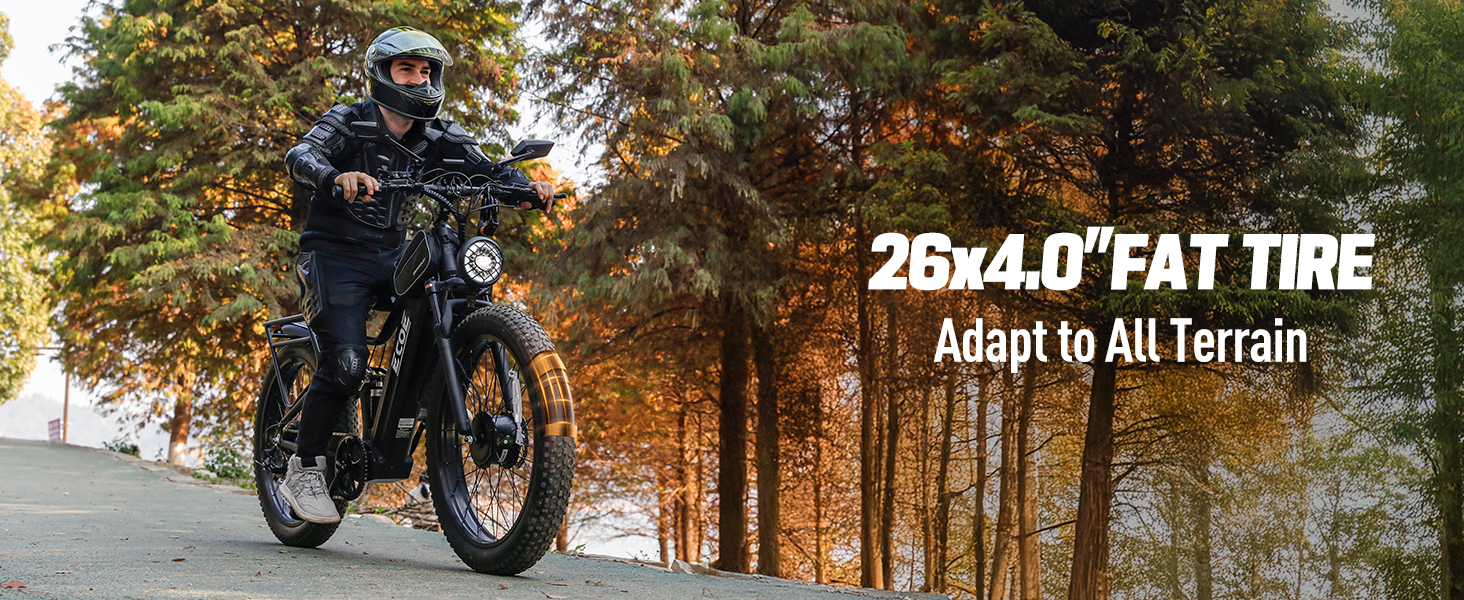
Bike Seatpost Types & How to Measure Size
At first glance, the seatpost might seem like a small, forgettable part of your bike—but it quietly shapes your entire riding experience. Comfort, control, efficiency, and even how connected you feel to the road or trail all depend on choosing the right one. Why the Right Seatpost Matters A well-chosen seatpost does more than hold your saddle in place. It influences how your body absorbs bumps, how efficiently you transfer power, and how comfortable you feel over long rides. Especially on an ecoe electric bike, where you might ride farther and longer, the right setup becomes even more important. Bike Seatpost Types A seatpost (also called a saddle post or saddle pillar) is the tube that connects your saddle to the bike frame. It can be adjusted for height and sometimes angle, helping you dial in the perfect riding position. 1. Dropper Seatpost Dropper posts allow you to adjust saddle height on the fly using a handlebar lever. 2. Pivotal Seatpost This design uses a simple bolt system to connect saddle and post. 3. Plain (Standard) Seatpost A classic and widely used design with a clamp at the top. Key Seatpost Size Factors Choosing the right size is essential for both safety and comfort. There are three main dimensions to consider: Diameter This is the most important measurement. Length Seatposts come in different lengths depending on riding style. Setback Setback refers to how far the saddle sits behind the post. Insertion Depth Every seatpost has a minimum insertion mark. This is especially important on an ecoe e-bike, where added weight and torque increase stress on components. Angle Adjustability Many seatposts allow you to tilt the saddle forward or backward. Seatpost Materials Aluminum Carbon Fiber How to Measure Seatpost Size To find the correct diameter: A proper fit should slide in […]
Read more
About Electric Bike LCD Display
An LCD display is one of the most important parts of an ecoe electric bike. While the motor powers your ride, the display is what keeps you informed and in control. It acts as your dashboard, giving you real-time insights into how your bike is performing and helping you make smarter riding decisions. Key Features of an E-Bike LCD Display Battery Level The battery indicator shows how much power you have left. Keeping an eye on this ensures you always ride with confidence. Odometer & Trip Tracking The display tracks how far you’ve ridden. This feature is useful for monitoring progress, planning routes, and separating commuting miles from leisure rides. Pedal Assist Levels Pedal assist is one of the core functions of an ecoe e-bike. You can easily adjust assist levels using simple controls, depending on your needs. Speed Display Your LCD screen shows your riding speed in real time. This helps you stay aware of your pace and ride safely in different environments. USB Charging Many ecoe e-bikes include a USB port on the display. It adds convenience, especially for daily riders. Power Output (Electricity Meter) The power meter shows how much energy your bike is using. Why the LCD Display Matters The LCD display is more than just a screen—it’s your riding companion. It helps you: Final Thoughts An ecoe electric bike LCD display brings together all the essential information you need in one place. By understanding how each feature works, you can take full control of your ride and enjoy a smoother, smarter cycling experience every time you hit the road.
Read more
Bike Commuter Tips for Beginners
Starting your daily ride on an ecoe e-bike can feel a little intimidating at first—especially with traffic, timing, and everything you need to carry. But once you build confidence, commuting by bike becomes one of the most enjoyable and freeing ways to travel. Here are simple, practical tips to help you get started safely and comfortably. Top Tips for Bike Commuting 1. Do a Quick Safety Check Before every ride, make sure your bike is ready to go. A quick check can prevent bigger problems on the road. 2. Plan Your Route in Advance Your route can make or break your commute. A slightly longer but calmer route is often much safer and more enjoyable. 3. Carry What You Need (and Nothing More) Keep your setup simple and practical. With an ecoe e-bike, carrying a bit of extra weight is easier—but staying organized still matters. 4. Stay Visible at All Times Visibility is one of the most important safety factors. If drivers can see you clearly, your ride becomes much safer. 5. Learn and Follow Road Rules Ride like a vehicle, not a pedestrian. Being predictable helps everyone around you react safely. 6. Communicate with Drivers Clear communication reduces risk. If you’re unsure, always ride cautiously and give yourself space. 7. Lock Your Bike Securely A good lock is essential for daily commuting. Consistency is key—always lock your bike, even for short stops. Bonus Tips for a Better Commute Final Thoughts Bike commuting may feel challenging at first, but it quickly becomes second nature. With the right habits and a reliable ecoe e-bike, your daily ride can turn into something you actually look forward to. Take it step by step, stay aware, and enjoy the freedom that comes with riding.
Read more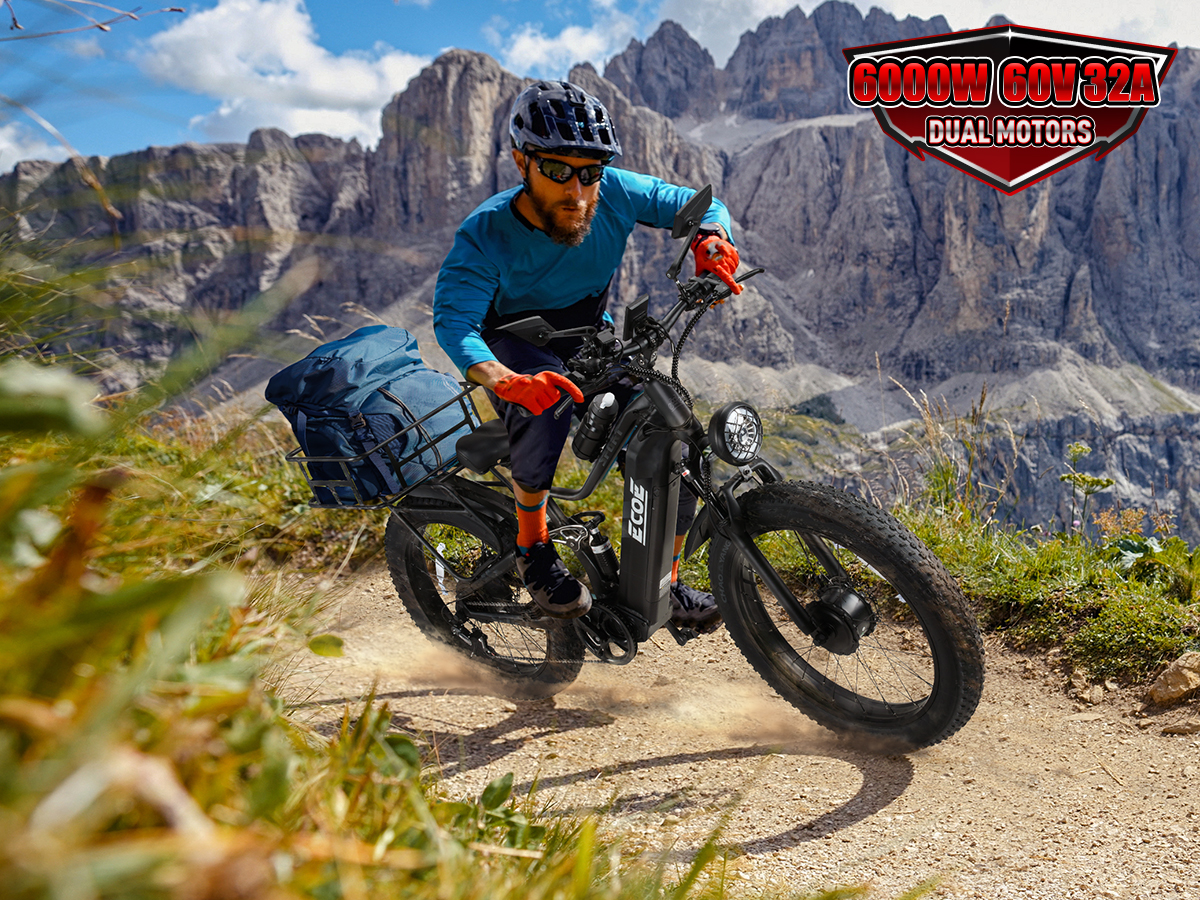
Does Riding a Bike Work Your Abs?
Yes—riding a bike does work your abs, but not in the same direct way as traditional core exercises. Instead of isolating your abdominal muscles, cycling engages them indirectly to support balance, posture, and overall control. Effects of Biking on Ab Muscles When you ride an ecoe electric bike, your legs do most of the visible work, but your core is constantly active behind the scenes. 1. Core Stability Your abs help keep your body stable while riding. Every time you balance, turn, or ride over uneven terrain, your core muscles activate to keep you upright. 2. Posture Support Maintaining a good riding position requires your abs to stay engaged. Sitting upright or leaning slightly forward naturally activates your core muscles throughout the ride. 3. Continuous Muscle Engagement Even though the movement isn’t as intense as crunches, your abs contract repeatedly while cycling. Over time, this helps improve: Does Cycling Build Strong Abs? Cycling can tone and strengthen your abs, but results depend on how you ride. If you simply sit and pedal without engaging your core, your abs won’t get much benefit. How to Engage Your Abs While Riding To get the most out of your ride, you need to actively use your core. Keep Your Core Tight Gently tighten your abs while riding, as if preparing for a light punch. This keeps your muscles engaged the entire time. Maintain Good Posture Avoid slouching. A stable upper body forces your abs to work harder. Mix Sitting and Standing Control Your Movement Smooth pedaling and controlled breathing naturally activate your core. Simple Ways to Boost Ab Activation on Your Bike You can turn a normal ride into a core workout with a few small changes: These techniques make your abs work harder without needing extra equipment. Final Thoughts Riding an ecoe […]
Read more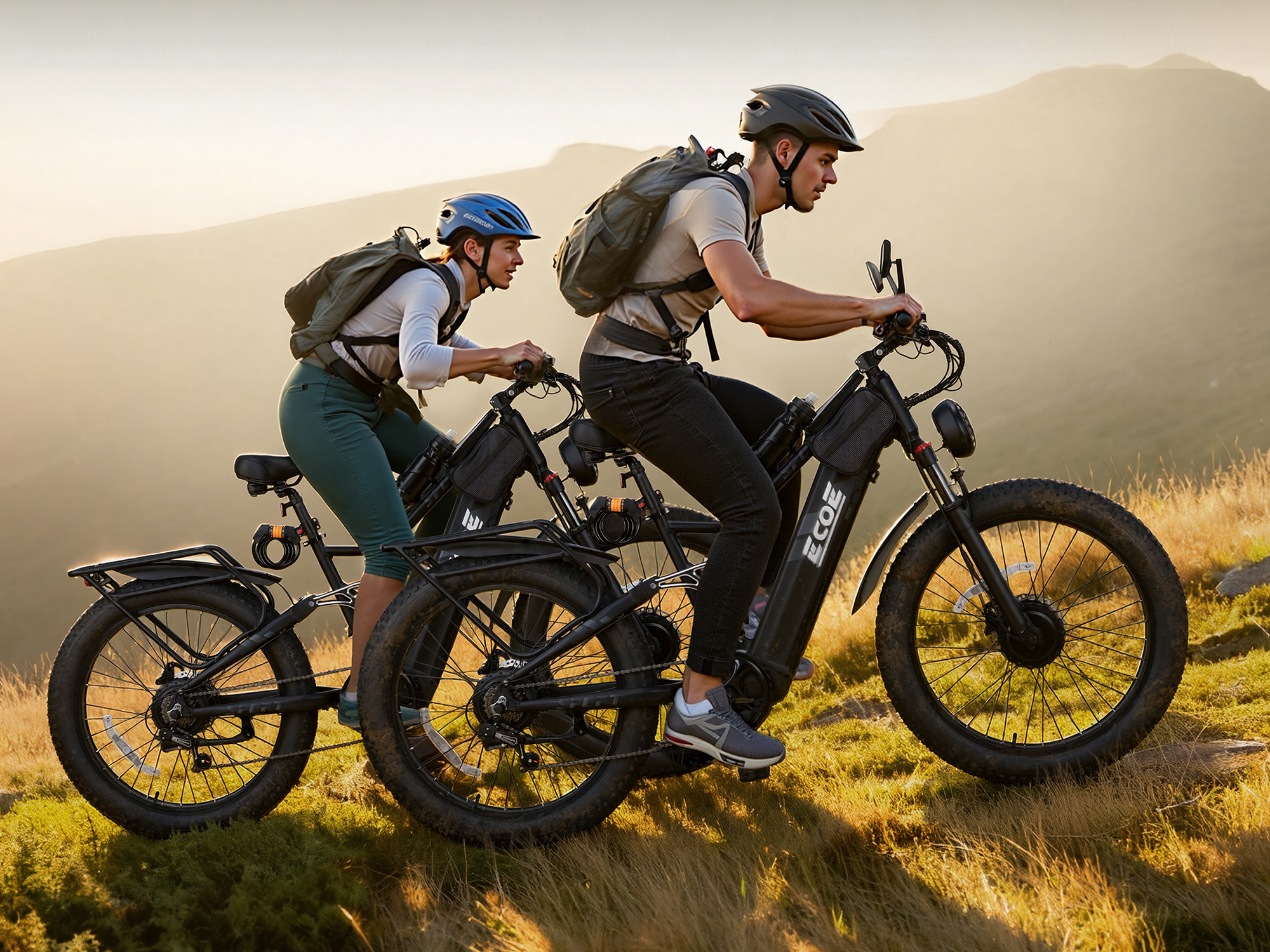
Best Electric Bikes for Climbing Steep Hills
When it comes to climbing steep hills, not all electric bikes feel the same. The right ecoe e-bike turns a tough uphill ride into something smooth and controlled. The key is choosing a model built around strong torque, efficient power delivery, stable handling, and reliable endurance—these are what truly define a great hill-climbing experience. What Makes an ecoe E-Bike Great for Hills 1. Strong and Consistent Power For steep terrain, what really matters is how the power is delivered, not just how fast the bike can go. Modern electric mountain bikes are specifically designed to assist riders on climbs, making difficult terrain more accessible and less exhausting 2. Smooth Pedal Assist Feel A good ecoe e-bike doesn’t just add power—it adds it intelligently. This makes long climbs feel steady instead of jerky or overwhelming. 3. Stable Frame and Suspension Climbing is not just about going up—it’s about staying in control. Off-road electric bikes are built with durability and control in mind, especially for rough and steep environments 4. Reliable Energy Support Climbing hills uses more energy than riding on flat roads. You don’t want your power fading halfway up a climb. How to Ride an ecoe E-Bike Up Hills Even with the right bike, technique makes a big difference. Stay Seated on Steep Climbs Sitting helps maintain balance and keeps your traction steady, especially on loose or uneven terrain. Keep a Steady Pedal Rhythm A smooth cadence helps the motor work efficiently and prevents sudden loss of momentum. Build Momentum Before the Hill Entering a climb with some speed reduces strain and makes the transition easier. Use the Right Gear Early Shift before the slope becomes too steep so you can maintain a consistent effort. Why ecoe E-Bikes Stand Out for Hills ecoe electric bikes are designed for real-world riding, […]
Read more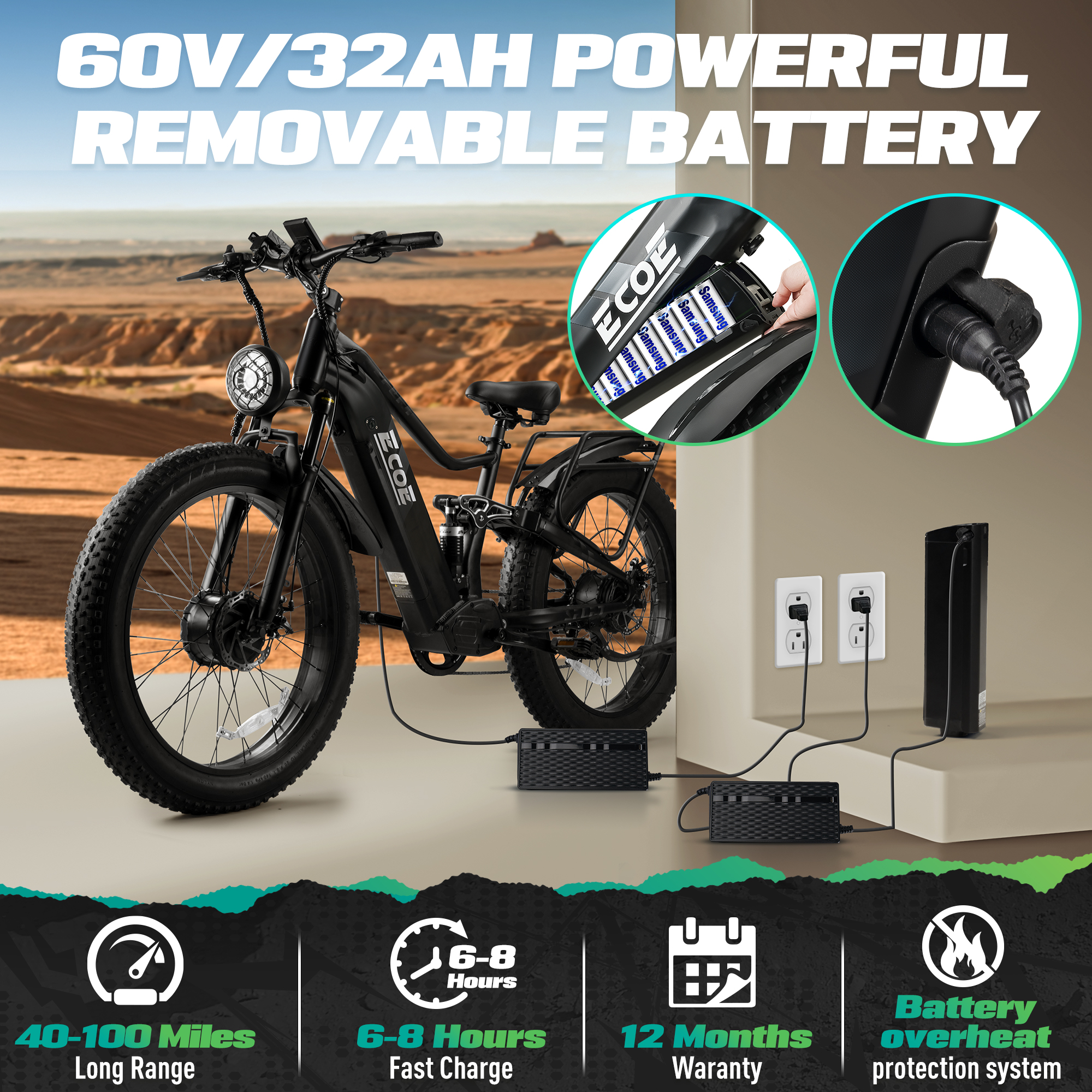
Can My Electric Bike Get Wet?
Riding an electric bike (e-bike) offers freedom and convenience, but when it rains, many riders wonder if their bike can handle wet conditions. Fortunately, most electric bikes are designed to be water-resistant, and it’s generally safe to ride them in the rain. However, understanding how water affects your e-bike and following a few essential precautions can help you keep it in top condition. Can I Ride My Electric Bike in the Rain? Yes, you can ride your electric bike in the rain. Most e-bikes, including those from reputable brands, are designed to handle some exposure to moisture. The key components, such as the motor, battery, and electrical connections, are usually sealed to prevent water damage. However, riding in heavy rain or through deep puddles is not recommended, especially if you risk submerging the motor or battery. After riding in wet conditions, it’s important to dry your e-bike thoroughly and perform regular maintenance to ensure its longevity. The Big ‘Don’t’ for E-Bikes in Wet Conditions The Should ‘Dos’ for Riding an E-Bike in Wet Conditions Here are a few essential tips to keep in mind when riding your e-bike in the rain: 1. Be Extra Cautious 2. Avoid Deep Potholes and Puddles 3. Wear the Right Gear Maintenance Tips for E-Bikes After Riding in the Rain 1. Clean Your E-Bike Regularly After riding in wet conditions, clean your bike to prevent moisture and contaminants from reaching its sensitive electrical components. Here’s how: 2. Dry Your E-Bike If your e-bike gets drenched, use a leaf blower to dry it quickly. Remove the battery and blow out the excess water. Allow your bike to dry completely, especially in the battery and motor areas. 3. Cover Your Battery and Display When transporting your e-bike in the rain, protect your battery and display with a […]
Read more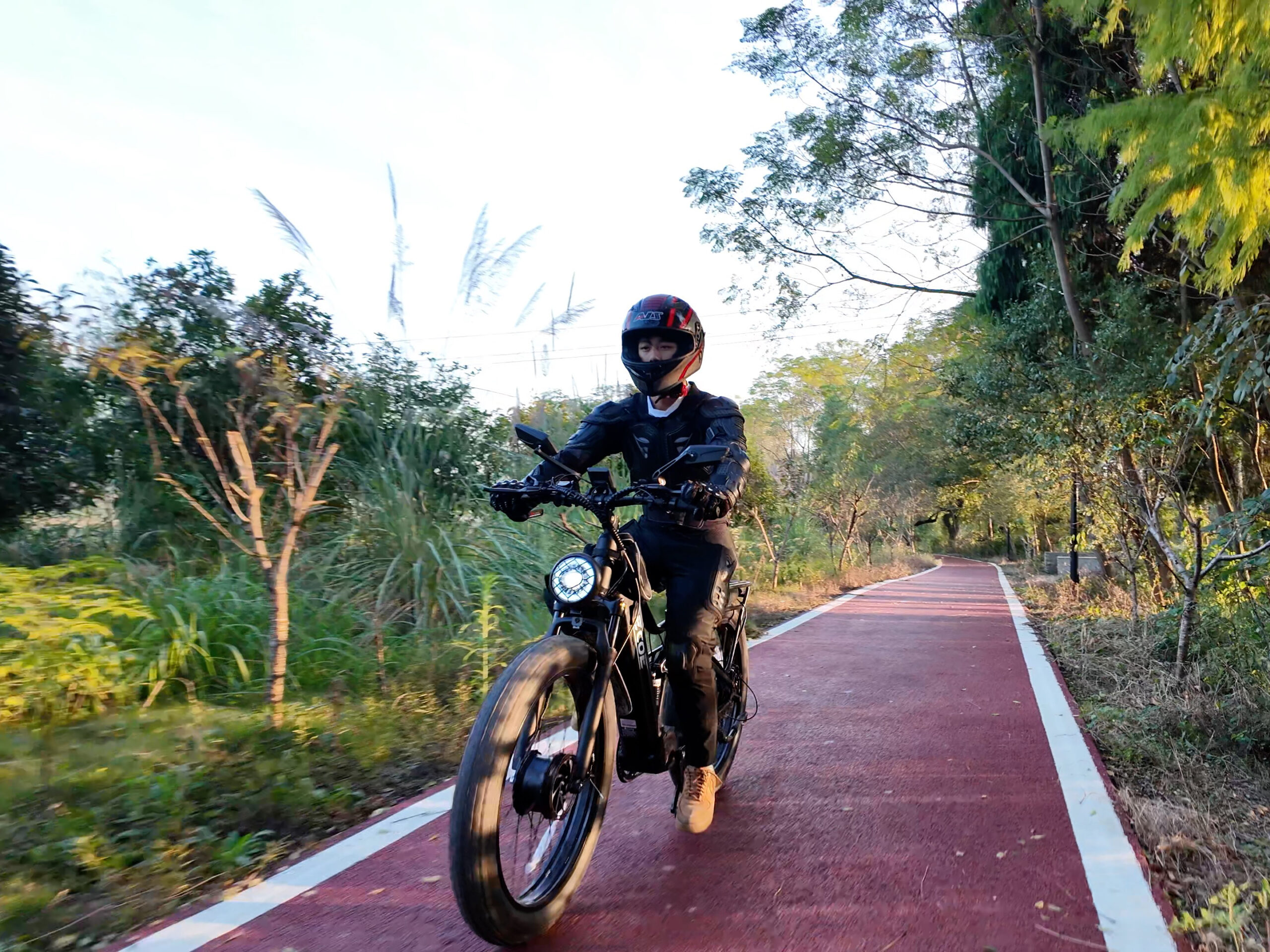
Complete Guide for Bike Chain Maintenance
A well-maintained bike chain is essential for smooth riding and long-term bike performance. Whether you’re an avid cyclist or a casual rider, keeping your bike chain clean and properly lubricated can significantly enhance the lifespan of your bike’s drivetrain and improve your overall riding experience. Reasons for Bike Chain Maintenance Regular chain maintenance is key to ensuring your bike functions smoothly. Over time, dirt, grime, and wear can take a toll on your chain, leading to poor performance and potential damage to other components. By cleaning and lubricating your chain, you can: Tools Needed for Bike Chain Maintenance Before you begin, gather the following tools to ensure proper maintenance: 3 Easy Steps for Bike Chain Maintenance Follow these simple steps to maintain your bike chain and keep it in top shape. Step 1: Clean the Bike Chain For more thorough cleaning, you can use a chain cleaning tool filled with degreaser. This tool uses brushes to scrub the chain as the pedals are turned. Step 2: Check the Bike Chain Chains are prone to wear and tear over time. To prevent further damage: Step 3: Lubricate the Bike Chain Proper lubrication is essential to keep your chain moving smoothly and prevent rust. Follow these steps: Types of Bike Chain Lubes Choosing the right lubricant depends on the weather and terrain you’ll be riding on: Conclusion Maintaining your bike chain is a simple yet effective way to ensure your bike runs efficiently and lasts longer. By regularly cleaning, checking for wear, and lubricating your chain, you can avoid costly repairs and enjoy smoother rides. Whether you’re a weekend rider or a competitive cyclist, these maintenance steps will improve the performance of your bike and help you ride comfortably for miles. Keep your bike chain tight, clean, and well-lubricated, and you’ll reap […]
Read more
How to Ride an E-Bike Safely and Quickly
Riding an electric bike (e-bike) can be one of the most exhilarating experiences on two wheels, offering an effortless blend of speed and comfort. However, like with any new skill, it’s important to approach e-bike riding with care, ensuring both safety and efficiency. If you’re new to e-bikes, here’s a guide to help you get started smoothly. The Key Differences Between Riding an E-Bike and a Regular Bike At first glance, an electric bike looks like any regular bicycle, but the significant difference lies in the motor. The motor on an e-bike provides pedal assistance, making it easier to ride, especially on inclines or long distances. Most e-bikes can go up to speeds of 28 to 52 mph, depending on the model and the level of assistance selected. This added power can help riders move faster without exerting too much energy, which can be especially helpful when riding uphill or against the wind. Is Riding an E-Bike Hard? Riding an e-bike is not much different from riding a regular bike, especially if you have experience with traditional cycling. The learning curve may be a little steeper for beginners, but e-bikes are designed to make riding easier. You won’t need to exert as much effort, thanks to the motor, but you still need to pedal to keep the bike moving. The key is to get comfortable with the additional power and understand how to control it effectively. Where to Practice Riding an E-Bike While it’s tempting to hit the road or trails right away, starting in a safe and controlled environment is important, especially for first-time e-bike riders. 1. Empty Pavement Areas Find a quiet cul-de-sac or a spacious parking lot with no traffic. These areas are ideal for practicing your balance, control, and understanding how your bike responds to different […]
Read more1