Mar 15, 2025
The embryonic stage of electric bicycles in the United States
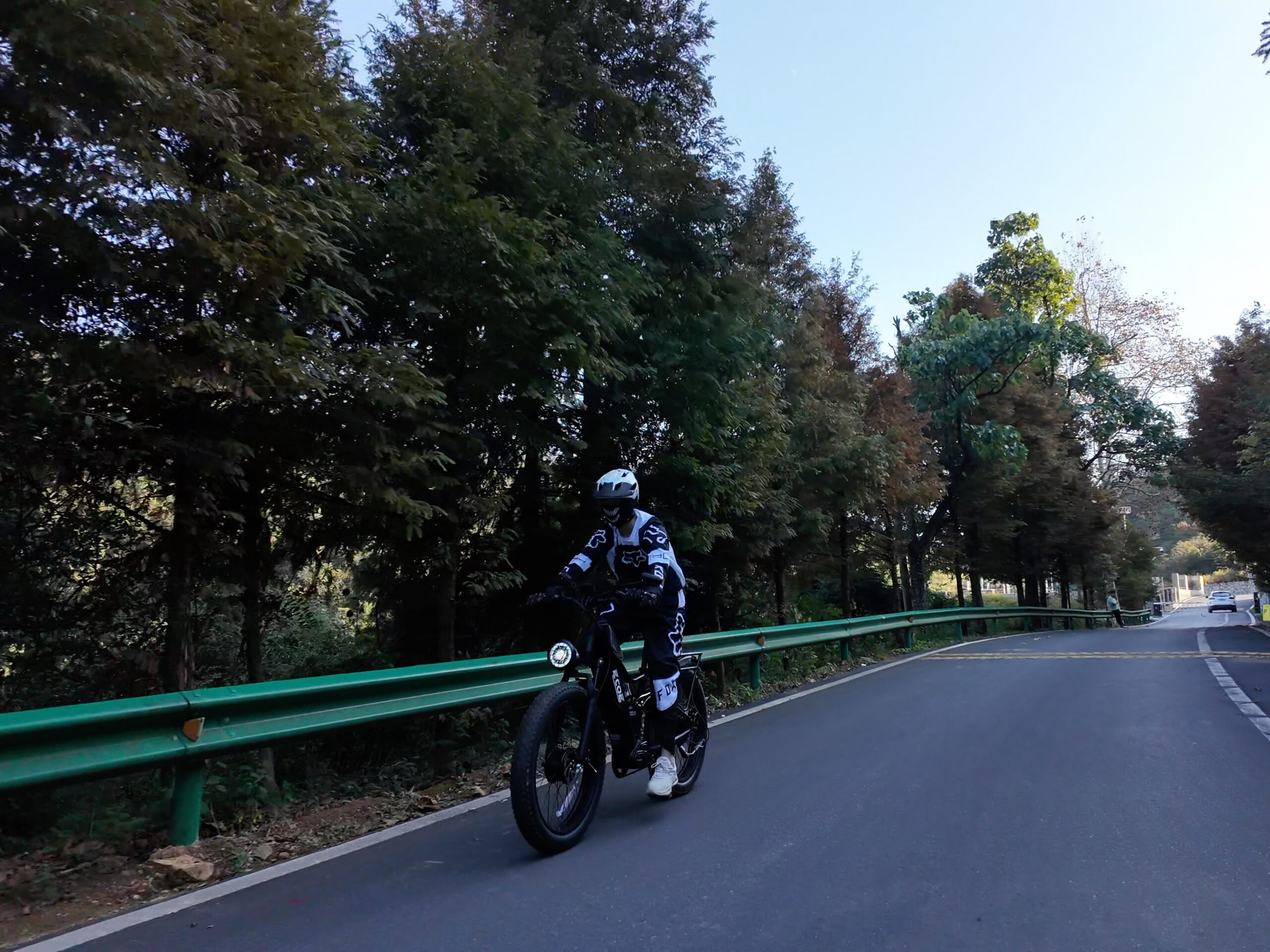
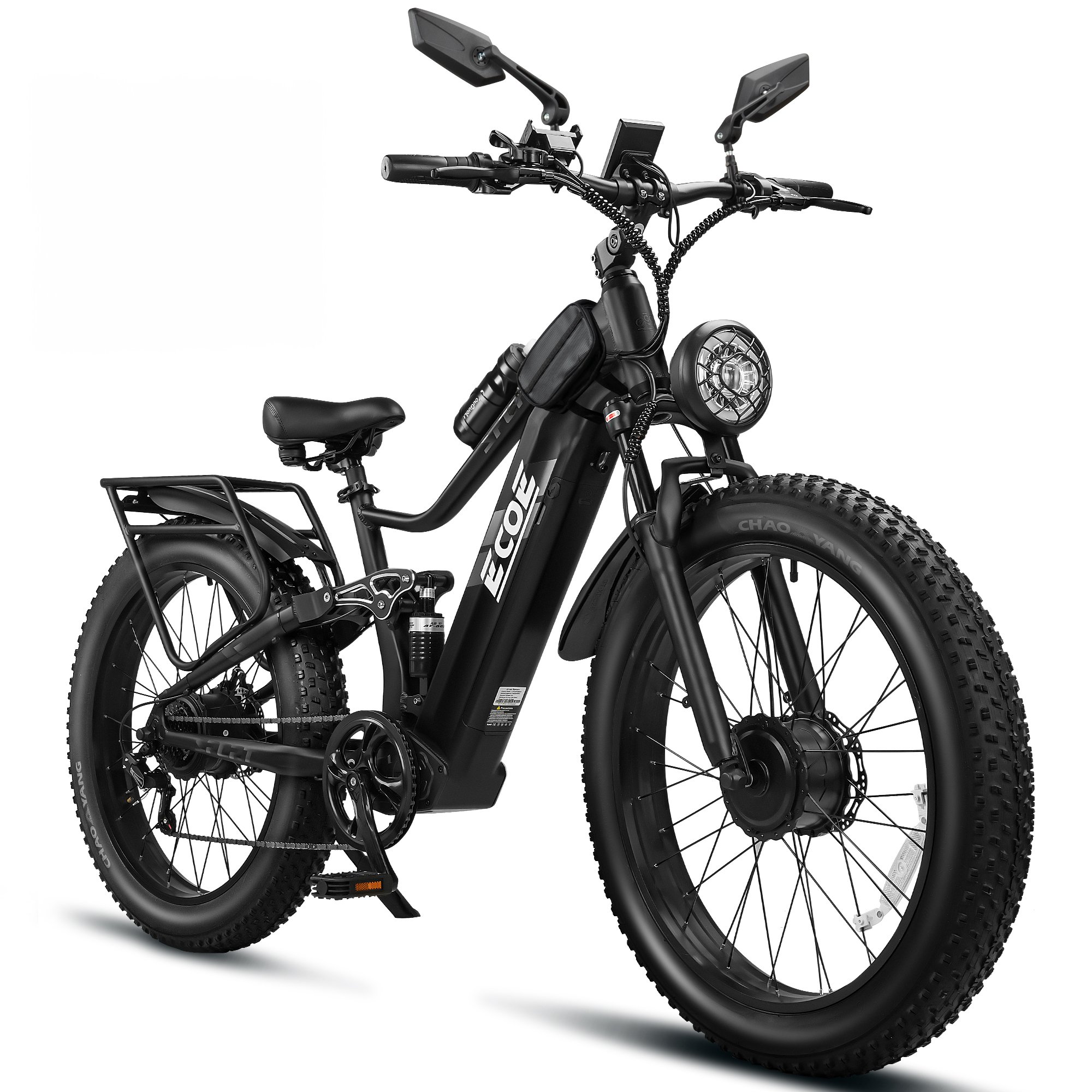
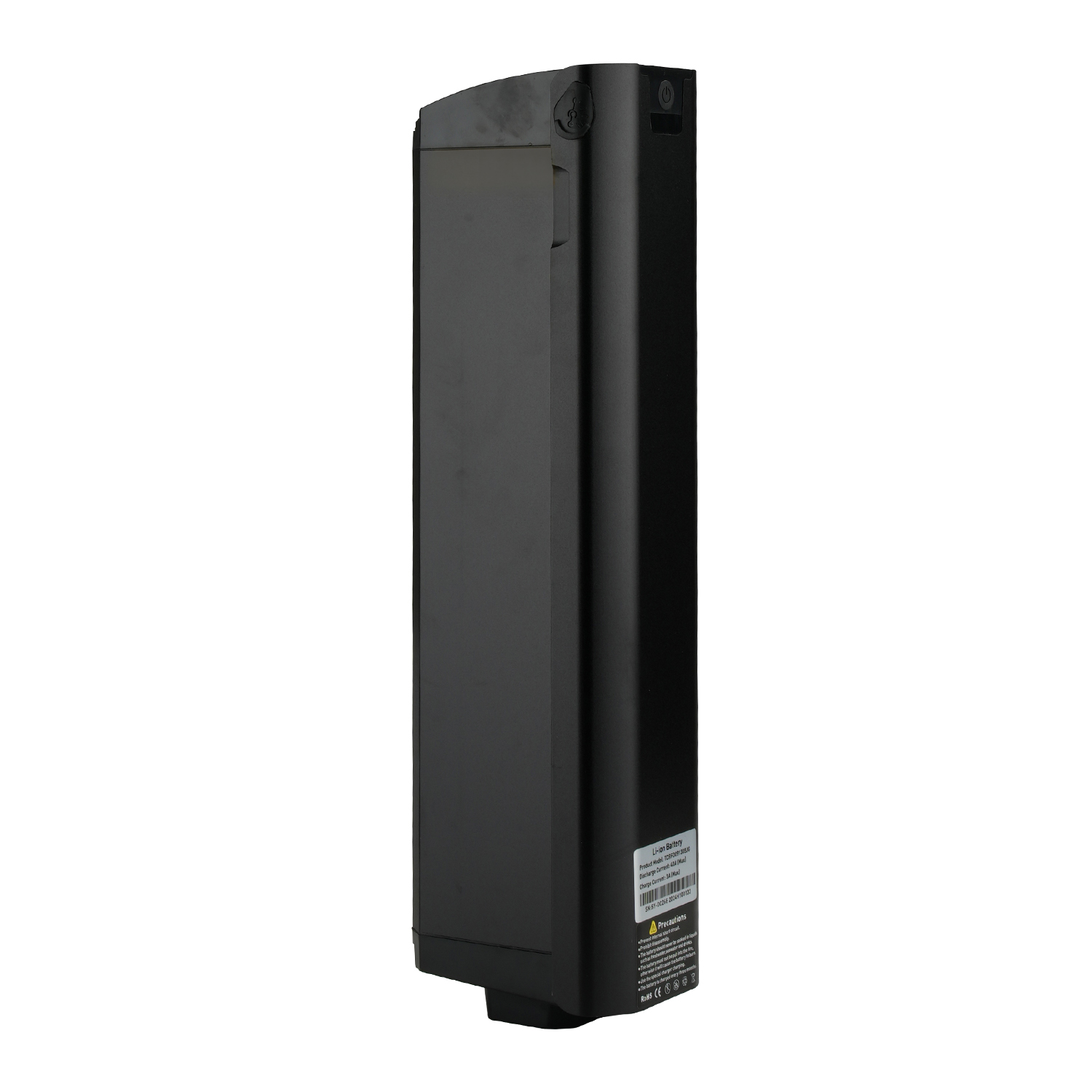
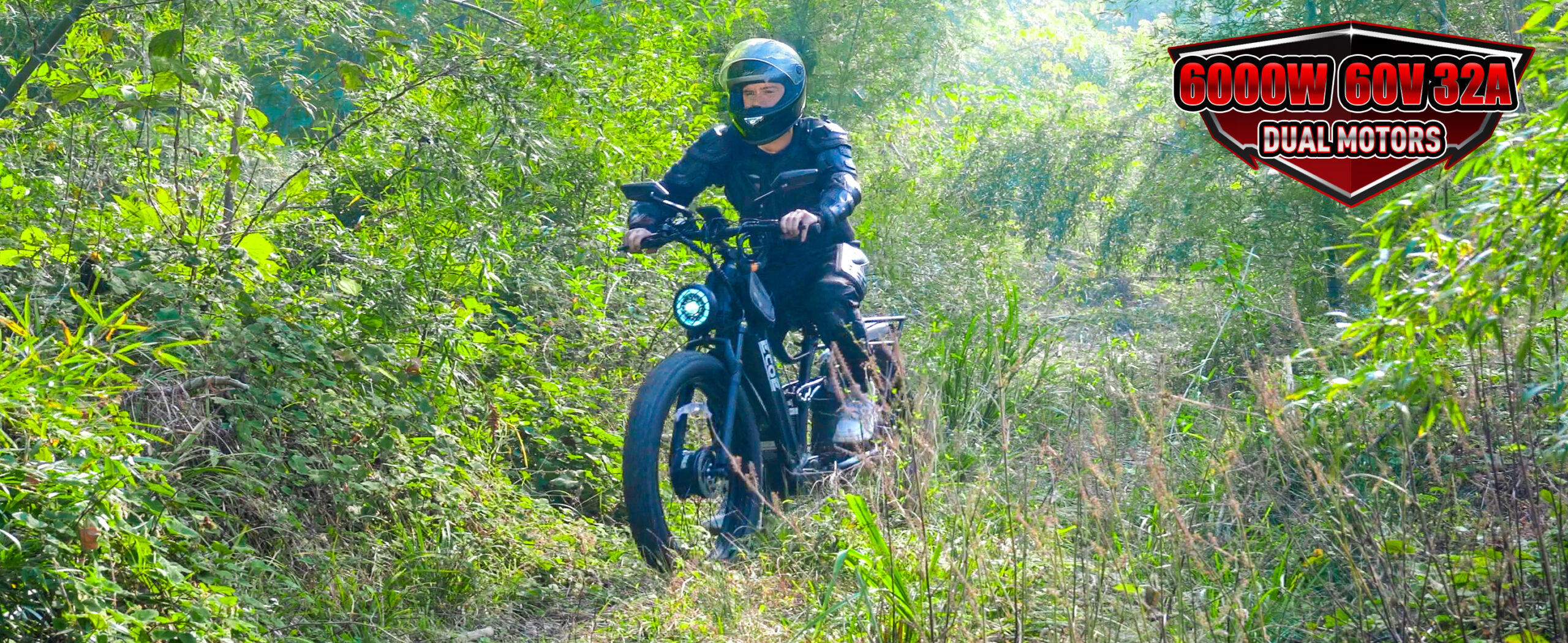
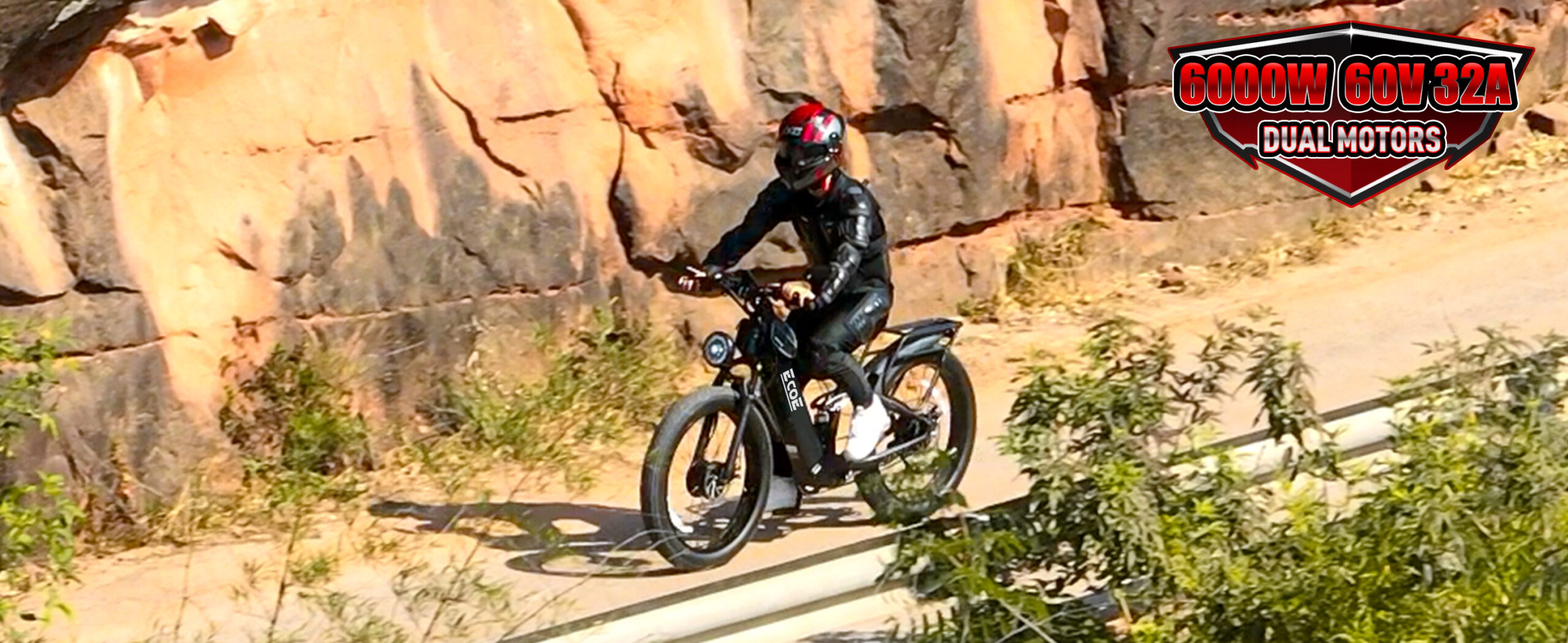
This flagship model of ECOE can be called “a century-old epitome of the electric bicycle industry”. Its dual motor system and 200N・m torque design directly echo the ultimate pursuit of power by engineers in the early stage. The 60V 32AH battery pack supports 120km of endurance (power-assisted mode), and even surpasses the climbing ability of the Henderson electric motorcycle in the United States in the 1930s in the 40-degree slope test.
–
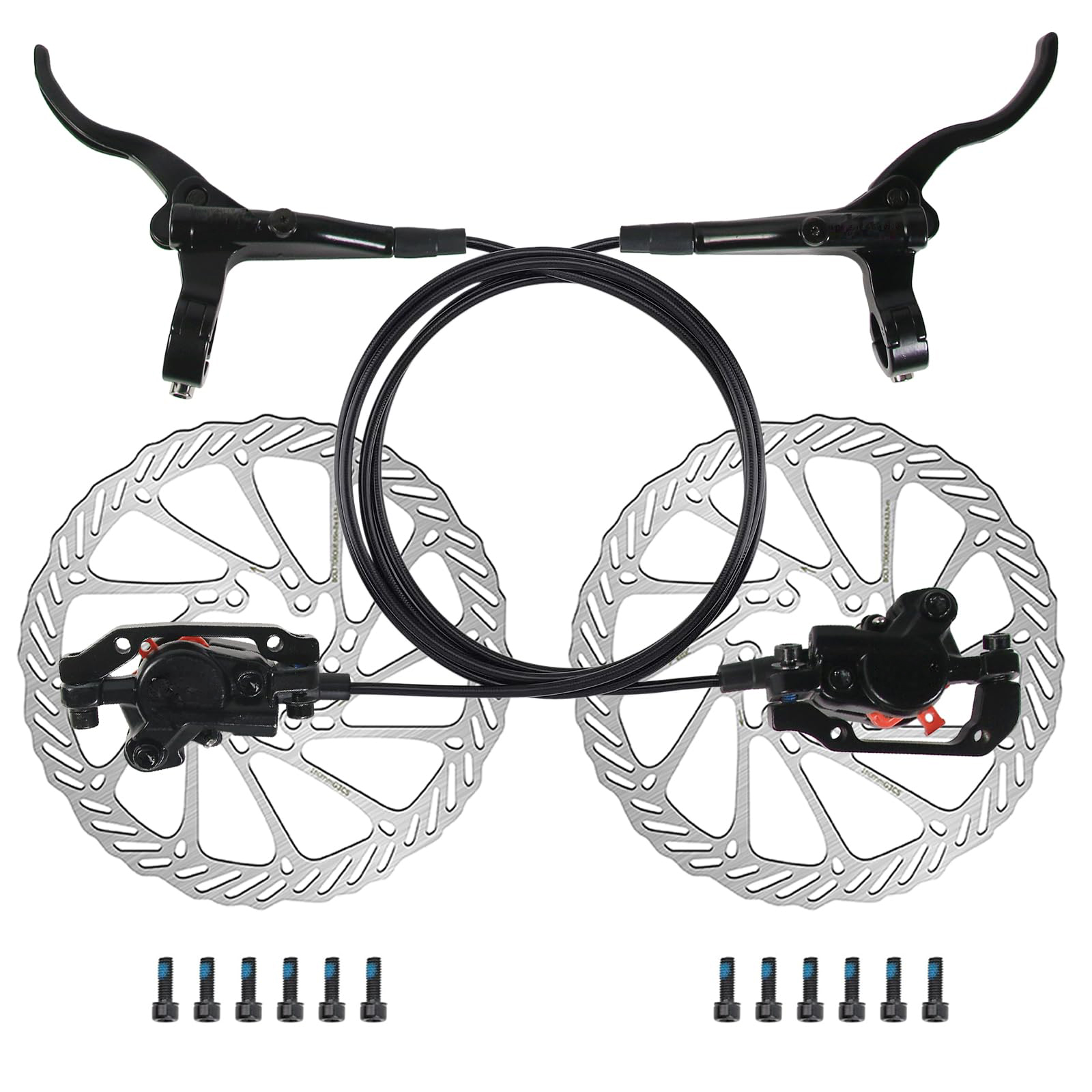
The dual suspension system has a shock-absorbing effect comparable to that of automotive-grade suspension when riding on cobblestone roads, and the hydraulic brake system solves the safety hazards caused by backward braking technology in the early stage. Although the car weighs 65kg, the combination of carbon fiber frame and magnesium alloy wheels makes the handling far superior to early lead-acid battery models, perfectly balancing historical heritage and modern technology.
–
Key historical events in the United States during the embryonic stage of electric bicycles (1900-2000)
1895: The birth of the first electric bicycle patent
American engineer Ogden Bolton Jr. applied for the world’s first electric bicycle patent (patent number 549,160) in Ohio. His design uses a rear wheel hub motor drive, equipped with a 10V lead-acid battery, and a maximum speed of 14km/h. Although it is limited by battery technology and has a range of only 10 kilometers, this invention proved for the first time the feasibility of combining electric drive with bicycles. Bolton’s prototype was exhibited at the 1896 Atlanta World’s Fair, sparking public interest in “horseless riding”.
–
1930s: Commercialization attempts and technical bottlenecks
During the Great Depression, the American Henderson Company launched the first mass-produced electric bicycle “Motoped”. The car is equipped with a 350W motor and a 6V battery, and is priced at US$25 (equivalent to 1/3 of the monthly salary of an ordinary worker at the time). However, due to the short battery life (only 50 charge and discharge cycles) and weak climbing ability (maximum slope of 5 degrees), sales were dismal. During the same period, Westinghouse developed nickel-cadmium batteries, but they were too expensive to be popularized. These attempts exposed the core contradiction in the embryonic stage – power and endurance could not be taken into account at the same time.
–
1970s: The oil crisis gave birth to “green travel”
After the oil crisis in 1973, the US Department of Energy launched the “Light Electric Vehicle Program” and allocated funds to support the development of electric bicycles. Sears launched the “Elgin” electric bicycle, equipped with a 12V lead-acid battery and a chain-driven motor, with a maximum speed of 24km/h and a range of 32 kilometers. Although the performance was still limited, the awakening of public environmental awareness promoted a surge in sales. In 1975, the sales of electric bicycles in the United States exceeded 50,000. During this period, the National Bicycle Dealers Association (NBDA) of the United States classified electric bicycles separately for the first time.
–
1990s: Lead-acid battery innovation and regulatory game
In 1990, Exide Technologies launched a sealed lead-acid battery, which increased the range of electric bicycles to 80 kilometers, while reducing costs by 60%. American brands represented by Gazelle took this opportunity to launch “urban commuter models” with prices controlled at US$1,000-1,500. However, chaotic state regulations hindered development – New York State required electric bicycles to be licensed, while California classified them as bicycles. It was not until 1998 that the US Consumer Product Safety Commission (CPSC) issued the “Electric Bicycle Safety Standard”, which uniformly stipulated that the upper limit of motor power was 750W, ending the long-term legal dispute.
–
Technology inheritance and limitations
–
In its infancy, American electric bicycles were always limited by battery technology: from the bulkiness of lead-acid batteries to the memory effect of nickel-cadmium batteries, engineers tried a variety of solutions. In 1995, the lithium-ion battery prototype developed by General Motors was briefly used in electric bicycles, but it failed to be marketed due to the high cost of US$5,000 per set. These explorations laid the groundwork for the popularization of lithium batteries after 2000, and the early pursuit of “low noise, zero emissions” directly influenced the design concept of modern electric bicycles.
–
Cultural symbolic significance
–
In the 1974 movie “Speed”, electric bicycles were portrayed as “anti-establishment transportation tools” and became a symbol of hippie culture. This cultural label combined with environmental protection demands has elevated electric bicycles from a simple means of transportation to a symbol of social movement, accumulating a mass base for the market outbreak in the 21st century.
These events spanning a century constitute the embryonic trajectory of electric bicycles from laboratory inventions to mass consumer products, and also laid the foundation for the United States’ technological dominance after 2000.
Leave a comment
Please note, comments need to be approved before they are published.
当前文章评论已关闭。
-
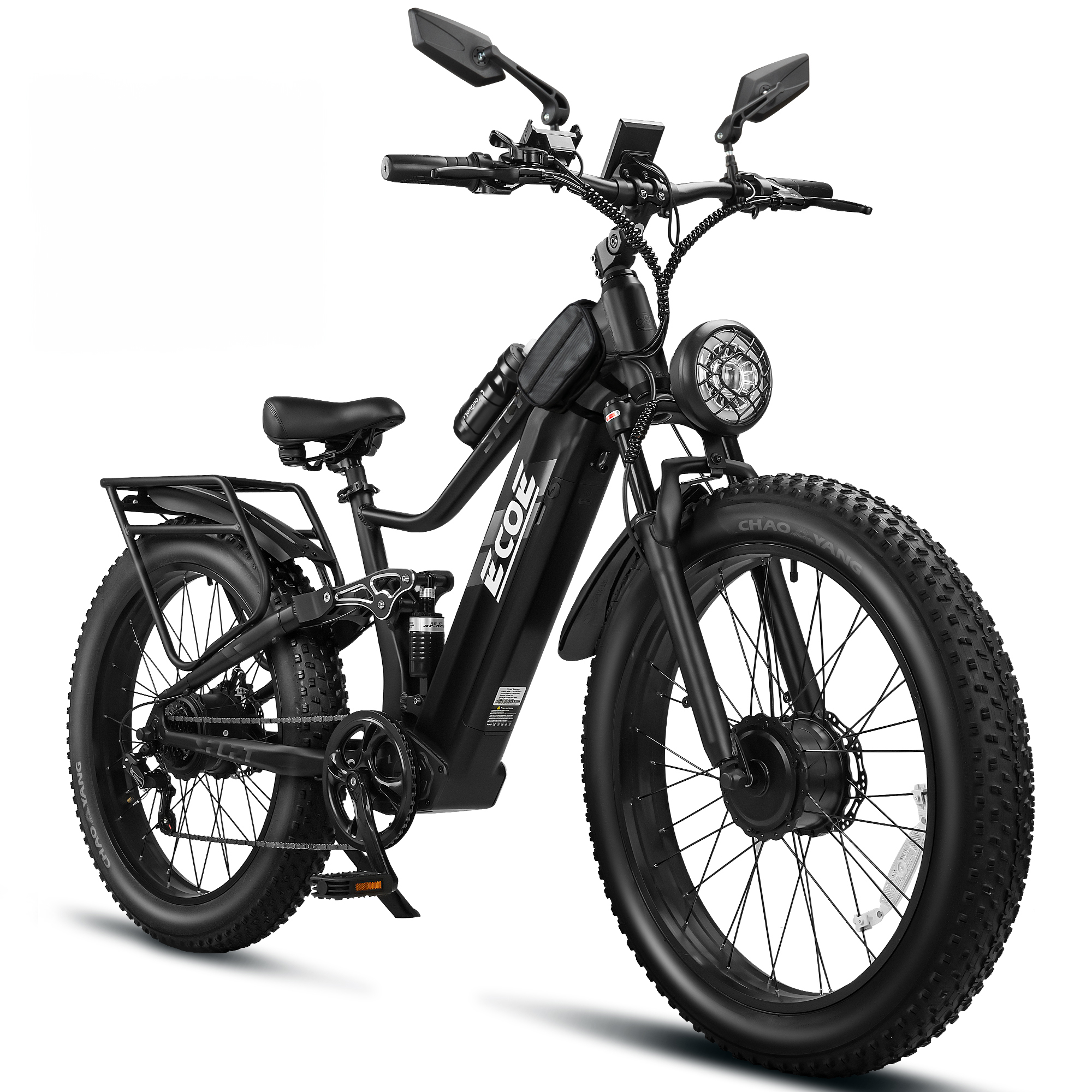
5000W Dual Motor Electric Bike for Adults 52MPH with 60V32A, 26×4 Fat Tire All Terrain Ebikes, Full Suspension E Bike, SHM 7-Speed Gear Electric Bicycle
From$1,499.00 Add to cart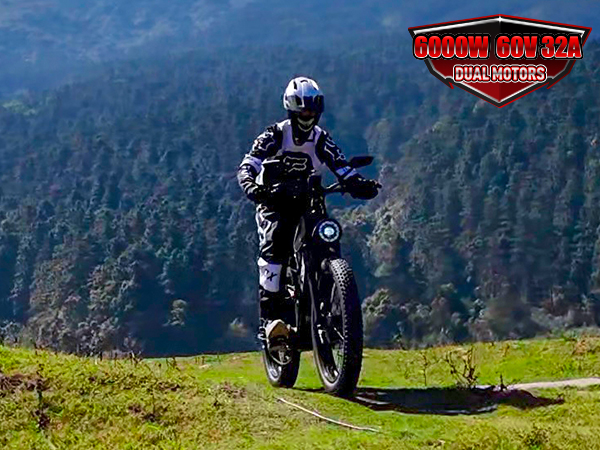
How To Use Bike Gears – Completely Explained
Understanding how to use bike gears can completely change the way you ride. Whether you’re commuting through the city or exploring with an ecoe electric bike, gears help you ride more smoothly, conserve energy, and stay comfortable across different terrains. Once you learn how to shift properly, cycling becomes far more enjoyable and efficient. Why Do You Need Gears on a Bike? Gears are not just a feature—they are essential for a better riding experience. Ride Longer with Less EffortGears allow you to adjust how hard you pedal. Instead of exhausting yourself, you can maintain a steady rhythm and ride longer distances with ease. Reduce Muscle FatigueWithout gears, every slope or terrain change would require extra effort. Gears help distribute that effort, reducing strain on your legs and making your ride smoother. Maintain Comfortable PedalingNo matter if you’re going uphill, downhill, or cruising on flat roads, gears help you maintain a consistent and comfortable pedaling speed. How Do Bike Gears Work? Bike gears work by moving the chain between different-sized rings. This changes how much effort is needed to pedal. When you shift, the chain moves across the cassette (rear gears) or chainrings (front gears), adjusting resistance and speed. How To Shift Gears on a Bike Most bikes, including ecoe electric bike models, have two shifters: Basic Shifting Guide: Practical Tips for Using Bike Gears Shift Before You Need ItAnticipate terrain changes. Shift to an easier gear before climbing, not during. Ease Off the Pedals When ShiftingReducing pressure while shifting helps the chain move smoothly and prevents wear. Avoid Cross-ChainingDon’t use extreme gear combinations (like the biggest front gear with the biggest rear gear). This strains your drivetrain. Find Your CadenceKeep a steady pedaling rhythm. If pedaling feels too hard or too easy, shift gears to find balance. Downhill StrategyShift […]
Read more
Why Your Bike Chain Keeps Falling Off & How to Fix It
A bike chain falling off might seem like a minor inconvenience at first, but if it happens frequently, it can turn into a frustrating issue that interrupts your rides. Whether you’re out on an adventure or just commuting, constantly stopping to fix the chain is not only annoying but can also be dangerous. Understanding why your chain keeps falling off and how to fix it is crucial to keep your bike running smoothly. How Does the Bike Chain Work? The bike chain works in conjunction with several components to transfer your pedaling power to the wheels. It works with the chainring, derailleurs, cassette, and crank pedals. When you pedal, the crank rotates, causing the chain to move. The teeth on the chainring catch the links of the chain, and as the chain moves, it engages the cassette at the rear wheel, causing the wheel to turn. The derailleurs help move the chain between the gears as you shift. Top Reasons Why the Bike Chain Keeps Falling Off There can be many reasons for your bike chain falling off, but the most common issues include: How to Fix a Bike Chain That Keeps Falling Off Once you identify the cause of your chain issues, there are several steps you can take to fix it: Conclusion A malfunctioning bike chain can cause significant frustration, but with proper maintenance and troubleshooting, you can keep your bike running smoothly. From cleaning the chain to replacing worn-out parts, there are several DIY solutions to fix a chain that keeps falling off. However, if you’re unsure or if the problem persists, it’s always a good idea to consult a professional bike mechanic. By staying on top of maintenance, you can avoid unexpected issues and enjoy your rides without interruption.
Read more
How Cycling Changes Your Body
Cycling is not just a fun activity; it offers numerous health benefits that can help improve both your physical and mental well-being. In a world where stress and unhealthy habits dominate, cycling can be a refreshing and effective solution to improve your body shape and overall health. If you’re someone who dislikes traditional workouts like yoga or the gym, cycling may be the perfect alternative to get you back on track. Here’s how cycling changes your body: Top 10 Positive Effects of Cycling on Body Shape Women vs. Men’s Cycling Transformation Cycling has different effects on men and women due to differences in body composition and muscle distribution. Frequently Asked Questions About the Effects of Cycling on Body Shape Conclusion Cycling is a fun, effective, and accessible way to improve your body shape and overall health. Whether you’re looking to tone your legs, lose weight, or improve your mental health, cycling offers numerous benefits for both men and women. By incorporating cycling into your routine, you can achieve a stronger, leaner, and healthier body while enjoying the many mental benefits it provides.
Read more
About Bike Standover Height & Why It’s Important
What Is Bike Standover Height? Bike standover height refers to the clearance between your body and the top tube of the bike frame when you stand over the bike with both feet flat on the ground. It is an essential measurement because it determines how comfortable and safe you’ll be when riding. Having the right standover height helps you maintain control of your bike, especially in situations where you may need to stop quickly. The standover height is determined by your inseam (inside leg length) and the frame size of the bike. A properly measured standover height ensures that there’s enough clearance between your body and the frame, typically around 1-2 inches. Without this clearance, you could be at risk, particularly in emergency situations where you need to stop abruptly. Why Is Standover Height Important? Standover height is crucial for comfort and safety. It prevents discomfort or injury, especially during quick dismounts. If your standover height is too low, you might be uncomfortable riding, as your crotch could come into contact with the top tube. On the other hand, if it’s too high, you may have trouble balancing or controlling the bike, especially on uneven terrain. A proper standover height ensures that you can get on and off the bike easily, gives you greater control while riding, and enhances your ability to stop safely when needed. How to Find Your Standover Height? Finding your standover height is straightforward, and you can do it at home with a few simple tools: What to Aim For: How Can I Increase My Standover Height? If your current standover height doesn’t feel comfortable, there are several adjustments you can make to optimize your fit: Conclusion Knowing your standover height is essential when choosing a bike. It determines how well you’ll be able to control […]
Read more
Everything You Need to Know About Bike Touring
What Is Bike Touring? Bike touring is a type of cycling adventure that blends elements of mountain biking and bikepacking. It typically involves traveling on paved roads for extended periods—whether days, weeks, or even months—while occasionally venturing onto gravel or dirt paths. The goal is to explore new places, enjoy the outdoors, and cover long distances while carrying everything you need for the journey. What Kind of Bike Should I Use for Bike Touring? You can tour on a variety of bikes, but certain bikes are better suited for the task. While some are specifically built for touring, most good bikes can be adapted with the right accessories. The main exception is road racing bikes, which prioritize lightweight design and quick handling rather than durability and comfort. Key features of a bike ideal for touring include: Key Features for Touring Bikes 1. Frame Geometry Touring bikes are designed to be stable and comfortable, even under the weight of heavy loads. They typically feature longer wheelbases than road bikes, which help with steering and balance, especially when the bike is loaded with gear. 2. Frame Materials Chromoly steel is a popular choice for touring bikes due to its strength, durability, and smooth ride quality. Steel can absorb vibrations from the road, resulting in a more comfortable ride over long distances, particularly on rougher terrain. Steel is also highly durable, making it ideal for long trips in rural or less developed areas. 3. Wheels When choosing wheels for a touring bike, consider the following: 4. Tires Consider these factors when selecting tires: 5. Gearing For touring, opt for easier gears rather than harder ones. The focus should be on making climbing hills and long-distance pedaling manageable. Simplified gearing systems tend to be more reliable and long-lasting, especially on long tours. 6. Brakes […]
Read more
Full Guide to Best Electric Hunting Bikes
Hunting enthusiasts are increasingly adopting electric bikes (e-bikes) as their go-to transportation for rugged terrains. These bikes are not only a practical solution for navigating tough landscapes but are also designed with features that cater to the specific needs of hunters. An electric hunting bike can significantly enhance the hunting experience by making it easier to reach remote locations, carry gear, and remain stealthy while tracking wildlife. Here’s a comprehensive guide to electric hunting bikes, highlighting their benefits and key factors to consider when making a purchase. What is an Electric Hunting Bike? An electric hunting bike is a specialized bike designed for outdoor use, particularly in rugged terrains like forests, mountains, and plains. These bikes are equipped with powerful motors and long-lasting batteries to help you cover large areas with ease. A typical hunting e-bike has a range of up to 60 kilometers on a single charge, and they come with accessories such as racks, trailers, and bags to carry all the necessary gear. The frame is designed to withstand harsh conditions while maintaining a lightweight profile for easy transportation. The suspension system plays a crucial role in ensuring a smooth ride, especially when navigating uneven ground. The tires on these bikes are typically fat tires, ranging from 4″ to 4.8″, providing excellent grip on mud and rough terrain. Benefits of Electric Hunting Bikes An electric hunting bike offers a range of advantages over traditional mountain bikes, especially when used for hunting. Here are some of the most notable benefits: 1. Handles Rough Terrain Electric hunting bikes excel in navigating tough terrains that vehicles and traditional bikes can’t handle. With a pedal-assist system, these bikes can reach more isolated hunting spots, allowing you to scout areas, set up traps, or check game cameras without the noise and bulk of […]
Read more
Detailed Guide for Off-Road Electric Bikes
Off-road electric bikes (e-bikes) have revolutionized the way people explore rugged terrain, offering a blend of power, comfort, and adventure. Whether you’re looking to scale steep inclines, traverse rocky paths, or simply enjoy the great outdoors, an off-road e-bike is the perfect tool to enhance your experience. Here’s an in-depth guide to help you choose the best off-road e-bike and what to consider when making your purchase. Key Features to Consider When Buying an Off-Road Electric Bike 1. Shocks and Tires When venturing off-road, shocks and tires are essential for comfort and performance. Off-road trails are often uneven, rocky, or bumpy, so you need a bike that can absorb these shocks efficiently. 2. Motor The motor is the heart of your e-bike, particularly when it comes to climbing hills and navigating tough trails. 3. Battery A reliable battery is crucial for ensuring you don’t run out of juice during your off-road adventure. 4. Customization Options Customization is key to achieving the right fit and performance. 5. Safety Features Safety is paramount when riding off-road, as you’ll encounter rough terrain and possibly unpredictable conditions. Frequently Asked Questions for Off-Road E-Bikes Can e-bikes go off-road? Yes! Off-road e-bikes are designed specifically for rough terrains. With features like powerful motors and robust tires, these bikes offer pedal assist to help you scale hills and navigate challenging trails, making them perfect for backcountry adventures. Which type of e-bike is best for off-road? A fat tire electric bike is generally the best type for off-road riding. The fat tires (typically 3” or wider) offer superior traction and stability, making it easier to handle difficult terrain. Additionally, bikes with front fork suspension or full suspension are ideal for smoother rides over bumpy trails. What are the advantages of a fat tire electric bike for off-road? Can […]
Read more
Benefits of Having an All-Terrain E-Bike
An all-terrain electric bike is a game-changer for those who want to explore the outdoors, whether you’re cruising through city streets, hiking trails, or venturing into nature. These bikes are designed to tackle a variety of surfaces, including snow, sand, dirt, grass, and asphalt, providing a smooth and stable ride no matter the conditions. Here’s why an all-terrain e-bike might be your next best purchase. Key Features of All-Terrain E-Bikes Fat Tires One of the standout features of an all-terrain e-bike is the fat tires. These wider tires are perfect for tackling rough, uneven ground, offering more traction and stability. Fat tires typically range from 3.5 inches or wider, making them the ideal choice for everything from sandy beaches to snowy landscapes. Their ability to absorb bumps and reduce vibrations makes for a smoother, more comfortable ride compared to traditional bike tires. Motor Options: Hub-Drive vs. Mid-Drive Most all-terrain e-bikes come with either hub-drive motors or mid-drive motors. Benefits of All-Terrain E-Bikes 1. Long Rides with Less Effort Thanks to the powerful motors and pedal-assist capabilities, an all-terrain e-bike allows you to ride up to 40 miles on a single charge without breaking a sweat. Whether you’re cycling on rough trails or cruising on a paved road, you can cover long distances with ease, making it an excellent choice for both recreational and practical use. 2. Leave No Trail When you’re out hunting or exploring nature, quiet movement is key. The motorized support of an e-bike allows you to move silently without disturbing wildlife. Many all-terrain bikes feature a walk assist mode, enabling you to quietly maneuver your bike in areas where noise could scare off animals. 3. Carry Hunting and Fishing Gear All-terrain e-bikes are great for carrying extra gear. They can support up to 300 lbs of weight […]
Read more
Useful Tips About Charging Your E-Bike
Charging your ecoe e-bike isn’t just about plugging it in—it’s about building small habits that keep your battery healthy, reliable, and ready for every ride. Treat the battery well, and it will quietly power countless smooth journeys. When Should You Charge Your E-Bike? Most ecoe e-bikes come with a simple battery indicator. You don’t need to wait until the battery is completely drained. In fact, frequent, moderate charging is better for long-term battery health. How to Charge an Electric Bike Battery Charging is straightforward: Some riders prefer removing the battery before charging, especially when charging indoors—it’s often more convenient and safer. Smart Charging Tips 1. Fully Charge It the First Time When you first get your ecoe e-bike, give the battery a full charge.This helps it perform smoothly from the start. 2. Charge Regularly, Not Occasionally Don’t wait until it’s empty.Topping up the battery after rides keeps it in better condition over time. 3. Avoid Extremely Low Levels Letting the battery drop too low too often can shorten its lifespan.Try to recharge before it gets critically low. 4. Keep It Away from Extreme Temperatures Batteries prefer a calm environment. 5. Never Store It Completely Empty If you won’t ride for a while, leave some charge in the battery.A completely drained battery left unused can become damaged. 6. Don’t Overcharge Once fully charged, unplug it.Leaving it connected for too long can slowly reduce performance over time. Choosing the Right Charger Always use the charger designed for your ecoe e-bike.It’s built to match your battery and ensures safe, stable charging. A good charger helps: Common Questions About Charging Do e-bikes charge while riding? Most ecoe e-bikes do not recharge while you pedal.They need to be plugged into a power source. Should I always charge to full? Not necessarily.Charging close to full is […]
Read more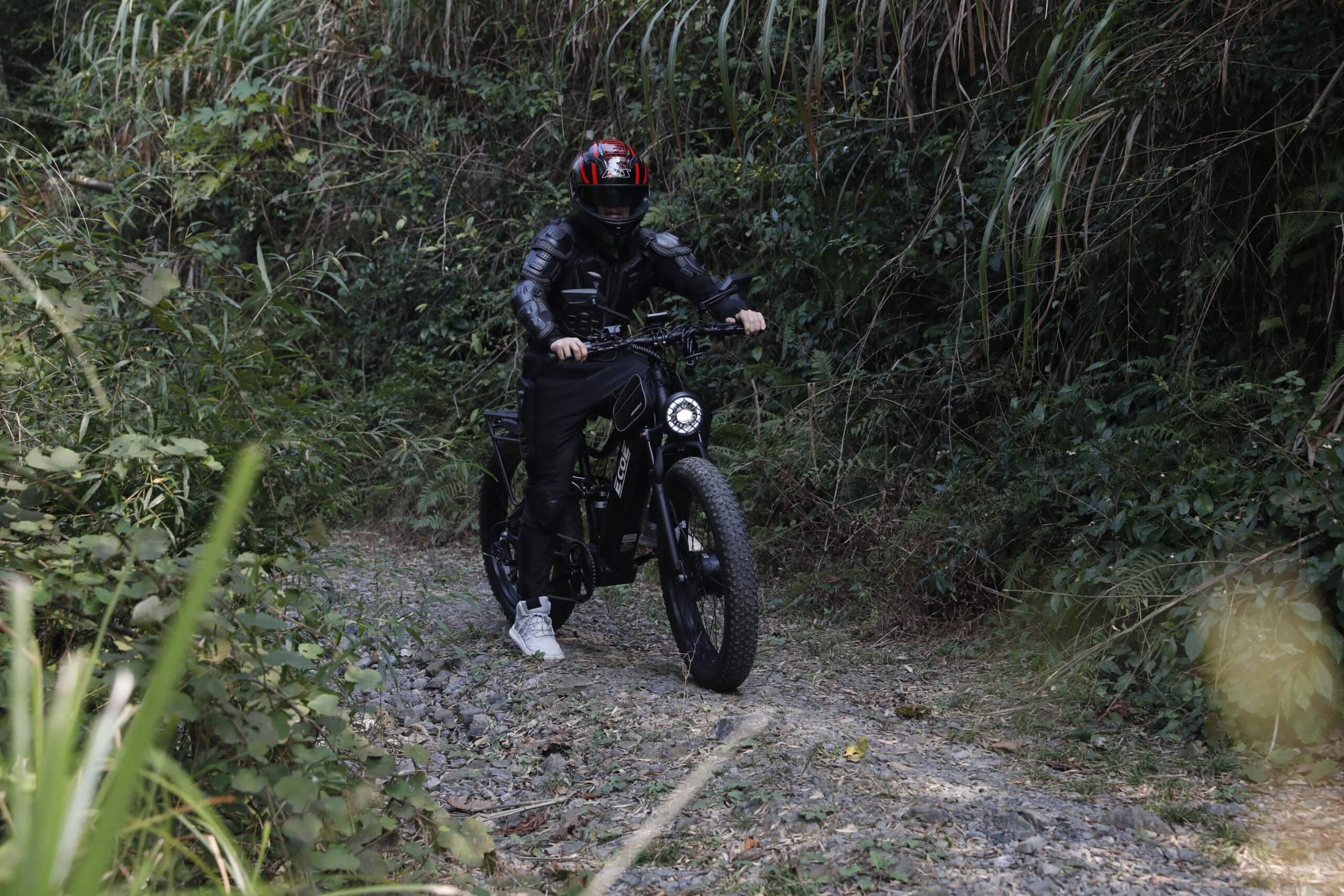
How to Properly Lock Your Bike
Riding your ecoe e-bike brings freedom, speed, and a sense of adventure—but leaving it unattended shouldn’t feel like a gamble. Bike theft is real, but with the right habits, you can make your bike a very difficult target. Simple Steps to Lock Your Bike Properly Choose a Busy, Visible Location Always park where people are around. High foot traffic and good lighting discourage thieves. A bike sitting alone in a quiet corner is far more tempting than one in plain sight. Lock to Something Truly Solid Your lock is only as strong as what it’s attached to. If the object moves, your bike can disappear with it. Understand Your Surroundings Some areas naturally carry higher theft risk. A few extra steps to a safer location are always worth it. Use a Strong, Reliable Lock Not all locks offer the same protection. Think of your lock as your first line of defense—it’s not the place to cut corners. Lock the Frame First, Then the Wheels Always secure the most valuable part first—the frame. Then, if possible: The goal is to protect what matters most, layer by layer. Keep It Tight and Off the Ground Position your lock carefully: Less room means less leverage for tools. Remove Easy-to-Steal Accessories Take anything that can be quickly removed: Even small items can attract attention. Consider a Bike Cover A simple cover can make your bike less noticeable.Out of sight often means out of mind, especially in busy areas. Use Monitored or Secured Areas If available, choose locations with cameras or security presence.Even basic surveillance adds an extra layer of deterrence. How to Lock Your Bike at Home You might assume home is the safest place—but that’s not always true. Indoor Storage Is Best Add Extra Security Even indoors: Quiet residential areas can sometimes be […]
Read more1