Mar 22, 2025
Best Electric Bikes for Adults: Expert Reviews & Comparison
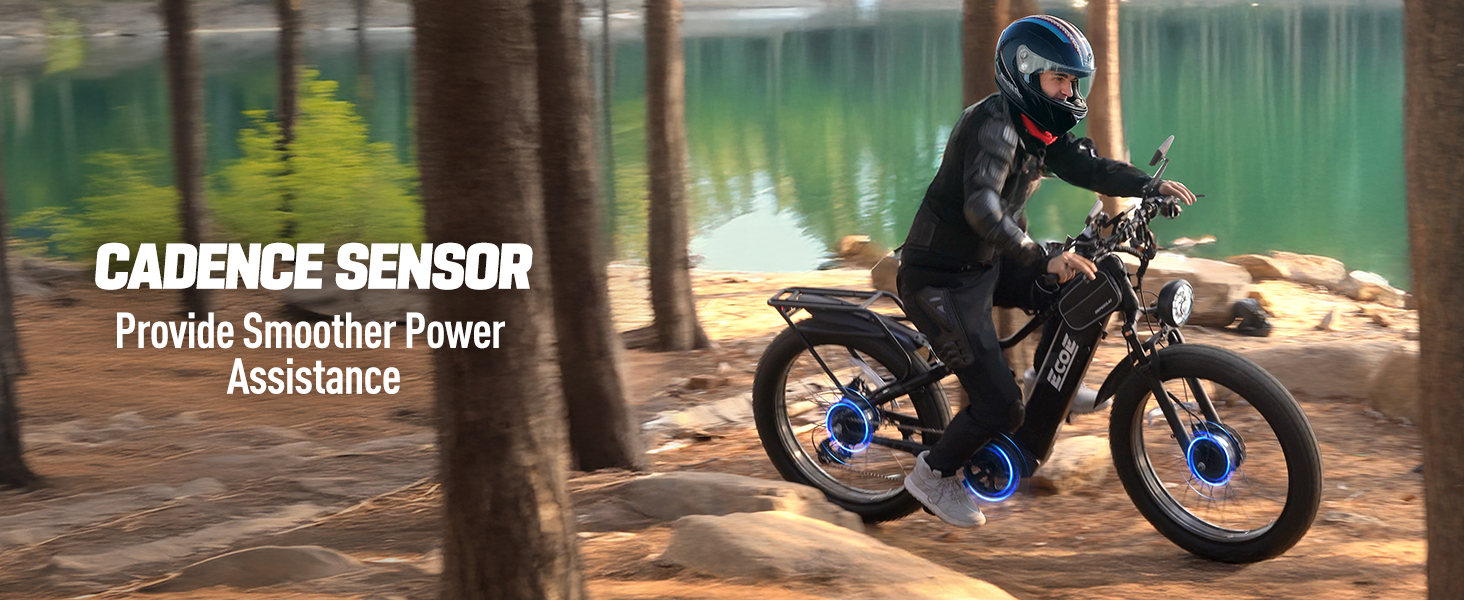
As the morning mist over Monterey Bay had yet to dissipate, I witnessed a three-act play of contemporary commuters: Wall Street elites checking financial reports through waterproof phone cases, retired geography teachers securing rock specimens on reinforced shelves, and my rangefinder recording the 37th set of data on Ecoe’s headlight mount. This is perhaps the magical realism of electric bicycles—behind every technical parameter lies an unwritten epic of survival.
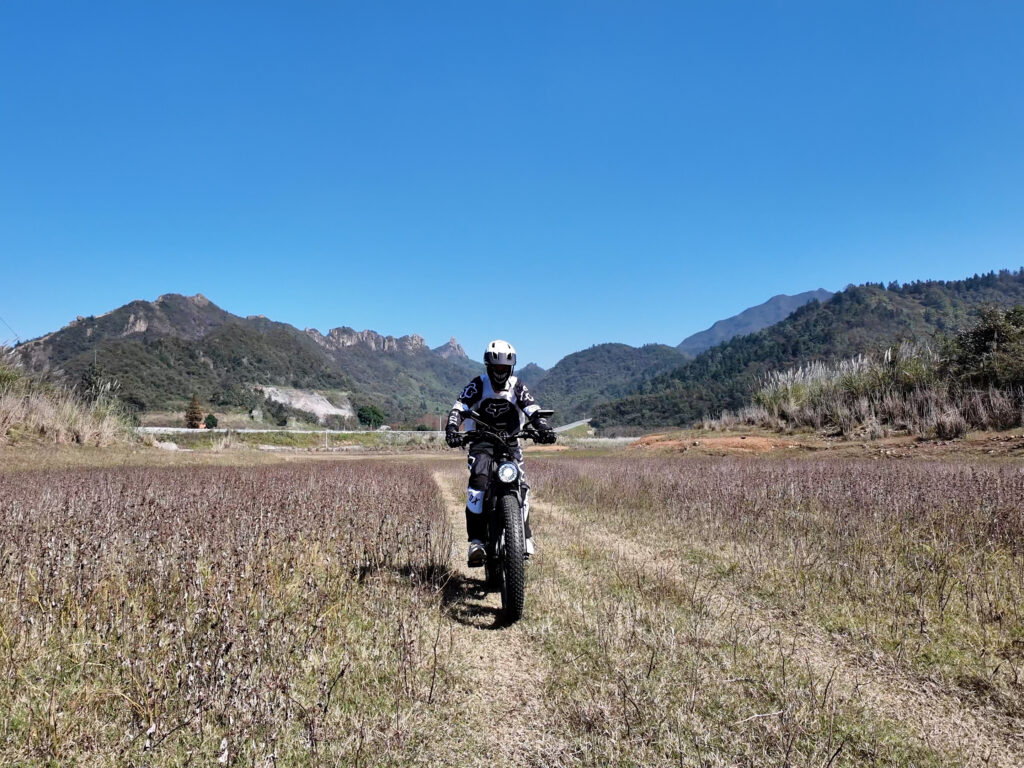
Deconstruction of Evaluation Dimensions
We have established a unique “Five-Dimensional Compass” evaluation system:
- Power Heart (Motor Efficiency and Emotional Feedback)
- Range Philosophy (Battery Capacity and Spatial-Temporal Perception)
- Suspension Poetics (Terrain Adaptability and Psychological Healing)
- Accessory Ecosystem (Expansion Possibilities and Sociological Significance)
- Dusk Index (Aesthetic of Metal Fatigue After Three Years)
Power Heart: The Wilderness Call of the 60V 5000W Motor
When testing Ecoe’s brushless motor in the Mojave Desert, the power curve flickering on the dashboard eerily resonated with NASA’s published solar wind data. The violent aesthetics of this 60V 5000W power system lie in its ability to maintain a stubborn charge, akin to Santiago in The Old Man and the Sea, while other models slow down on a 15° slope. The log of Seattle postman Joe is quite convincing—”On the night I delivered emergency medicine, the torque output in the heavy rain was more reliable than adrenaline.”
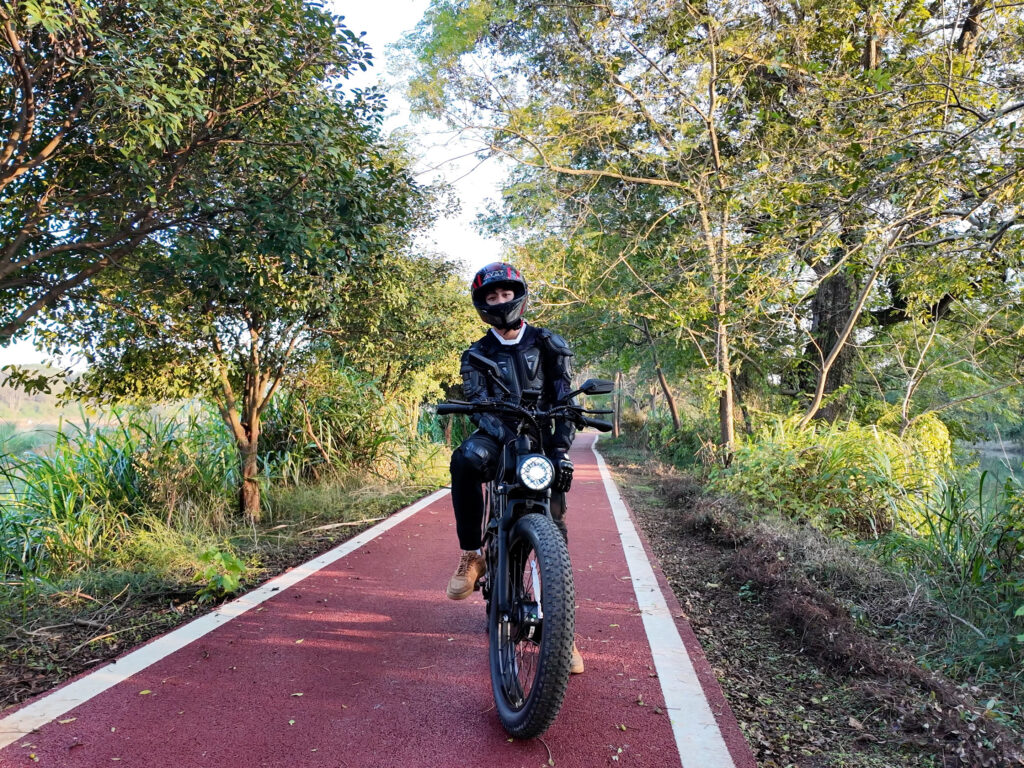
Range Philosophy: The Temporal Fold of the 32AH Battery
Ecoe’s 32AH battery has a degradation rate in zero-degree environments that is 22% lower than the industry standard. In Minnesota, this data has evolved into a modern fable among ice fishermen: “It always sneaks five blues-song lengths into the temporal cracks when you calculate the remaining mileage.” In comparative tests, while competitors’ LCD screens display “battery depleted,” Ecoe’s backup battery compartment is still playing the 1972 Apollo 17 moon landing recording. In a way, this is the most elegant satire of “range anxiety.”
Suspension Poetics: The Psychological Revolution of Dual Suspension
When Ecoe’s 26-inch fat tires roll over the broken pavement of the Bronx in New York, its dual suspension system reveals astonishing sociological value. The findings of neuroscientist Laura Young are shocking: subjects’ heart rate variability improved by 18% when facing life stress after riding. This perhaps explains why a Brooklyn poet would write a haiku about the suspension’s amplitude: “Steel breath / Measuring the asphalt’s / Psychotherapy progress.”
Accessory Ecosystem: The History of Civilization on the Rack
The evaluation team has created these miracles on Ecoe’s expandable rack:
- Secured a delivery room monitor (Denver midwife Kate)
- Transported a Van Gogh replica (Amsterdam art student)
- Carried a mobile library (Tokyo Retired Teachers’ Alliance)
That waterproof phone case, often overlooked by many, became an emergency sterile operating table for a doctor in an Alaskan blizzard. These metal brackets, like extracorporeal organs of modern civilization, quietly restructure the symbiotic relationship between humans and cities.
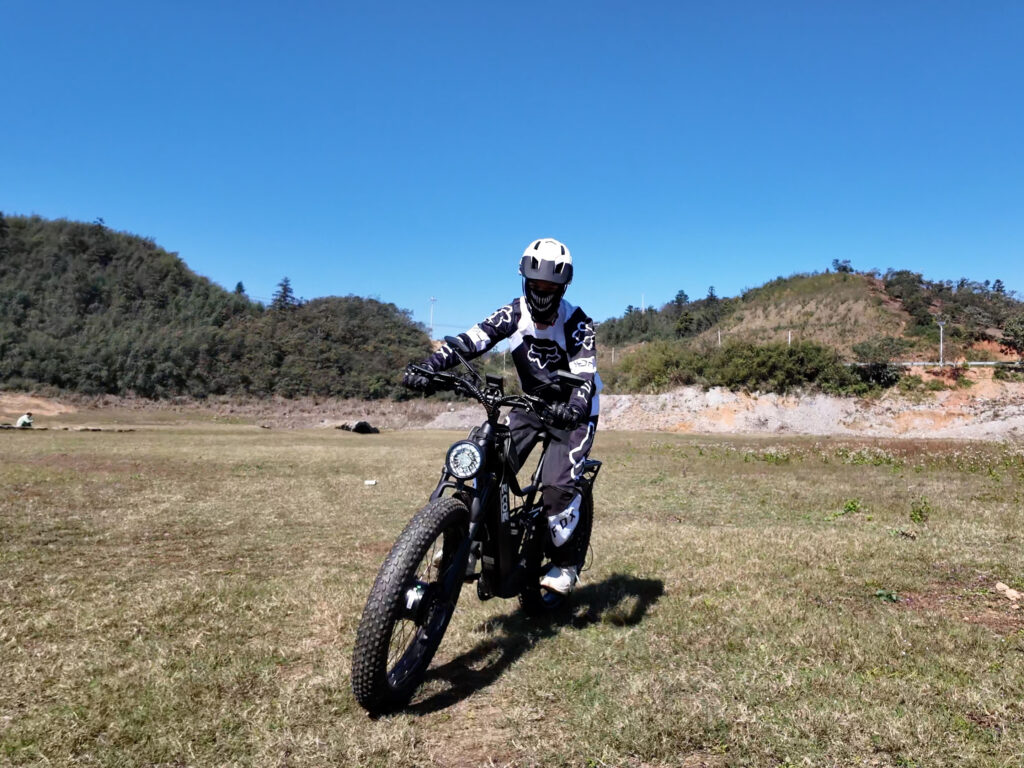
Dusk Index: The Temporal Code of 6061 Aluminum Alloy
Three years of tracking data show that Ecoe’s 6061 frame exhibits corrosion resistance in salt fog tests, much like the bronzed skin of Hemingway’s old fisherman. More intriguingly, as the years of use increase, the inevitable minor scratches form a unique light refraction spectrum—on the Toronto second-hand market, some people specifically collect these “metal wrinkles” to create digital artworks.
Horizontal Comparison: Starlight in the Data Fog
| Dimension | Ecoe Electric Bike | Competitor A | Competitor B |
|---|---|---|---|
| Peak Torque | Like the Sustainability of Whale Songs | Cheetah-like Burst | Bee-like Stability |
| Accessory Expandability | Sociological Laboratory | Modular Lego | Minimalist |
| Three-Year Residual Value | 82% (with Story Premium) | 76% | 68% |
| Dusk Surprise Index | Metal Fatigue Art Exhibit | Regular Decay | Random Failures |
As we disassembled the ninth test model on Route 66 at four in the morning, starlight suddenly illuminated the laser engraving inside Ecoe’s frame—it turned out to be the rotational frequency of a pulsar. This is perhaps the poetic paradox of modern consumerism: we think we are choosing a means of transportation, but in reality, we are fishing for our own units of time and space in the gaps between steel and silicon. Next time you check the smart dashboard, listen to the cosmic echoes in the motor’s vibration: the 60V voltage drives not only the wheels but also the untamed imagination of the wilderness.
Leave a comment
Please note, comments need to be approved before they are published.
当前文章评论已关闭。
-
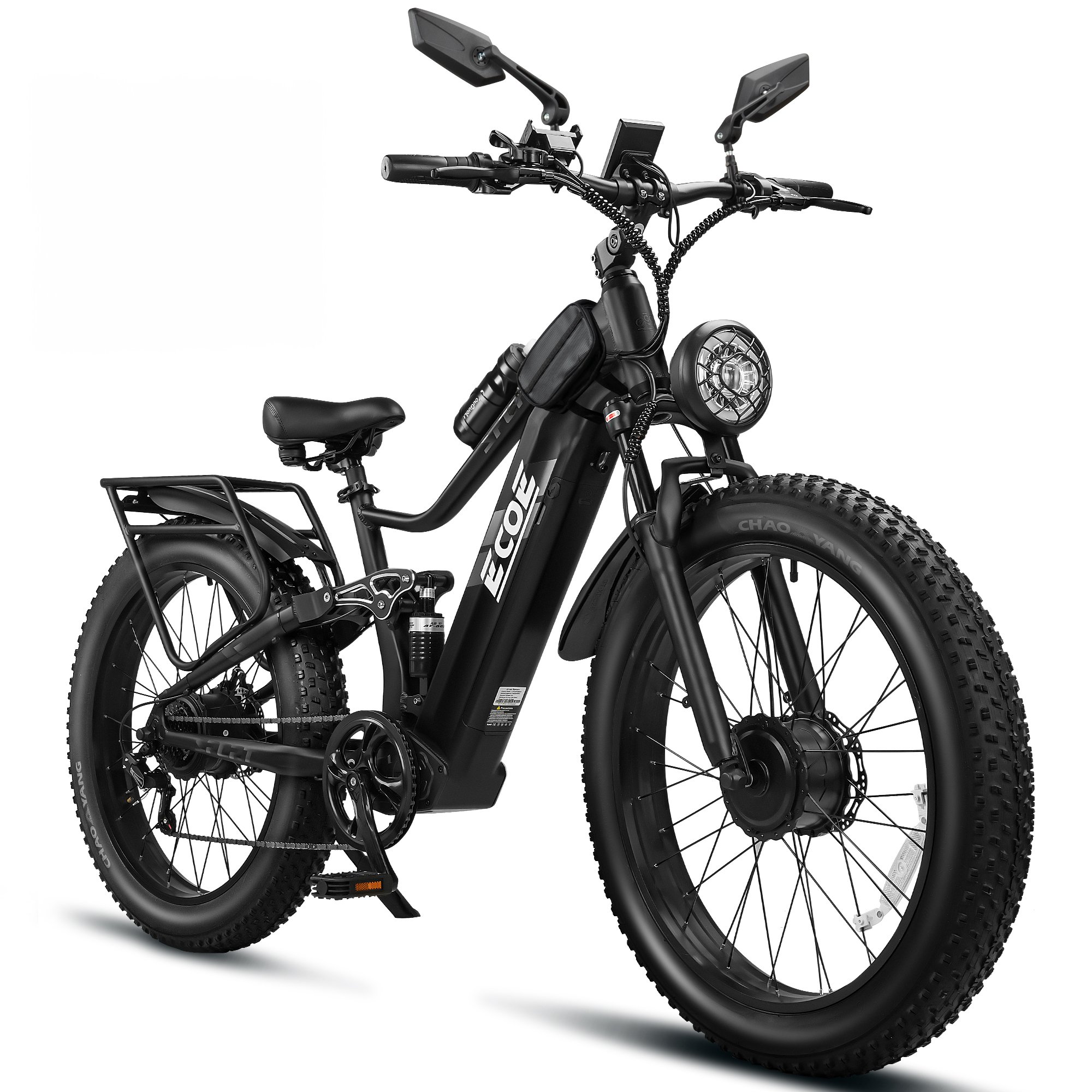
EcoE 9000W Dual Motor Electric Bike for Adults 52MPH 60V32A, 26×4 Fat Tire All Terrain Ebikes, Full Suspension E Bike, SHM 7-Speed Gear Electric Bicycle 9000W-60V
From$1,329.00 Add to cart-
10000W Dual Motor Electric Bike for Adults 52MPH with Charge Voltage 63v Battery, 26×4 Fat Tire All Terrain Ebikes, Full Suspension E Bike, SHM 7-Speed Gear Electric
From$1,699.00 Add to cart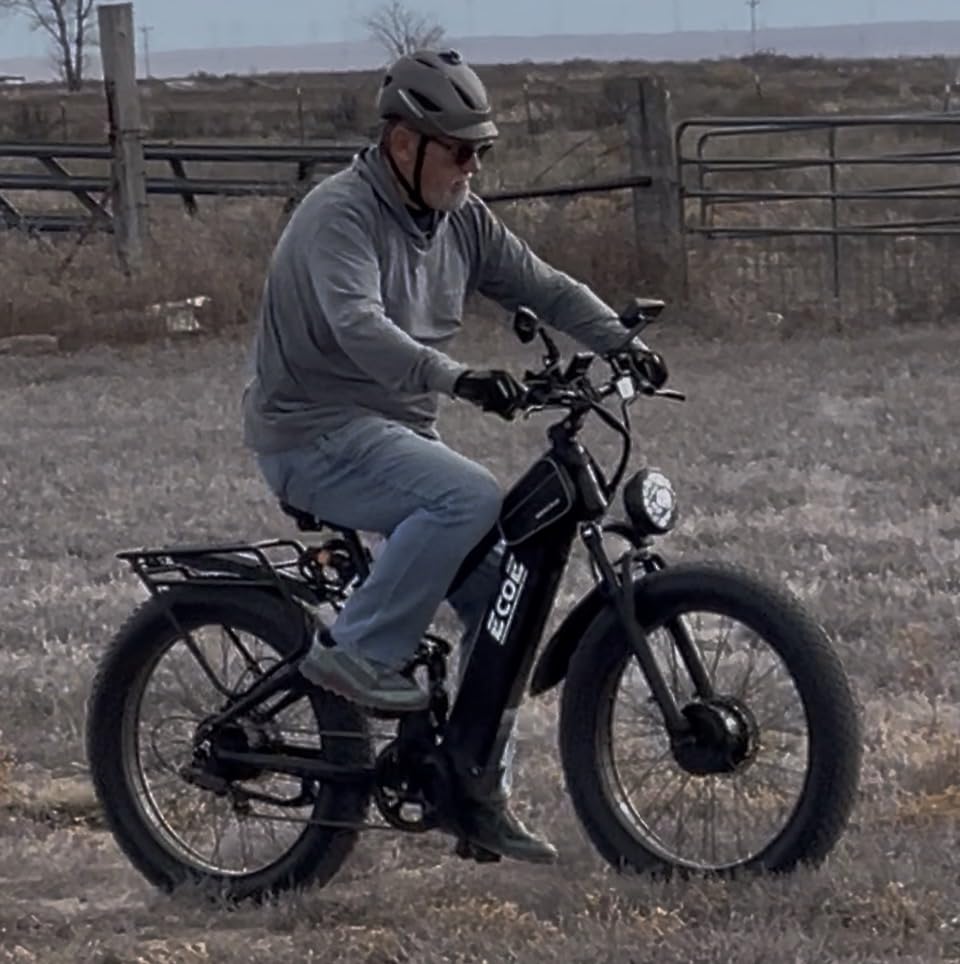
Aim Your EcoE Headlight: See the Route Without Dazzling Others
Meta Description: Check EcoE headlight aim against a wall, confirm the mount is secure, and verify the beam on a low-risk route without dazzling others. Introduction A headlight can be bright and still be poorly aimed. Pointed too high, it may shine directly into the eyes of riders, drivers, or pedestrians. Pointed too low, it may illuminate little more than the pavement immediately ahead of the tire. A quick EcoE headlight check helps create a useful balance: enough forward illumination to understand the route while keeping the beam considerate of everyone around you. Quick Answer Park the EcoE on level ground facing a plain wall, center the handlebars, and check where the brightest part of the beam falls. Make adjustments only through the approved light mount and make sure the light remains secure afterward. Then verify the beam at low speed in a legal, low-traffic area before returning to normal night riding. Start With a Repeatable Wall Check Use the same distance and tire position each time you compare adjustments. Before moving the light, take note of its original angle so you have a clear reference point. The goal is a controlled forward beam, not simply aiming the light as high as possible. Follow the light manufacturer’s instructions and any applicable local requirements for beam cutoff, light color, and mounting position. A consistent wall check also makes it easier to recognize when the beam has shifted after riding over rough surfaces. Check the Mount Before the Beam Even a well-aimed headlight is not useful if the bracket moves while riding. With the EcoE turned off, look for visible looseness, cracks, pinched wires, or interference with the handlebars and controls. Avoid overtightening unfamiliar hardware, as excessive force can create other problems. If the mount cannot hold its position securely, fix the […]
Read more
Windblown Plastic Ahead: Keep It Out of an EcoE Wheel and Drivetrain
Meta Description: Handle windblown bags or film near an EcoE by slowing early, leaving space, avoiding a last-second kick, and inspecting only after a safe stop. Introduction A lightweight bag, piece of packaging film, or loose ribbon can drift across the road and suddenly lift with the next gust. If it reaches a wheel, brake area, or drivetrain, it can become tangled around moving components. For an EcoE rider, the safest approach is not to predict exactly where the debris will move. Instead, create enough space to avoid it and give yourself time to respond calmly. Quick Answer Spot windblown debris early, check the surrounding traffic, and reduce speed while maintaining a predictable line. When lawful and practical, pass with plenty of clearance. Do not try to kick, grab, or make a sudden steering movement to avoid a moving bag. If the material contacts the electric bike, find a safe place to stop before checking the affected area. Watch the Wind, Not Only the Object Windblown debris rarely moves in a perfectly predictable path. Flags, leaves, passing vehicles, and gaps between buildings can give you clues about changing wind direction. On a windy day, give lightweight debris extra room, especially around passing vehicles where air movement can change suddenly. Avoid putting yourself between the debris and a curb, parked vehicle, or active traffic lane. A few extra moments of distance can give you more options than a last-second maneuver. If the Plastic Touches the Electric Bike Stay calm and keep your hands away from rotating components. Ease off the power and maintain a stable line. If the electric bike is still responding normally, apply the brakes progressively and move toward a safe stopping area. If you notice unusual noise, resistance, vibration, or a change in steering, do not try to […]
Read more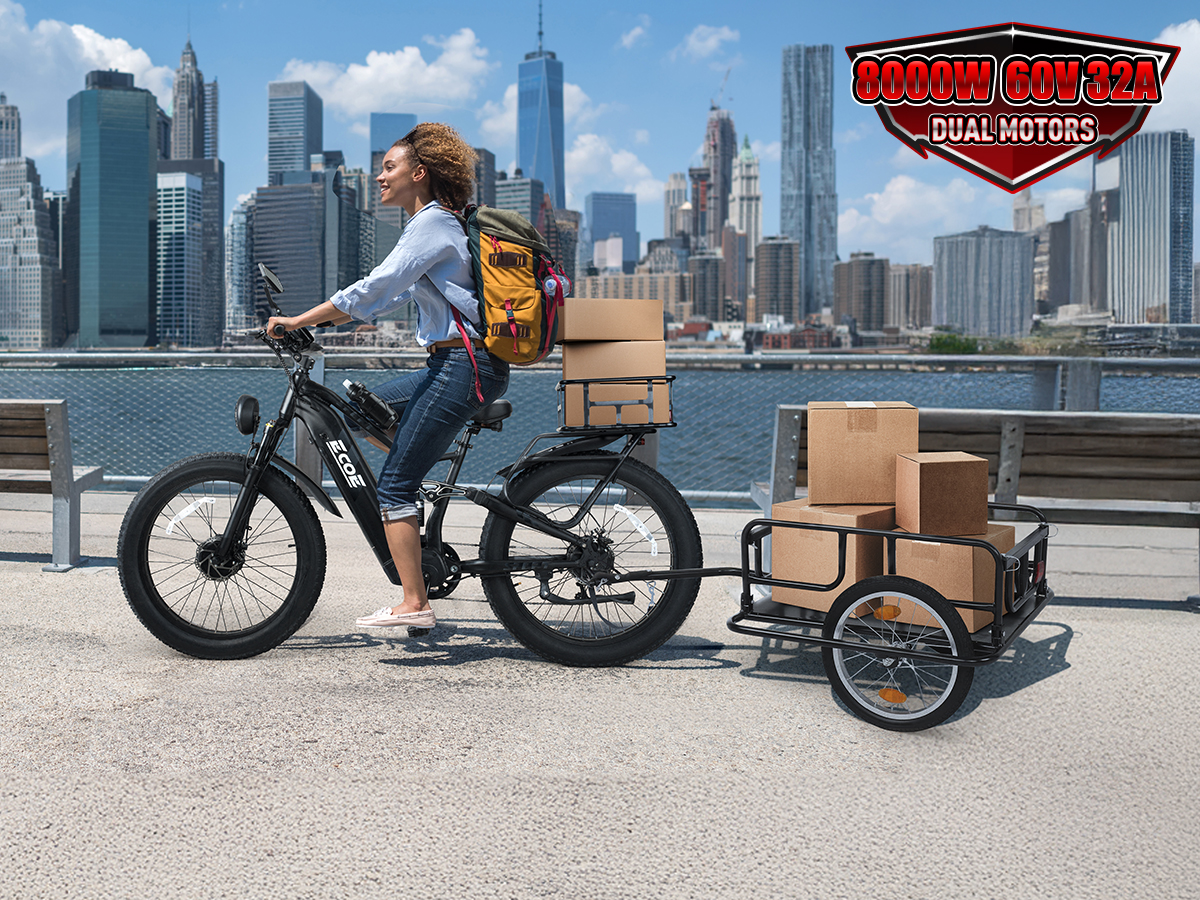
EcoE Courtesy-Wave Trap: Verify Every Lane Before Crossing
Meta Description: When a driver waves an EcoE rider through, verify signals, every lane, sightlines, and legal priority instead of treating the gesture as clearance. Introduction A stopped driver may smile and wave an EcoE rider across a driveway or intersection. The gesture may be friendly, but that driver controls only one vehicle. Another lane, turning vehicle, cyclist, or pedestrian may still be hidden from view. Traffic signals, signs, road markings, and right-of-way rules also remain in effect. For EcoE riders, the useful habit is simple: acknowledge the courtesy, then verify the entire crossing yourself. Quick Answer Acknowledge the driver if appropriate, but do not enter solely because of the wave. Check the signal, signs, road markings, pedestrians, and each traffic lane independently. Move only when your movement is legally permitted and the complete path is visible. If you cannot verify the crossing, wait or choose another route. Understand What the Wave Really Tells You A driver waving may simply be communicating that they intend to remain stopped. That gesture does not mean the driver can: Treat the wave as information about one vehicle, not as clearance for the entire road. Rebuild the Hidden View Large vehicles can hide a second lane, a turning vehicle, or someone approaching from the sidewalk. Stop where you remain visible and scan around the obstruction without rolling into the conflict area. Look for movement beyond the vehicle before committing to the crossing. If the view remains blocked, do not allow the waiting driver’s gesture to pressure you forward. Staying put may be the clearest decision until the path opens. Handle Pressure Without Rushing The driver may continue waving or appear to be waiting for you to go. That can create an uncomfortable feeling that you are holding up traffic. You do not need to […]
Read more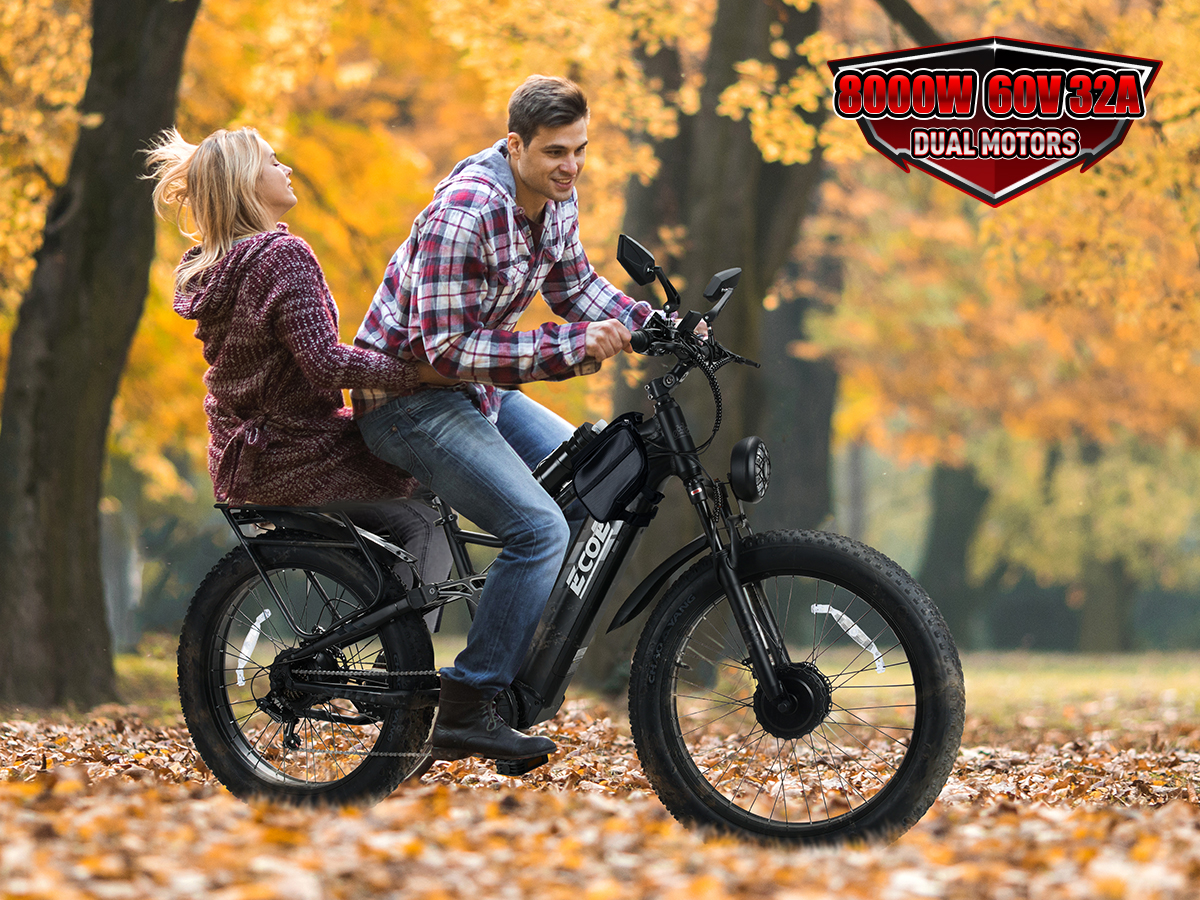
Using a Two-Stage Turn Box on an EcoE: A Lawful Left-Turn Alternative
Meta Description: Learn how to recognize and use a two-stage bicycle turn box on an EcoE while following markings, signals, pedestrian priority, and local traffic rules. Introduction Some intersections provide a marked two-stage turn box that allows bicycle riders to complete a left turn in separate steps. Instead of crossing multiple lanes at once, the rider travels straight, enters the waiting area, faces the new direction, and continues when the next signal permits. Because designs and regulations vary by location, EcoE riders should always understand the markings and signals before using the facility. Quick Answer Confirm that the turn box matches your intended direction before entering. Move into the box only during the permitted movement, stop within the marked area without blocking pedestrians or other riders, then reposition for the next stage. Wait for the signal controlling your new direction. If the layout is unclear or does not provide a confident path, choose another lawful turning method. Recognize the Complete Layout A two-stage turn box is part of a larger intersection design. Before reaching it, look for: Do not assume a painted area has a specific purpose based only on its color or location. Some spaces may serve different users or movements. Read the intersection early so you have enough time to choose a predictable path without making sudden changes. Stage One: Enter Without Cutting Across Follow the marked route and reduce speed before entering the intersection area. Yield to pedestrians and other road users who have priority. Enter the turn box under control, stop fully if required, and remain within the designated waiting area. Avoid a late diagonal movement across traffic. A smooth, predictable approach gives other road users more time to understand your intention. Stage Two: Follow the New Signal Once inside the box, adjust your position toward […]
Read more
EcoE at Bus Stops: Yield Through Boarding and Pull-Out Conflicts
Meta Description: Approach bus stops on an EcoE by reading passengers, bus signals, curb space, and local lane rules before choosing to wait, pass, or reroute. Introduction A bus stop can change from quiet curb space to a crowded crossing within seconds. A bus may pull toward the curb, passengers may step across a bike lane, and another vehicle may attempt to pass at the same time. For EcoE riders, the safest approach is to slow down and read all three movements before deciding whether to continue, wait, or reroute. Quick Answer Reduce speed before reaching the stop and keep your brakes ready. Watch for turn signals, opening doors, waiting passengers, and marked bike-lane bypasses. Yield as local rules require. Never squeeze between a bus and the curb, and do not pass until the path ahead is visible and legally clear. Read the Bus Before the Gap An open space beside a bus can disappear quickly when the bus moves toward the curb or begins pulling away. Watch for: Do not rely only on where the bus is at that moment. Stay in a predictable position where the driver and waiting passengers have the best opportunity to see you. If the bus is still moving, boarding, or preparing to leave, give yourself more time rather than trying to squeeze through a temporary opening. Expect People to Cross the Bike Space Passengers may be focused on the bus door, luggage, children, mobility aids, or finding their way onto the sidewalk. They may not notice an approaching EcoE rider immediately. Give pedestrians plenty of space and yield where required. Even if someone appears to have seen you, remain prepared to stop. An audible warning does not guarantee that a person will react as expected. Your goal should be to create enough time […]
Read more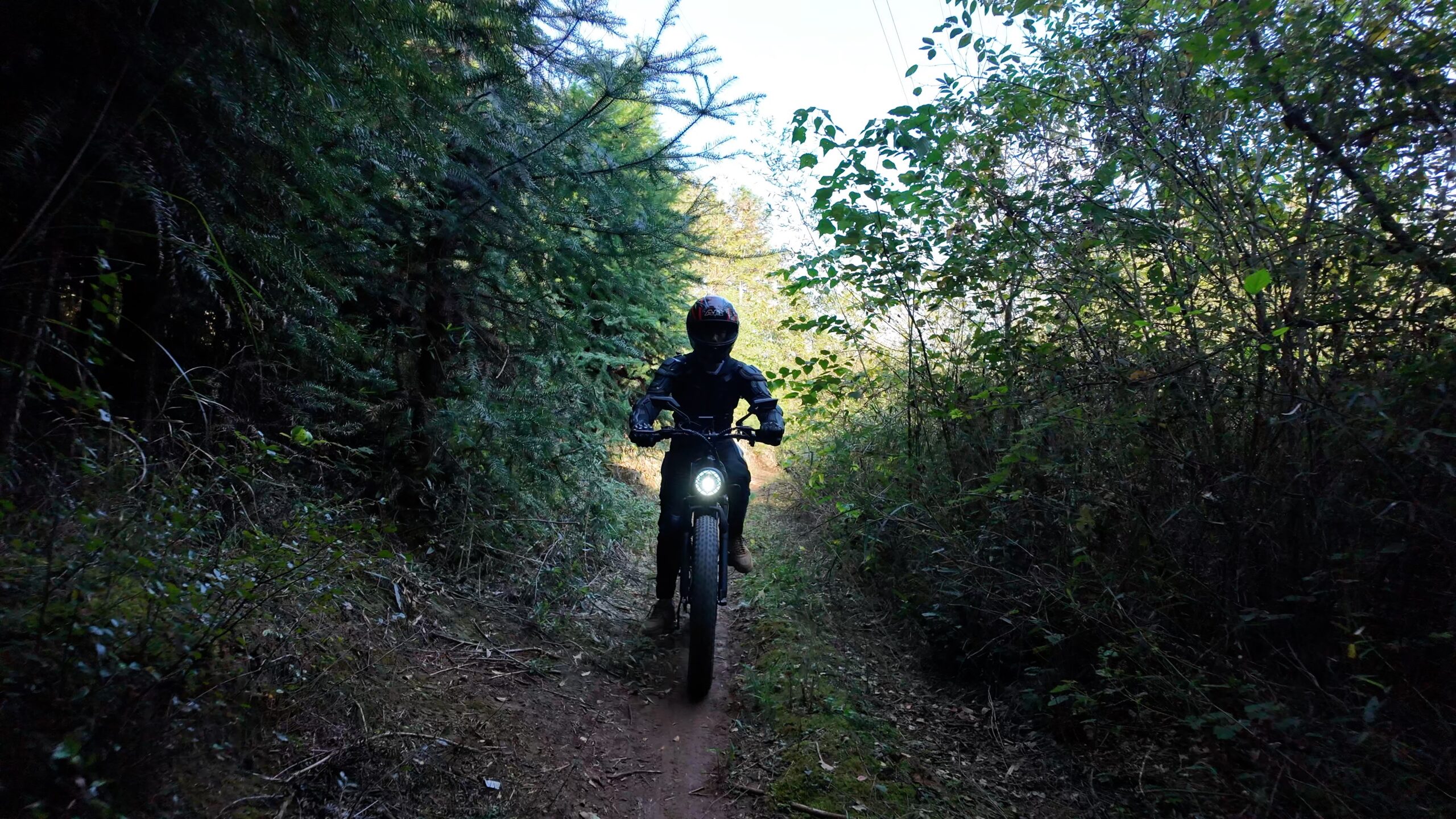
EcoE Irrigation Runoff Check: Handle a Wet Stripe on an Otherwise Dry Road
Meta Description: Read sprinkler runoff on an EcoE by checking its source, slowing before the wet stripe, staying upright, and watching for hidden algae, mud, or debris. Introduction A road can be completely dry until a lawn sprinkler or damaged irrigation line sends water across one section of pavement. That isolated wet stripe may carry soil, fertilizer residue, algae, or fine gravel, making it less predictable than the dry pavement around it. For EcoE riders, the important habit is to recognize the change early rather than assuming a small patch of water is harmless. Quick Answer Identify where the water comes from and how far it spreads. Slow down while you are still on dry pavement and look for the clearest, shallowest crossing. Keep the EcoE upright with smooth steering and steady control. Avoid hard braking, sharp turning, or sudden acceleration while crossing the wet area. If you cannot determine the depth, surface condition, or road edge, do not force the crossing. Read the Source, Not Just the Shine The appearance of water can tell you only part of the story. A light spray from a lawn sprinkler may create a different surface from water flowing continuously from a ditch or broken irrigation line. Look for clues such as: Running water may also carry loose material toward low points. That means the middle of the wet area is not necessarily the cleanest place to cross. Take a moment to understand the source and surrounding surface before choosing your line. Cross With One Calm Motion Make your main speed and direction adjustments before the front tire reaches the water. Choose a straight, visible path and keep your steering smooth. Use gentle, consistent control rather than making sudden motor or braking inputs. Look toward the dry exit instead of staring directly at […]
Read more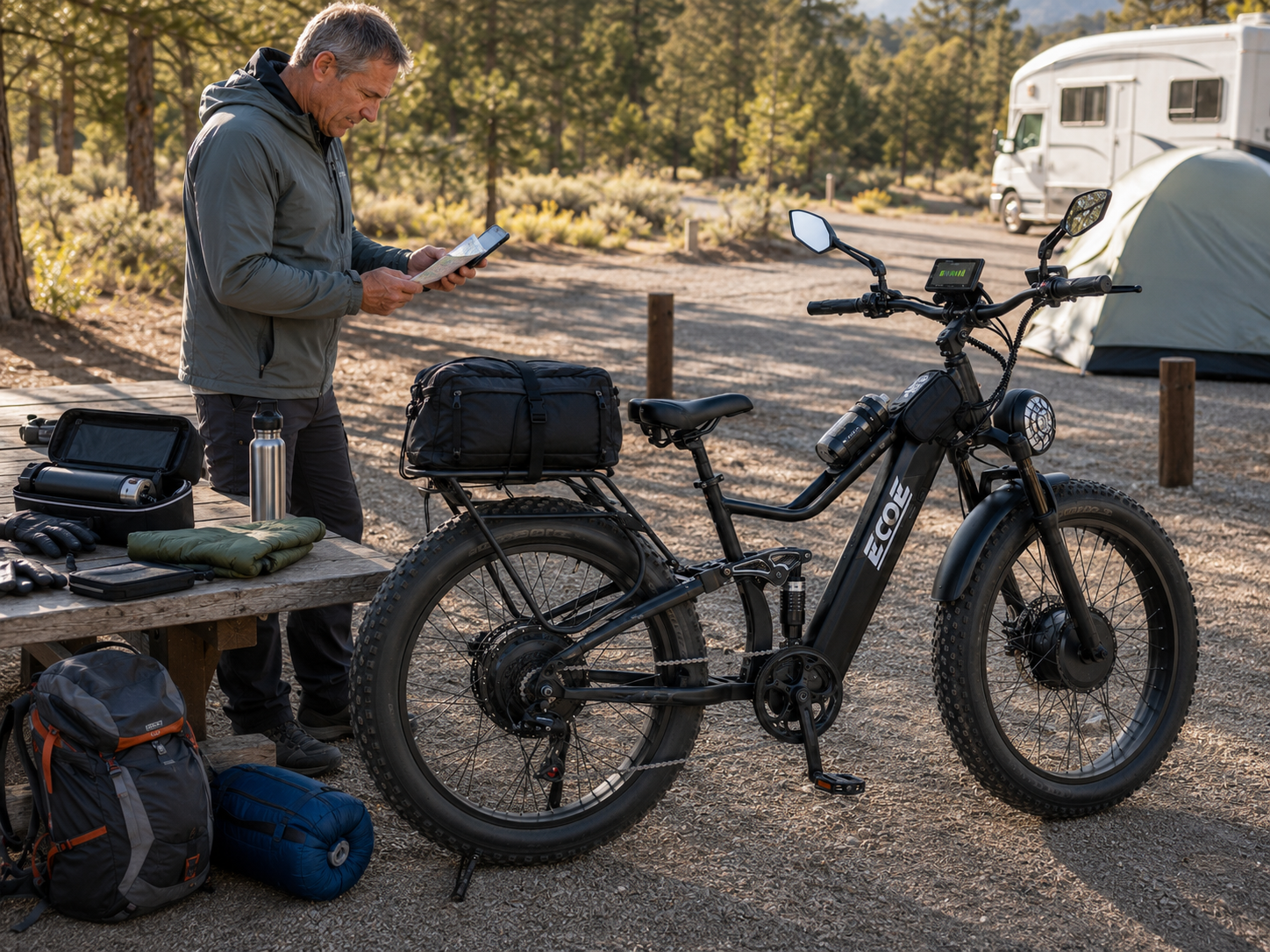
Fresh Grass Clippings on the Road: An EcoE Line-Choice Routine
Meta Description: Approach fresh roadside grass clippings on an EcoE by spotting hidden hazards early, slowing down, and choosing a clear, visible riding line. Introduction After roadside mowing, fresh grass clippings can spread from the shoulder into the travel lane. What looks like a thin layer of green may contain loose gravel, small branches, or other debris underneath. Moisture can also make the surface less predictable. For EcoE riders, the key is to recognize the debris early and choose the cleanest available line before reaching it. Quick Answer Look ahead and determine how far the grass clippings extend. Reduce speed while you are still on clean pavement and avoid the thickest, wettest, or most uneven sections whenever possible. If you need to cross a narrow layer of clippings, keep your steering smooth and use gentle power. If avoiding the debris would require an unsafe move into traffic, wait for a clear and lawful opportunity rather than making a sudden swerve. Look for What the Grass May Hide Fresh grass does not always reveal what is underneath. Before reaching the affected area, look for: A light layer may be easier to manage than a thick pile, but appearance alone cannot guarantee traction. Pay particular attention to turns and road edges, where clippings may collect in deeper layers or hide changes in the pavement. Make Your Riding Decisions on Clean Pavement Speed and direction are easier to adjust before entering the contaminated section. Reduce speed early, choose your line, and keep the EcoE more upright while crossing the debris. Avoid sudden braking, sharp steering, or strong acceleration while the tires are on the clippings. Once both tires return to visible, consistent pavement, reassess the road before returning to your normal pace. The goal is simple: make the important decisions before the surface […]
Read more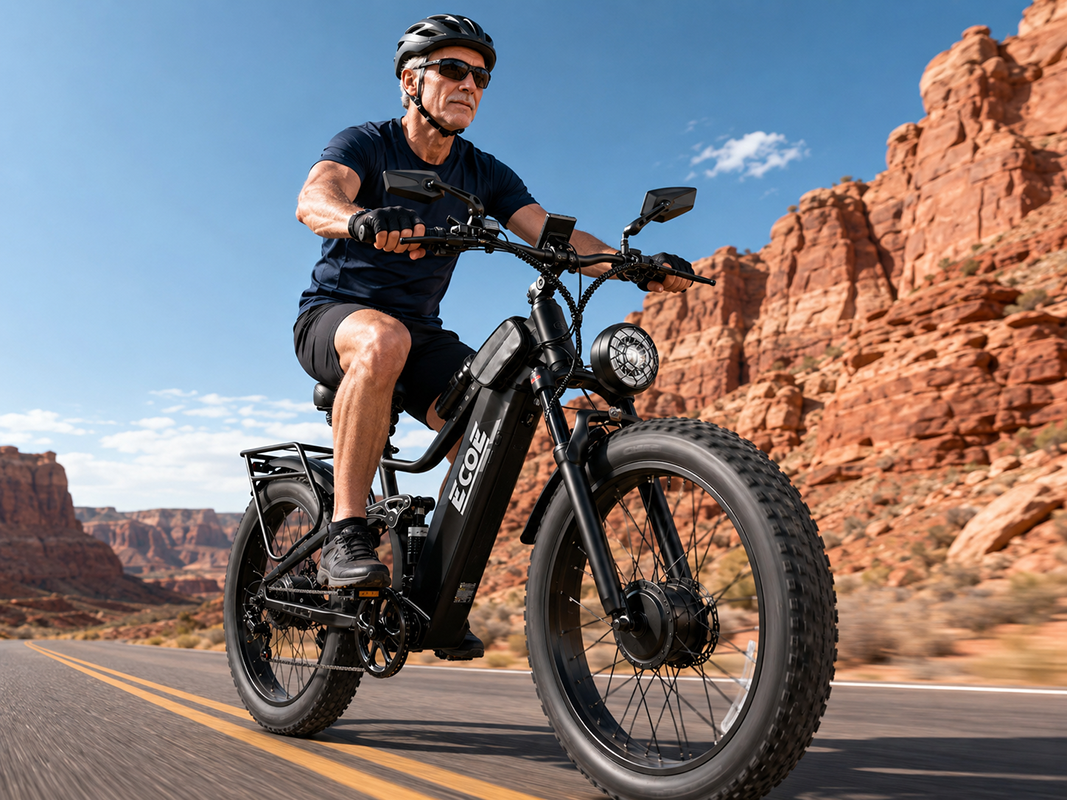
EcoE Rumble Strip Escape Plan: Cross Grooves Without a Panic Swerve
Meta Description: Use an EcoE rumble strip plan with an early traffic check, controlled speed reduction, a deliberate crossing angle, and a stable return to the lane. Introduction Rumble strips are designed to alert drivers through vibration and sound, but they can feel unexpected when an electric bike reaches them. A rider who drifts toward the road edge may instinctively try to swerve away. That sudden reaction can create a bigger problem if traffic is nearby. For EcoE riders, the better approach is to stay calm, assess the road, and make one controlled movement at a time. Having enough space and visibility makes it easier to cross the grooves without losing a predictable line. Quick Answer Hold your line, check surrounding traffic, and reduce speed smoothly without making an abrupt steering movement. When there is a clear and lawful path, cross the rumble strips at a deliberate angle rather than following the grooves. Keep the handlebars steady and allow the tires to move across the textured surface before making another position change. Separate the Vibration From the Decision Rumble strips can create considerable noise and vibration. That sensation may feel more dramatic than the actual movement of the bike. Do not allow the sound or vibration to trigger a rushed maneuver into traffic or loose shoulder material. Instead: The vibration is information about the road surface, not a reason to panic. Choose a Clean Crossing Angle If you need to move across a rumble strip, plan the movement before reaching the grooves. Check behind you and signal when appropriate. Look for enough space to establish a clean crossing angle while remaining within a legal and suitable riding position. Avoid combining several major inputs at once. Hard braking, strong acceleration, and sharp steering can make the crossing less predictable. A smoother […]
Read more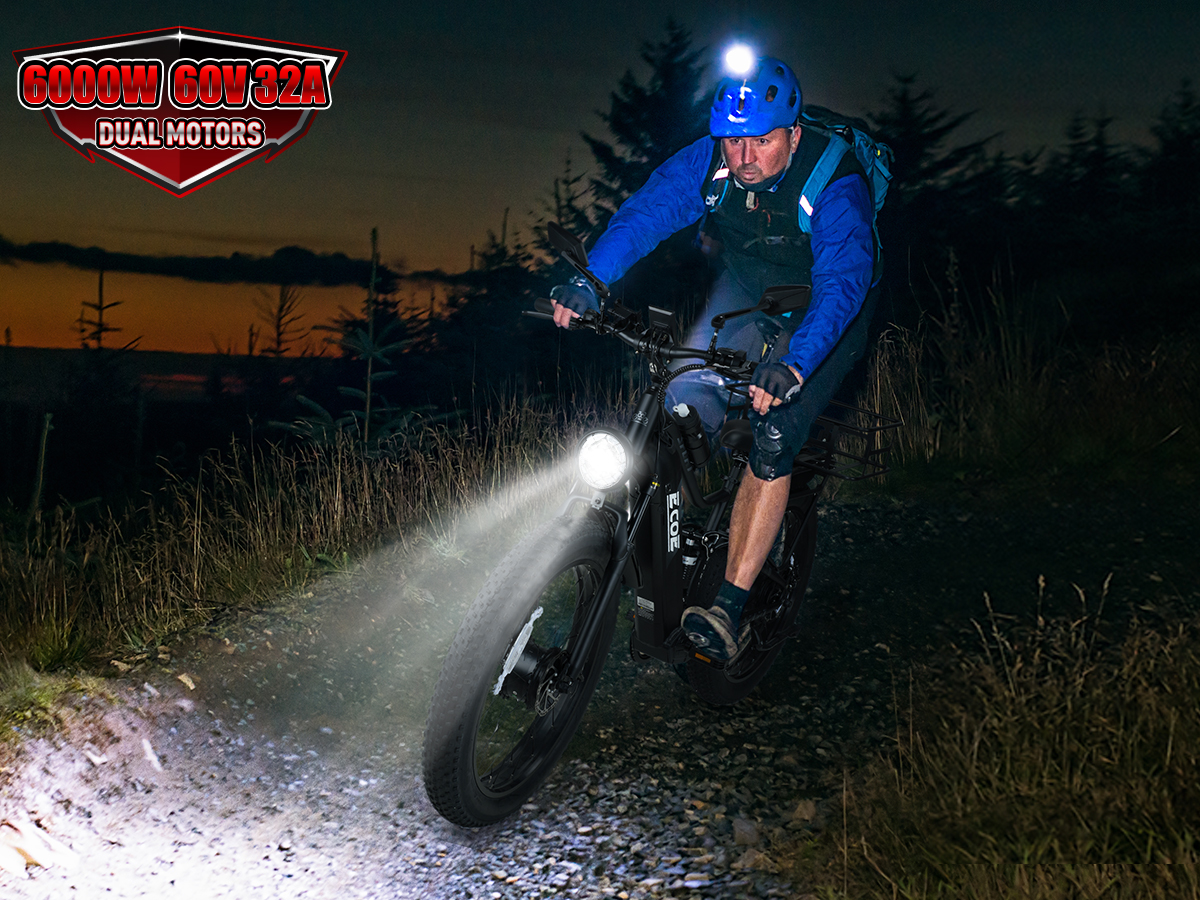
EcoE Tar Snakes: How to Cross Asphalt Crack Sealer With Better Control
Meta Description: Cross asphalt crack sealer on an EcoE with early speed control, a clean approach, smooth steering, and extra caution in hot or wet conditions. Introduction Dark repair lines that stretch and twist across asphalt are often called tar snakes. They may look like ordinary pavement, but their texture and grip can change with temperature, rain, age, and the material used for the repair. For EcoE riders, these lines are best treated as small surface changes rather than something to ignore. A little preparation before reaching the repair can make the crossing more predictable. Quick Answer Spot asphalt crack sealer early, reduce speed while still on normal pavement, and choose a line that crosses the repair rather than following it lengthwise. Keep steering, braking, and power inputs smooth while the tires are on the repaired surface. If the material looks glossy, soft, raised, or uneven, slow down further and give yourself more room to react. Read the Repair Pattern Early Not every tar snake creates the same challenge. A single repair line crossing the road is different from a dense network of crack sealer spread across a corner. Look beyond the front tire and consider where the bike will enter and leave the repaired area. When conditions allow, crossing the repair at a clean angle can reduce the amount of time the tire travels along the narrow strip. Avoid making unnecessary steering corrections while the tire is directly on the repair. Planning your line before reaching the material is easier than trying to change direction at the last moment. Keep Your Controls Smooth Finish most braking before reaching the repair whenever possible. Once the tire is on the crack sealer, maintain a steady path and avoid sudden changes in power or steering. Keep a relaxed grip on the handlebars […]
Read more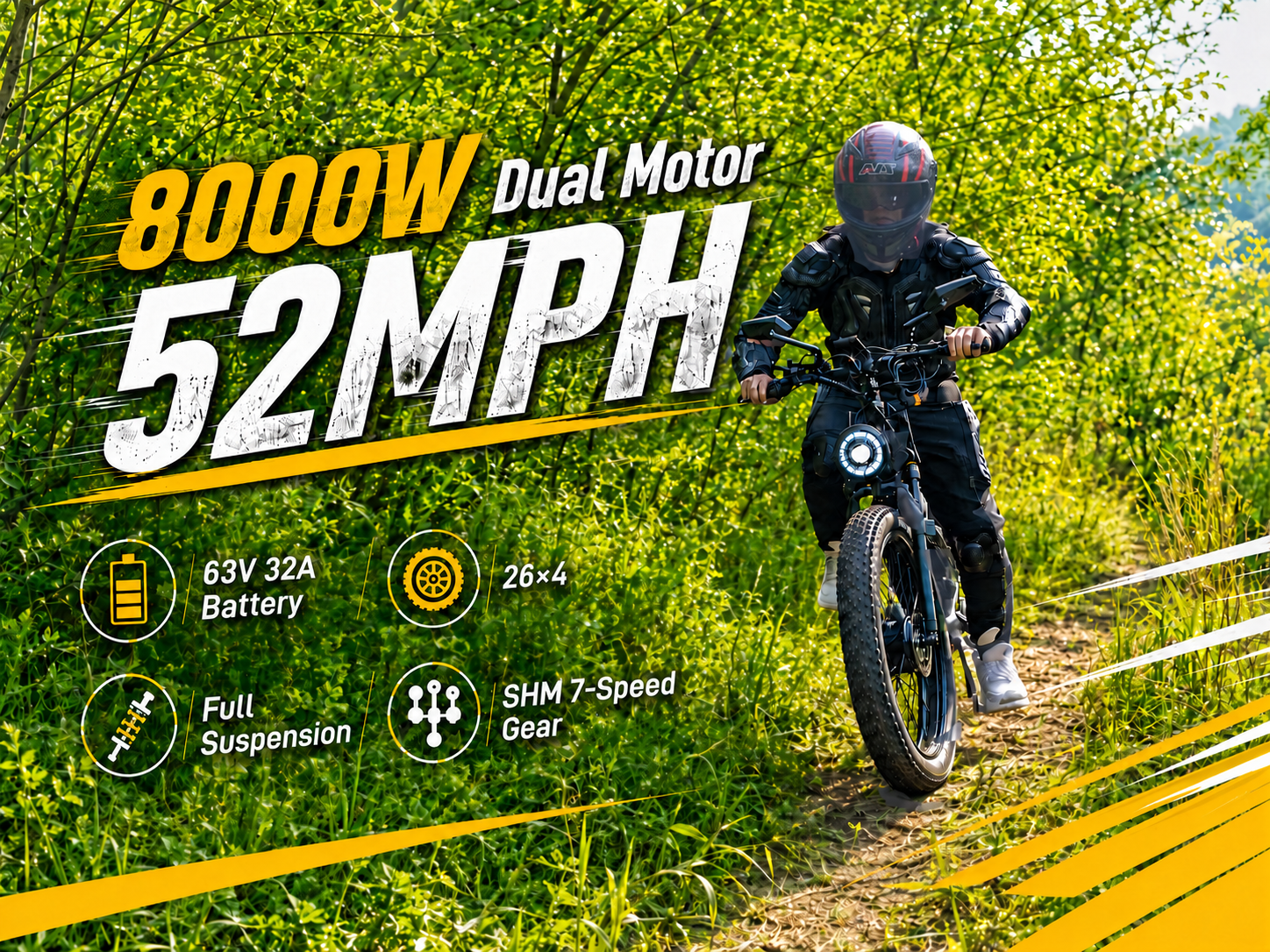
EcoE Siren Response: Make Space for Emergency Vehicles Without an Abrupt Move
Meta Description: Learn how to respond to emergency vehicles on an EcoE electric bike by identifying siren direction, checking surroundings, yielding predictably, and restarting safely. Introduction A siren can appear suddenly during a ride. Sometimes the sound arrives before the emergency vehicle is visible, and buildings, parked cars, or other surroundings can make the direction difficult to judge. For EcoE riders, the safest response is not a sudden reaction. Swerving, rushing through an intersection, or stopping without checking the surroundings can create confusion for everyone nearby. A calm sequence helps: Hear the siren → Locate the vehicle → Check surroundings → Create space → Restart carefully Quick Answer When an emergency vehicle approaches: Do not make a sudden move that places you or another road user in a more dangerous position. Locate the Source Before Moving A siren does not always reveal the exact location of an emergency vehicle. Before changing position: Avoid assuming the vehicle is coming from the direction where the sound seems strongest. Urban areas can create echoes that make the source difficult to judge. If you are unsure, reduce speed and keep your movements predictable until you understand the situation. Create Space Where It Is Visible The best place to yield is a location where emergency responders can clearly pass. Before moving: Follow local emergency vehicle rules and any instructions from responders or traffic officers. The goal is not simply to move away. The goal is to create a clear and predictable path. Wait Until the Area Is Clear Emergency situations may involve more than one vehicle. An ambulance, fire vehicle, or police vehicle may be followed by additional responders. Remain alert after the first vehicle passes: Do not immediately accelerate into the space created after the emergency vehicle passes. Confirm that normal traffic movement has […]
Read more0
-