Mar 31, 2025
Innovative Electric Bikes for Adults: Technology Trends and Future Insights

The technology of electric bicycles is rapidly advancing, and the modern urban dwellers’ demand for smart transportation is fueling the rise of innovative designs. From more efficient battery technology to intelligent interconnectivity systems, electric bicycles are undergoing a technological revolution. We have delved into the latest trends in electric bicycles and, combined with the real experiences of cyclists worldwide, explored how these technologies will impact future urban transportation. In this process, we have also taken note of the innovative contributions of brands like EcoE Electric Bike in promoting green travel.
Looking back at electric bicycles from just a few years ago, most were merely simple combinations of a motor and battery, offering limited assistance and primarily relying on pedal power. Today, however, high-end electric bicycles on the market are equipped with intelligent control systems, automatic gear shifting, optimized battery management, and can even be remotely controlled via smartphone apps.
Mike, a member of our team who used to commute on a traditional bicycle, recently got an electric bicycle with a smart system. He said, “At first, I thought an electric bicycle was just a regular bike with an added motor. I didn’t expect it to come with features like GPS, remote locking, and automatic speed adjustment. It has completely transformed my commuting experience.”
The introduction of intelligent systems has turned electric bicycles from mere means of transportation into true “smart mobility devices.” For instance, many new models come with adjustable assistance modes that can automatically adjust power output based on the rider’s habits and terrain, saving energy and enhancing riding comfort.
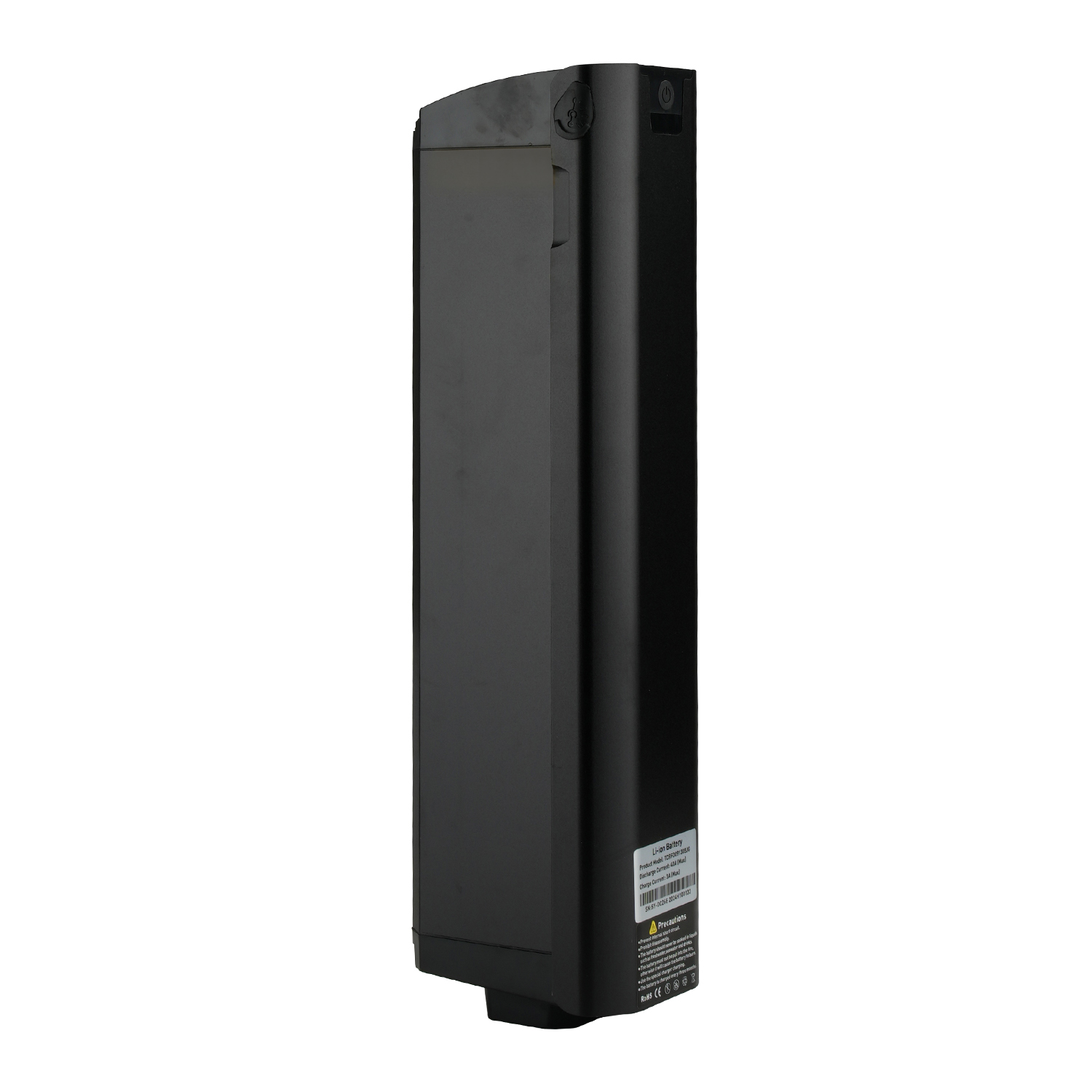
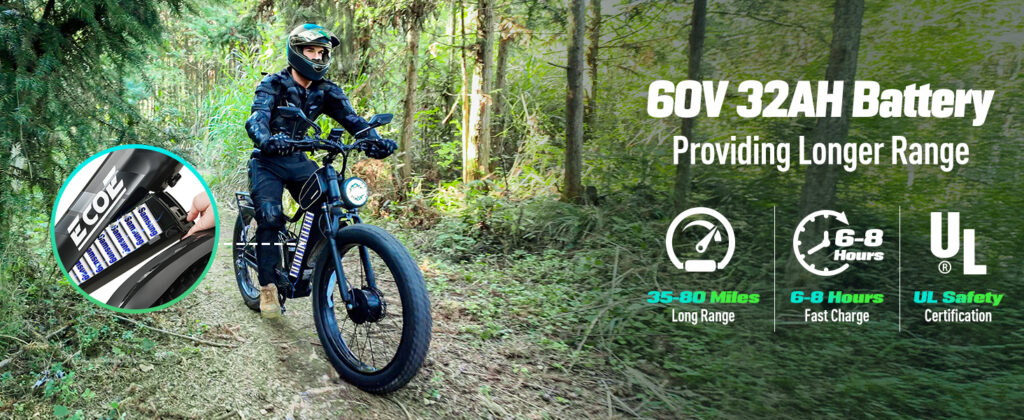
Battery technology is one of the key factors affecting the performance of electric bicycles. In the past, the range of electric bicycles was always a major concern for users. However, in recent years, with the advancement of solid-state batteries and fast-charging technology, battery performance has been significantly improved.
A few years ago, the range of an average electric bicycle was around 30-40 miles. Today, some high-end models can achieve a range of 80-100 miles on a single charge. For example, a cyclist from Los Angeles shared his experience online: “My new electric bicycle uses a high-density lithium battery, which has increased the range by nearly 50% compared to the old model, and the charging time has been halved. It truly achieves ‘charge once and last for days.'”
More importantly, the new Battery Management System (BMS) can monitor temperature, charging speed, and health status, preventing overheating and over-discharge, thereby extending battery life. In the future, we might see fast-charging networks for electric bicycles similar to Tesla’s Supercharger stations, making charging as quick and convenient as refueling.
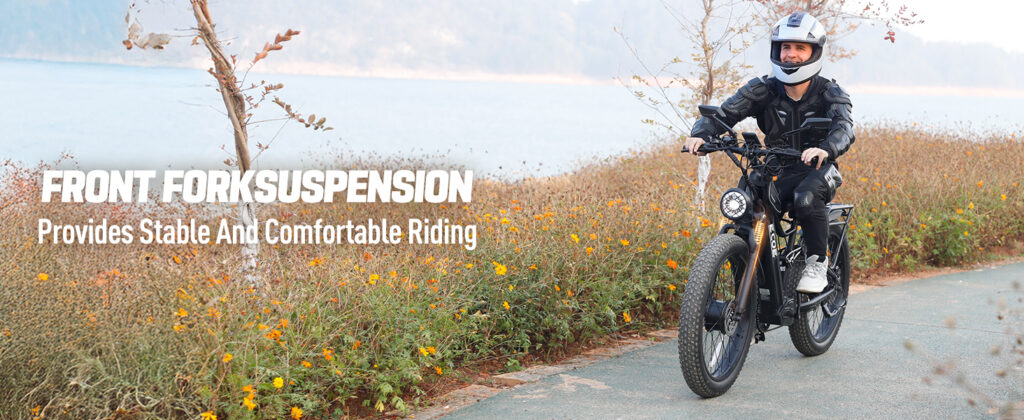
Weight is an important factor affecting the user experience of electric bicycles, especially for daily commuters. Lightweight design can greatly enhance convenience. Traditional electric bicycles mostly used conventional aluminum alloy or steel frames. Nowadays, however, more and more high-end brands are adopting materials like carbon fiber and titanium alloy, reducing the overall weight of the bicycle by over 30% while maintaining the same strength.
We tested an electric bicycle with a carbon fiber frame. Compared to the traditional aluminum alloy model, it was nearly 6 kilograms lighter, yet still felt stable and sturdy during riding. In the urban cycling community, lightweight design has become a standard feature of high-end electric bicycles. Many users have reported: “It’s so much easier to carry it upstairs now, and pushing it around doesn’t feel tiring at all.”
Moreover, foldable design has also become a popular trend. Many new models of electric bicycles support one-touch folding, making it convenient to store in subways, buses, or the trunk of a small car. This improvement greatly enhances the commuting flexibility of electric bicycles, making them truly adaptable to modern urban life.
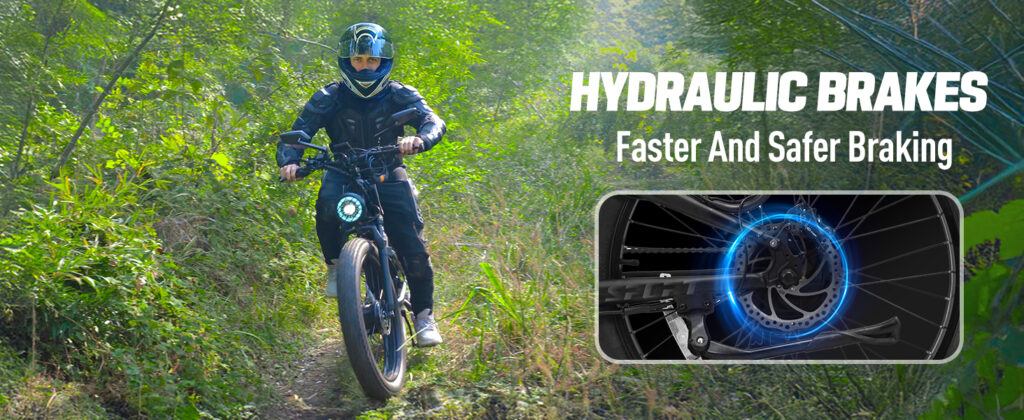
In the past, the only difference between electric bicycles and regular bicycles was the addition of a motor and battery. Now, however, interconnected smart systems are completely transforming this industry. Many new models of electric bicycles already have smartphone app connectivity, allowing riders to check battery levels, adjust assistance modes, set speed limits, and even remotely lock the bicycle to prevent theft.
A cyclist from New York once shared his story on a forum: “One time, I parked my bike outside a coffee shop, and someone tried to steal it. Fortunately, I received an alert on the app and could remotely lock the motor, forcing the thief to give up in frustration.”
In addition to the anti-theft function, the smart interconnectivity system can also provide real-time navigation, cycling record analysis, and automatic cruise control functions, bringing the user experience of electric bicycles closer to that of modern smart cars. Some brands are even beginning to experiment with AI-assisted systems that can automatically adjust power assistance based on the user’s riding habits, further optimizing energy consumption and power performance.
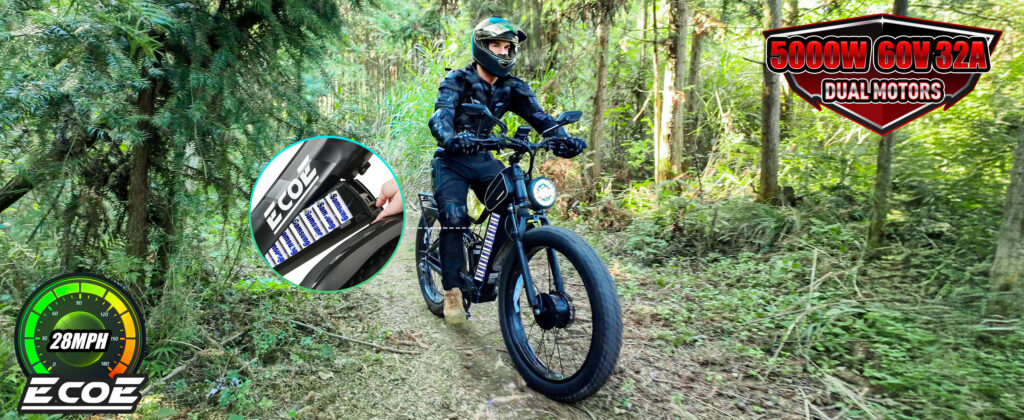
With the continuous advancement of technology, the future development direction of electric bicycles is exciting to anticipate. Based on current trends, we can foresee the following:
Autonomous driving assistance: In the future, there may be electric bicycles equipped with self-balancing systems and even partial autonomous driving functions, enabling “hands-free riding” in specific environments.
Wireless charging technology: If wireless charging technology matures, the charging method for electric bicycles will become even more convenient, and it may even be possible to charge while riding.
Modular design: Future electric bicycles may allow users to freely replace batteries, upgrade motors, and adjust tire types, making customization possible.
Stronger eco-friendly materials: With the push of environmental policies, more brands may use recyclable materials to manufacture frames and battery casings, reducing environmental impact.
In this technological revolution, brands like EcoE Electric Bike are driving the development of electric bicycles towards smarter and more efficient directions. These brands focus not only on performance and design but also on creating sustainable urban transportation.
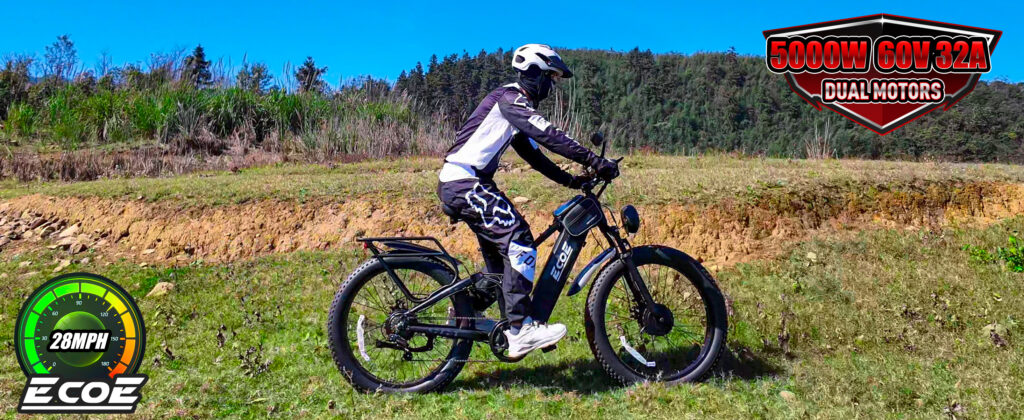
Ultimately, we believe that electric bicycles are not just a commuting tool but a part of the future urban transportation landscape. From smart interconnectivity to more efficient energy management, they are gradually changing our way of getting around, making cycling simpler, greener, and more tech-savvy.
So, are you ready to embrace this smart mobility revolution?
Leave a comment
Please note, comments need to be approved before they are published.
当前文章评论已关闭。
-
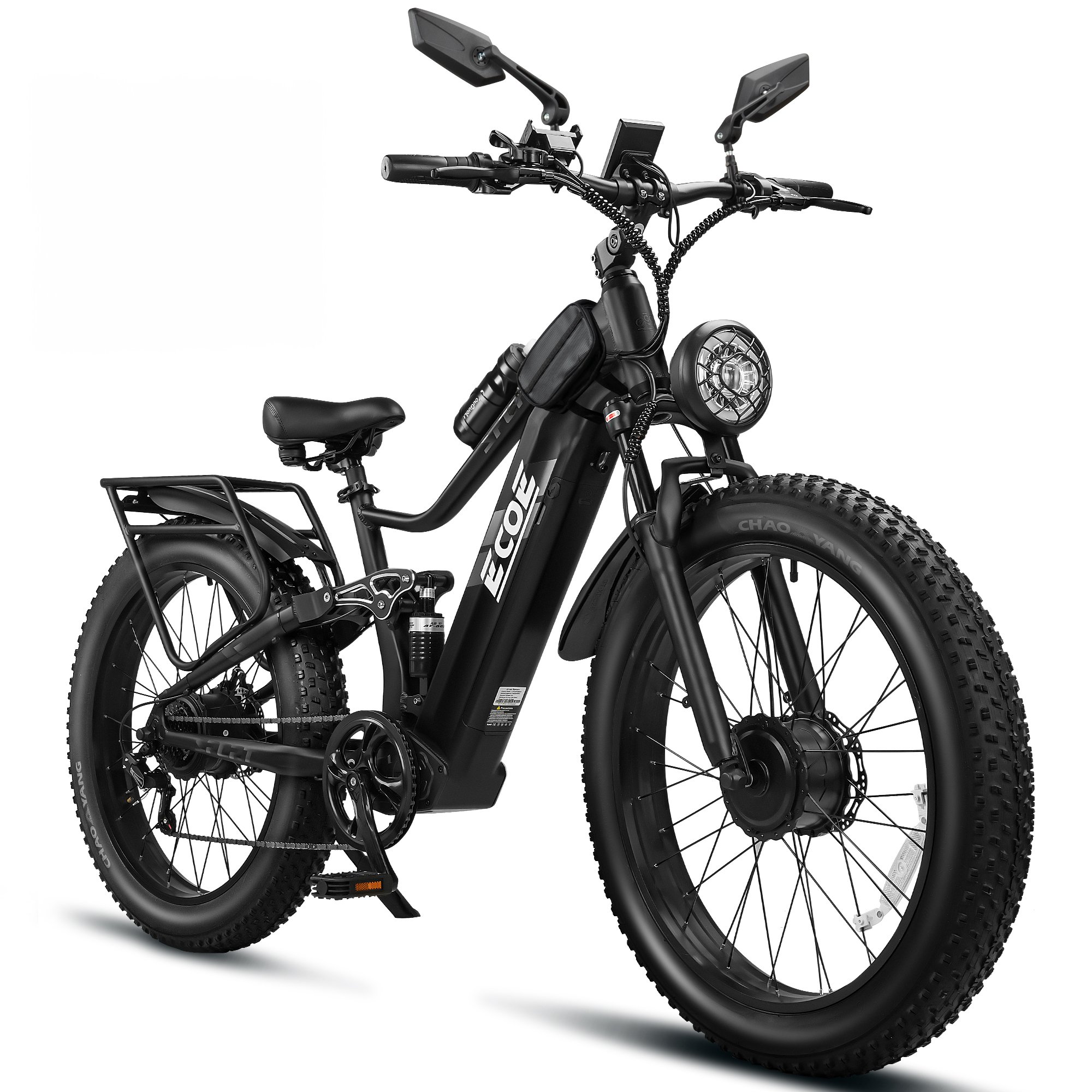
EcoE 7000W Dual Motor Electric Bike for Adults 52MPH Charge Voltage 63 V32A, 26×4 Fat Tire All Terrain Ebikes, Full Suspension E Bike, SHM 7-Speed Gear Electric Bicycle
From$1,599.00 Add to cart-
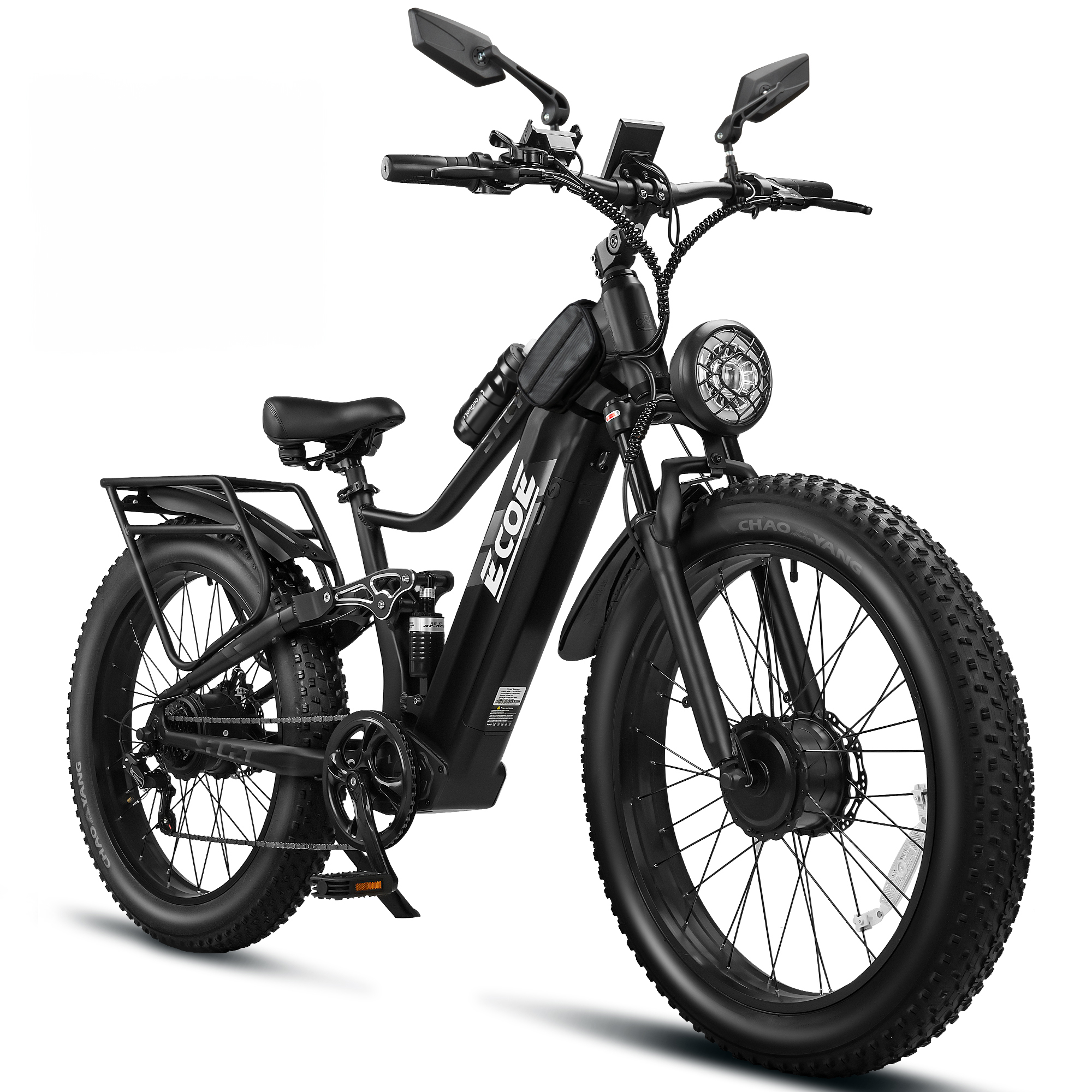
5000W Dual Motor Electric Bike for Adults 52MPH with 60V32A, 26×4 Fat Tire All Terrain Ebikes, Full Suspension E Bike, SHM 7-Speed Gear Electric Bicycle
From$1,449.00 Add to cart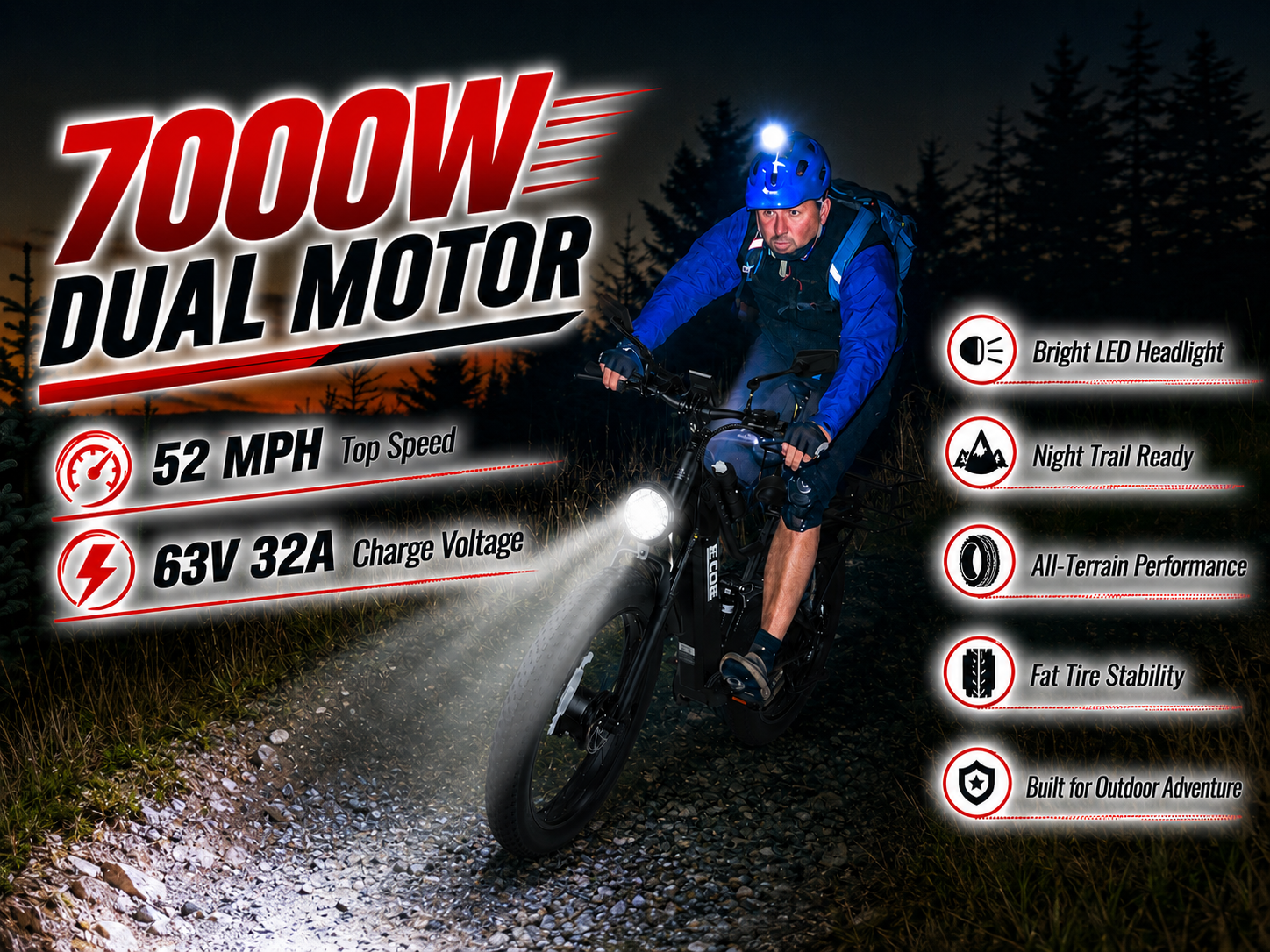
Disc Brakes vs. Rim Brakes: What Every e-Bike Rider Should Know
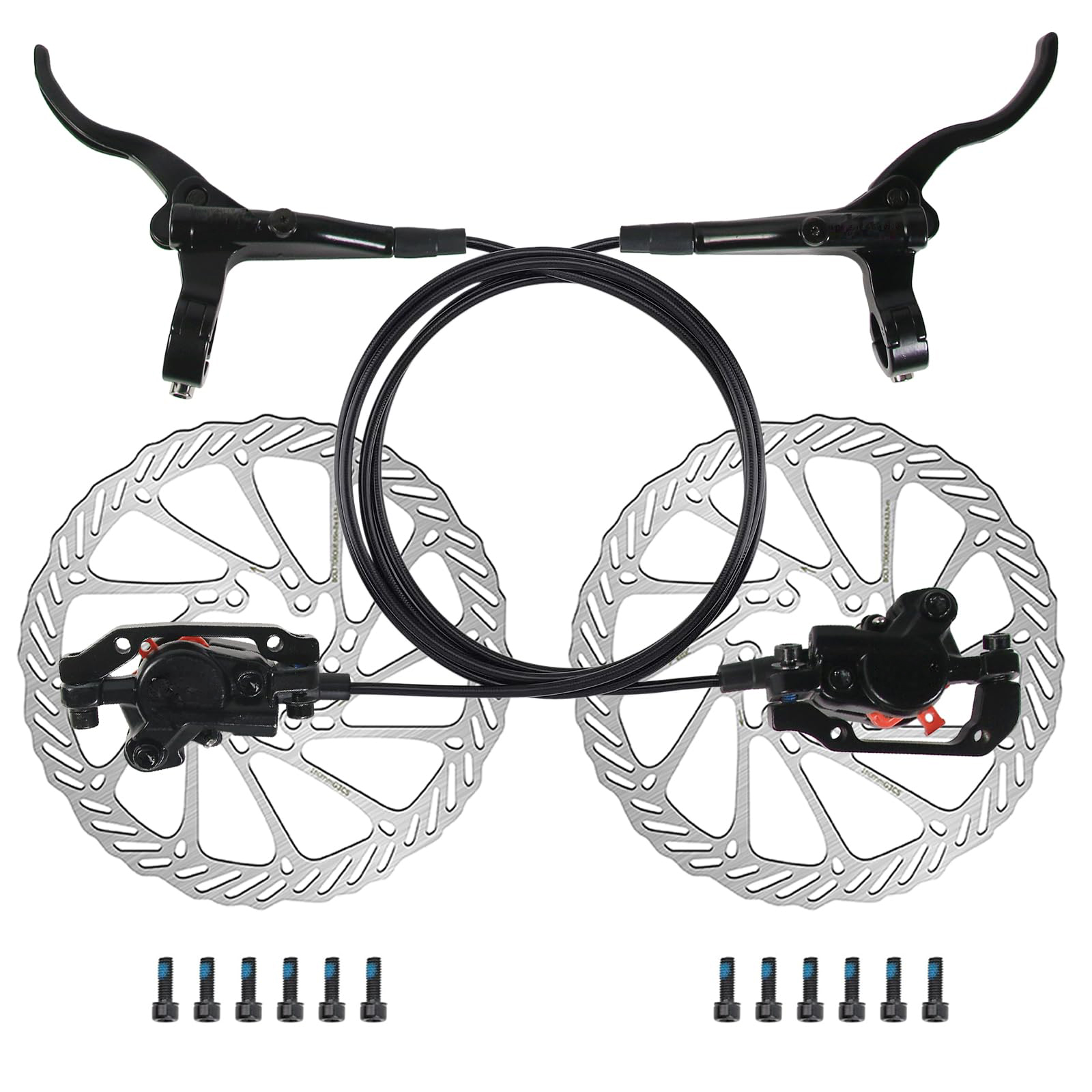
When it comes to electric bikes, braking performance is one of the most important factors for both safety and riding comfort. While traditional bicycles mostly relied on rim brakes, disc brakes have steadily become the go-to option for modern e-bikes. Brands like ecoe focus on equipping their bikes with reliable braking systems to ensure riders can stop confidently in all conditions. In this blog post, we’ll break down the key differences between rim brakes and disc brakes, explain their advantages, and help you decide which brake system fits your riding style. How Brakes Work on Electric Bikes All e-bike brakes operate on the same basic principle: friction. When you pull the brake lever, brake pads press against a braking surface, slowing down your bike. Although both systems rely on friction, the location of the braking surface and the overall mechanics make a big difference in performance, especially on heavier e-bikes or when riding at higher speeds. Advantages of Disc Brakes Disc brakes have become increasingly popular for good reason. Here’s why: 1. Work in Any Weather Because the rotor and caliper are positioned near the wheel hub, disc brakes are less affected by rain, mud, or dirt. Rim brakes, on the other hand, lose efficiency when the wheel rim gets wet, requiring extra lever force and longer stopping distance. 2. Require Less Effort Disc brakes offer stronger stopping power with less hand strength. This reduces muscle fatigue during long rides or on hilly terrain, making every ride more comfortable. Larger rotors can also be added for heavier riders or larger e-bikes, giving even more braking efficiency. 3. More Reliable and Consistent With disc brakes, the stopping power you expect is almost always what you get. Rim brakes can be inconsistent depending on wheel alignment, pad wear, or rim conditions. Disc […]
Read more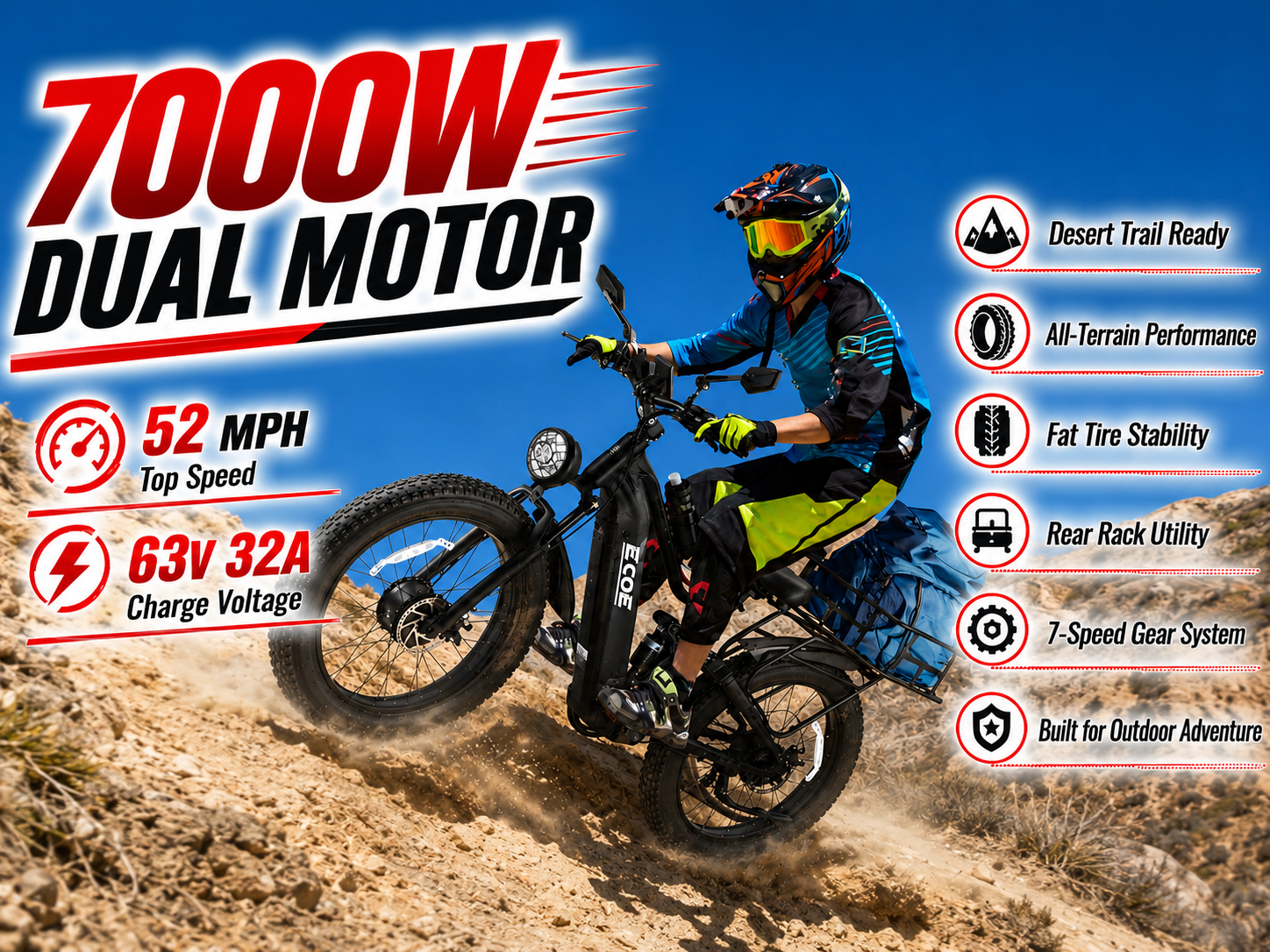
Practical Tips for Avoiding Flat Tires on Your Electric Bike
Few things can ruin a ride faster than a flat tire. Whether you are commuting through the city, exploring trails, or enjoying a weekend ride, a sudden puncture can quickly turn a fun trip into a frustrating situation. On an electric bike, flat tires can feel even more serious because e-bikes are heavier and travel at higher speeds than traditional bicycles. Imagine riding through busy traffic when your tire suddenly loses air. The bike becomes unstable, steering feels harder, and braking distance changes instantly. In crowded areas, this can easily create dangerous situations. The good news is that many flat tires can be prevented with proper tire care and smart riding habits. In this article, we will go through practical and easy ways to reduce the chances of getting a flat tire on your electric bike. Keep Your Tire Pressure at the Correct Level One of the most important ways to avoid flat tires is maintaining proper tire pressure. Tires that are too soft or too hard are both more likely to get damaged. Every electric bike tire has a recommended pressure range printed on the sidewall. This pressure is usually measured in PSI, which stands for pounds per square inch. Following the recommended range helps your tires perform safely and efficiently. Different styles of electric bikes require different tire pressures: Your ideal tire pressure can also depend on factors such as rider weight, cargo load, and riding terrain. Riders carrying heavier loads may need slightly higher pressure for better support. Why Proper Pressure Matters If tires are underinflated, they can compress too much when hitting bumps or potholes. This may pinch the inner tube against the rim and create what riders call a “pinch flat.” On the other hand, overinflated tires become too rigid. They provide less comfort and […]
Read more
How To Test An EBike Controller At Home
Electric bikes have surged in popularity because they make commuting easier, recreational rides more enjoyable, and long journeys less tiring. Unlike traditional bicycles, e-bikes rely on a combination of battery, motor, controller, display, and sensors to provide pedal assist or throttle-powered riding. Among these components, the e-bike controller is one of the most critical. It acts as the brain of the bike, managing communication between the battery, motor, throttle, brake cutoffs, and display. When a controller malfunctions, your bike might refuse to start, lose motor assistance mid-ride, or cut power unexpectedly. However, not every issue is caused by the controller itself. Loose connectors, brake cutoffs, low battery voltage, communication faults, or display errors can mimic controller failure. That’s why testing your controller correctly is key before deciding to replace it. What Is an E-Bike Controller? The e-bike controller is the electronic hub that regulates power flow from the battery to the motor. Think of it as the central command center of your e-bike. It receives input from your throttle, pedal assist sensor, brake levers, speed sensors, and display, then determines how much power the motor needs. Inside the controller are microchips, capacitors, resistors, MOSFETs, and other signal-processing circuits. These components help start the motor smoothly, control speed, monitor safety, and respond to your riding input in real-time. Main Functions of an E-Bike Controller A controller has several critical roles in your e-bike’s operation: Common Signs of Controller Problems Controllers don’t fail often, but when they do, you may notice: Keep in mind that these symptoms may also stem from a weak battery, loose motor cable, water intrusion, damaged wiring, or an engaged brake cutoff switch. Quick Checks Before Testing Before using a multimeter, inspect your e-bike to rule out simple causes: Often, reconnecting a loose cable or resetting the system […]
Read more
The Basics About Electric Bike Motors
Electric bikes are becoming increasingly popular as a convenient, eco-friendly way to commute, explore, or simply enjoy a ride. Whether you’re riding for fun, fitness, or transportation, the motor inside your e-bike plays a crucial role in how smooth, powerful, and efficient your ride will be. Most e-bikes today use either hub motors or mid-drive motors, each with its own advantages. Understanding how these motors work will help you make an informed choice for your riding needs. How an E-Bike Motor Works At its core, an electric motor converts electrical energy into mechanical motion, allowing your e-bike to move with less effort. When you pedal or activate the throttle, the motor generates torque, which spins the bike’s chainring and propels the wheels forward. A key part of this system is the controller, which regulates the amount of power sent from your battery to the motor. This ensures the motor doesn’t spin too fast or draw too much energy, keeping your ride safe and efficient. Some e-bikes include speed limiters to optimize battery life, while others have electronic braking systems that stop the motor when you pull the brakes. Most modern e-bikes offer different riding modes: By combining your own effort with the motor’s assistance, e-bikes make riding more enjoyable and less strenuous. Types of E-Bike Motors The two most common motor types are hub motors and mid-drive motors. Each type interacts with your bike differently and is suited for different riding styles. Hub Motors Hub motors are built into either the front or rear wheel hub. These motors operate independently of your bike’s gears, meaning they provide direct power to the wheel. Hub motors are simpler, lighter, and often more affordable. They are popular among commuters and casual riders because they’re easy to install, maintain, and repair. Pros of Hub […]
Read more
Benefits of Men Riding E-Bikes
As kids, many of us rode bikes without realizing just how much they can benefit our bodies and minds. Cycling is not just a fun activity—it’s an excellent way to boost physical health, improve mental well-being, and bring more joy into everyday life. While both men and women enjoy the perks of cycling, today we’ll focus on the unique benefits of men riding e-bikes and what makes a bike suitable for different riders. Mental and Emotional Benefits Boosts Mental Well-BeingRiding an e-bike can instantly lift your mood. The motion, fresh air, and exercise stimulate the release of natural mood-boosting hormones, making you feel more focused, motivated, and energized. Whether you ride alone or with friends, exploring new trails or city streets can inspire creativity, expand your social circles, and provide a sense of freedom. Cycling is a proven way to reduce stress and combat the low moods that often hold us back. Encourages Adventure and DiscoveryEvery ride is an opportunity to discover new places, enjoy nature, and experience life from a different perspective. With an e-bike, even longer rides feel effortless, allowing men to explore without worrying about exhaustion or timing. It’s a simple way to make daily life more exciting and fulfilling. Physical Health Benefits Strengthens the Immune SystemRegular e-bike rides support your body’s natural defenses, keeping you healthier and more resilient to illness. Spending time outdoors while engaging in light-to-moderate exercise improves overall immunity, reduces the risk of catching germs in crowded spaces, and keeps your body active and strong. Weight Management and Muscle BuildingE-bikes aren’t just for fun—they’re also effective fitness tools. Riding engages major muscle groups, including your glutes, thighs, calves, and core. Over time, regular cycling helps with weight management, tones muscles, and enhances endurance without putting too much strain on joints. Supports Heart and […]
Read more
How to Wash Your Bike After a Ride
Riding an electric bike is one of the most enjoyable ways to get around, explore trails, or commute to work. But just like any valuable tool, your e-bike needs proper care to keep it performing at its best. Washing your electric bike might seem like a simple task, but doing it correctly can extend its lifespan, prevent damage to the motor and battery, and ensure a smooth, safe ride every time. This guide will walk you through everything you need to know about cleaning your e-bike safely and effectively. Why Cleaning Your E-Bike Matters Electric bikes have more components than traditional bikes, including a motor, battery, and electronic controls. Dirt, mud, and grime can build up in hard-to-reach areas, which not only looks messy but can also: Regular cleaning also keeps your e-bike looking new, preserving its value and making every ride feel fresh and safe. When Should You Wash Your E-Bike? The frequency of washing depends on where and how you ride: Quick tip: After a rainy ride, don’t wait too long to clean your bike. Mud and water can settle into the motor area and chain, making cleaning harder later. Essential Tools for Cleaning Your E-Bike Here’s what you’ll need for a safe and effective wash: Having these items ready makes the cleaning process smoother and ensures nothing is overlooked. Step-by-Step Guide to Washing Your Electric Bike 1. Find a Safe Spot Avoid washing your bike on concrete or areas where water can pool near electronics. A garage, driveway, or area with drainage works best. 2. Remove Accessories Take off removable parts like pedals, water bottles, or saddlebags. This allows you to clean every corner without damaging components. 3. Rinse Gently Use a hose with a gentle spray or a bucket of water to remove loose dirt. Avoid […]
Read more
Benefits of Cycling for Men
Cycling is more than just exercise—it’s a lifestyle. For men, riding a bike not only strengthens the body but also brings multiple mental and physical benefits. Whether commuting to work, enjoying a weekend ride, or exploring your city, cycling makes life easier, healthier, and more enjoyable. Key Benefits of Cycling for Men 1. Improves Mental Well-BeingCycling is a mood-boosting activity. Every pedal stroke helps release natural feel-good hormones, giving you more energy and focus for daily life. Riding a bike also allows you to explore new places, meet new people, and expand your social network, reducing stress and negative emotions. 2. Strengthens the Immune SystemRegular cycling activates your body’s natural defenses, keeping you healthier. Compared to spending long periods in crowded public transport, cycling is a safer and more refreshing way to get around. 3. Helps Maintain a Healthy WeightCycling burns calories while being gentle on your joints. Consistent riding helps you shed extra pounds and stay fit, contributing to a leaner, stronger physique. 4. Builds Muscle and Tones LegsCycling strengthens the legs, glutes, and calves, while also engaging your core. Over time, it improves muscle tone and overall stability, giving your body a powerful yet balanced build. 5. Supports Heart Health and Reduces Chronic RisksCycling is a full-body workout that promotes good circulation and cardiovascular health. Regular riding helps reduce the risk of various chronic illnesses, keeping your body in optimal condition. 6. Low-Impact ExerciseUnlike running, cycling is gentle on the knees and joints. It allows for long-term exercise without the risk of joint injuries, making it suitable for riders of all ages. 7. Saves Time in Daily TravelCycling doubles as exercise and a practical mode of transportation. In urban areas, it helps you avoid traffic jams and parking hassles, making your daily commute quicker and more efficient. 8. […]
Read more
E-Bike with Passenger Seat – Complete Guide
Adding a passenger seat to an electric bike opens up a world of convenience, allowing you to carry someone else while riding. Whether it’s a child, family member, or friend, having a seat designed for a passenger transforms your ebike into a versatile, practical mode of transportation. Why You Need a Passenger Seat on an E-Bike Legal Considerations Things to Consider When Buying an E-Bike with Passenger Seat Practical Uses of an E-Bike with Passenger Seat Popular Questions About Carrying a Passenger Conclusion An electric bike with a passenger seat is practical, safe, and convenient. Perfect for families, commuters, and anyone looking to travel with an extra passenger without relying on a car. When choosing one, focus on safety, comfort, weight capacity, and proper motor power to ensure a smooth and enjoyable ride.
Read more
Is Cycling Bad for Your Knees? – Explained
Cycling is generally excellent for knee health. It is a low-impact exercise that strengthens muscles around the knees without putting excessive strain on the joints. However, knee pain can occur if certain precautions aren’t taken. Understanding why knee issues happen and how to prevent them is key to safe and enjoyable cycling. Types of Knee Pain While Cycling Common Causes of Knee Pain When Cycling Special Considerations Tips to Prevent Knee Pain While Cycling Conclusion Cycling is not bad for your knees if done correctly. It is a low-impact, fun exercise that strengthens the muscles supporting your joints while promoting overall fitness. Most knee problems are preventable by adjusting bike fit, proper posture, and gradual riding habits. For anyone looking for an effective, joint-friendly workout, cycling is a top choice. If you want, I can create a quick visual guide showing correct bike setup and knee angles to prevent knee pain—it makes this info super easy to apply. Do you want me to make that?
Read more
How To Use Bike Gears – Completely Explained
Understanding how to use bike gears can completely change the way you ride. Whether you’re commuting through the city or exploring with an ecoe electric bike, gears help you ride more smoothly, conserve energy, and stay comfortable across different terrains. Once you learn how to shift properly, cycling becomes far more enjoyable and efficient. Why Do You Need Gears on a Bike? Gears are not just a feature—they are essential for a better riding experience. Ride Longer with Less EffortGears allow you to adjust how hard you pedal. Instead of exhausting yourself, you can maintain a steady rhythm and ride longer distances with ease. Reduce Muscle FatigueWithout gears, every slope or terrain change would require extra effort. Gears help distribute that effort, reducing strain on your legs and making your ride smoother. Maintain Comfortable PedalingNo matter if you’re going uphill, downhill, or cruising on flat roads, gears help you maintain a consistent and comfortable pedaling speed. How Do Bike Gears Work? Bike gears work by moving the chain between different-sized rings. This changes how much effort is needed to pedal. When you shift, the chain moves across the cassette (rear gears) or chainrings (front gears), adjusting resistance and speed. How To Shift Gears on a Bike Most bikes, including ecoe electric bike models, have two shifters: Basic Shifting Guide: Practical Tips for Using Bike Gears Shift Before You Need ItAnticipate terrain changes. Shift to an easier gear before climbing, not during. Ease Off the Pedals When ShiftingReducing pressure while shifting helps the chain move smoothly and prevents wear. Avoid Cross-ChainingDon’t use extreme gear combinations (like the biggest front gear with the biggest rear gear). This strains your drivetrain. Find Your CadenceKeep a steady pedaling rhythm. If pedaling feels too hard or too easy, shift gears to find balance. Downhill StrategyShift […]
Read more4
-