Apr 9, 2026
How to Ride an E-Bike Safely and Quickly

Riding an electric bike (e-bike) can be one of the most exhilarating experiences on two wheels, offering an effortless blend of speed and comfort. However, like with any new skill, it’s important to approach e-bike riding with care, ensuring both safety and efficiency. If you’re new to e-bikes, here’s a guide to help you get started smoothly.
The Key Differences Between Riding an E-Bike and a Regular Bike
At first glance, an electric bike looks like any regular bicycle, but the significant difference lies in the motor. The motor on an e-bike provides pedal assistance, making it easier to ride, especially on inclines or long distances. Most e-bikes can go up to speeds of 28 to 52 mph, depending on the model and the level of assistance selected. This added power can help riders move faster without exerting too much energy, which can be especially helpful when riding uphill or against the wind.
Is Riding an E-Bike Hard?
Riding an e-bike is not much different from riding a regular bike, especially if you have experience with traditional cycling. The learning curve may be a little steeper for beginners, but e-bikes are designed to make riding easier. You won’t need to exert as much effort, thanks to the motor, but you still need to pedal to keep the bike moving. The key is to get comfortable with the additional power and understand how to control it effectively.
Where to Practice Riding an E-Bike
While it’s tempting to hit the road or trails right away, starting in a safe and controlled environment is important, especially for first-time e-bike riders.
1. Empty Pavement Areas
Find a quiet cul-de-sac or a spacious parking lot with no traffic. These areas are ideal for practicing your balance, control, and understanding how your bike responds to different speeds and throttle adjustments.
2. Unpaved Flat Areas
Once you’re comfortable on smooth pavement, try riding on dirt or gravel paths. This will help you get used to handling your e-bike over uneven terrain while maintaining a lower speed to focus on control.
3. Residential Streets
If you’re ready to face traffic, try riding on residential streets with minimal traffic. Familiarize yourself with road signs, traffic signals, and other road users. As you grow more confident, you can begin riding in light rain or during evening hours.
4. E-Bike-Friendly Trailways
For adventure riders, practicing on dedicated bike trails is a great way to get accustomed to navigating various terrains. E-bikes are particularly great on trails, as they allow you to ride comfortably uphill and on rough ground, making outdoor exploration more accessible.
Tips for Riding an Electric Bike Safely and Efficiently
1. Start Slow and Check Your Speed
Electric bikes can reach higher speeds than traditional bikes, so start slow. In many places, e-bikes have a legal speed limit of 20–28 mph, depending on the class. Get familiar with how the motor assists you before increasing your speed.
2. Understand Your Brakes
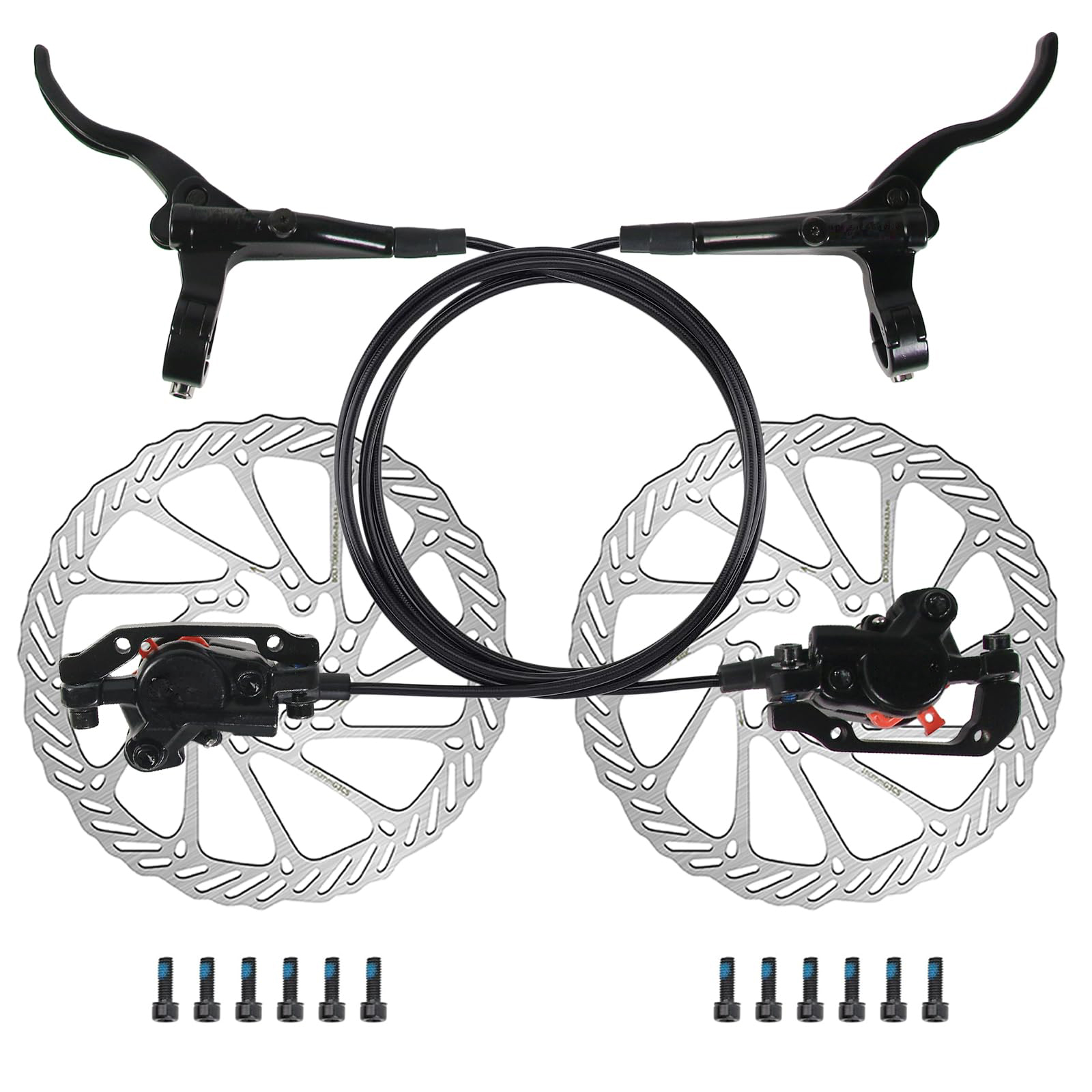
E-bikes are heavier than regular bikes, and at higher speeds, it’s essential to master your brakes. Be aware of the bike’s braking system, as it may feel different from what you’re used to on a regular bike. Practice braking smoothly and gradually to avoid sudden stops, especially in emergency situations.
3. Be Cautious Around Cars
Just like any bike, be mindful of traffic. Cars may not always see you, especially when riding in busy urban areas or near parked vehicles. Always stay aware of your surroundings and ensure drivers give you enough space.
4. Follow Traffic Rules
Adhere to traffic laws wherever you ride. Use hand signals when turning, ride in designated bike lanes, and always obey traffic signs. Sharing the road responsibly is crucial for the safety of both cyclists and drivers.
Conclusion: Enjoy the Ride, but Stay Safe
Riding an e-bike is a thrilling and rewarding experience that offers the freedom to travel further with ease. Whether you’re cruising around town, tackling hills, or exploring trails, the key to enjoying your e-bike safely and quickly lies in getting familiar with how the bike handles and adjusting to its power. Start slow, practice in safe environments, and always prioritize safety. With time, you’ll gain the confidence to ride efficiently and enjoy the full benefits of your e-bike.
Leave a comment
Please note, comments need to be approved before they are published.
当前文章评论已关闭。
-
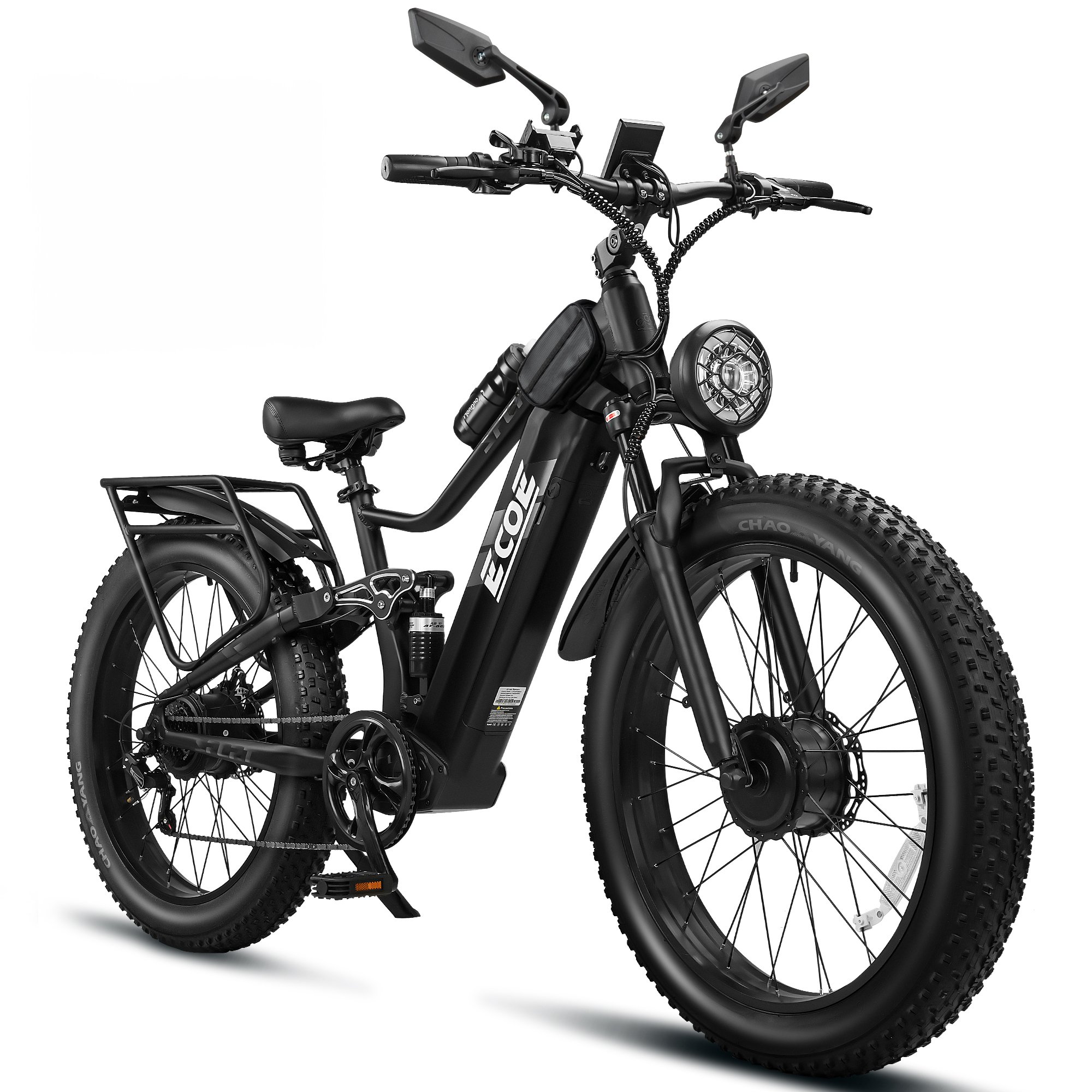
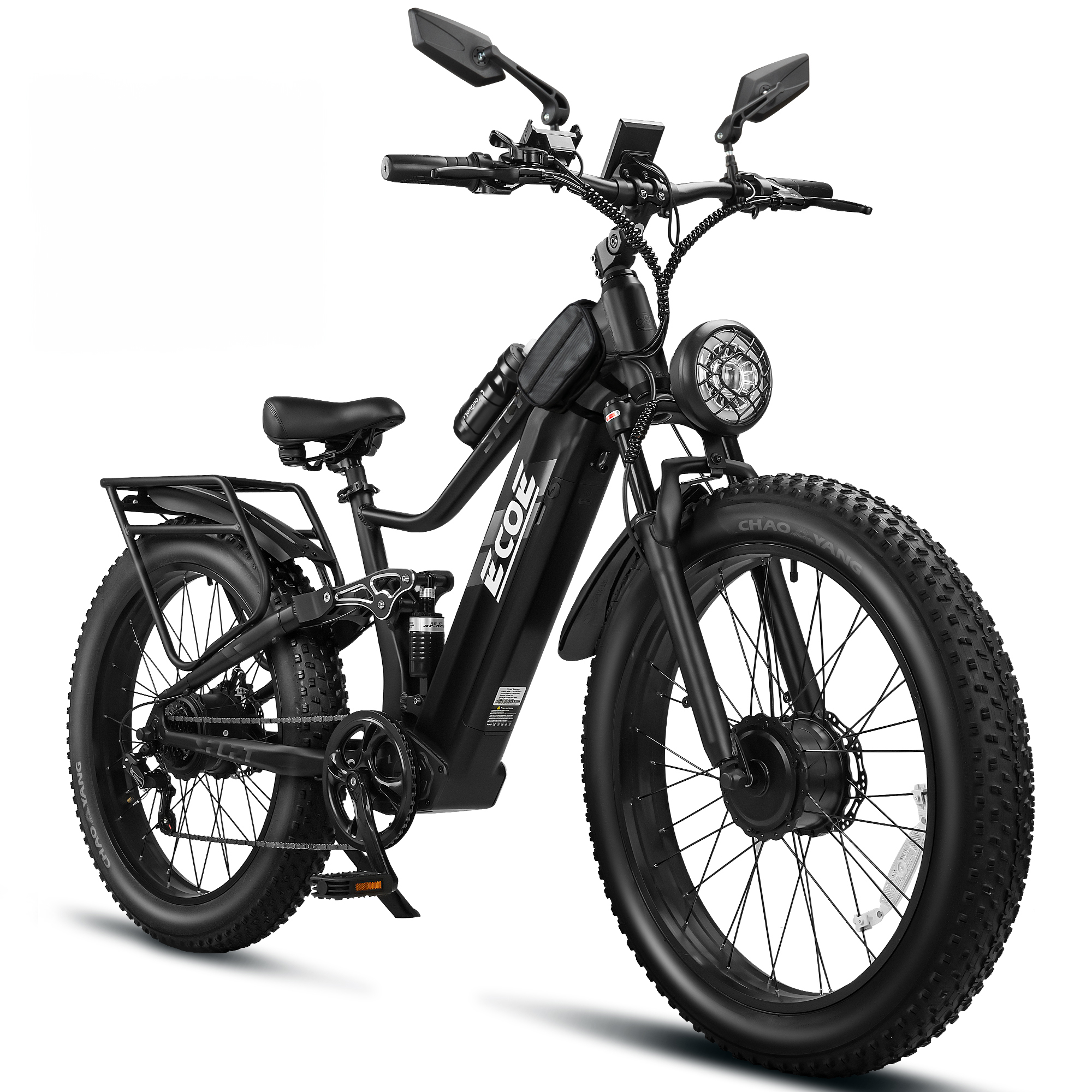
EcoE 7000W Dual Motor Electric Bike for Adults 52MPH Charge Voltage 63 V32A, 26×4 Fat Tire All Terrain Ebikes, Full Suspension E Bike, SHM 7-Speed Gear Electric Bicycle
From$1,599.00 Add to cart-
5000W Dual Motor Electric Bike for Adults 52MPH with 60V32A, 26×4 Fat Tire All Terrain Ebikes, Full Suspension E Bike, SHM 7-Speed Gear Electric Bicycle
From$1,449.00 Add to cart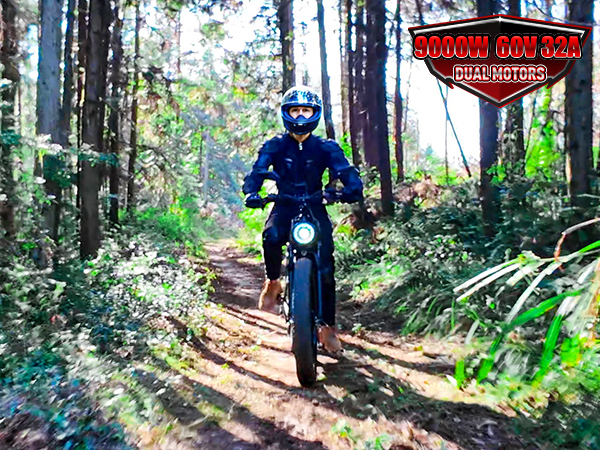
8 Environmental Benefits of Riding an ecoe Electric Bike
As more people begin to think about sustainability and greener ways to travel, electric bikes are becoming one of the most practical transportation choices for everyday life. Whether you’re commuting through the city, exploring local trails, or replacing short car trips, an electric bike offers a cleaner and more efficient alternative. At ecoe, we believe riding should feel enjoyable, convenient, and environmentally responsible. Modern electric bikes not only make commuting easier, but they also help reduce pollution, traffic congestion, and unnecessary energy consumption. Here are 8 environmental benefits of riding an electric bike and why more riders are choosing ecoe for daily transportation and outdoor adventures. 1. Lower Carbon Emissions One of the biggest environmental advantages of electric bikes is their extremely low carbon footprint. Traditional vehicles powered by gasoline release large amounts of carbon dioxide into the atmosphere every day. Electric bikes operate using rechargeable batteries and produce little to no direct emissions while riding. Replacing short car trips with an ecoe electric bike can significantly reduce your personal contribution to air pollution and greenhouse gas emissions. Even riding a few days per week instead of driving can make a noticeable difference over time. 2. Reduced Dependence on Fossil Fuels Cars and motorcycles rely heavily on gasoline and diesel fuel, which require extraction, refining, and transportation before they can even be used. Electric bikes consume far less energy and can be charged using renewable energy sources like solar or wind power. By switching to an ecoe electric bike, riders can reduce dependence on fossil fuels while supporting a cleaner and more sustainable transportation future. 3. Cleaner Air in Cities Air pollution continues to affect many urban areas around the world. Vehicle exhaust releases harmful pollutants that contribute to smog and poor air quality. Electric bikes help reduce these emissions […]
Read more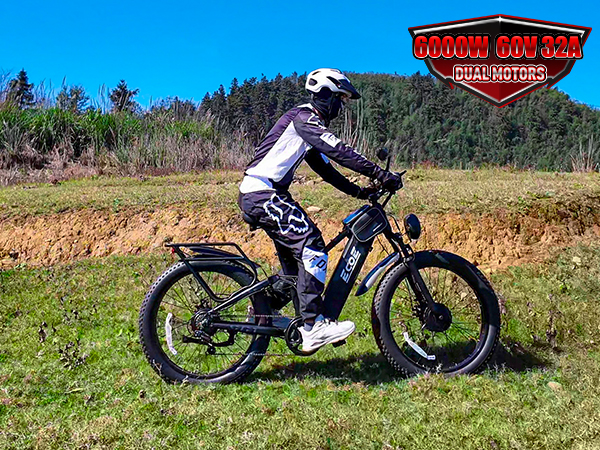
The Advantages of Fast Charging Electric Bikes
Electric bikes are changing the way people commute, explore, and enjoy the outdoors. As more riders rely on e-bikes for daily transportation and adventure, charging speed has become one of the most important features. Nobody wants to wait all day for a battery to recharge before heading back out on the road. That’s why fast-charging electric bikes are becoming increasingly popular. With advanced charging technology, modern e-bikes can recharge much faster while maintaining reliable performance and efficiency. For riders who value convenience, flexibility, and time-saving features, fast charging makes a huge difference. What Is a Fast Charging Electric Bike? A fast-charging electric bike is equipped with a battery system designed to recharge in a shorter amount of time compared to traditional e-bike batteries. Instead of waiting several hours for a full charge, riders can get back on the road much sooner. This technology is especially useful for commuters, delivery riders, travelers, and outdoor enthusiasts who use their e-bikes frequently throughout the day. Faster charging means less downtime and more riding freedom. As electric bikes continue to evolve, fast-charging batteries are becoming a standard feature in many high-performance models from ecoe. Why Fast Charging E-Bikes Are Becoming Popular The popularity of electric bikes continues to grow because they offer an eco-friendly and efficient alternative to cars and public transportation. Riders enjoy lower travel costs, easier commuting, and a more enjoyable riding experience. Fast charging adds another level of convenience by reducing waiting time. Instead of planning your entire day around battery charging, you can quickly recharge and continue your ride. For many riders, this changes how they use their electric bikes entirely. Weekend adventures become easier, longer commutes feel more practical, and spontaneous rides become possible without worrying about battery levels. Benefits of Fast Charging Electric Bikes 1. Saves Time The […]
Read more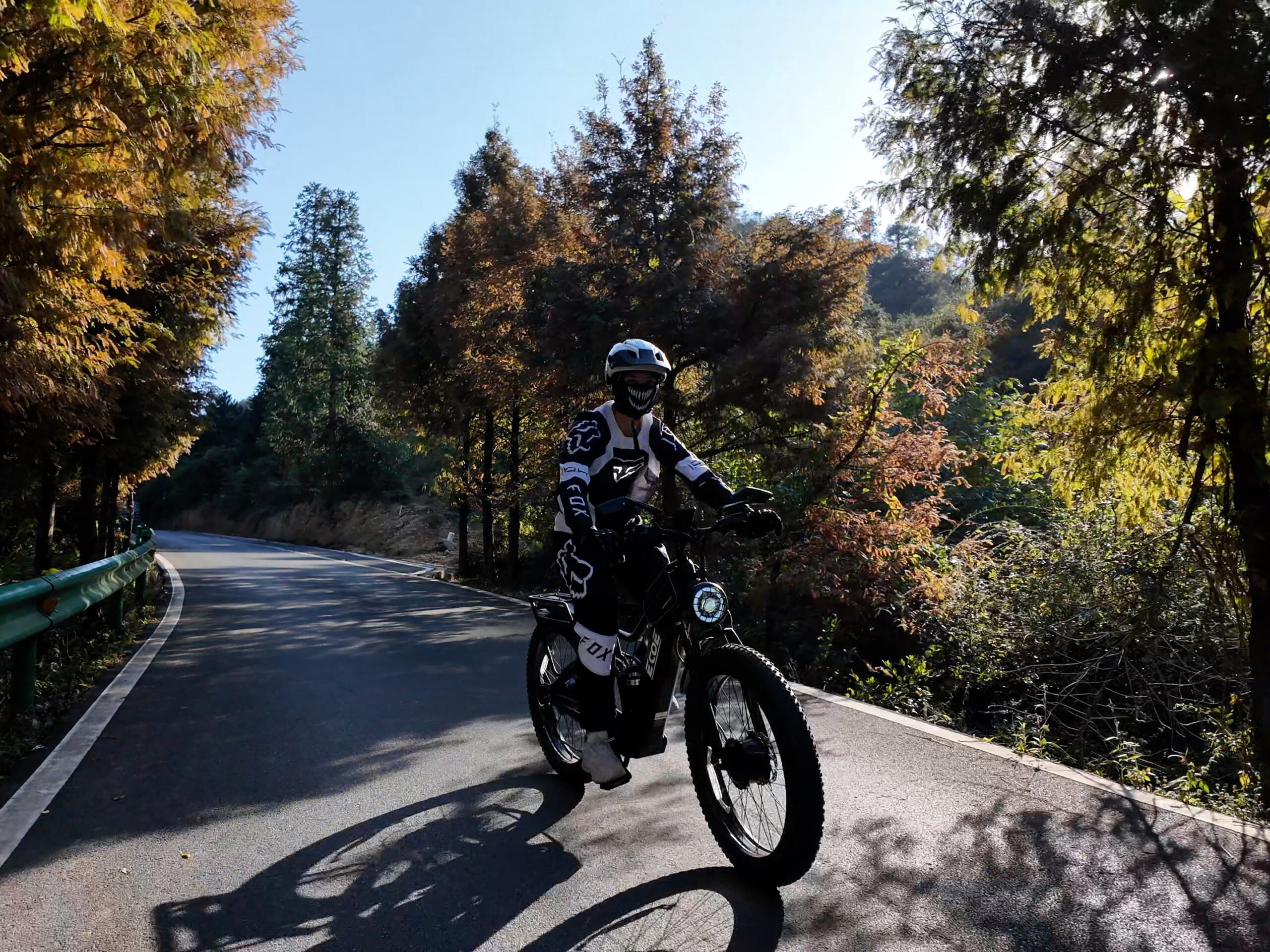
Off-Road Cycling with a Fat-Tire E-Bike
Electric bikes are redefining what’s possible in outdoor adventure. Between fat-tire e-bikes and urban cruisers, riders now have a wide range of options to explore all kinds of terrain. But if you want to tackle challenging off-road paths, choosing the right e-bike is essential. With outdoor recreation growing in popularity—and parks increasingly welcoming electric bikes—more people are discovering safe and enjoyable ways to get outside, stay active, and explore without relying on public transport. For those ready to explore off-road, a fat-tire e-bike is a game-changer. The ecoe Fat-Tire E-Bike, with its powerful 9000W 63V 32A motor, is built to handle rugged trails, sand, snow, and more. Why Choose a Fat-Tire E-Bike? Fat-tire e-bikes are gaining popularity for a reason. They combine style, performance, and versatility to create a truly capable ride. Here’s why they stand out: 1. All-Terrain Tires The defining feature of a fat-tire e-bike is, of course, its tires. Wide and deep, these tires are designed to tackle every type of surface—from snowy trails to sandy beaches and muddy paths. The extra rubber provides exceptional grip, stability, and control, even on slick or uneven terrain. 2. Powerful 9000W Motor Whether climbing steep hills or exploring remote trails, the ecoe fat-tire e-bike’s 9000W 63V 32A motor delivers unmatched power and acceleration. You can choose full motor power for effortless riding, or pedal-assist mode for a more active, energy-efficient experience. This motor ensures you can conquer any path with confidence. 3. Comfort Features Adventure is only enjoyable when your ride is comfortable. The ecoe fat-tire e-bike includes: Together, these features make off-road riding less strenuous and more enjoyable, letting you focus on the scenery and adventure ahead. Why ecoe Stands Out Not all fat-tire e-bikes are created equal. ecoe focuses on delivering high-quality, innovative electric bikes that balance power, […]
Read more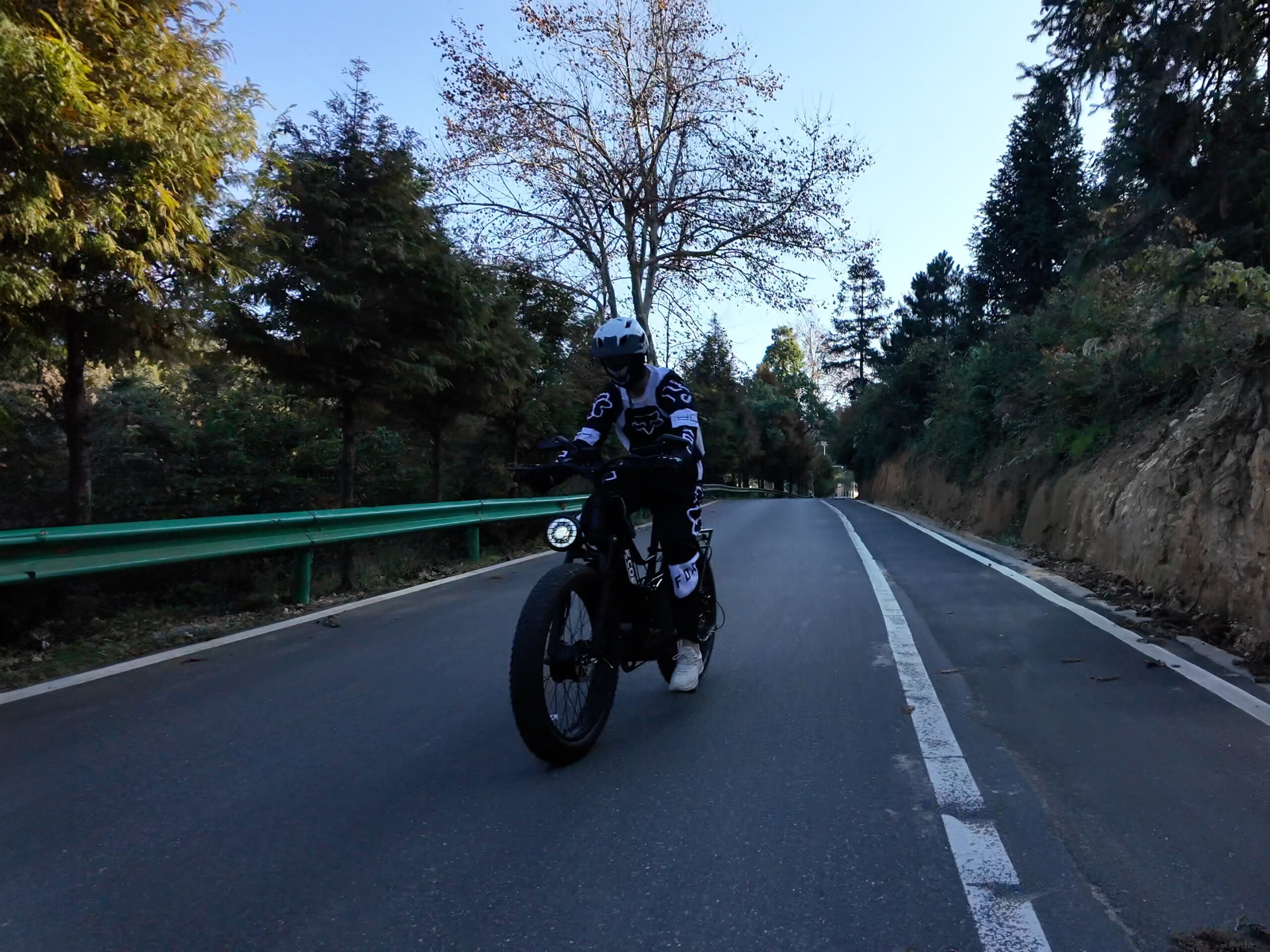
How to Ride Fat Tire E-Bikes on the Beach or Loose Sand
Many people think fat bikes—regular or electric—are only for snow. But the truth is, they handle all kinds of loose terrain, including sandy beaches. Think of sand as snow’s sun-kissed cousin! With a few tips, your sandy adventure can be smooth, fun, and worry-free. 1. Check the Weather and Tides Before hitting the beach, check tide schedules. You don’t want to get stranded in soft sand or face incoming water. A quick look at tide charts ensures a safe ride back to solid ground. 2. Bring a Bike Pump Loose sand and beach terrain call for different tire pressures. Bring a pump so you can adjust as needed for maximum control and comfort. 3. Lower Your Tire Pressure for Sand Riding on soft sand requires low tire pressure to prevent sinking. Loose dry sand may need your PSI under 10, while wetter sand near the shoreline usually works best around 10–20 PSI. Start higher, test the ride, and adjust gradually. Too low, and your bike may wobble; too high, and it will sink. 4. Keep Your Eyes on the Path Beaches are beautiful, but don’t get distracted! Look out for changes in sand texture, rocks, or hidden debris that could disrupt your ride. 5. Adapt When Switching Sand Types When moving from wet to dry sand, slow down and be ready for traction changes. If your front wheel starts to wobble, steer gently in the direction you want to go while reducing motor power. This helps maintain control without stopping. 6. Wear Protective Gear Even though riding on sand is generally safe, rocky patches or unexpected obstacles can appear. Helmets, gloves, and pads are a smart precaution. 7. Reinflate Tires for Solid Ground On your way back, increase your tire pressure before riding on firm surfaces. Low pressure is great […]
Read more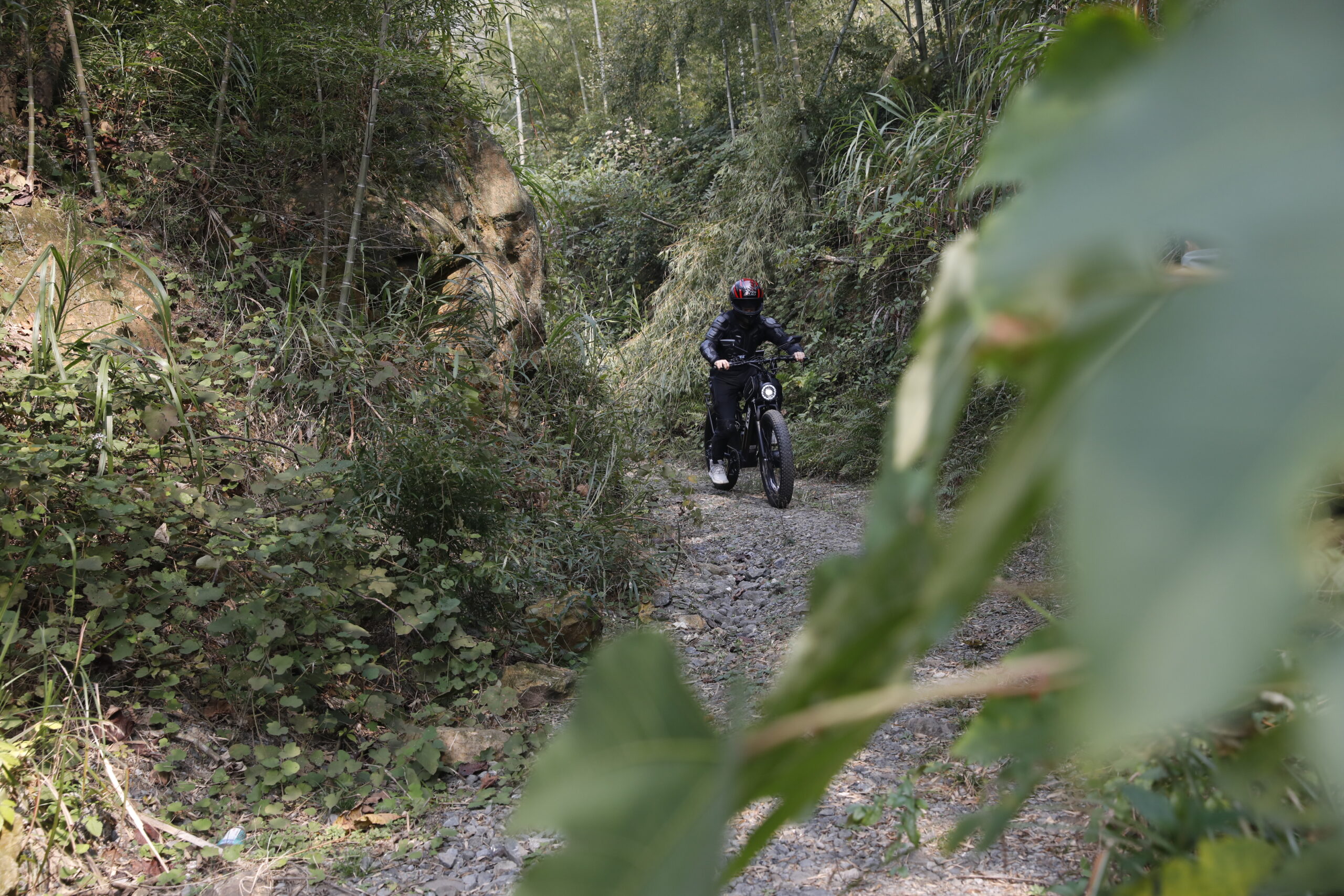
Why More Seniors Are Choosing Ebikes
Cycling is a fantastic way to stay active, boosting both physical and mental well-being. But as we age, riding a traditional pedal bike can become physically demanding. Continuous pedaling can strain joints, muscles, and energy levels, making cycling less accessible for older adults. This is where electric bikes (Ebikes) step in. With pedal-assist or throttle features, Ebikes provide low-impact exercise that’s easier on the body. Seniors can enjoy the benefits of cycling without overexertion, staying active, independent, and socially connected. Are Ebikes the Right Choice for Seniors? For most seniors, the answer is yes. Unlike traditional bikes, Ebikes amplify your pedaling effort. With pedal-assist, every push on the pedals engages the motor, helping you travel further with less effort. Some Ebikes even feature a throttle, allowing movement without pedaling at all—ideal for those with limited mobility. What Makes an Ebike Senior-Friendly? Several design elements make Ebikes more accessible and comfortable for seniors: 1. Step-Through Frames A low or absent top tube makes mounting and dismounting easy. Seniors, or anyone recovering from injuries, can ride comfortably without lifting their leg high over the frame. 2. Comfortable Seats & Upright Handlebars Memory foam or gel saddles support the tailbone and reduce pressure points. Wider seats for women offer additional comfort. Upright handlebars encourage a relaxed posture, making riding easier on the back and shoulders. 3. Fat Tires or Trikes Fat tire Ebikes have wide, stable tires, providing balance on rough terrain and better shock absorption. Trike Ebikes add an extra level of stability, perfect for seniors who want a safe, balanced ride with added cargo space for errands. 4. Motors with Torque Sensors Motors with torque sensors measure pedaling effort and adjust assistance accordingly. The harder you pedal, the more help you get, ensuring a smooth and responsive ride without sudden surges. […]
Read more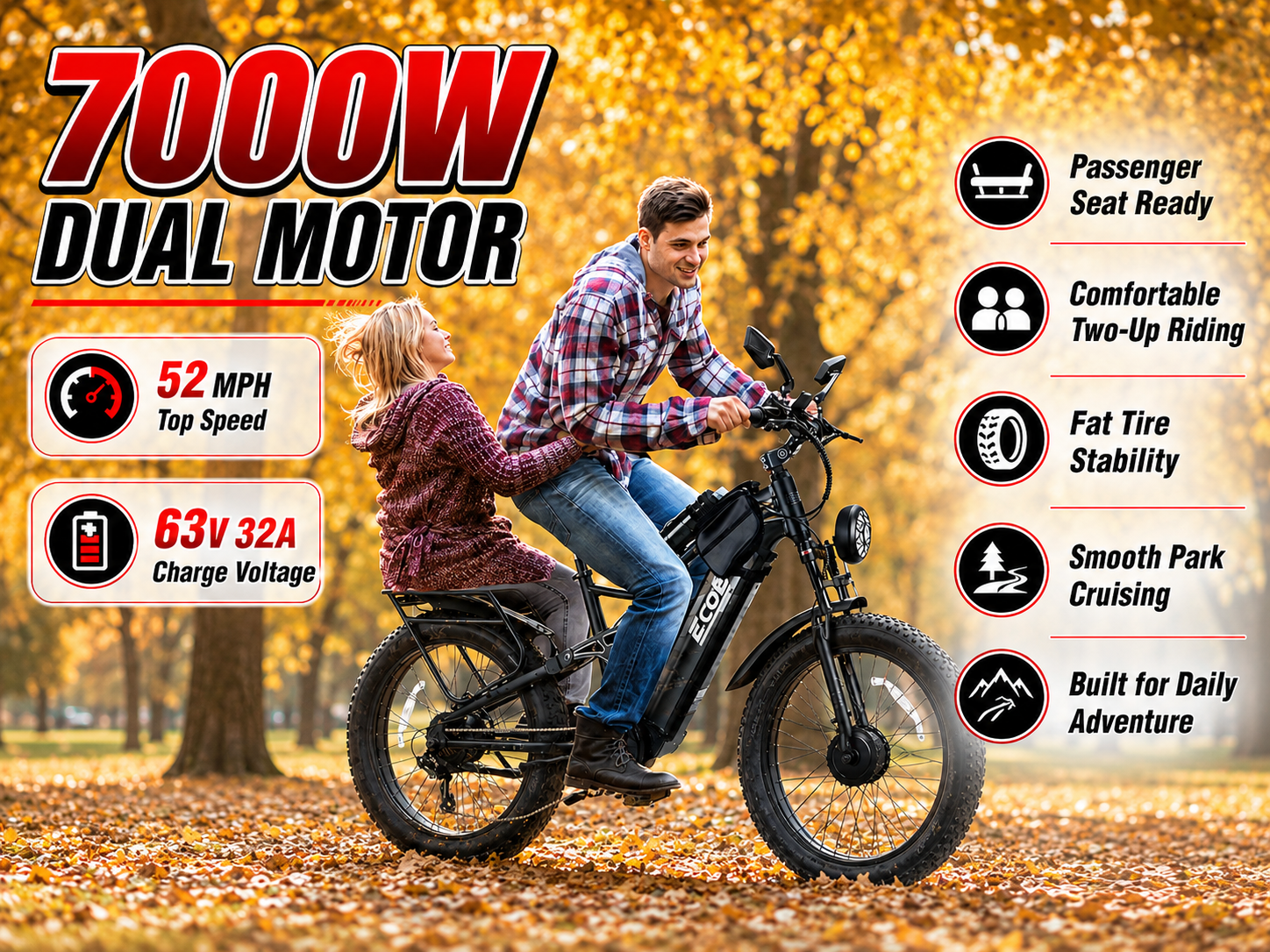
The History of Bicycles: When Was the First Bike Invented?
Bicycles have been an essential part of human mobility for over 200 years. From their earliest designs to the modern electric bikes we enjoy today, bicycles have shaped how people travel, explore, and experience the world. Understanding the first bicycle’s invention gives us a glimpse into innovation, ingenuity, and the evolution that led to today’s convenient and eco-friendly rides like ecoe electric bikes. The First Bike: Karl Drais and the Dandy Horse The story begins in 1817 with Karl Drais, a German inventor who created the Laufmaschine, also known as the Dandy Horse. This two-wheeled, pedal-less vehicle required riders to push with their feet to move forward. Simple but revolutionary, it introduced the concept of personal transportation and laid the foundation for all bicycles that followed. The Dandy Horse featured a steerable front wheel and aligned rear wheel, allowing riders to move faster than walking. While rudimentary, its design sparked future innovations in bicycles, including pedals, gears, and lightweight frames. Evolution of Early Bicycles The First Pedal Bike: Velocipede By the 1860s, pedals were added to the front wheel, creating the velocipede. Though heavy and uncomfortable—earning nicknames like “bone-shaker”—it made cycling faster and more efficient. High-Wheel Bicycles The 1870s saw the rise of the penny-farthing, a bicycle with a large front wheel. Riders could travel faster, but falls were frequent, making safety a major concern. Despite the risks, this era inspired widespread interest in cycling, especially among men. Safety Bicycles By the 1880s, safety bicycles emerged with equal-sized wheels, chain drives, and lower centers of gravity. These bikes were stable, more accessible, and influenced modern bicycle ergonomics. Women and Cycling Safety bicycles also helped break social barriers, giving women more freedom to engage in sports, public life, and independent travel. Bicycle Boom With industrialization, bicycles became mass-produced and affordable. Cycling […]
Read more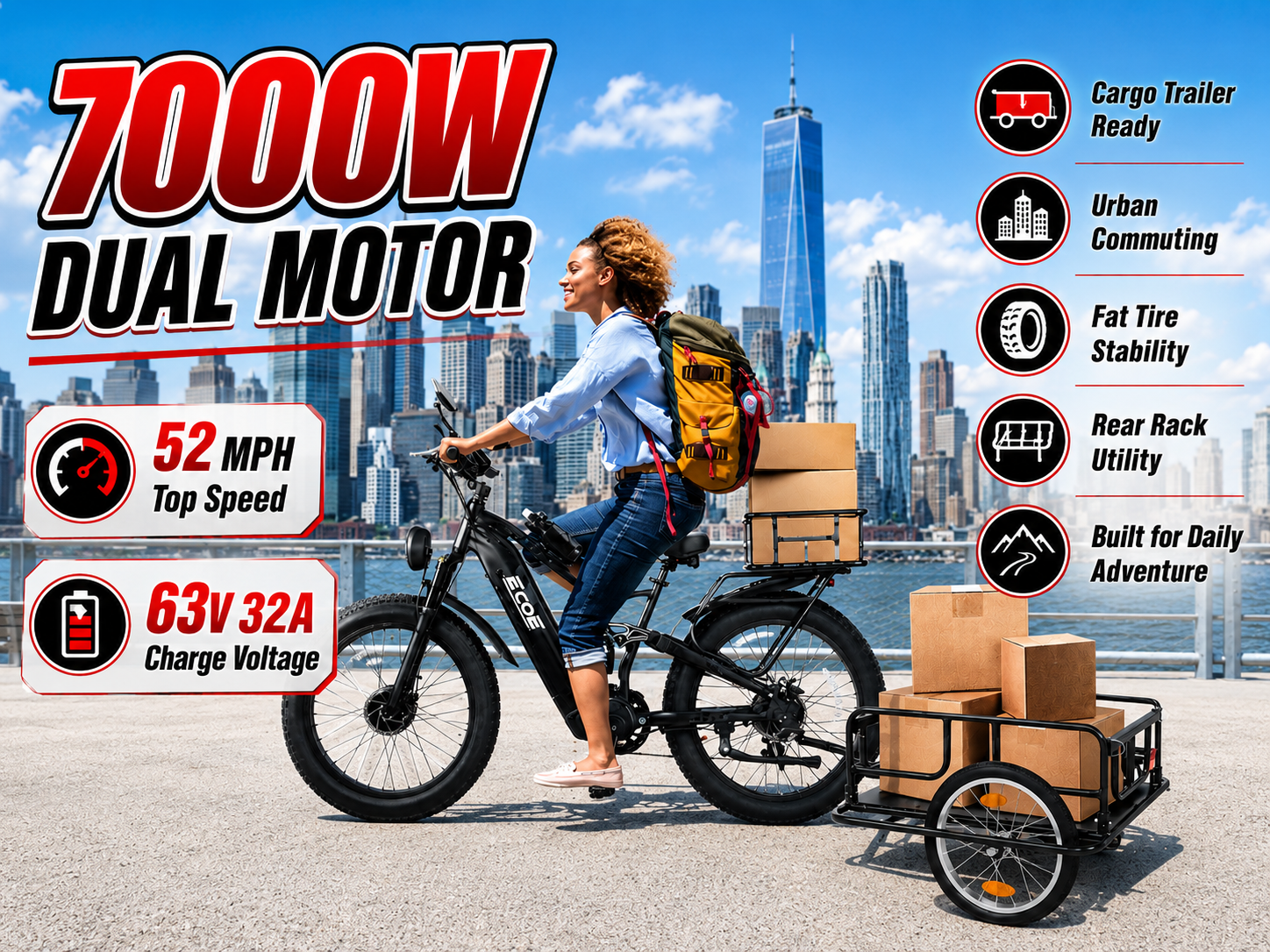
Can Pedal-Assist E-Bikes Really Help You Burn Calories?
There’s a common misconception that riding an electric bike makes you lazy because the motor does some of the work. But the truth is quite the opposite: pedal-assist e-bikes can actually help you burn more calories than a traditional bike—especially because they encourage longer rides and more frequent use. In fact, an hour on an e-bike can burn roughly 390 calories. Here’s why e-bikes are surprisingly effective for fitness. 1. E-Biking is Aerobic Exercise Riding an e-bike is a systemic aerobic activity, meaning it engages multiple muscle groups while getting your heart pumping. Even with pedal assist, your legs, core, and cardiovascular system are actively working. Tip: To burn fat effectively, aim for continuous riding sessions of 20 minutes or more. 2. Pedal Assist Lets You Ride Longer One of the biggest benefits of an e-bike is that it helps you cover longer distances without overexertion. Different types of e-bikes are designed for different terrains and riders. For instance: 3. E-Bikes Make Exercise Accessible Electric bikes bridge the gap between regular bicycles and motorcycles, offering: 4. Price Doesn’t Dictate Fitness Some people wonder if cheaper e-bikes are less effective for burning calories. The answer: not necessarily. 5. Get Started Today Summer is a perfect season to enjoy the outdoors on your e-bike. Ride with friends, explore new routes, and let your pedal-assist e-bike make exercise both fun and sustainable. With ecoe e-bikes, you can experience a smooth, enjoyable ride while boosting your fitness without feeling overworked.
Read more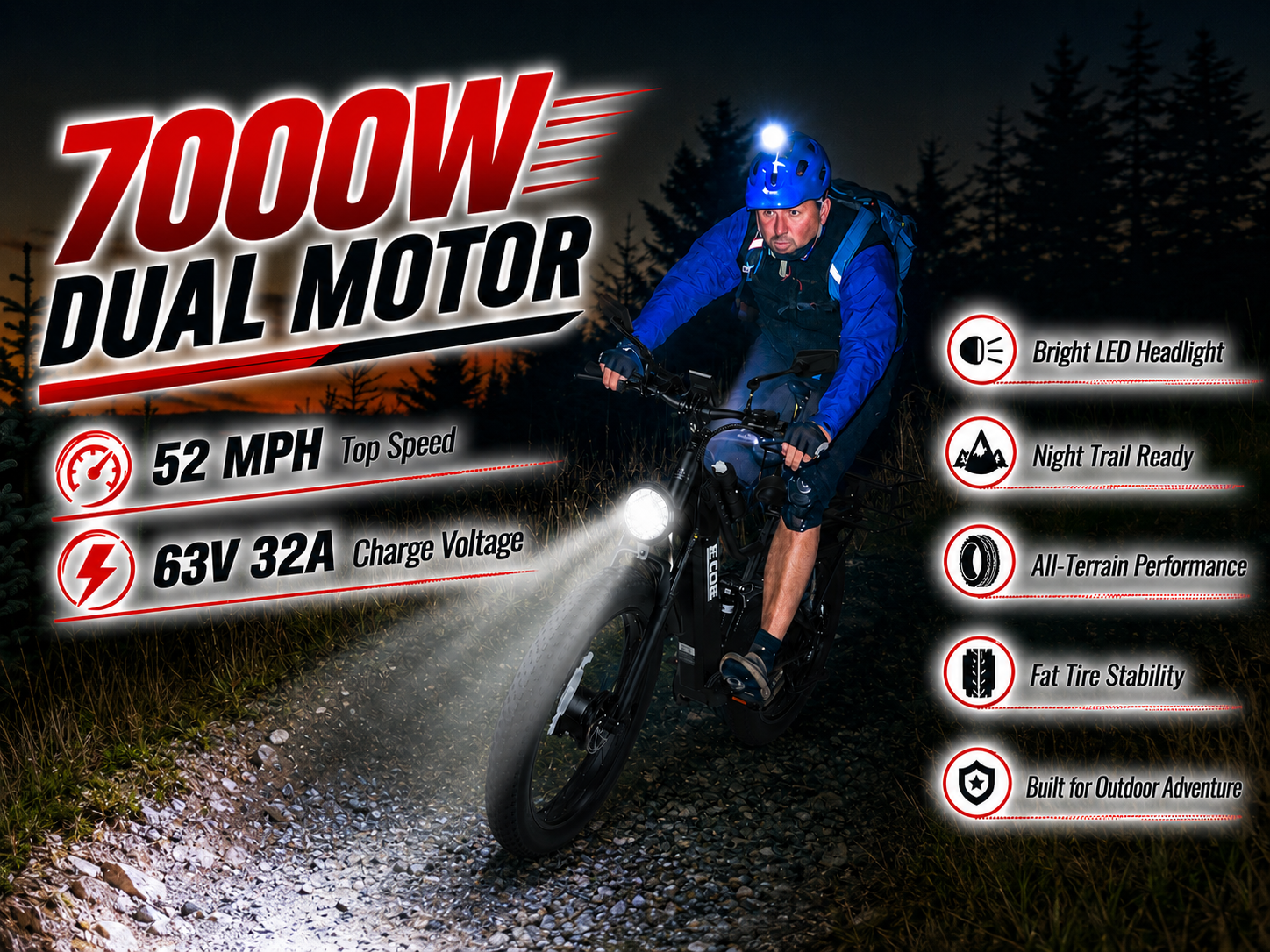
Disc Brakes vs. Rim Brakes: What Every e-Bike Rider Should Know
When it comes to electric bikes, braking performance is one of the most important factors for both safety and riding comfort. While traditional bicycles mostly relied on rim brakes, disc brakes have steadily become the go-to option for modern e-bikes. Brands like ecoe focus on equipping their bikes with reliable braking systems to ensure riders can stop confidently in all conditions. In this blog post, we’ll break down the key differences between rim brakes and disc brakes, explain their advantages, and help you decide which brake system fits your riding style. How Brakes Work on Electric Bikes All e-bike brakes operate on the same basic principle: friction. When you pull the brake lever, brake pads press against a braking surface, slowing down your bike. Although both systems rely on friction, the location of the braking surface and the overall mechanics make a big difference in performance, especially on heavier e-bikes or when riding at higher speeds. Advantages of Disc Brakes Disc brakes have become increasingly popular for good reason. Here’s why: 1. Work in Any Weather Because the rotor and caliper are positioned near the wheel hub, disc brakes are less affected by rain, mud, or dirt. Rim brakes, on the other hand, lose efficiency when the wheel rim gets wet, requiring extra lever force and longer stopping distance. 2. Require Less Effort Disc brakes offer stronger stopping power with less hand strength. This reduces muscle fatigue during long rides or on hilly terrain, making every ride more comfortable. Larger rotors can also be added for heavier riders or larger e-bikes, giving even more braking efficiency. 3. More Reliable and Consistent With disc brakes, the stopping power you expect is almost always what you get. Rim brakes can be inconsistent depending on wheel alignment, pad wear, or rim conditions. Disc […]
Read more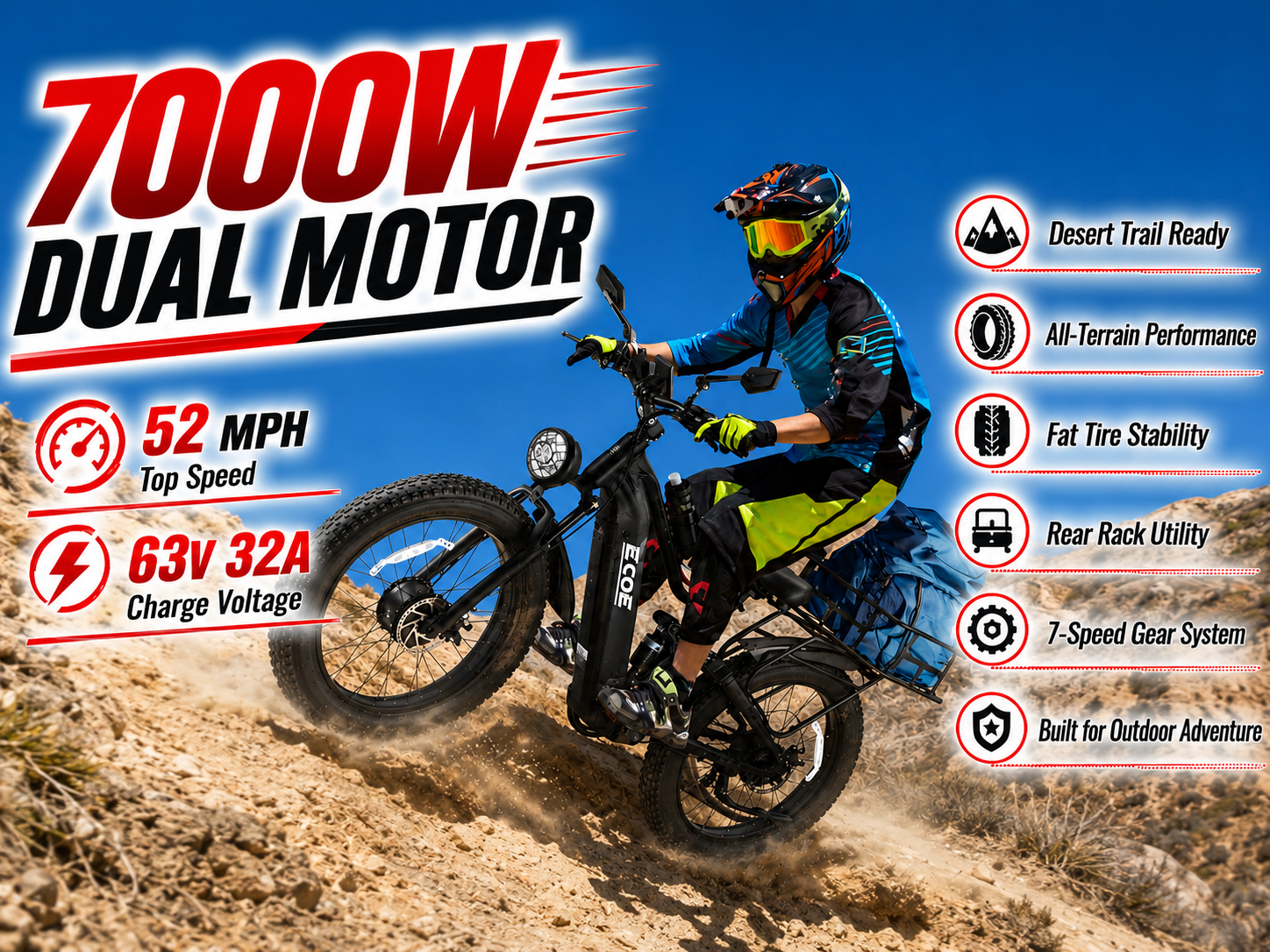
Practical Tips for Avoiding Flat Tires on Your Electric Bike
Few things can ruin a ride faster than a flat tire. Whether you are commuting through the city, exploring trails, or enjoying a weekend ride, a sudden puncture can quickly turn a fun trip into a frustrating situation. On an electric bike, flat tires can feel even more serious because e-bikes are heavier and travel at higher speeds than traditional bicycles. Imagine riding through busy traffic when your tire suddenly loses air. The bike becomes unstable, steering feels harder, and braking distance changes instantly. In crowded areas, this can easily create dangerous situations. The good news is that many flat tires can be prevented with proper tire care and smart riding habits. In this article, we will go through practical and easy ways to reduce the chances of getting a flat tire on your electric bike. Keep Your Tire Pressure at the Correct Level One of the most important ways to avoid flat tires is maintaining proper tire pressure. Tires that are too soft or too hard are both more likely to get damaged. Every electric bike tire has a recommended pressure range printed on the sidewall. This pressure is usually measured in PSI, which stands for pounds per square inch. Following the recommended range helps your tires perform safely and efficiently. Different styles of electric bikes require different tire pressures: Your ideal tire pressure can also depend on factors such as rider weight, cargo load, and riding terrain. Riders carrying heavier loads may need slightly higher pressure for better support. Why Proper Pressure Matters If tires are underinflated, they can compress too much when hitting bumps or potholes. This may pinch the inner tube against the rim and create what riders call a “pinch flat.” On the other hand, overinflated tires become too rigid. They provide less comfort and […]
Read more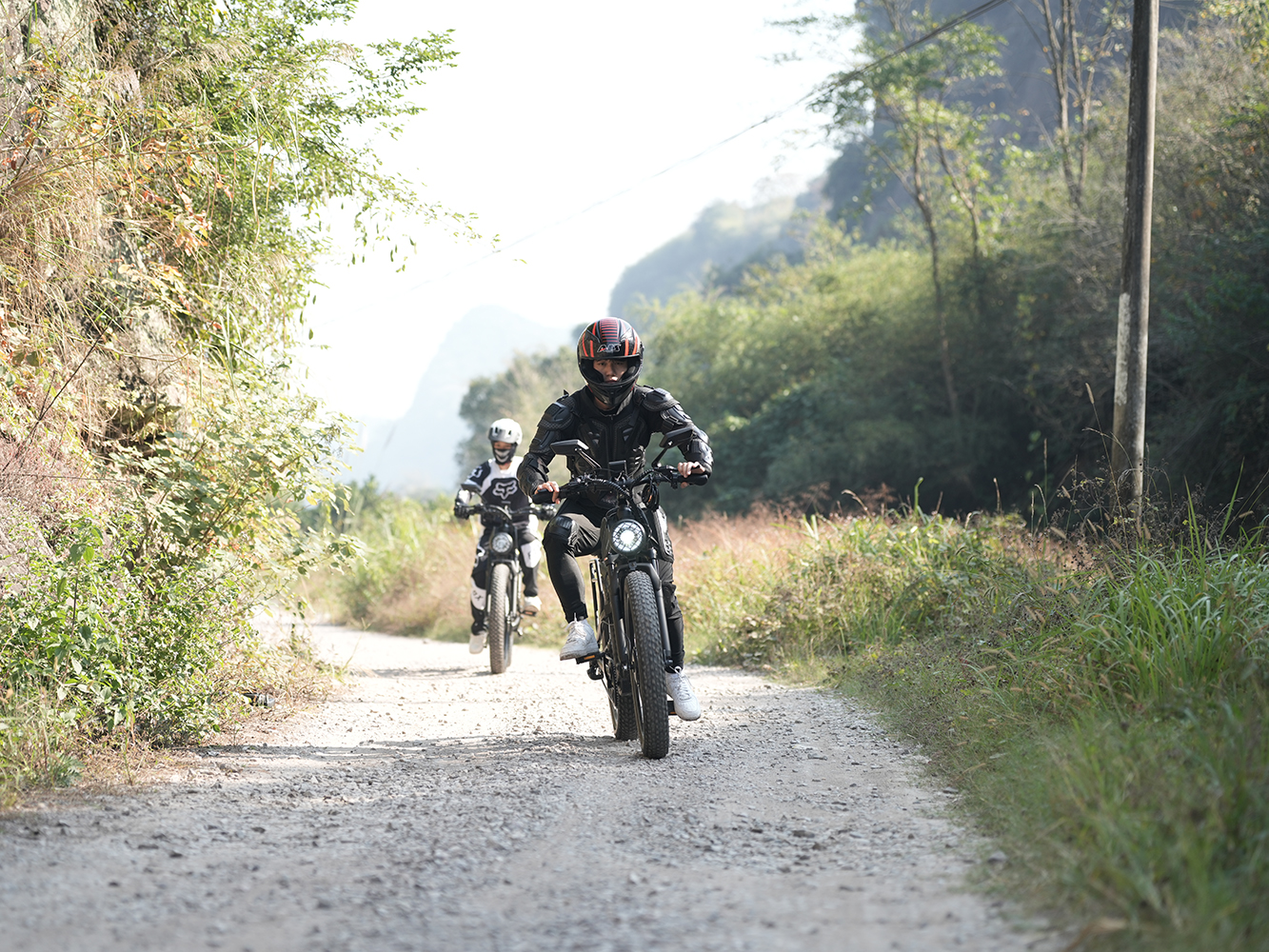
How To Test An EBike Controller At Home
Electric bikes have surged in popularity because they make commuting easier, recreational rides more enjoyable, and long journeys less tiring. Unlike traditional bicycles, e-bikes rely on a combination of battery, motor, controller, display, and sensors to provide pedal assist or throttle-powered riding. Among these components, the e-bike controller is one of the most critical. It acts as the brain of the bike, managing communication between the battery, motor, throttle, brake cutoffs, and display. When a controller malfunctions, your bike might refuse to start, lose motor assistance mid-ride, or cut power unexpectedly. However, not every issue is caused by the controller itself. Loose connectors, brake cutoffs, low battery voltage, communication faults, or display errors can mimic controller failure. That’s why testing your controller correctly is key before deciding to replace it. What Is an E-Bike Controller? The e-bike controller is the electronic hub that regulates power flow from the battery to the motor. Think of it as the central command center of your e-bike. It receives input from your throttle, pedal assist sensor, brake levers, speed sensors, and display, then determines how much power the motor needs. Inside the controller are microchips, capacitors, resistors, MOSFETs, and other signal-processing circuits. These components help start the motor smoothly, control speed, monitor safety, and respond to your riding input in real-time. Main Functions of an E-Bike Controller A controller has several critical roles in your e-bike’s operation: Common Signs of Controller Problems Controllers don’t fail often, but when they do, you may notice: Keep in mind that these symptoms may also stem from a weak battery, loose motor cable, water intrusion, damaged wiring, or an engaged brake cutoff switch. Quick Checks Before Testing Before using a multimeter, inspect your e-bike to rule out simple causes: Often, reconnecting a loose cable or resetting the system […]
Read more1
-