Apr 25, 2026
Everything You Need to Know About Bike Touring
What Is Bike Touring?
Bike touring is a type of cycling adventure that blends elements of mountain biking and bikepacking. It typically involves traveling on paved roads for extended periods—whether days, weeks, or even months—while occasionally venturing onto gravel or dirt paths. The goal is to explore new places, enjoy the outdoors, and cover long distances while carrying everything you need for the journey.
What Kind of Bike Should I Use for Bike Touring?
You can tour on a variety of bikes, but certain bikes are better suited for the task. While some are specifically built for touring, most good bikes can be adapted with the right accessories. The main exception is road racing bikes, which prioritize lightweight design and quick handling rather than durability and comfort.
Key features of a bike ideal for touring include:
- Low Gears: Essential for tackling hilly terrain with heavy loads.
- Racks and Accessories: Adding these allows you to carry gear comfortably for long rides.
Key Features for Touring Bikes
1. Frame Geometry
Touring bikes are designed to be stable and comfortable, even under the weight of heavy loads. They typically feature longer wheelbases than road bikes, which help with steering and balance, especially when the bike is loaded with gear.
2. Frame Materials
Chromoly steel is a popular choice for touring bikes due to its strength, durability, and smooth ride quality. Steel can absorb vibrations from the road, resulting in a more comfortable ride over long distances, particularly on rougher terrain. Steel is also highly durable, making it ideal for long trips in rural or less developed areas.
3. Wheels
When choosing wheels for a touring bike, consider the following:
- Number of Spokes: More spokes generally mean stronger wheels, so look for wheels with at least 32 spokes for better strength.
- Wheel Size: The size will depend on the terrain you’ll be riding on, but larger wheels typically provide better stability and rolling efficiency.
4. Tires
Consider these factors when selecting tires:
- Puncture Resistance: Touring bikes often go through remote areas where punctures can be a hassle. Tires with built-in puncture resistance help minimize this risk.
- Tread: Tires with minimal tread are ideal for road touring. They offer enough grip without slowing you down. If you’re riding on gravel or dirt, some tread is beneficial, but large knobs are usually unnecessary.
- Size: Many bike tourers prefer tires that are at least 35mm wide for pavement rides, as they provide better comfort and stability.
5. Gearing
For touring, opt for easier gears rather than harder ones. The focus should be on making climbing hills and long-distance pedaling manageable. Simplified gearing systems tend to be more reliable and long-lasting, especially on long tours.
6. Brakes
When touring with a heavy load, powerful braking is essential. The two most common types of brakes for touring bikes are:
- Rim Brakes: These are lightweight and easier to maintain but may not perform as well in wet conditions.
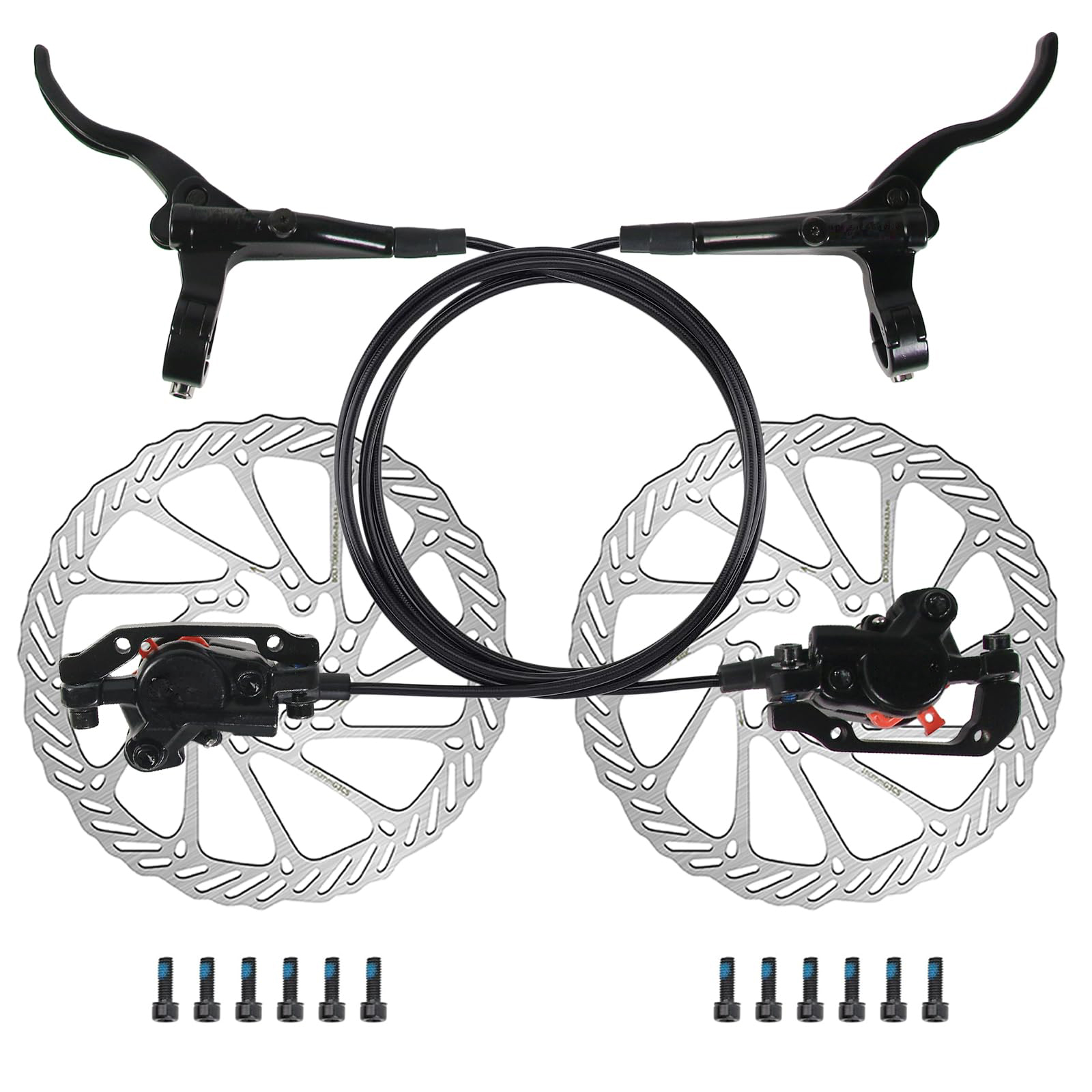
- Disc Brakes: These offer better stopping power, especially in wet or muddy conditions, and are favored for off-road touring.
Types of Bike Touring Adventures
Bike touring can be tailored to different styles and lengths of trips. Here are the main types:
1. Loop
A loop involves traveling from one point and returning to the same starting point. It can be a long journey, like the Trans-Uganda Route, or shorter, like a 3-day loop in Arizona.
2. Point-to-Point
This style requires transportation to or from certain points, such as the beginning or end of a route. The Great Divide Mountain Bike Route is a famous example of a point-to-point tour.
3. Guided Tour
For those new to bike touring or who prefer a more structured trip, guided tours are an excellent option. These tours are often available in popular cycling destinations and offer a full support team to handle logistics.
4. Overnighter
A shorter bike tour that doesn’t require an extended time commitment. An overnighter can involve camping or staying in a nearby cabin, Airbnb, or lodge. These trips typically only last one or two nights but offer a great taste of bike touring.
5. Expedition
An expedition-style bike tour involves exploring new destinations for a longer period, often involving international travel. These types of trips offer the chance to immerse yourself in different cultures and natural environments.
Bike Touring vs. Bikepacking
The terms “bike touring” and “bikepacking” are often used interchangeably, but they refer to slightly different experiences:
- Bike Touring: Involves traveling primarily on paved roads over long distances. Tours can last from several days to months and typically involve carrying gear in panniers or racks.
- Bikepacking: A more off-road adventure, bikepacking usually takes place on singletrack or doubletrack trails, often through wilderness areas. It typically involves lighter gear and shorter trips, focusing more on off-road exploration.
Conclusion
Bike touring can be as simple as a weekend excursion close to home or as grand as a months-long journey across multiple countries. While there is no one-size-fits-all bike for touring, focusing on comfort, stability, and durability is key. By understanding the important features of a touring bike and choosing the right adventure style for you, you can enjoy the freedom and adventure that bike touring offers. Whether you’re planning a weekend getaway or a cross-country trek, the right preparation will ensure an unforgettable journey.
Leave a comment
Please note, comments need to be approved before they are published.
当前文章评论已关闭。
-
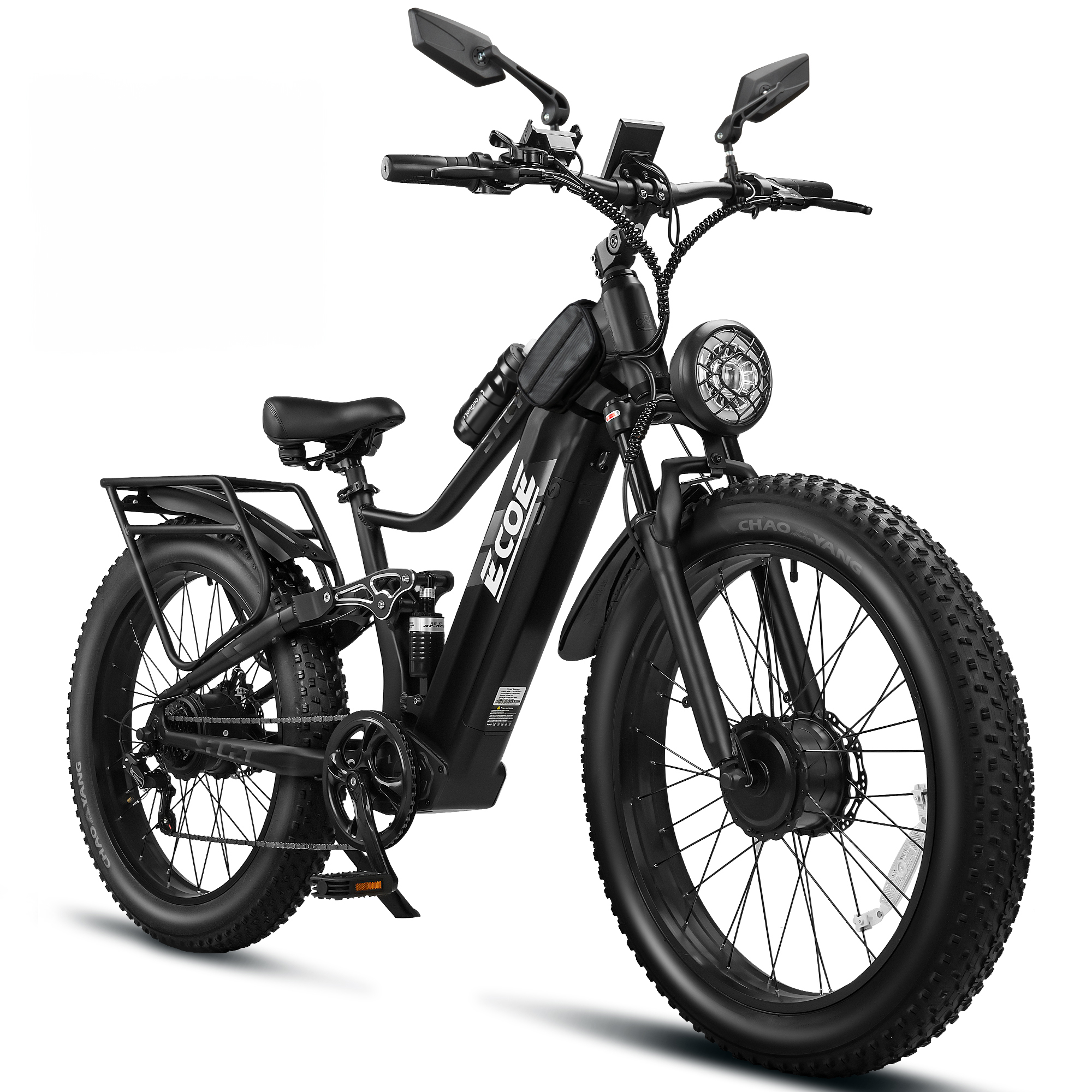
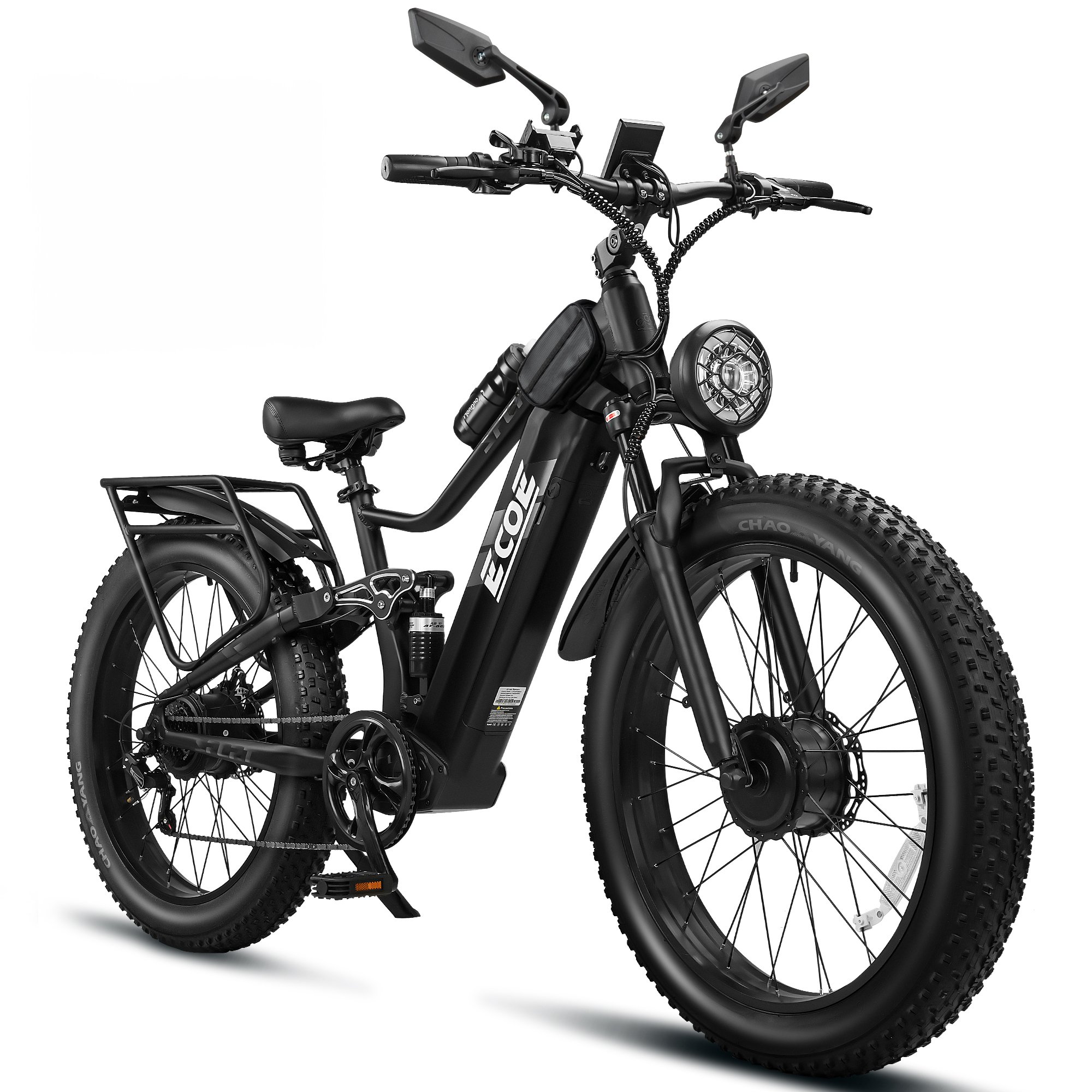
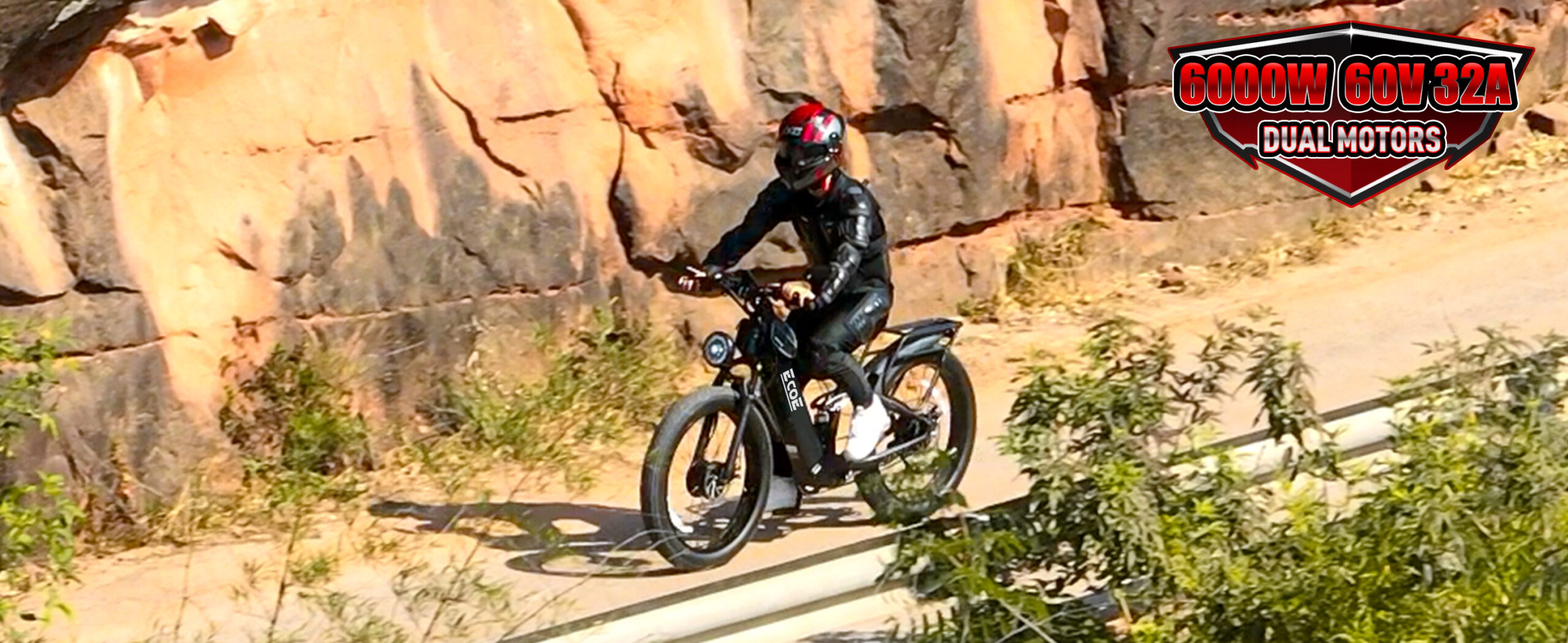
5000W Dual Motor Electric Bike for Adults 52MPH with 60V32A, 26×4 Fat Tire All Terrain Ebikes, Full Suspension E Bike, SHM 7-Speed Gear Electric Bicycle
From$1,499.00 Add to cart
Everything You Need to Know About Bike Touring
What Is Bike Touring? Bike touring is a type of cycling adventure that blends elements of mountain biking and bikepacking. It typically involves traveling on paved roads for extended periods—whether days, weeks, or even months—while occasionally venturing onto gravel or dirt paths. The goal is to explore new places, enjoy the outdoors, and cover long distances while carrying everything you need for the journey. What Kind of Bike Should I Use for Bike Touring? You can tour on a variety of bikes, but certain bikes are better suited for the task. While some are specifically built for touring, most good bikes can be adapted with the right accessories. The main exception is road racing bikes, which prioritize lightweight design and quick handling rather than durability and comfort. Key features of a bike ideal for touring include: Key Features for Touring Bikes 1. Frame Geometry Touring bikes are designed to be stable and comfortable, even under the weight of heavy loads. They typically feature longer wheelbases than road bikes, which help with steering and balance, especially when the bike is loaded with gear. 2. Frame Materials Chromoly steel is a popular choice for touring bikes due to its strength, durability, and smooth ride quality. Steel can absorb vibrations from the road, resulting in a more comfortable ride over long distances, particularly on rougher terrain. Steel is also highly durable, making it ideal for long trips in rural or less developed areas. 3. Wheels When choosing wheels for a touring bike, consider the following: 4. Tires Consider these factors when selecting tires: 5. Gearing For touring, opt for easier gears rather than harder ones. The focus should be on making climbing hills and long-distance pedaling manageable. Simplified gearing systems tend to be more reliable and long-lasting, especially on long tours. 6. Brakes […]
Read more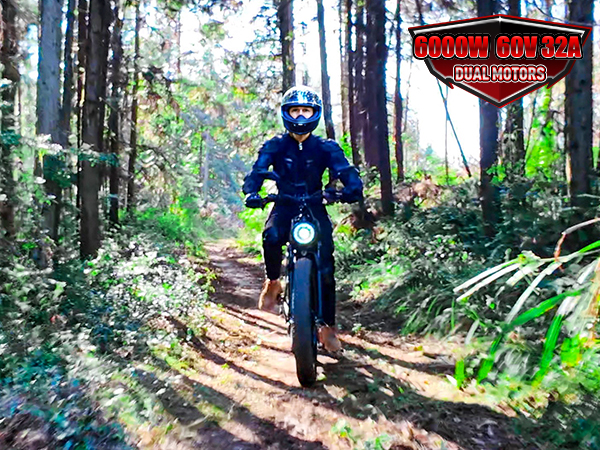
Full Guide to Best Electric Hunting Bikes
Hunting enthusiasts are increasingly adopting electric bikes (e-bikes) as their go-to transportation for rugged terrains. These bikes are not only a practical solution for navigating tough landscapes but are also designed with features that cater to the specific needs of hunters. An electric hunting bike can significantly enhance the hunting experience by making it easier to reach remote locations, carry gear, and remain stealthy while tracking wildlife. Here’s a comprehensive guide to electric hunting bikes, highlighting their benefits and key factors to consider when making a purchase. What is an Electric Hunting Bike? An electric hunting bike is a specialized bike designed for outdoor use, particularly in rugged terrains like forests, mountains, and plains. These bikes are equipped with powerful motors and long-lasting batteries to help you cover large areas with ease. A typical hunting e-bike has a range of up to 60 kilometers on a single charge, and they come with accessories such as racks, trailers, and bags to carry all the necessary gear. The frame is designed to withstand harsh conditions while maintaining a lightweight profile for easy transportation. The suspension system plays a crucial role in ensuring a smooth ride, especially when navigating uneven ground. The tires on these bikes are typically fat tires, ranging from 4″ to 4.8″, providing excellent grip on mud and rough terrain. Benefits of Electric Hunting Bikes An electric hunting bike offers a range of advantages over traditional mountain bikes, especially when used for hunting. Here are some of the most notable benefits: 1. Handles Rough Terrain Electric hunting bikes excel in navigating tough terrains that vehicles and traditional bikes can’t handle. With a pedal-assist system, these bikes can reach more isolated hunting spots, allowing you to scout areas, set up traps, or check game cameras without the noise and bulk of […]
Read more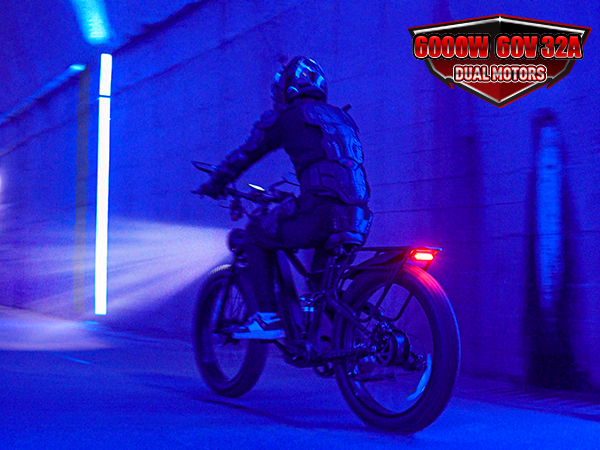
Detailed Guide for Off-Road Electric Bikes
Off-road electric bikes (e-bikes) have revolutionized the way people explore rugged terrain, offering a blend of power, comfort, and adventure. Whether you’re looking to scale steep inclines, traverse rocky paths, or simply enjoy the great outdoors, an off-road e-bike is the perfect tool to enhance your experience. Here’s an in-depth guide to help you choose the best off-road e-bike and what to consider when making your purchase. Key Features to Consider When Buying an Off-Road Electric Bike 1. Shocks and Tires When venturing off-road, shocks and tires are essential for comfort and performance. Off-road trails are often uneven, rocky, or bumpy, so you need a bike that can absorb these shocks efficiently. 2. Motor The motor is the heart of your e-bike, particularly when it comes to climbing hills and navigating tough trails. 3. Battery A reliable battery is crucial for ensuring you don’t run out of juice during your off-road adventure. 4. Customization Options Customization is key to achieving the right fit and performance. 5. Safety Features Safety is paramount when riding off-road, as you’ll encounter rough terrain and possibly unpredictable conditions. Frequently Asked Questions for Off-Road E-Bikes Can e-bikes go off-road? Yes! Off-road e-bikes are designed specifically for rough terrains. With features like powerful motors and robust tires, these bikes offer pedal assist to help you scale hills and navigate challenging trails, making them perfect for backcountry adventures. Which type of e-bike is best for off-road? A fat tire electric bike is generally the best type for off-road riding. The fat tires (typically 3” or wider) offer superior traction and stability, making it easier to handle difficult terrain. Additionally, bikes with front fork suspension or full suspension are ideal for smoother rides over bumpy trails. What are the advantages of a fat tire electric bike for off-road? Can […]
Read more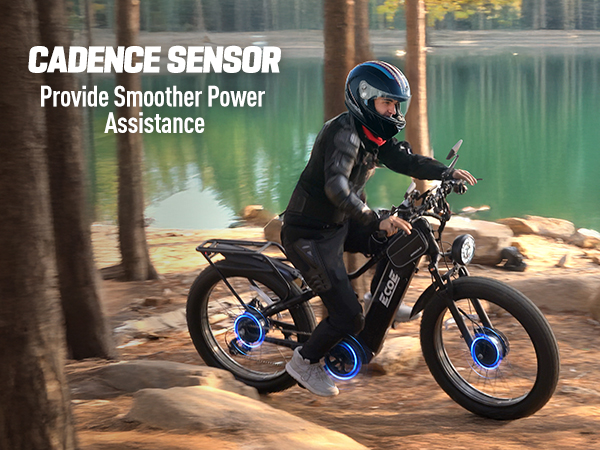
Benefits of Having an All-Terrain E-Bike
An all-terrain electric bike is a game-changer for those who want to explore the outdoors, whether you’re cruising through city streets, hiking trails, or venturing into nature. These bikes are designed to tackle a variety of surfaces, including snow, sand, dirt, grass, and asphalt, providing a smooth and stable ride no matter the conditions. Here’s why an all-terrain e-bike might be your next best purchase. Key Features of All-Terrain E-Bikes Fat Tires One of the standout features of an all-terrain e-bike is the fat tires. These wider tires are perfect for tackling rough, uneven ground, offering more traction and stability. Fat tires typically range from 3.5 inches or wider, making them the ideal choice for everything from sandy beaches to snowy landscapes. Their ability to absorb bumps and reduce vibrations makes for a smoother, more comfortable ride compared to traditional bike tires. Motor Options: Hub-Drive vs. Mid-Drive Most all-terrain e-bikes come with either hub-drive motors or mid-drive motors. Benefits of All-Terrain E-Bikes 1. Long Rides with Less Effort Thanks to the powerful motors and pedal-assist capabilities, an all-terrain e-bike allows you to ride up to 40 miles on a single charge without breaking a sweat. Whether you’re cycling on rough trails or cruising on a paved road, you can cover long distances with ease, making it an excellent choice for both recreational and practical use. 2. Leave No Trail When you’re out hunting or exploring nature, quiet movement is key. The motorized support of an e-bike allows you to move silently without disturbing wildlife. Many all-terrain bikes feature a walk assist mode, enabling you to quietly maneuver your bike in areas where noise could scare off animals. 3. Carry Hunting and Fishing Gear All-terrain e-bikes are great for carrying extra gear. They can support up to 300 lbs of weight […]
Read more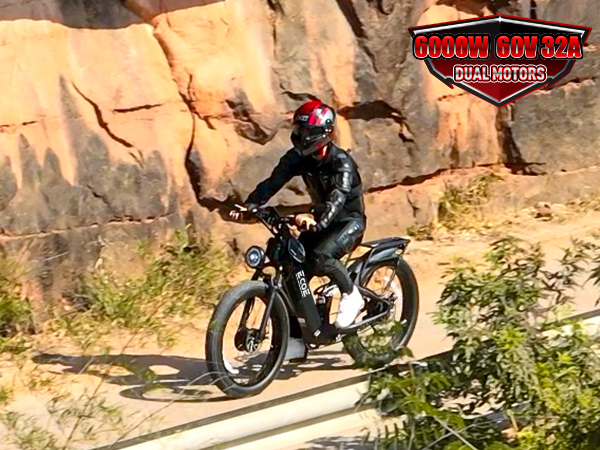
Useful Tips About Charging Your E-Bike
Charging your ecoe e-bike isn’t just about plugging it in—it’s about building small habits that keep your battery healthy, reliable, and ready for every ride. Treat the battery well, and it will quietly power countless smooth journeys. When Should You Charge Your E-Bike? Most ecoe e-bikes come with a simple battery indicator. You don’t need to wait until the battery is completely drained. In fact, frequent, moderate charging is better for long-term battery health. How to Charge an Electric Bike Battery Charging is straightforward: Some riders prefer removing the battery before charging, especially when charging indoors—it’s often more convenient and safer. Smart Charging Tips 1. Fully Charge It the First Time When you first get your ecoe e-bike, give the battery a full charge.This helps it perform smoothly from the start. 2. Charge Regularly, Not Occasionally Don’t wait until it’s empty.Topping up the battery after rides keeps it in better condition over time. 3. Avoid Extremely Low Levels Letting the battery drop too low too often can shorten its lifespan.Try to recharge before it gets critically low. 4. Keep It Away from Extreme Temperatures Batteries prefer a calm environment. 5. Never Store It Completely Empty If you won’t ride for a while, leave some charge in the battery.A completely drained battery left unused can become damaged. 6. Don’t Overcharge Once fully charged, unplug it.Leaving it connected for too long can slowly reduce performance over time. Choosing the Right Charger Always use the charger designed for your ecoe e-bike.It’s built to match your battery and ensures safe, stable charging. A good charger helps: Common Questions About Charging Do e-bikes charge while riding? Most ecoe e-bikes do not recharge while you pedal.They need to be plugged into a power source. Should I always charge to full? Not necessarily.Charging close to full is […]
Read more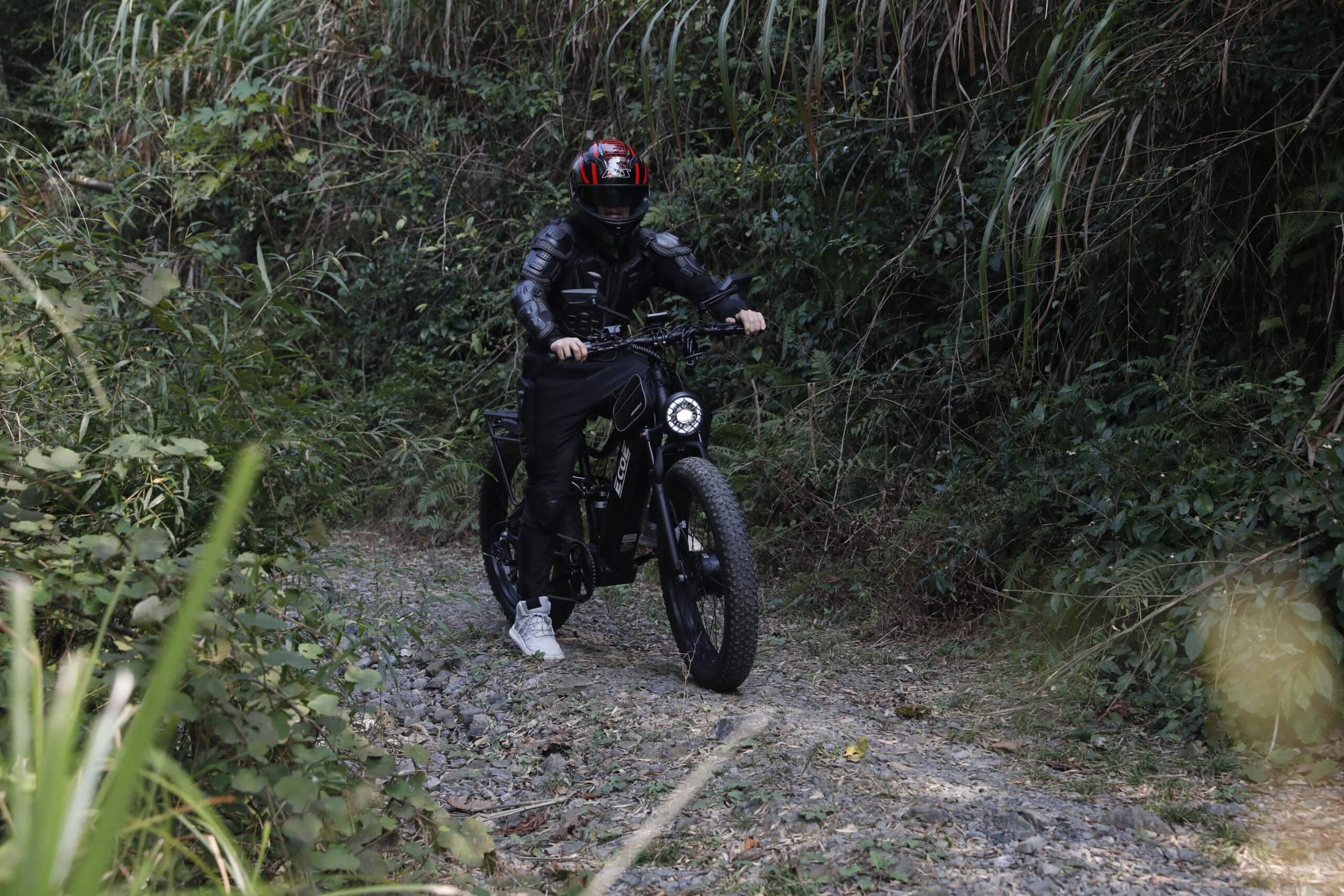
How to Properly Lock Your Bike
Riding your ecoe e-bike brings freedom, speed, and a sense of adventure—but leaving it unattended shouldn’t feel like a gamble. Bike theft is real, but with the right habits, you can make your bike a very difficult target. Simple Steps to Lock Your Bike Properly Choose a Busy, Visible Location Always park where people are around. High foot traffic and good lighting discourage thieves. A bike sitting alone in a quiet corner is far more tempting than one in plain sight. Lock to Something Truly Solid Your lock is only as strong as what it’s attached to. If the object moves, your bike can disappear with it. Understand Your Surroundings Some areas naturally carry higher theft risk. A few extra steps to a safer location are always worth it. Use a Strong, Reliable Lock Not all locks offer the same protection. Think of your lock as your first line of defense—it’s not the place to cut corners. Lock the Frame First, Then the Wheels Always secure the most valuable part first—the frame. Then, if possible: The goal is to protect what matters most, layer by layer. Keep It Tight and Off the Ground Position your lock carefully: Less room means less leverage for tools. Remove Easy-to-Steal Accessories Take anything that can be quickly removed: Even small items can attract attention. Consider a Bike Cover A simple cover can make your bike less noticeable.Out of sight often means out of mind, especially in busy areas. Use Monitored or Secured Areas If available, choose locations with cameras or security presence.Even basic surveillance adds an extra layer of deterrence. How to Lock Your Bike at Home You might assume home is the safest place—but that’s not always true. Indoor Storage Is Best Add Extra Security Even indoors: Quiet residential areas can sometimes be […]
Read more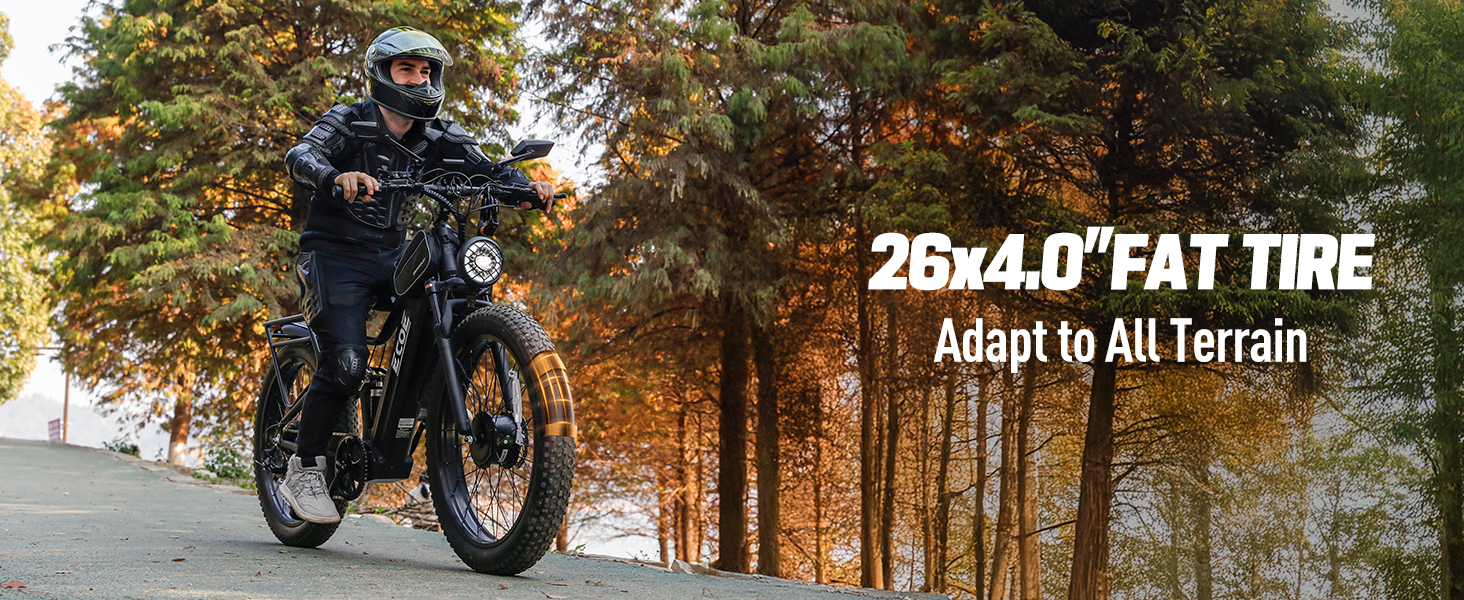
Bike Seatpost Types & How to Measure Size
At first glance, the seatpost might seem like a small, forgettable part of your bike—but it quietly shapes your entire riding experience. Comfort, control, efficiency, and even how connected you feel to the road or trail all depend on choosing the right one. Why the Right Seatpost Matters A well-chosen seatpost does more than hold your saddle in place. It influences how your body absorbs bumps, how efficiently you transfer power, and how comfortable you feel over long rides. Especially on an ecoe electric bike, where you might ride farther and longer, the right setup becomes even more important. Bike Seatpost Types A seatpost (also called a saddle post or saddle pillar) is the tube that connects your saddle to the bike frame. It can be adjusted for height and sometimes angle, helping you dial in the perfect riding position. 1. Dropper Seatpost Dropper posts allow you to adjust saddle height on the fly using a handlebar lever. 2. Pivotal Seatpost This design uses a simple bolt system to connect saddle and post. 3. Plain (Standard) Seatpost A classic and widely used design with a clamp at the top. Key Seatpost Size Factors Choosing the right size is essential for both safety and comfort. There are three main dimensions to consider: Diameter This is the most important measurement. Length Seatposts come in different lengths depending on riding style. Setback Setback refers to how far the saddle sits behind the post. Insertion Depth Every seatpost has a minimum insertion mark. This is especially important on an ecoe e-bike, where added weight and torque increase stress on components. Angle Adjustability Many seatposts allow you to tilt the saddle forward or backward. Seatpost Materials Aluminum Carbon Fiber How to Measure Seatpost Size To find the correct diameter: A proper fit should slide in […]
Read more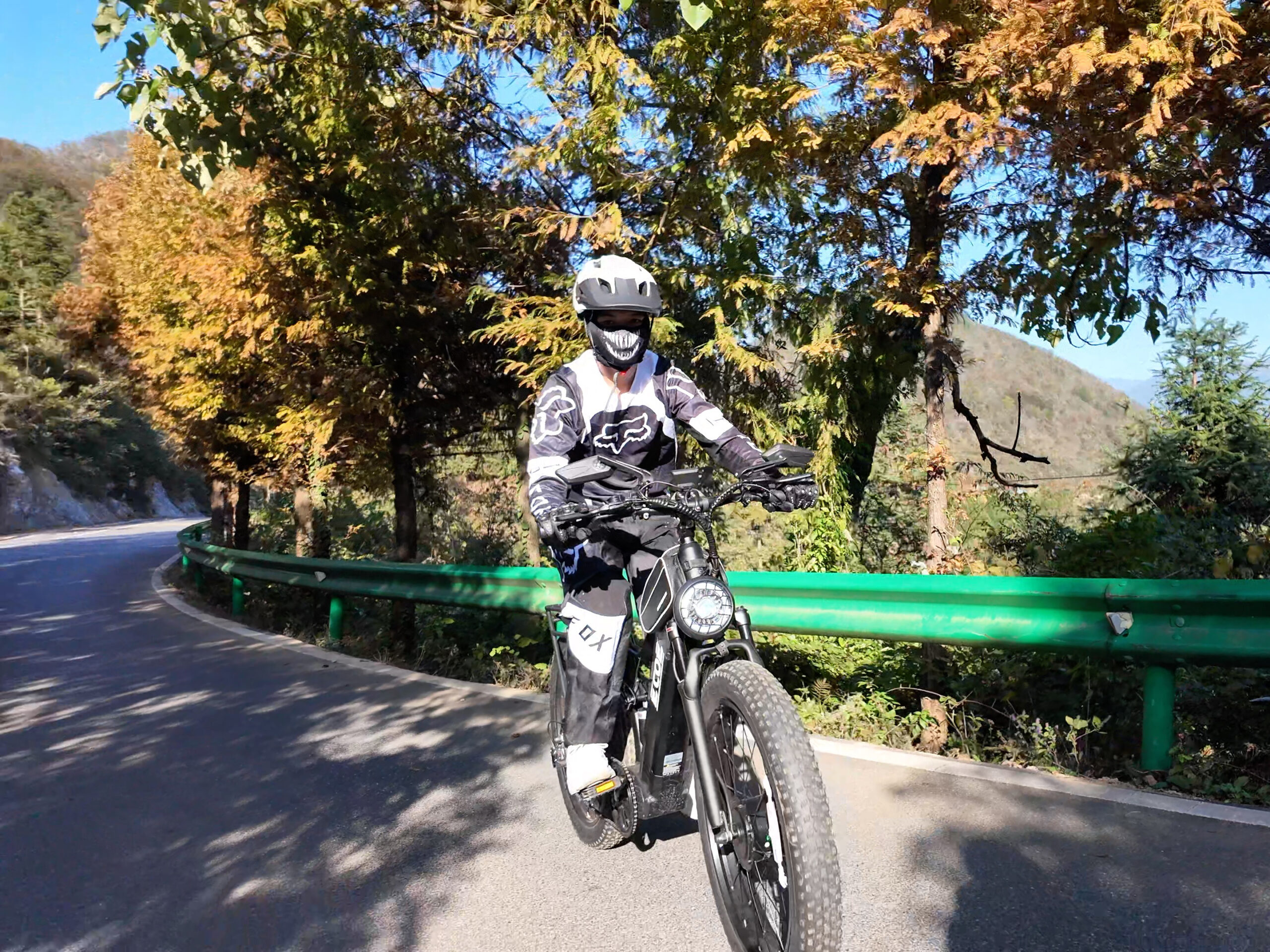
About Electric Bike LCD Display
An LCD display is one of the most important parts of an ecoe electric bike. While the motor powers your ride, the display is what keeps you informed and in control. It acts as your dashboard, giving you real-time insights into how your bike is performing and helping you make smarter riding decisions. Key Features of an E-Bike LCD Display Battery Level The battery indicator shows how much power you have left. Keeping an eye on this ensures you always ride with confidence. Odometer & Trip Tracking The display tracks how far you’ve ridden. This feature is useful for monitoring progress, planning routes, and separating commuting miles from leisure rides. Pedal Assist Levels Pedal assist is one of the core functions of an ecoe e-bike. You can easily adjust assist levels using simple controls, depending on your needs. Speed Display Your LCD screen shows your riding speed in real time. This helps you stay aware of your pace and ride safely in different environments. USB Charging Many ecoe e-bikes include a USB port on the display. It adds convenience, especially for daily riders. Power Output (Electricity Meter) The power meter shows how much energy your bike is using. Why the LCD Display Matters The LCD display is more than just a screen—it’s your riding companion. It helps you: Final Thoughts An ecoe electric bike LCD display brings together all the essential information you need in one place. By understanding how each feature works, you can take full control of your ride and enjoy a smoother, smarter cycling experience every time you hit the road.
Read more
Bike Commuter Tips for Beginners
Starting your daily ride on an ecoe e-bike can feel a little intimidating at first—especially with traffic, timing, and everything you need to carry. But once you build confidence, commuting by bike becomes one of the most enjoyable and freeing ways to travel. Here are simple, practical tips to help you get started safely and comfortably. Top Tips for Bike Commuting 1. Do a Quick Safety Check Before every ride, make sure your bike is ready to go. A quick check can prevent bigger problems on the road. 2. Plan Your Route in Advance Your route can make or break your commute. A slightly longer but calmer route is often much safer and more enjoyable. 3. Carry What You Need (and Nothing More) Keep your setup simple and practical. With an ecoe e-bike, carrying a bit of extra weight is easier—but staying organized still matters. 4. Stay Visible at All Times Visibility is one of the most important safety factors. If drivers can see you clearly, your ride becomes much safer. 5. Learn and Follow Road Rules Ride like a vehicle, not a pedestrian. Being predictable helps everyone around you react safely. 6. Communicate with Drivers Clear communication reduces risk. If you’re unsure, always ride cautiously and give yourself space. 7. Lock Your Bike Securely A good lock is essential for daily commuting. Consistency is key—always lock your bike, even for short stops. Bonus Tips for a Better Commute Final Thoughts Bike commuting may feel challenging at first, but it quickly becomes second nature. With the right habits and a reliable ecoe e-bike, your daily ride can turn into something you actually look forward to. Take it step by step, stay aware, and enjoy the freedom that comes with riding.
Read more
Does Riding a Bike Work Your Abs?
Yes—riding a bike does work your abs, but not in the same direct way as traditional core exercises. Instead of isolating your abdominal muscles, cycling engages them indirectly to support balance, posture, and overall control. Effects of Biking on Ab Muscles When you ride an ecoe electric bike, your legs do most of the visible work, but your core is constantly active behind the scenes. 1. Core Stability Your abs help keep your body stable while riding. Every time you balance, turn, or ride over uneven terrain, your core muscles activate to keep you upright. 2. Posture Support Maintaining a good riding position requires your abs to stay engaged. Sitting upright or leaning slightly forward naturally activates your core muscles throughout the ride. 3. Continuous Muscle Engagement Even though the movement isn’t as intense as crunches, your abs contract repeatedly while cycling. Over time, this helps improve: Does Cycling Build Strong Abs? Cycling can tone and strengthen your abs, but results depend on how you ride. If you simply sit and pedal without engaging your core, your abs won’t get much benefit. How to Engage Your Abs While Riding To get the most out of your ride, you need to actively use your core. Keep Your Core Tight Gently tighten your abs while riding, as if preparing for a light punch. This keeps your muscles engaged the entire time. Maintain Good Posture Avoid slouching. A stable upper body forces your abs to work harder. Mix Sitting and Standing Control Your Movement Smooth pedaling and controlled breathing naturally activate your core. Simple Ways to Boost Ab Activation on Your Bike You can turn a normal ride into a core workout with a few small changes: These techniques make your abs work harder without needing extra equipment. Final Thoughts Riding an ecoe […]
Read more1