Feb 13, 2025
2025’s Top 6 5000W Electric Bikes for Extreme Mountain Climbing
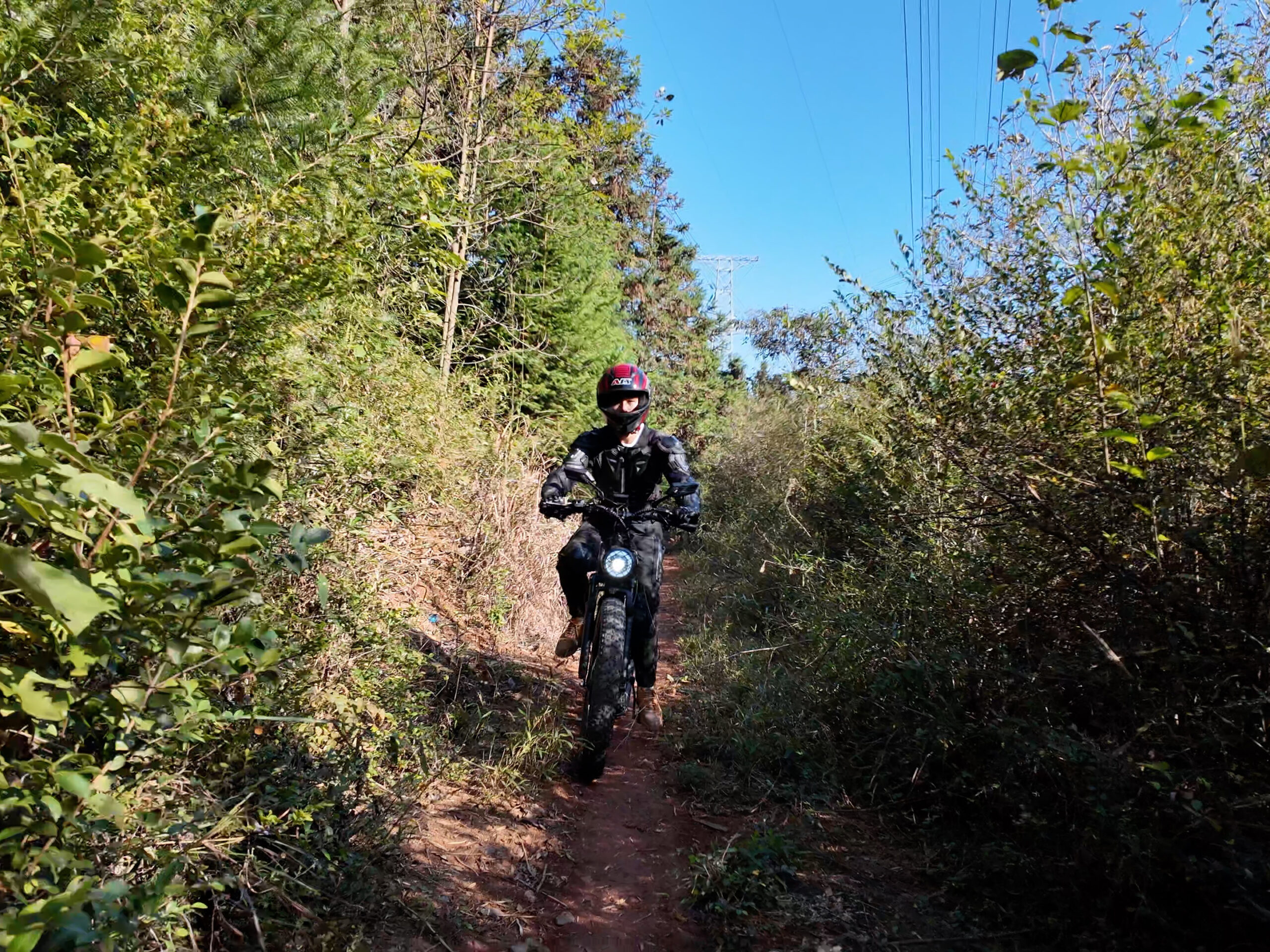
In 2025, 5000W Electric Bikes have become the ultimate ride for extreme mountain biking enthusiasts. Whether it’s steep slopes, rugged off-road trails, or muddy terrain after a rainstorm, these high-powered electric bikes can easily conquer them all with their robust power and top-tier suspension systems. This article will recommend six of the best 5000W Electric Bikes for extreme mountain biking and provide a detailed comparison of their power, range, hill-climbing capabilities, and handling performance to help you find the perfect ride!
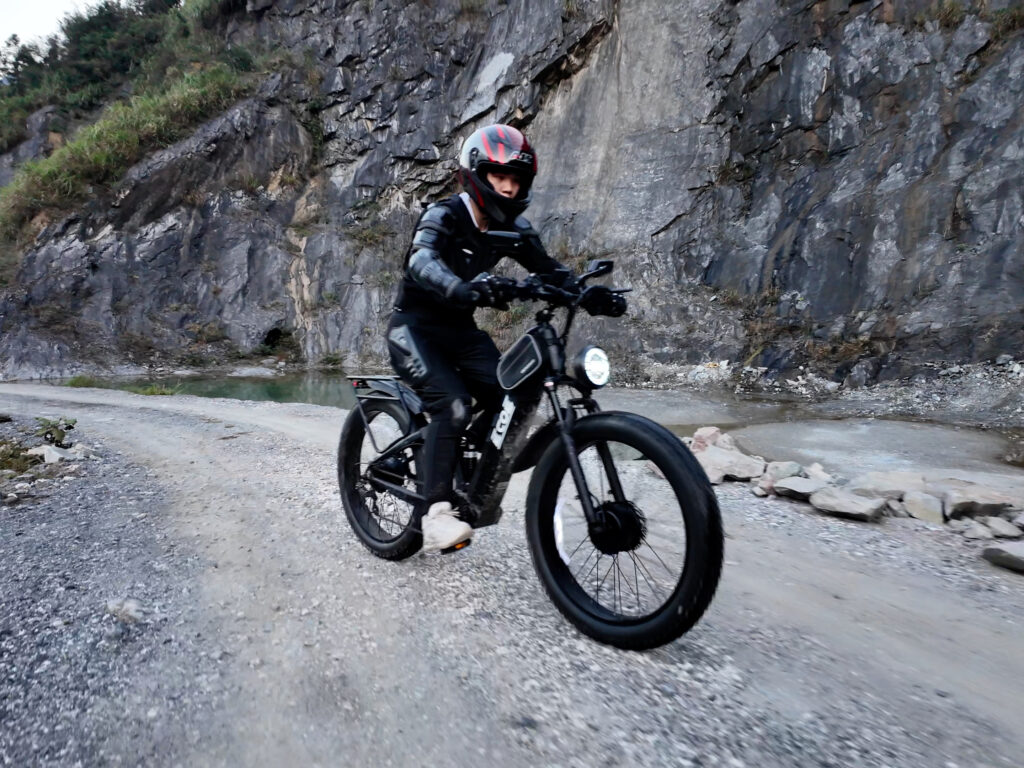
- Wolf King GTR 5000W – Hill-Climbing Champion, Conquering Steep Slopes at High Speed
- If you want to challenge the most extreme mountain terrain, the Wolf King GTR 5000W is the top choice. This electric bike is equipped with a 5000W brushless motor and a 72V 35Ah lithium battery, capable of reaching a top speed of 90 km/h and boasting a hill-climbing ability of up to 50°.
- Its hydraulic suspension system is a highlight for off-road riding, providing strong cushioning on rugged mountain trails, reducing the impact, and enhancing traction. Many off-road riders have shared their experiences on social media: “The Wolf King GTR has enabled me to conquer steep mountain paths that I previously dared not attempt.”
- Quote: “Climb mountains not so the world can see you, but so you can see the world.”
- Xtreme Climber 5000W – Lightweight Design, Off-Road Expert
- The Xtreme Climber 5000W is a lightweight model designed specifically for long-duration off-road and mountain challenges. It features an aerospace-grade aluminum alloy frame, making it lighter than other 5000W models and allowing for more agile riding.
- One of its highlights is the intelligent torque-sensing system, which automatically adjusts power output based on the gradient, providing a smoother climbing experience. The maximum climbing angle is 45°, which is sufficient for most mountain biking scenarios.
- A rider shared on a forum: “The Xtreme Climber 5000W enabled me to complete a 3-hour mountain crossing. Its range and stability are fantastic!”
- Titan Ridge 5000W – Long-Range, All-Terrain Dominator
- If you plan to embark on long-distance mountain adventures, the Titan Ridge 5000W is undoubtedly the best choice. Equipped with a 75V 40Ah super lithium battery, this bike offers a range of up to 120 km, lasting longer than most 5000W electric bikes on the market.
- Additionally, the Titan Ridge features dual hydraulic suspension at the front and rear, maintaining stability even on rocky slopes. User review: “The Titan Ridge gives me the confidence to tackle long mountain routes without worrying about battery life.”
- Quote: “The best view comes after the hardest climb.”
- Everest Storm 5000W – Conqueror of Muddy Terrain
- On slippery and muddy mountain roads, the Everest Storm 5000W performs exceptionally well. It is equipped with all-terrain anti-slip off-road tires and an IPX6 waterproof system, providing excellent traction even in adverse weather conditions.
- The powerful torque output ensures stable traction at low speeds, making it ideal for complex mountain paths. User feedback: “The Everest Storm remains as stable as a rock on muddy mountain trails after a rainstorm.”
- Thunder Peak 5000W – Extreme Control, Precise Riding
- If you seek high-precision control, the Thunder Peak 5000W is the best option. It features dual hydraulic disc brakes and an intelligent dynamic balance system, allowing for precise braking even on steep downhill slopes, ensuring safety.
- The low center of gravity design enhances its flexibility in mountain biking, making it suitable for challenging high-difficulty routes. Professional rider’s evaluation: “The Thunder Peak makes steep downhill riding safer and more controllable.”
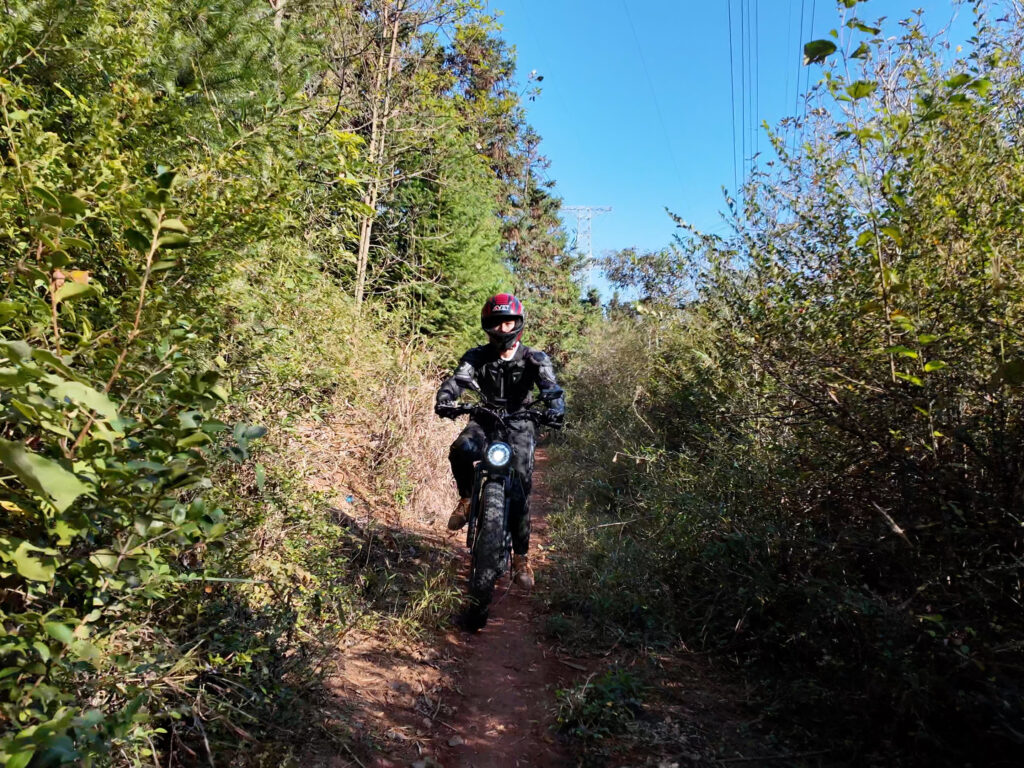
- Ecoe 5000W Electric Bike – Eco-Friendly Power, Comfortable Ride
- The Ecoe 5000W is a mountain electric bike that combines eco-friendly concepts with high performance. It uses a high-efficiency 5000W motor coupled with an intelligent energy-saving management system, ensuring strong power while optimizing range performance.
- Unlike other extreme off-road models, the Ecoe 5000W features an ergonomic frame design that prevents excessive fatigue during long rides, making it perfect for long-distance mountain biking enthusiasts.
- User experience: “The Ecoe 5000W allows me to feel the powerful thrust during mountain crossings without quickly depleting the battery.”
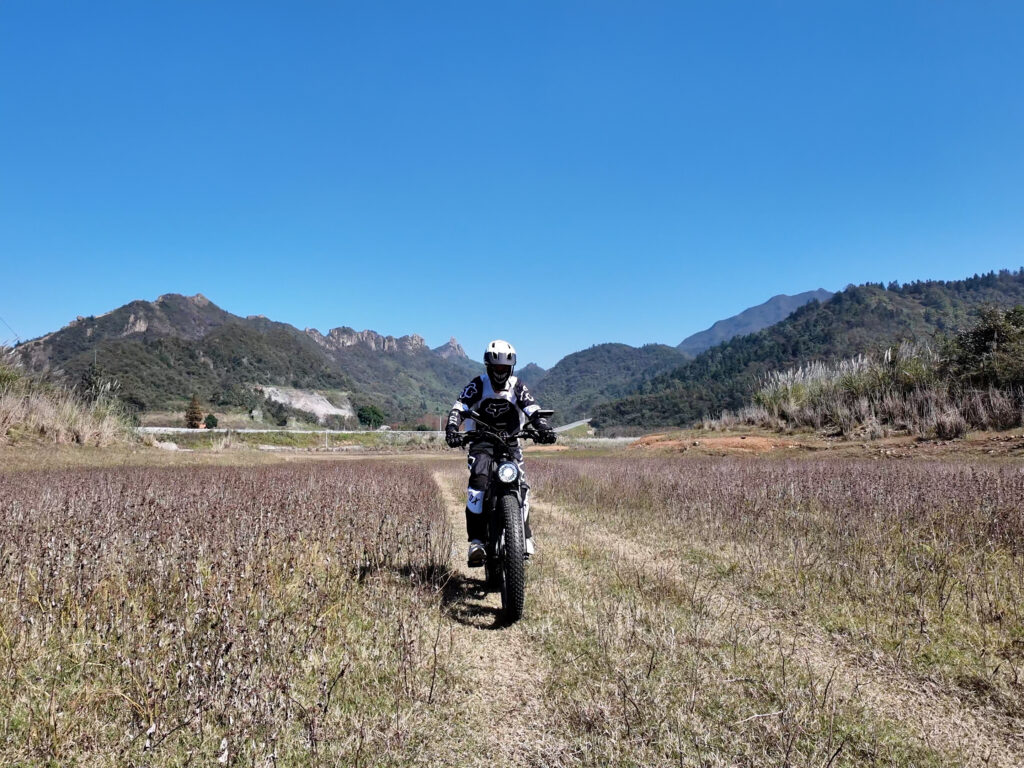
Which 5000W Electric Bike is Right for You?
| Model | Suitable for | Key Features |
|---|---|---|
| Wolf King GTR 5000W | Extreme Hill-Climbers | 50° hill-climbing ability, hydraulic suspension |
| Xtreme Climber 5000W | Lightweight Off-Road Enthusiasts | Aerospace-grade frame, intelligent torque sensing |
| Titan Ridge 5000W | Long-Distance Riders | 120 km range, dual hydraulic suspension |
| Everest Storm 5000W | Conquerors of Slippery Terrain | All-terrain off-road tires, waterproof design |
| Thunder Peak 5000W | Racing Riders | Low center of gravity, precise control |
| Ecoe 5000W | Eco-Friendly and Comfort-Seeking Riders | Intelligent energy-saving management, long-lasting comfort |
In 2025, 5000W Electric Bikes have become the ultimate tool for mountain biking. Whether you are challenging the extremes or enjoying long-distance rides, there is a model that suits you. Choose your perfect ride and conquer those uncharted mountain peaks!
Leave a comment
Please note, comments need to be approved before they are published.
当前文章评论已关闭。
-
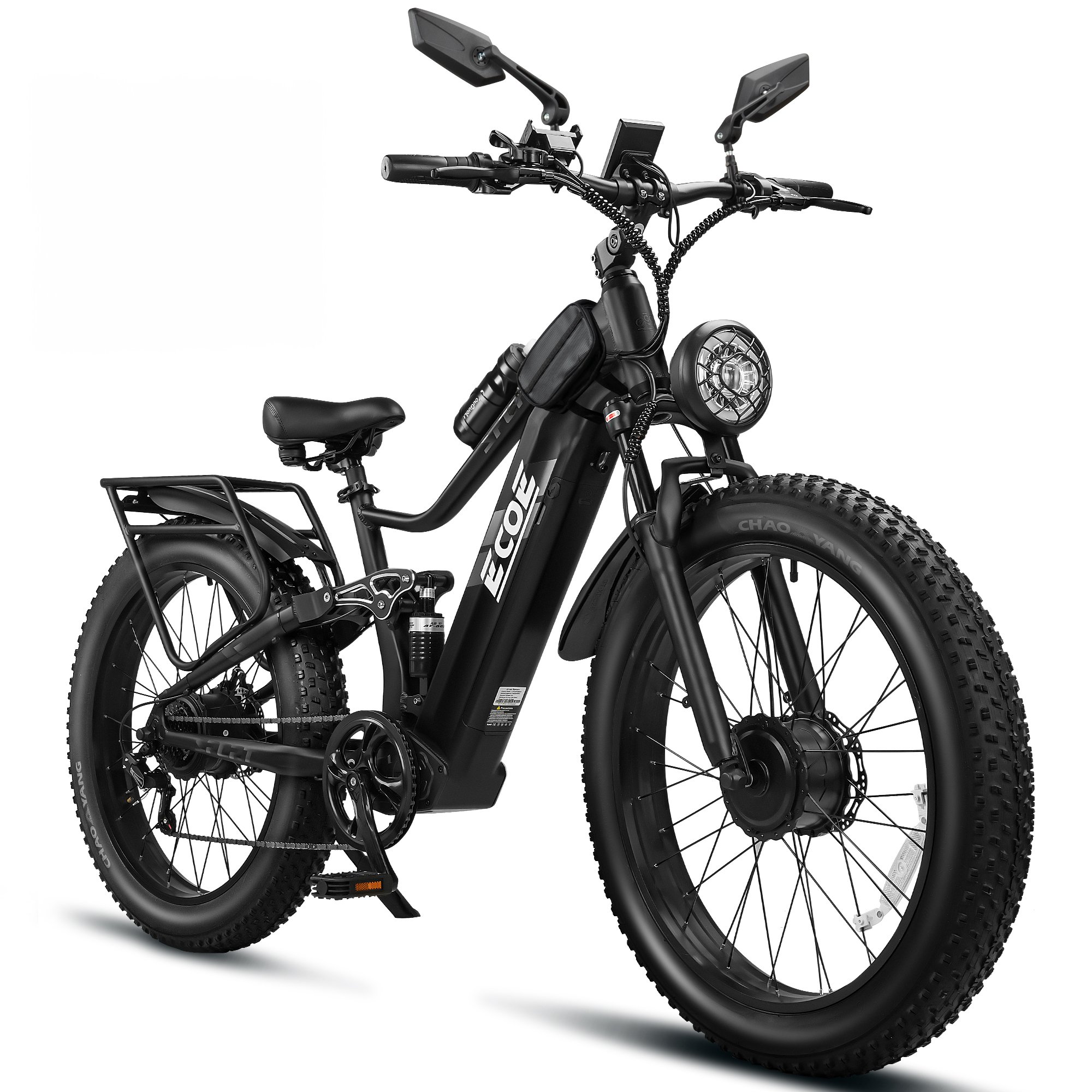
EcoE 9000W Dual Motor Electric Bike for Adults 52MPH 60V32A, 26×4 Fat Tire All Terrain Ebikes, Full Suspension E Bike, SHM 7-Speed Gear Electric Bicycle 9000W-60V
From$1,329.00 Add to cart-
10000W Dual Motor Electric Bike for Adults 52MPH with Charge Voltage 63v Battery, 26×4 Fat Tire All Terrain Ebikes, Full Suspension E Bike, SHM 7-Speed Gear Electric
From$1,699.00 Add to cart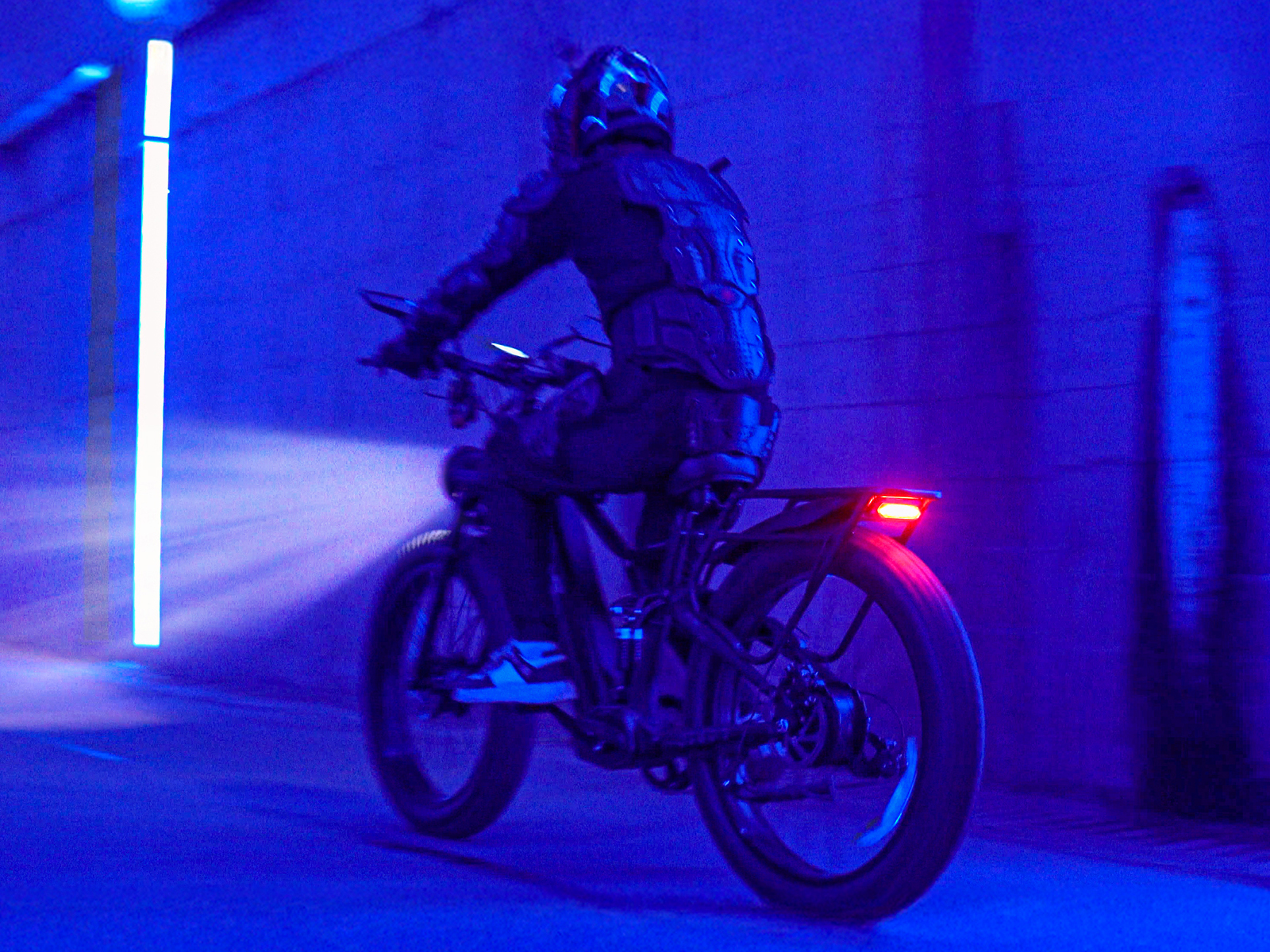
Fallen Fruit and Acorns on the Path: A Safe Line-Choice Plan for EcoE
Meta Description: Handle fallen fruit and acorns on an EcoE by reading the debris field, slowing on clean pavement, and avoiding crushed pulp and sudden steering. Introduction A tree-lined path can look completely ordinary until fallen fruit, acorns, or seed pods begin covering the riding surface. Whole fruit and hard nuts behave differently from ordinary loose gravel. A tire can push a round object forward, roll over it, or send it sideways. Once fruit has been crushed by bicycles, pedestrians, or vehicles, the remaining pulp and moisture can create an even less predictable surface. The hazard is therefore not always the object that is easiest to see. A clean-looking section may be interrupted by a thin stained area, scattered skins, or several pieces hidden in shadow. Your EcoE line may need to change before you reach the debris rather than at the last moment. Quick Answer Look ahead and identify the entire debris field before reaching it. Slow down while your tires are still on clean pavement, then choose the widest continuous line that avoids loose objects and visible pulp. Keep the electric bike upright, make steering movements gradually, and avoid aggressive braking once the tires are directly over the contaminated surface. If the path is heavily covered, pedestrians occupy the available clear space, or you cannot identify a stable exit, stop somewhere protected and choose a walking detour or another route when permitted. Read the Whole Debris Field Do not focus on a single acorn or piece of fruit. Instead, scan across the entire section and ask: The best line is not necessarily the one with the fewest visible objects. A slightly longer clean line may provide more predictable steering than repeatedly moving around individual pieces. Look beyond the first few feet of pavement so your chosen path does […]
Read more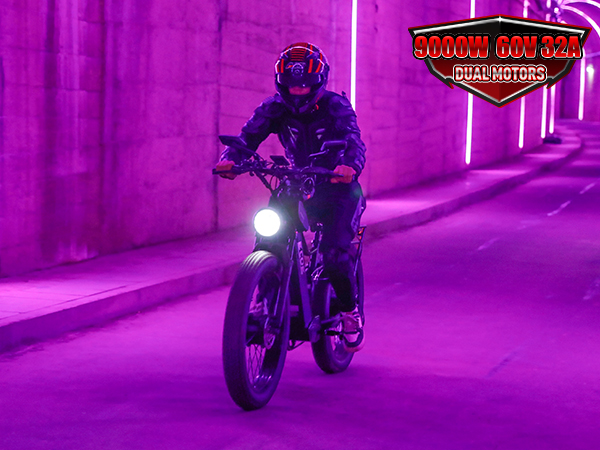
ECOE Beside an Articulated Truck: Read Rear-Wheel Off-Tracking Before the Turn
Meta Description: Learn why an articulated truck’s rear wheels cut inside its front path and how an ECOE rider can wait outside the turning envelope. Introduction Large articulated trucks create a unique challenge because the vehicle does not move as one simple unit. A cab may begin turning smoothly, yet the trailer follows a different path behind it. As the truck rotates, the rear wheels often track closer to the inside of the turn than the front wheels. The trailer side can also move outward in the opposite direction, creating a changing space around the vehicle. For an ECOE rider, the important habit is understanding the entire turning movement rather than judging safety from the truck’s front corner or the space that appears open at the beginning of the turn. A gap beside a truck may disappear quickly once the trailer begins following the cab. Quick Decision If an articulated truck is signaling, positioned near a corner, angled for a turn, or beginning a wide setup, do not enter the space beside it. Stop where the trailer and rear wheels cannot sweep toward your position. Even if a bike lane continues forward, the marked path does not remove the need to consider the truck’s turning envelope. Wait until the entire vehicle has completed the turn and the remaining path is visible before continuing. A few extra seconds of waiting are easier to manage than trying to escape a closing space beside a moving trailer. The Trailer Does Not Follow the Cab Many riders naturally watch the front of a truck because that is where the movement begins. However, the most important part for a nearby rider may be farther back. During a turn: This means the area beside the trailer may become occupied even if it looked clear moments earlier. […]
Read more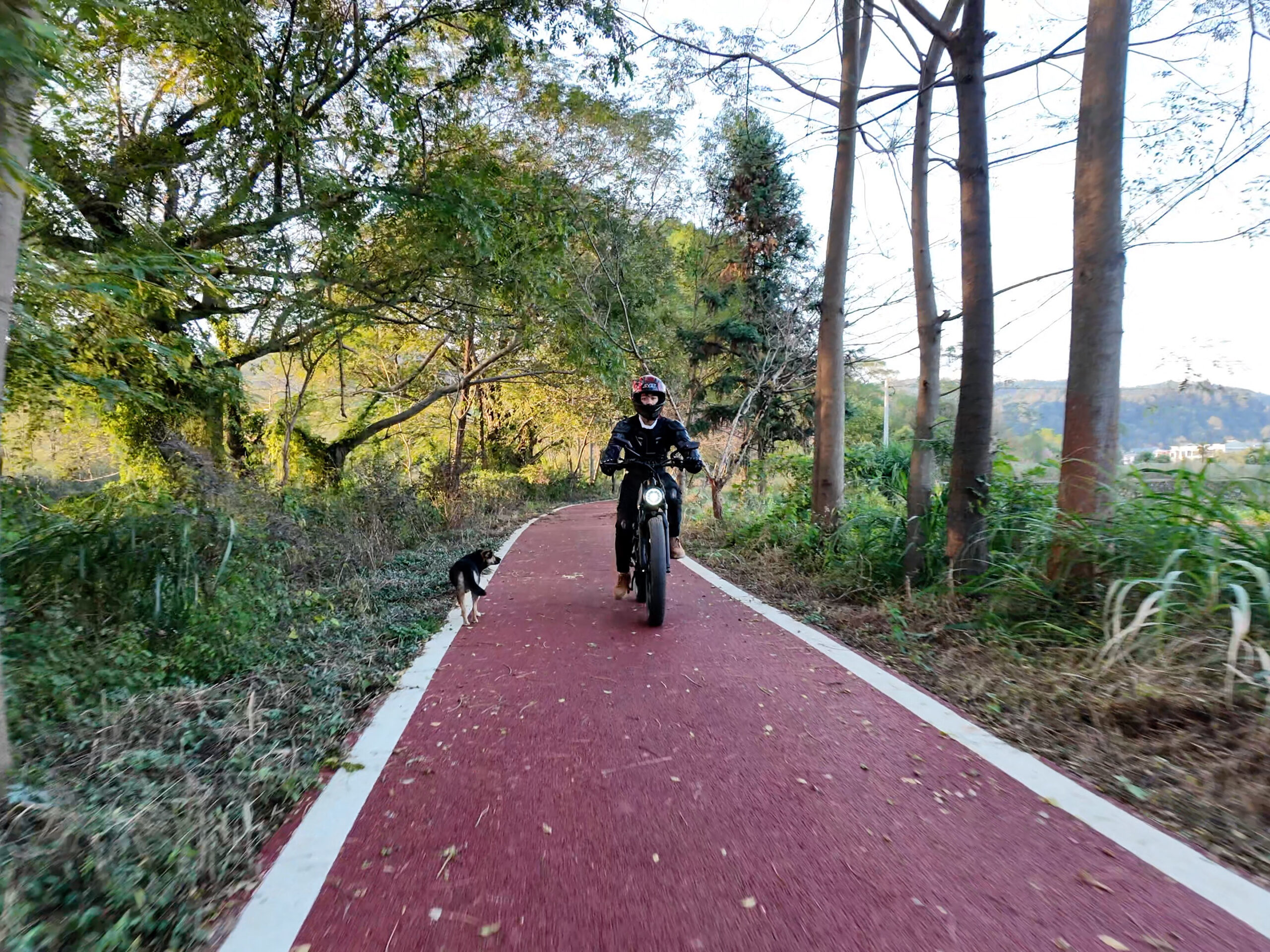
Trash-Collection Day on an EcoE: Read Bins, Glass, and Stopping Trucks
Meta Description: Ride an EcoE more deliberately on trash day by scanning displaced bins, loose debris, workers, truck blind areas, and narrowed curb space. Introduction On trash-collection day, a familiar neighborhood street can quickly become a temporary work corridor. Bins may sit in the usual riding space, lids can blow into the road, loose trash may spread around the curb, and collection trucks may stop repeatedly from one driveway to the next. Workers may also move between the truck, bins, homes, and the roadway. For an EcoE rider, the important habit is to expect the route to change from block to block. A street that normally feels predictable may require slower riding, wider spacing, and more frequent stops on collection day. Quick Answer Reduce speed before reaching each group of bins and scan beyond the containers for workers, loose debris, pedestrians, pets, and changing traffic. Keep a predictable line and avoid squeezing between a collection truck and the curb. Never pass through an active pickup area simply because there appears to be enough room. If the truck is working ahead, wait at a safe distance or use another lawful route. Change lanes only when the movement is permitted, clearly visible, properly signaled, and separated from approaching traffic. Scan the Ground Around Every Bin The bin itself is only one part of the hazard. Look around its base and along the curb for: Glass can be particularly difficult to notice when it blends into the pavement or sits near other roadside debris. Avoid focusing only on the largest visible object. Also consider the movement of the bin itself. A lightweight container can roll, tip, or shift when exposed to wind or when a worker moves it. Give yourself enough space to respond without suddenly steering into another traffic lane. Watch for […]
Read more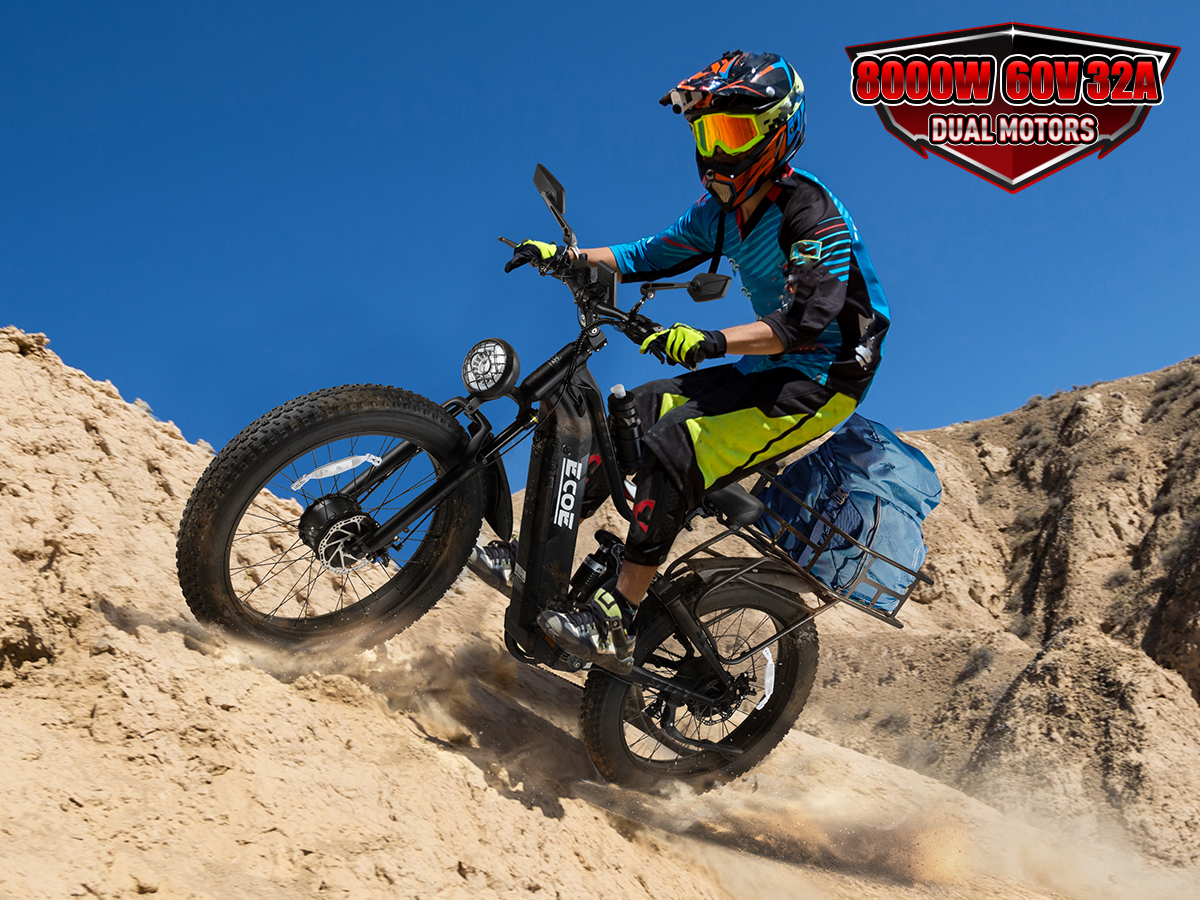
EcoE Fogged-Eyewear Stop: Restore Clear Vision Before Moving Again
Meta Description: If glasses or a visor fog during an EcoE ride, slow predictably, stop outside traffic, clear the lenses properly, and verify vision before restarting. Introduction Glasses, goggles, or a helmet visor can fog when warm moisture meets a cooler lens, or when airflow changes during a stop, climb, or temperature shift. The effect may appear gradually, starting as a light haze before becoming a serious visibility problem. Even a thin layer of fog can reduce your ability to judge road texture, lane position, pedestrians, vehicles, and changing surface conditions. On an EcoE ride, reduced vision should be treated as a reason to slow down and stop rather than something to manage while moving. Clear vision is part of bike control. If you cannot clearly read the environment ahead, the safest next step is to restore visibility before continuing. Quick Answer Keep both hands on the controls, maintain a predictable line, and reduce speed smoothly when you notice fogging. Do not remove eyewear, lift a visor, or wipe lenses while riding. These actions can reduce control at the exact moment when your vision is already limited. Move out of the travel path at the first safe opportunity, stop completely, secure the EcoE, and clear the lens according to the eyewear or helmet manufacturer’s instructions. Before restarting, confirm that your central and side vision are clear while stationary. Recognize the Early Warning Signs Many riders notice fogging only after visibility has already become limited. Learning the early signs helps you make a controlled decision before the problem becomes urgent. Common warning signs include: Do not wait until the lens becomes completely covered. A small reduction in visual information can affect reaction time, especially around intersections, pedestrians, turns, or uneven surfaces. Begin your stop plan while you still have enough visibility […]
Read more
EcoE Road-Rage Exit Plan: Disengage Without Arguing From the Saddle
Meta Description: If another road user becomes aggressive, use an EcoE disengagement plan built on distance, no argument, a public safe place, and lawful reporting. Introduction A horn, close pass, shouted comment, or deliberate blocking move can turn an ordinary EcoE ride into a threatening encounter. Even a brief interaction can become more serious if both road users stop, argue, or attempt to prove who was right. When another person becomes aggressive, the goal should not be to settle the disagreement from the saddle. The priority is to create distance, avoid escalation, and reach a location where other people can provide assistance if necessary. A simple exit plan gives you something practical to follow when stress makes it harder to think clearly. Quick Answer If another road user becomes aggressive, do not argue, gesture back, chase, block, or stop beside the person. Keep the EcoE on a predictable and lawful line while looking for an opportunity to increase distance. If the other road user moves ahead, allow them to leave when it is safe. If you can legally change direction, consider moving toward a staffed, well-lit, public location. Avoid leading the person toward your home, workplace, or another private destination. If the danger is immediate, contact local emergency services as soon as you can do so safely. Recognize When the Situation Is Escalating Not every impatient driver or frustrated comment becomes a dangerous encounter, but certain behaviors can signal that you should disengage rather than continue the interaction. These may include: You do not need to determine the other person’s intentions before taking reasonable steps to create distance. If the situation feels increasingly hostile, shift your attention from the disagreement to your exit route. Create Distance Without a Contest Creating distance does not mean trying to outrun or challenge the […]
Read more
EcoE Curb-Ramp Transition: Cross the Gutter Lip With the Wheel Square
Meta Description: Approach a legal curb-ramp transition on an EcoE by yielding to pedestrians, reading the gutter lip, slowing early, and keeping the wheel square. Introduction A curb ramp may appear smooth from a distance, but the gutter at its base can hide a narrow lip, diagonal seam, puddle, or damaged edge. When bicycle access is permitted, an EcoE rider should approach the transition deliberately while leaving plenty of space for pedestrians. A small change in surface height is easier to manage when you identify it early and keep the electric bike stable. Quick Answer First, confirm that riding through the area is permitted and yield to pedestrians using the crossing. Slow down before reaching the transition, identify the cleanest part of the gutter lip, and keep the front wheel as close to square with the edge as the available space allows. If the edge is high, wet, damaged, crowded, or difficult to read, dismount and walk the EcoE through the transition safely. Read the Base of the Ramp Look beyond the painted ramp surface and inspect the area where it meets the gutter. Watch for a vertical edge, storm-drain channel, loose grit, tactile paving, standing water, or other changes in surface height. Choose a structurally sound path that does not take space away from someone waiting to cross. Do not assume every curb ramp has the same shape or transition. Reading the actual surface in front of you gives you a better opportunity to adjust before the front tire reaches the edge. Cross With a Quiet Front Wheel Set your direction before the tire reaches the lip and keep the handlebars steady as you cross. Use gentle, consistent momentum instead of a sudden burst of assistance. Avoid sharp braking or steering while the tire is directly on the edge, […]
Read more
EcoE Cable-Rub Check: Find Frame Contact Before the Housing Wears Through
Meta Description: Inspect EcoE cable and wire contact points with the electric bike off, turning the bars gently and escalating frayed, pinched, or functional issues to service. Introduction Cables, hoses, and electrical wires can come into contact with the frame as the handlebars turn or the suspension moves. At first, light contact may leave nothing more than a polished or rubbed spot. With continued movement, however, that contact can wear through the housing or finish. A simple EcoE visual check can help identify these contact points early, before a small routing issue develops into a functional concern. Quick Answer Switch the EcoE off, stabilize the electric bike, and inspect the visible cable and wire routing without pulling on connectors. Look for shiny contact spots, flattened housing, cracks, fraying, sharp bends, or signs of pinching. Slowly turn the handlebars through their normal range while watching each line. Stop the inspection if a cable becomes tight, catches, or moves abnormally. Use Light, Sight, and Movement Good lighting makes small rub marks and changes in cable position easier to spot. A clean, dry electric bike can also make the inspection more consistent. Compare the routing with the handlebars centered and then gently move them toward the left and right positions. Watch how each line shifts and where it contacts the frame. Do not force the handlebars beyond their normal steering stops, and do not activate powered controls while inspecting the routing. The goal is to observe natural movement without creating additional tension. Separate Cosmetic Marks From Damage A light surface scuff is different from cracked or cut housing, but it may not always be easy to determine the difference immediately. If you are uncertain, photograph the area and monitor whether the mark changes over time. Also pay attention to related symptoms involving braking, […]
Read more
Aim Your EcoE Headlight: See the Route Without Dazzling Others
Meta Description: Check EcoE headlight aim against a wall, confirm the mount is secure, and verify the beam on a low-risk route without dazzling others. Introduction A headlight can be bright and still be poorly aimed. Pointed too high, it may shine directly into the eyes of riders, drivers, or pedestrians. Pointed too low, it may illuminate little more than the pavement immediately ahead of the tire. A quick EcoE headlight check helps create a useful balance: enough forward illumination to understand the route while keeping the beam considerate of everyone around you. Quick Answer Park the EcoE on level ground facing a plain wall, center the handlebars, and check where the brightest part of the beam falls. Make adjustments only through the approved light mount and make sure the light remains secure afterward. Then verify the beam at low speed in a legal, low-traffic area before returning to normal night riding. Start With a Repeatable Wall Check Use the same distance and tire position each time you compare adjustments. Before moving the light, take note of its original angle so you have a clear reference point. The goal is a controlled forward beam, not simply aiming the light as high as possible. Follow the light manufacturer’s instructions and any applicable local requirements for beam cutoff, light color, and mounting position. A consistent wall check also makes it easier to recognize when the beam has shifted after riding over rough surfaces. Check the Mount Before the Beam Even a well-aimed headlight is not useful if the bracket moves while riding. With the EcoE turned off, look for visible looseness, cracks, pinched wires, or interference with the handlebars and controls. Avoid overtightening unfamiliar hardware, as excessive force can create other problems. If the mount cannot hold its position securely, fix the […]
Read more
Windblown Plastic Ahead: Keep It Out of an EcoE Wheel and Drivetrain
Meta Description: Handle windblown bags or film near an EcoE by slowing early, leaving space, avoiding a last-second kick, and inspecting only after a safe stop. Introduction A lightweight bag, piece of packaging film, or loose ribbon can drift across the road and suddenly lift with the next gust. If it reaches a wheel, brake area, or drivetrain, it can become tangled around moving components. For an EcoE rider, the safest approach is not to predict exactly where the debris will move. Instead, create enough space to avoid it and give yourself time to respond calmly. Quick Answer Spot windblown debris early, check the surrounding traffic, and reduce speed while maintaining a predictable line. When lawful and practical, pass with plenty of clearance. Do not try to kick, grab, or make a sudden steering movement to avoid a moving bag. If the material contacts the electric bike, find a safe place to stop before checking the affected area. Watch the Wind, Not Only the Object Windblown debris rarely moves in a perfectly predictable path. Flags, leaves, passing vehicles, and gaps between buildings can give you clues about changing wind direction. On a windy day, give lightweight debris extra room, especially around passing vehicles where air movement can change suddenly. Avoid putting yourself between the debris and a curb, parked vehicle, or active traffic lane. A few extra moments of distance can give you more options than a last-second maneuver. If the Plastic Touches the Electric Bike Stay calm and keep your hands away from rotating components. Ease off the power and maintain a stable line. If the electric bike is still responding normally, apply the brakes progressively and move toward a safe stopping area. If you notice unusual noise, resistance, vibration, or a change in steering, do not try to […]
Read more
EcoE Courtesy-Wave Trap: Verify Every Lane Before Crossing
Meta Description: When a driver waves an EcoE rider through, verify signals, every lane, sightlines, and legal priority instead of treating the gesture as clearance. Introduction A stopped driver may smile and wave an EcoE rider across a driveway or intersection. The gesture may be friendly, but that driver controls only one vehicle. Another lane, turning vehicle, cyclist, or pedestrian may still be hidden from view. Traffic signals, signs, road markings, and right-of-way rules also remain in effect. For EcoE riders, the useful habit is simple: acknowledge the courtesy, then verify the entire crossing yourself. Quick Answer Acknowledge the driver if appropriate, but do not enter solely because of the wave. Check the signal, signs, road markings, pedestrians, and each traffic lane independently. Move only when your movement is legally permitted and the complete path is visible. If you cannot verify the crossing, wait or choose another route. Understand What the Wave Really Tells You A driver waving may simply be communicating that they intend to remain stopped. That gesture does not mean the driver can: Treat the wave as information about one vehicle, not as clearance for the entire road. Rebuild the Hidden View Large vehicles can hide a second lane, a turning vehicle, or someone approaching from the sidewalk. Stop where you remain visible and scan around the obstruction without rolling into the conflict area. Look for movement beyond the vehicle before committing to the crossing. If the view remains blocked, do not allow the waiting driver’s gesture to pressure you forward. Staying put may be the clearest decision until the path opens. Handle Pressure Without Rushing The driver may continue waving or appear to be waiting for you to go. That can create an uncomfortable feeling that you are holding up traffic. You do not need to […]
Read more1
-