Mar 18, 2025
Best Lightweight Electric Mountain Bikes for Easy Transport and Handling
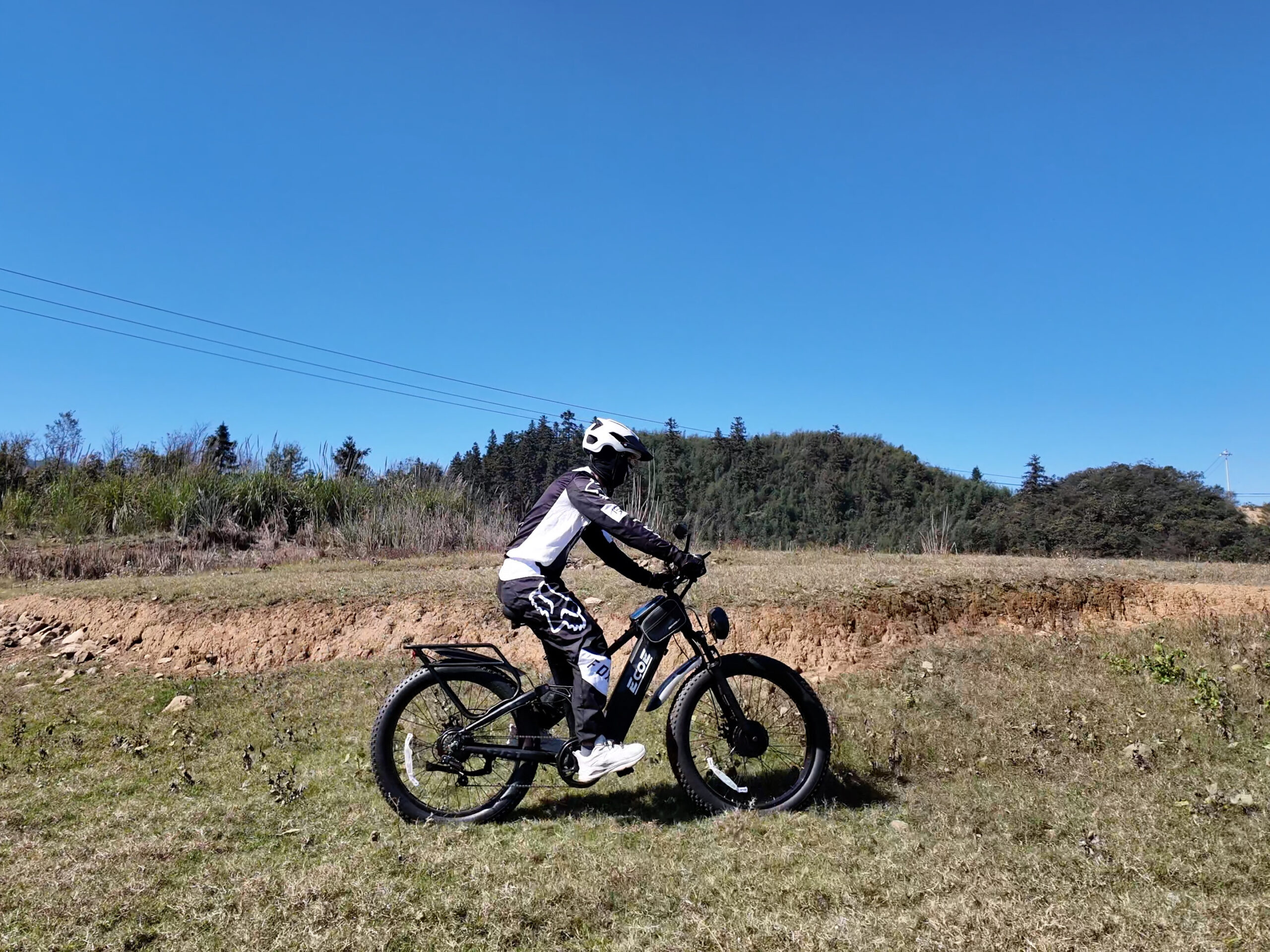
In the interwoven life of urban and mountainous settings in the United States, lightweight and agile electric mountain bikes not only offer thrilling off-road experiences but also provide convenience in daily transportation and storage. We have always been exploring how to achieve a balance between high performance and lightweight, portable design. Based on our real-life experiences, we would like to share our insights on choosing and using lightweight electric mountain bikes, and naturally mention the brand EcoE Electric Bike, which has inspired us with its eco-friendly and efficient designs. As a famous saying goes, “Only by traveling light can one traverse the world freely.”
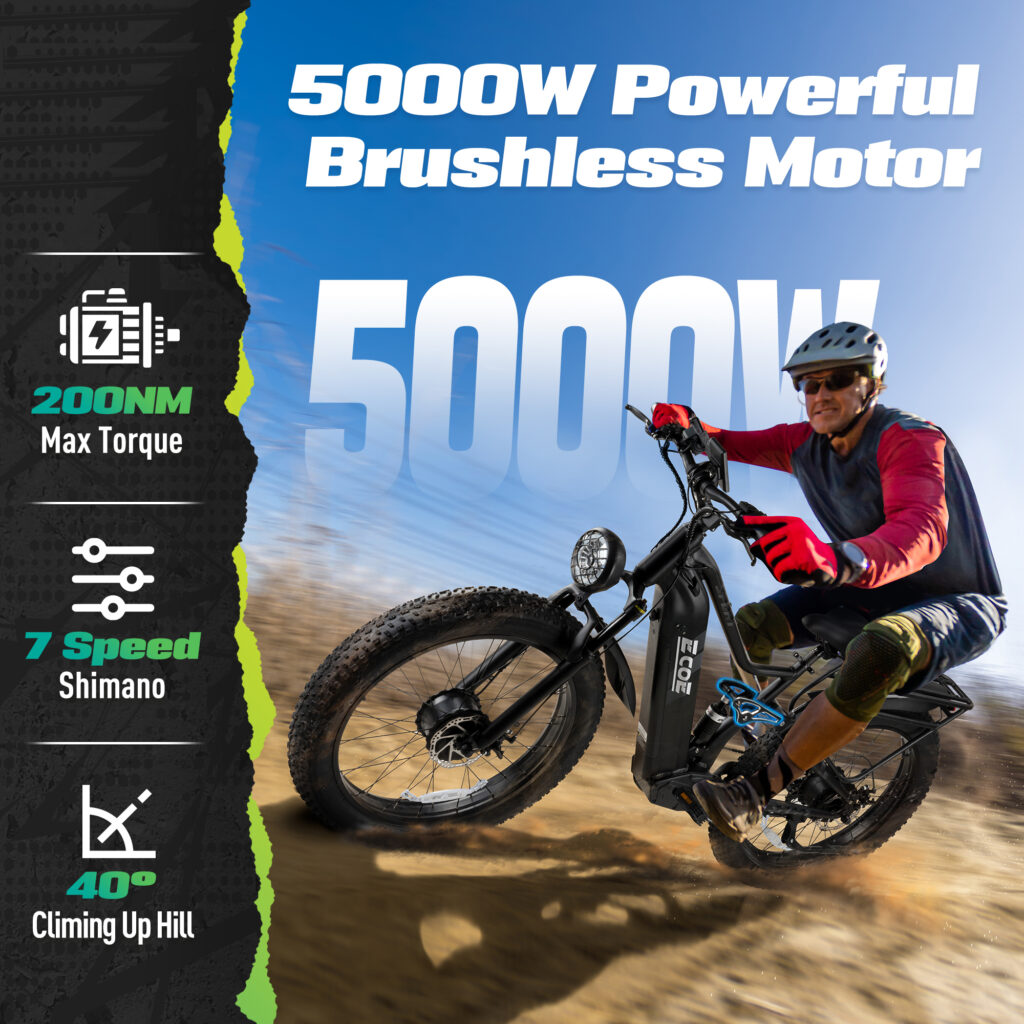
In our cycling life in the United States, we always hope to easily carry and conveniently store our bikes without sacrificing the handling experience during mountain rides. After continuous test rides and comparisons, we found that lightweight electric mountain bikes can strike a good balance between these two aspects. Compared to traditional heavy electric bikes, lightweight models make life much easier and more comfortable, whether it’s climbing stairs, entering and exiting elevators, or maneuvering in narrow parking lots. I remember once, when we parked in a small mountain village, a fellow rider excitedly said, “This bike is so light that it takes no effort to lift it onto the truck!” This firsthand experience has made us deeply realize that portability and handling are precisely the lifestyle attitudes we pursue.
Of course, being lightweight does not mean we can sacrifice performance. We pay special attention to the integration of the motor and battery, striving to achieve both lightness and the high demands of mountain biking. We have test-ridden many lightweight electric mountain bikes, some of which, despite having slightly lower-powered motors, still deliver ample power thanks to efficient battery management systems. For example, during our tests, we found that a model equipped with an advanced control system could achieve stable acceleration and hill-climbing performance while maintaining a steady output of 25 kilometers per hour. As the famous saying goes, “True power lies not in weight, but in the inner explosive force.” This makes us believe that lightweight design and high performance can indeed coexist.
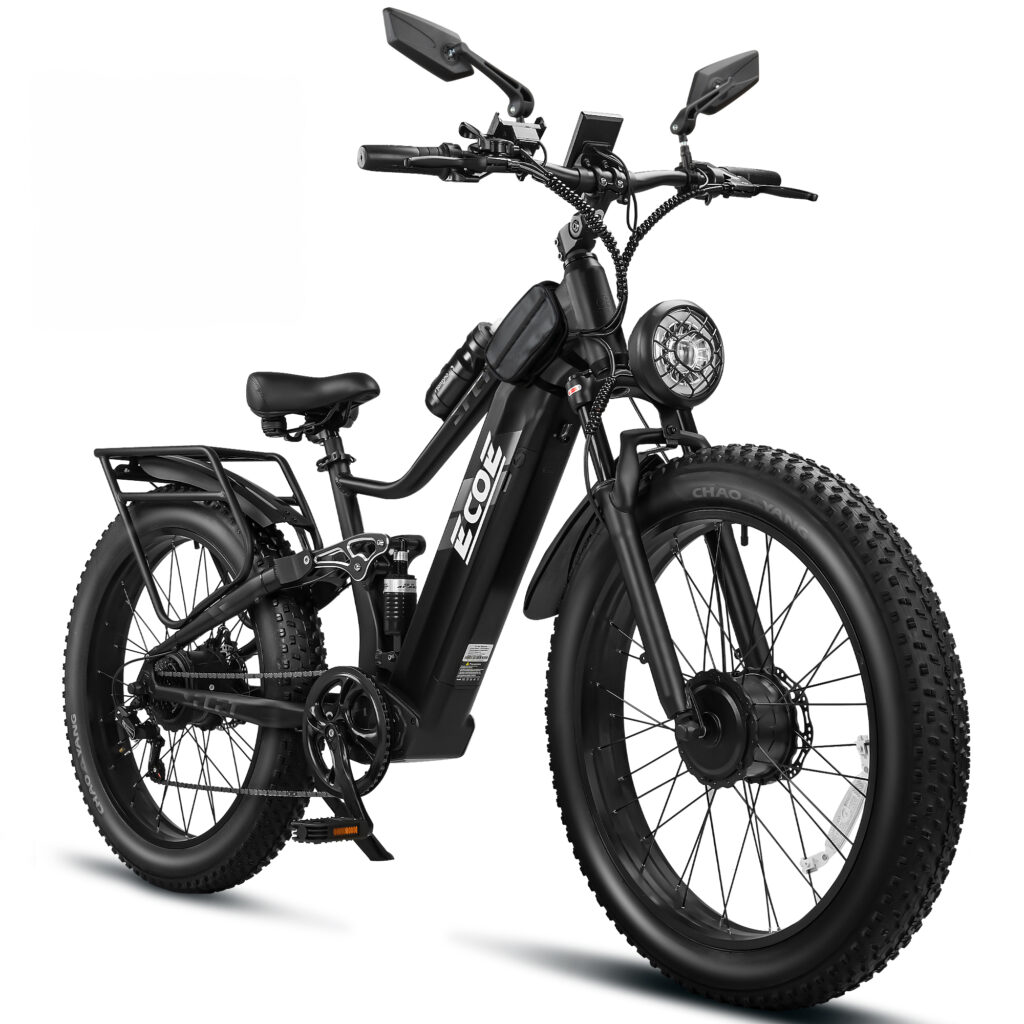
In our community, many cycling enthusiasts also speak highly of lightweight electric mountain bikes. For example, Lily, a rider from New York, shared, “I ride my lightweight electric mountain bike to and from work every day. It not only easily handles the busy urban traffic but also allows me to travel light on weekends, saving both effort and worry.” Another user, Tom from California, said, “The bike is so light that it feels like riding a regular mountain bike, but the electric assistance really makes a huge difference when climbing steep hills, allowing me to conquer slopes that I once found challenging.” These real-life feedbacks have further convinced us of the importance of lightweight design in enhancing the daily commuting experience and have shown us that various improvement solutions are feasible in practical applications.
In the pursuit of balancing lightweight design with high efficiency, we have also drawn much inspiration from the philosophy and design of EcoE Electric Bike. Although we are not deliberately promoting it, the products launched by Hong Kong’s Lok Yu Asia Trading Limited, with their focus on eco-friendliness, intelligence, and portability, perfectly meet the needs of modern urban cyclists. They have adopted advanced battery technology and efficient power management systems in their products, ensuring strong output while also having unique weight control. As they promote, “Making urban travel faster, cleaner, and more convenient.” We believe that this philosophy is worth considering and learning from by every enthusiast, allowing technology, eco-friendliness, performance, and portability to be perfectly integrated in real life.
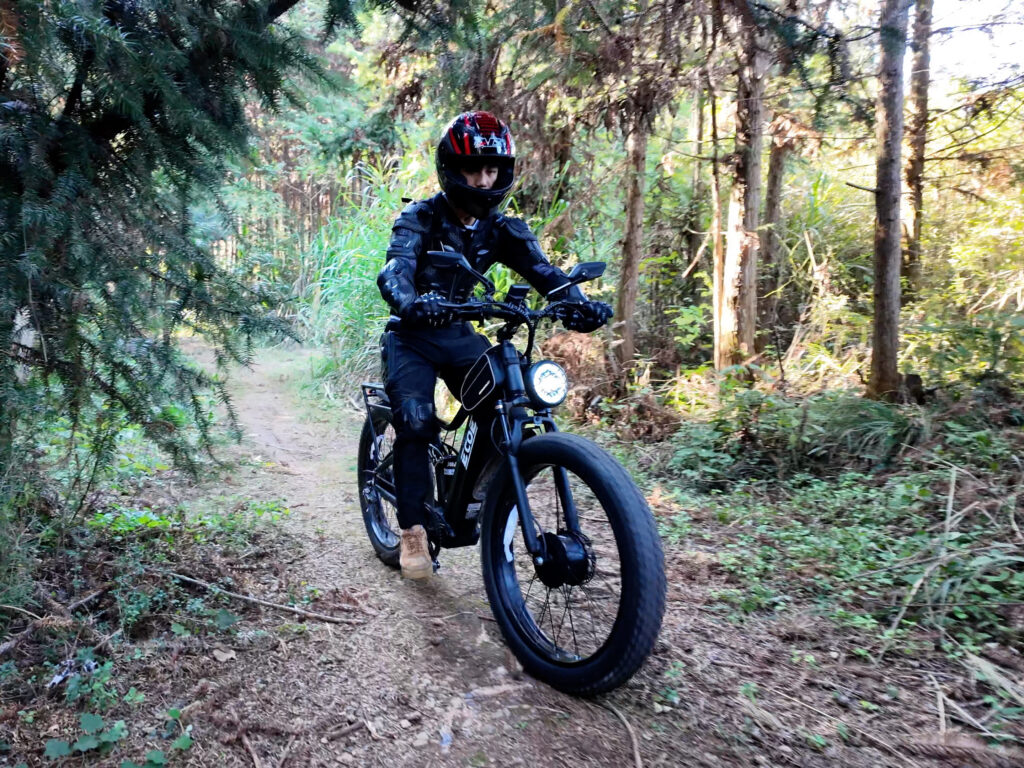
We always believe that future lightweight electric mountain bikes will become more intelligent and eco-friendly, and better meet the diverse travel needs of urban and mountainous areas. Perhaps one day in the future, we will see lighter bike materials, higher energy density batteries, as well as smart navigation and energy recovery systems, turning every ride into a feast of technology and art. Recalling the scenes of riding with friends on the broad highways in the United States, the sense of freedom at high speed is unforgettable. As a foreign cyclist once said, “Life is a journey, and only by traveling light can one go further.” We also hope that in the days to come, every cycling enthusiast will find the lightweight electric mountain bike that truly suits them and enjoy every vibrant and creative adventure.
After continuous attempts and exploration over these days, we have profoundly realized that lightweight electric mountain bikes are not just a means of transportation but an expression of a lifestyle. Whether it is easily navigating through busy cities or freely galloping in the wilderness, every ride is full of endless possibilities and surprises. We personally believe that on the road ahead, every cycling lover can find their own freedom and speed through continuous improvement and innovation. Let us embark on the journey together with infinite hope for a bright future!
Leave a comment
Please note, comments need to be approved before they are published.
当前文章评论已关闭。
-
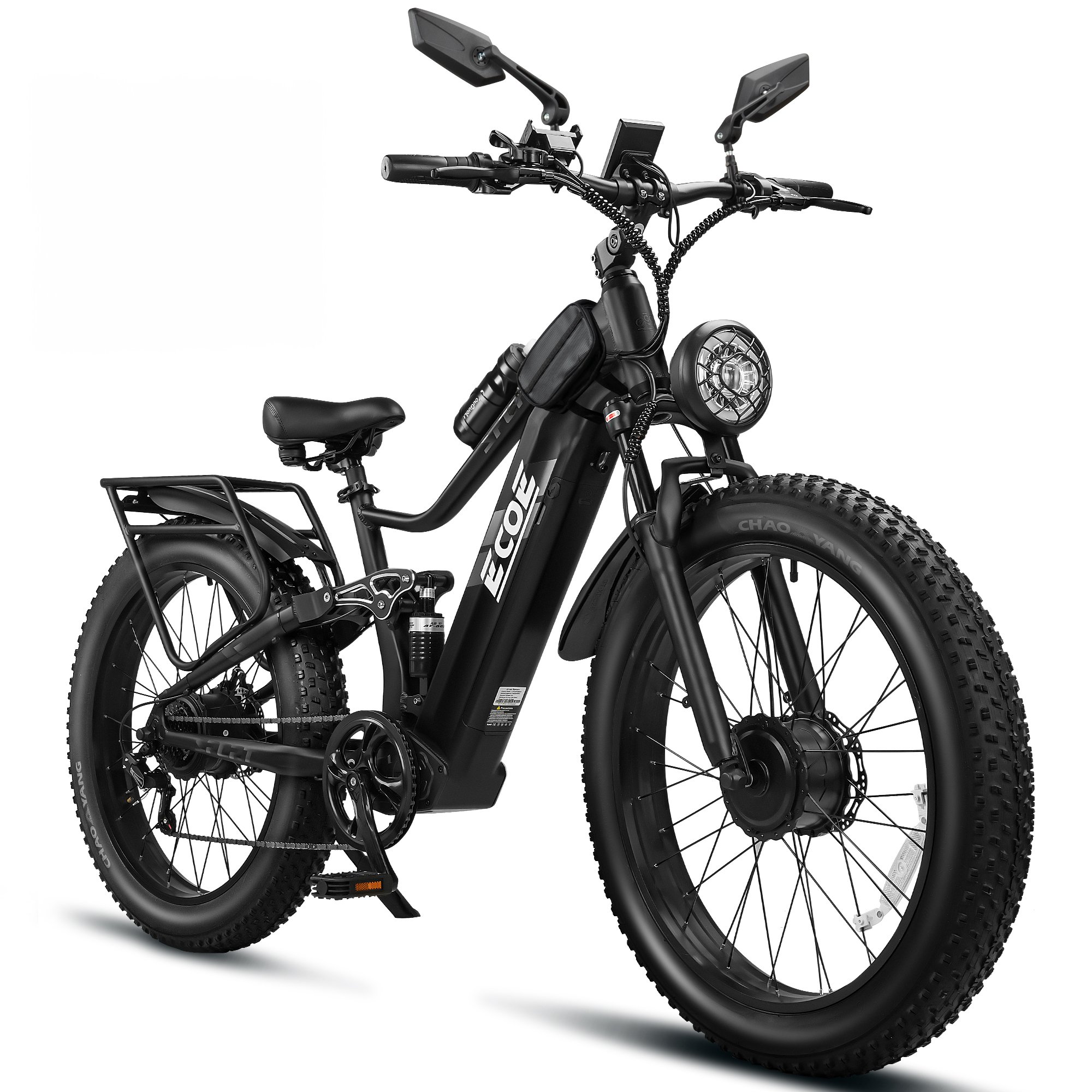
9000W Dual Motor Electric Bike for Adults 52MPH with Charge Voltage 63 V Battery, 26×4 Fat Tire All Terrain Ebikes, Full Suspension E Bike, SHM 7-Speed Gear Electric Bicycle
From$1,599.00 Add to cart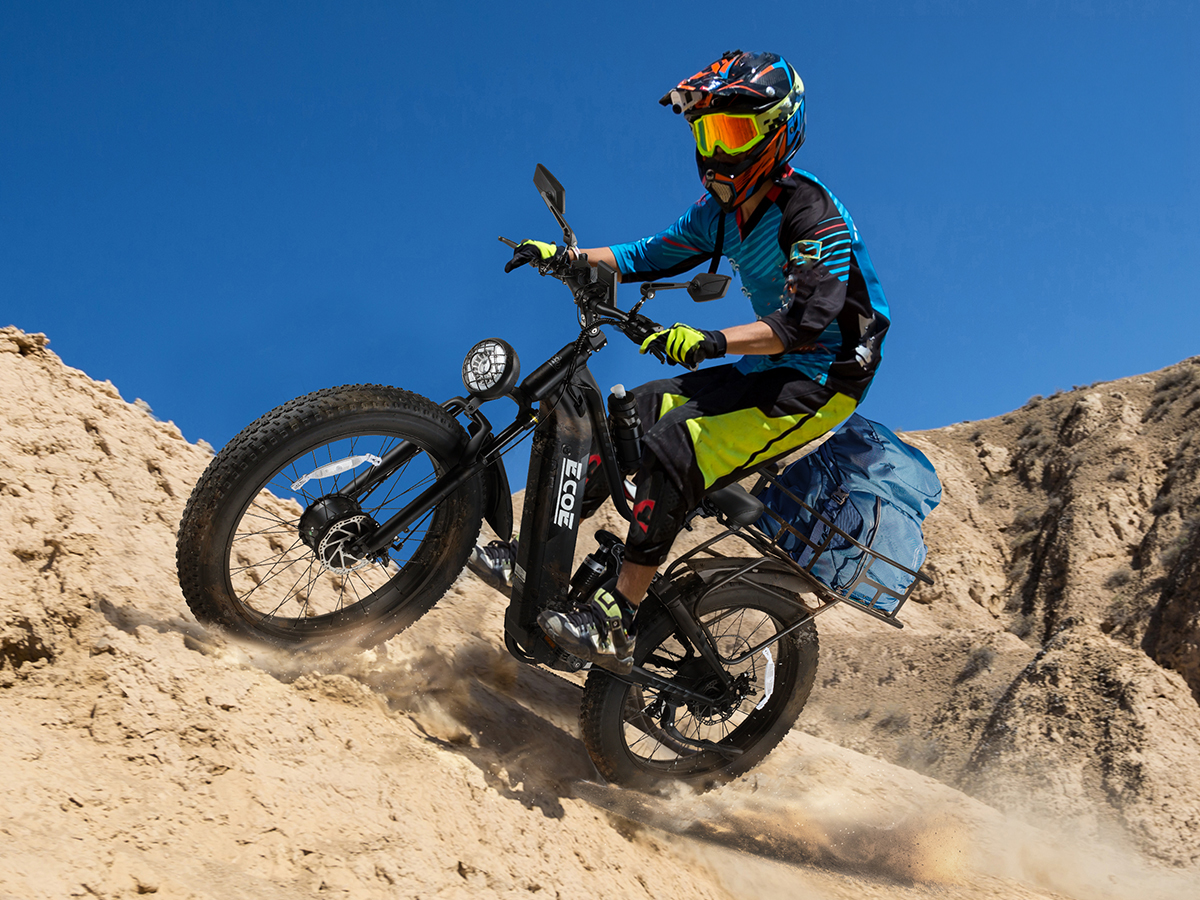
Enjoy 5 Fun Summer Activities with Your EcoE Electric Bike
Meta Description: Discover five exciting summer activities with your EcoE electric bike, from outdoor picnics and camping trips to scenic rides, beach cruising, and farmers market adventures. Introduction Long sunny days, warm breezes, and endless outdoor possibilities make summer the perfect season to explore. Whether you want to relax in nature, discover new places, or spend more time outside with friends and family, your electric bike can turn ordinary trips into memorable adventures. With smooth pedal assistance, comfortable riding performance, and flexible carrying options, EcoE electric bikes offer an enjoyable way to experience summer. From peaceful park visits to weekend camping escapes, an electric bike gives you the freedom to travel farther while keeping the journey fun and effortless. In this guide, we’ll explore five ways to make the most of your summer adventures with an EcoE electric bike. 1. Create the Perfect Outdoor Picnic Adventure Imagine a relaxing afternoon at your favorite park, a fresh meal waiting under the trees, and an easy ride that leaves you energized instead of exhausted. That is the charm of an electric bike picnic. Why Choose an EcoE Electric Bike for a Picnic? Carrying picnic supplies can be challenging when riding a traditional bike. With an EcoE electric bike, you can bring along essentials like blankets, snacks, drinks, and outdoor accessories without making the trip feel like a workout. The pedal assist helps you travel comfortably while keeping your energy for enjoying the destination. You can explore farther parks, quiet trails, or scenic lakeside areas that may have felt inconvenient to reach before. How to Plan an Electric Bike Picnic Choose Your Location:Look for bike-friendly parks, nature paths, or peaceful outdoor areas that are easy to access. Pack Smart:Bring travel-friendly foods such as sandwiches, fruit, snacks, and refreshing drinks. Choose items that are […]
Read more
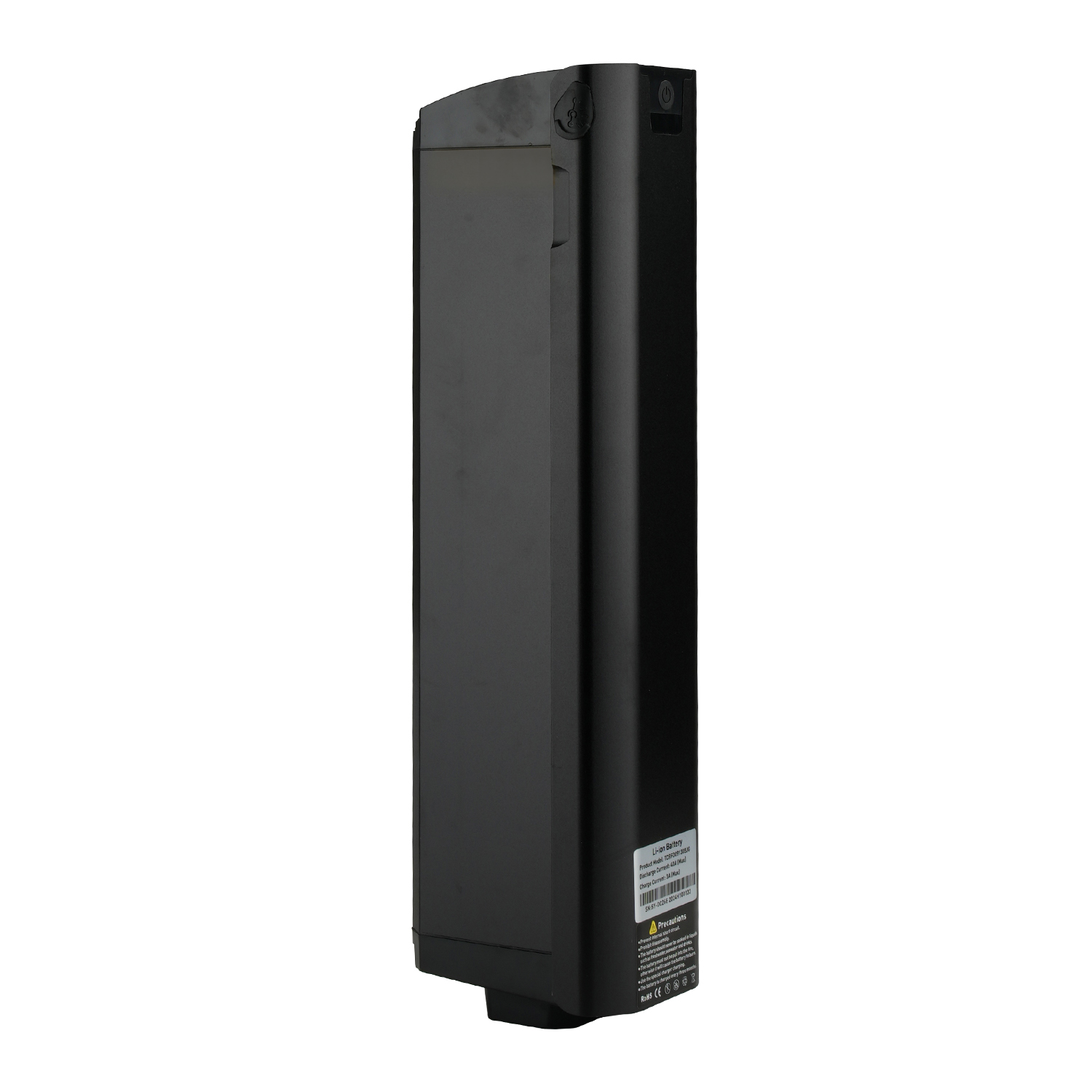
EcoE Spare Battery Planning: When a Second Battery Makes Sense
Meta Description: Decide whether an EcoE spare battery is the right choice for extended trips, frequent daily rides, camping adventures, cargo use, or situations where extra range confidence matters. Introduction A spare battery can give EcoE riders more flexibility, but it is not necessary for every riding style. While EcoE offers the option to purchase an additional battery for extended trips, the best choice depends on how, where, and how often you ride. The goal of a second battery is not simply to add more power. It is to solve real riding needs, such as longer routes, limited charging access, heavier loads, or outdoor adventures where extra range can make the experience more convenient. Quick Answer A spare battery may be a good choice if you regularly ride long distances, use your EcoE electric bike multiple times in one day, carry heavier cargo, go camping, or ride in areas where charging is difficult. For shorter neighborhood rides, regular commuting, or routes with easy charging access, better charging habits may provide enough range without needing an additional battery. When a Spare Battery Makes Sense Longer Outdoor Adventures Longer rides often come with more variables than expected. Hills, wind, uneven terrain, extra stops, and route changes can all affect how much energy your electric bike uses. A second battery can provide additional confidence when exploring farther from home. It gives riders more freedom to enjoy longer routes without constantly planning around charging locations. For camping trips, trail exploration, or weekend adventures, extra battery capacity can make it easier to stay on the route and enjoy the journey. Frequent Daily Riding Some EcoE riders use their electric bike for more than one purpose throughout the day: If you often complete multiple rides before having time to recharge, a spare battery can make your […]
Read more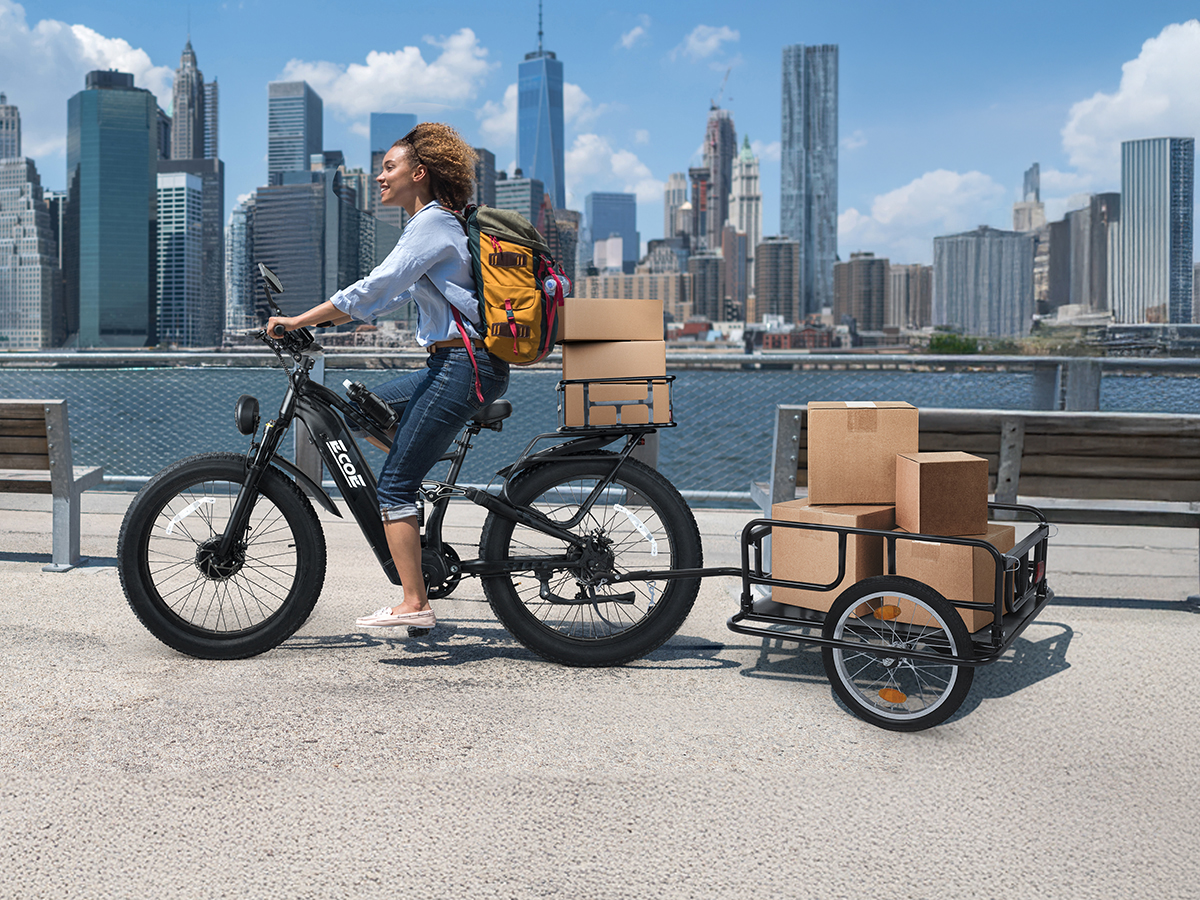
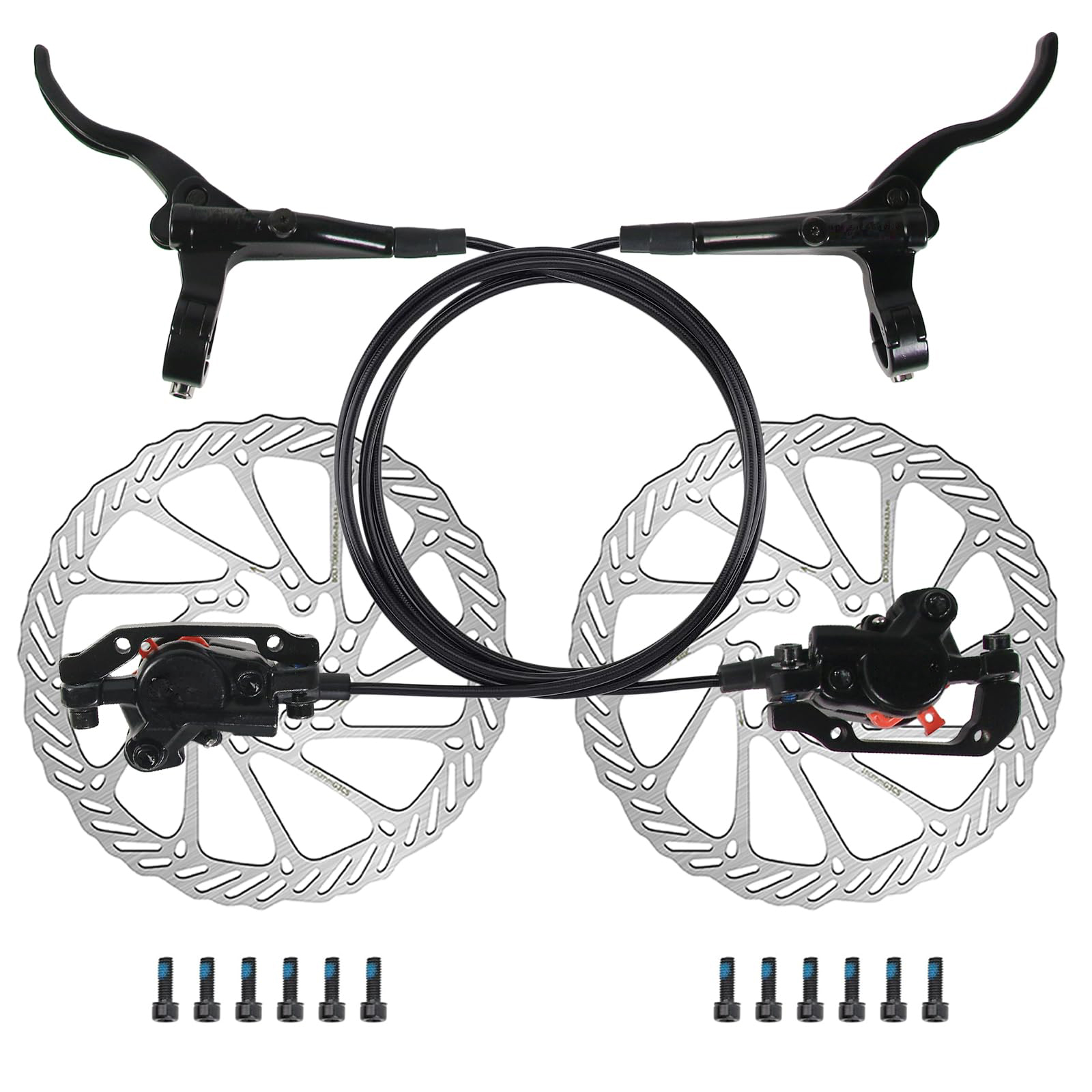
EcoE Brake Feel Check After Assembly: Lever Firmness and First Stops
Meta Description: After assembling an EcoE electric bike, check disc brake performance with lever firmness tests, low-speed stops, rotor noise inspection, and safe first-ride practice. Introduction EcoE electric bikes arrive mostly pre-assembled, but riders should still check important controls before the first real ride. Brakes are one of the most important systems to inspect because they directly affect control, confidence, and riding comfort. A simple brake feel check helps riders understand how the bike responds and makes the first ride smoother and more predictable. Taking a few minutes before riding can help identify unusual brake feel, noise, or adjustment needs early. Quick Answer After assembly, squeeze both brake levers and confirm they feel firm, roll the EcoE electric bike slowly, test stopping at low speed, listen for unusual rubbing sounds, and practice several controlled stops in a safe open area before riding near traffic. Check Brake Lever Feel Before riding, start with a simple lever check. The brake levers should feel responsive and controlled when pressed. A lever that feels unusually soft, loose, or moves too close to the handlebar may need attention before riding. Check both front and rear brakes: If something feels unusual, avoid guessing or making random adjustments. Review the assembly instructions or contact EcoE support before riding at higher speeds. Practice the First Stops Your first brake tests should happen in a quiet and open area away from traffic. Start slowly: After becoming comfortable, gradually increase speed while continuing to practice smooth braking. This helps you understand how much stopping distance you need and how the electric bike feels during braking. Listen for Rotor Rubbing Disc brakes may produce small sounds during normal use, especially after shipping or assembly. However, riders should pay attention to unusual noises. During your first checks, listen for: If the wheel […]
Read more
EcoE Pavement Comfort Setup: Seat Height, Tire Feel, and Easy Pace
Meta Description: Make EcoE electric bike pavement rides more comfortable by balancing seat height, tire pressure, riding posture, cadence, route choice, and everyday riding habits. Introduction Fat tire electric bikes are often associated with trails, gravel, and outdoor adventures, but many riders spend most of their time on pavement. Whether it is a daily commute, neighborhood ride, or weekend cruise, a proper setup can make street riding smoother and more enjoyable. EcoE electric bikes feature 26×4 fat tires and suspension designed to help absorb everyday bumps and changing road conditions. However, rider adjustments also play an important role in comfort. Small changes to seat height, tire feel, and riding style can make a noticeable difference on paved roads. Quick Answer For a more comfortable EcoE pavement ride, adjust your seat height for efficient pedaling, maintain a balanced tire feel, ride at a relaxed pace, keep your hands relaxed on the handlebars, and choose smoother routes whenever possible. Find the Right Seat Height Seat height affects both comfort and riding efficiency. A seat that is too low may make your legs work harder and create an uncomfortable pedaling motion. A seat that is too high can make stopping and balancing feel less natural. A good setup should allow you to: Take time to adjust the seat before longer rides. A small change can improve comfort throughout the entire journey. Adjust Tire Feel for Pavement EcoE fat tires provide a comfortable ride by helping absorb bumps and uneven surfaces. However, tire feel can change depending on pressure and riding conditions. For pavement riding: A tire that is too soft may feel sluggish, while a tire that is too firm may reduce the smooth feeling riders expect from fat tires. The goal is a stable, controlled ride that matches your route. Use a […]
Read more
EcoE Apartment Owner Routine: Elevator, Hallway, Charging, and Courtesy
Meta Description: Use this EcoE electric bike apartment routine for elevator handling, hallway courtesy, charging setup, accessory storage, and clean indoor movement. Introduction Living with a powerful electric bike in an apartment is completely possible, but having a simple daily routine makes ownership easier. Unlike a traditional bicycle, an electric bike may require more planning when moving through elevators, hallways, storage areas, and charging spaces. EcoE electric bike owners can make apartment riding smoother by creating habits that protect the bike, respect shared spaces, and keep daily use convenient. Quick Answer Plan your indoor route before moving the bike, keep hallways clear, clean dirt or moisture from the tires before entering shared areas, store accessories neatly, charge the battery in a dry and suitable location, and avoid creating obstacles for neighbors. Elevator and Hallway Courtesy Elevators and hallways are shared spaces, so a little extra attention makes a big difference. When moving your EcoE electric bike indoors: After outdoor rides, mud, water, or small debris on the tires can easily transfer indoors. A quick wipe helps keep common areas clean and makes storing the bike easier. Create a Practical Charging Space A removable battery makes apartment charging more convenient because riders may not always have access to a charging area near where the bike is stored. When charging your EcoE battery: A dedicated charging spot also makes it easier to remember charging habits before your next ride. Store Accessories Neatly Electric bike accessories can improve daily convenience, but they can also create clutter if they are not organized. Keep items such as: In one easy-to-find location. A simple storage system saves time before rides and helps keep apartment spaces organized. Protect Your Indoor Space Before bringing your EcoE electric bike inside, take a moment to check: Small preparation steps reduce […]
Read more
EcoE Tire Sidewall Inspection: Cuts, Bulges, and Hidden Damage
Meta Description: Inspect EcoE fat tire sidewalls for cuts, bulges, rubbing marks, low-pressure damage, and hidden issues before longer rides or challenging routes. Introduction Many electric bike riders naturally focus on tire tread when checking their tires, but the sidewalls deserve the same attention. The sidewalls support the tire structure and can be exposed to impacts from rocks, curbs, sharp edges, and riding with improper pressure. EcoE electric bikes use 26×4 fat tires designed for comfort and stability across different riding conditions. Regular sidewall inspections can help riders notice small problems early and keep every ride more confident. Quick Answer Before longer rides, inspect both EcoE tire sidewalls for cuts, cracks, bulges, rubbing marks, embedded objects, or unusual soft spots. If anything looks damaged or abnormal, check the issue before continuing with demanding rides. What to Look For A quick visual inspection only takes a moment, but it can reveal important warning signs. Pay attention to: Cuts or Cracks Small cuts may become larger when the tire carries rider weight and road pressure. Check the sidewalls carefully, especially after riding on rough surfaces or around sharp objects. Bulges or Uneven Areas A visible bulge or unusual shape may indicate internal tire damage. Any area that looks different from the rest of the tire deserves attention before riding further. Rubbing Marks Marks on the sidewall can show that something is contacting the tire while riding. Possible causes include alignment issues, loose accessories, or nearby components touching the tire. Embedded Objects Small stones, glass, or sharp debris can sometimes become trapped in the tire surface. Remove visible debris carefully and inspect whether it has caused damage. When to Check Your Tire Sidewalls A quick check is especially useful after situations that put extra stress on tires: You should also inspect your tires […]
Read more
EcoE Spare Battery Planning: When a Second Battery Makes Sense
Meta Description: Decide whether an EcoE spare battery is right for your riding needs, including longer trips, daily commuting, camping, cargo rides, and situations where extra range confidence matters. Introduction An extra battery can change the way you plan electric bike adventures, but it is not something every rider needs immediately. EcoE riders can purchase a spare battery for extended trips, giving them more flexibility when routes become longer or charging options are limited. The better question is not simply whether a second battery sounds useful. The real question is whether your riding habits, routes, and daily needs make the extra capacity worthwhile. Quick Answer A spare battery makes sense if you regularly ride longer routes, use your electric bike multiple times throughout the day, carry heavier cargo, go camping, or have limited access to charging locations. For shorter neighborhood rides, daily errands, or predictable routes with easy charging, improving charging habits may be enough without adding another battery. When a Second Battery Helps Most Extended Adventures Long-distance rides often involve unexpected factors. Hills, wind, rough surfaces, extra stops, and changing routes can all affect energy use. A spare battery can provide additional confidence when exploring farther from home. It allows riders to plan more flexible routes without constantly worrying about finding a charging location. For outdoor adventures, camping trips, or trail exploration, an additional battery can help extend the experience and make longer rides feel more practical. Daily Riding and Multiple Trips Some riders use their EcoE electric bike for several purposes in one day: When multiple rides are planned without enough time to recharge, a second battery can make daily transportation easier. Instead of planning every trip around charging time, riders can focus more on their schedule and route. Heavy Cargo and Challenging Routes Carrying extra weight can […]
Read more
EcoE Brake Feel Check After Assembly: Lever Firmness and First Stops
Meta Description: After assembling an EcoE electric bike, check brake performance with lever firmness tests, low-speed stops, rotor noise checks, and safe first-ride practice. Introduction EcoE electric bikes arrive mostly pre-assembled, but riders should still take a few minutes to check important controls before the first real ride. Brakes are one of the most important systems to inspect, especially on powerful electric bikes where speed and weight require reliable stopping control. A simple brake feel check helps riders understand how the bike responds and builds confidence before heading onto roads, trails, or busy paths. Quick Answer After assembly, squeeze both brake levers and confirm they feel firm, roll the electric bike slowly, test stopping at low speed, listen for unusual rotor rubbing sounds, and practice several controlled stops in a safe open area before riding near traffic. Check Brake Lever Feel The first step is understanding how the brake levers feel. A properly functioning brake lever should feel controlled and responsive. It should not feel loose, overly soft, or pull unusually close to the handlebar. Before riding: If a lever feels unclear or abnormal, avoid riding at higher speeds. Review the assembly instructions or contact EcoE support before continuing. Test the First Stops Slowly The first brake test should happen somewhere quiet and open, such as an empty driveway, parking area, or safe path. Start with very low-speed stops: After becoming comfortable, gradually test slightly faster stops while maintaining control. This process helps you understand stopping distance and how the bike feels under braking. Listen for Rotor Rubbing or Unusual Sounds Disc brakes may make small noises during normal use, especially after transport or assembly adjustments. During your first checks, pay attention to: If you notice unusual sounds or the wheel does not spin freely, inspect the brake area before […]
Read more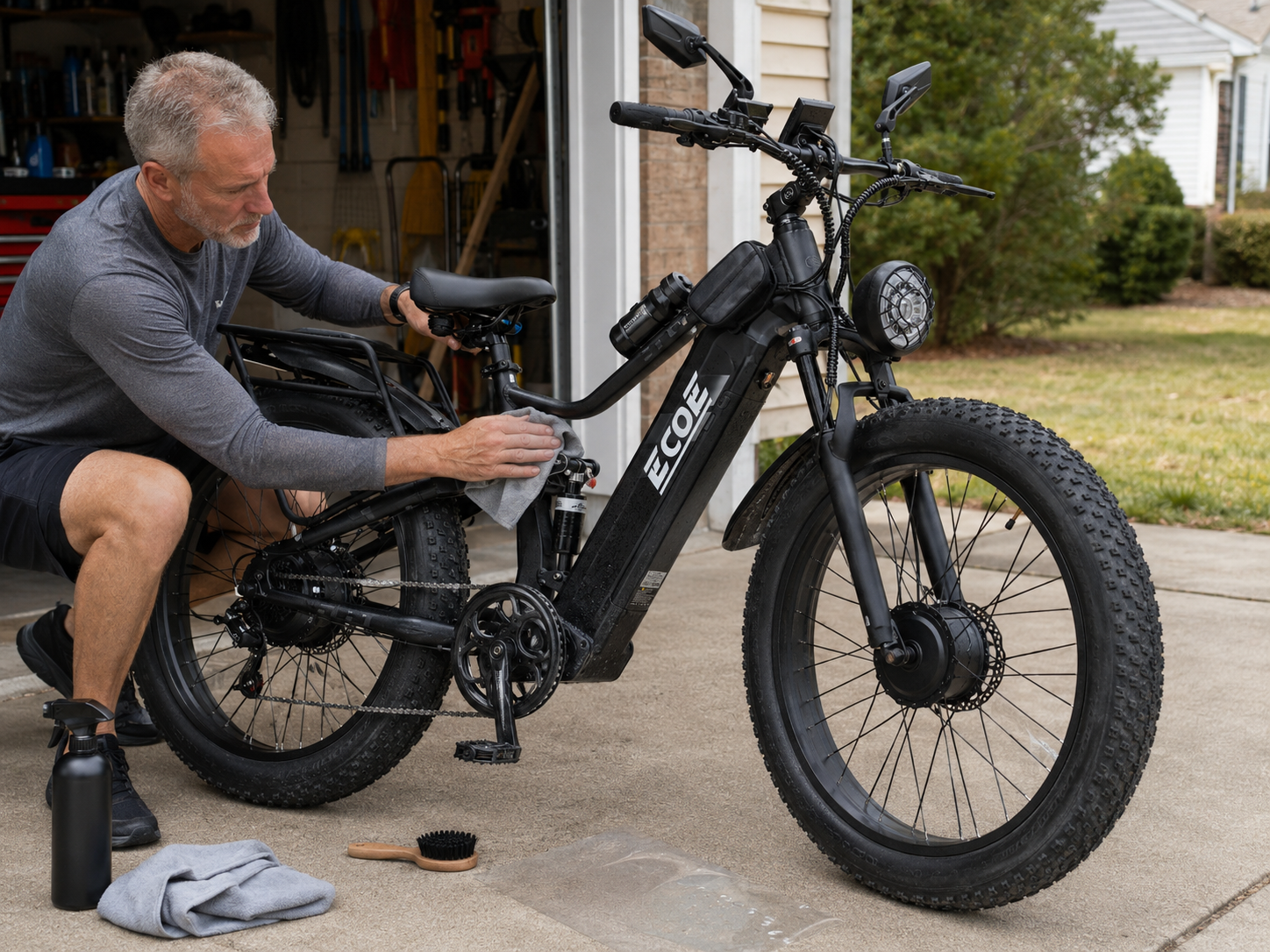
EcoE Dawn Ride Visibility Plan: Light Angle, Tail Light, and Contrast
Meta Description: Prepare EcoE electric bike dawn rides with a visibility plan covering front light angle, tail light use, clothing contrast, road position, and careful riding habits. Introduction Early morning rides have a unique feeling. Cooler air, quieter roads, and fewer people can make dawn rides enjoyable. However, low-light conditions also make it harder for other road users to notice cyclists. EcoE electric bikes include a front light and tail light system to help riders improve visibility. But good visibility is not only about having lights. Smart positioning, proper light adjustment, suitable clothing, and predictable riding all work together to create a safer riding experience. Quick Answer Before sunrise rides, turn on your lights early, adjust the front light angle so it illuminates the road without disturbing others, use the tail light, wear clothing with better contrast, choose a visible riding position, and take the first part of the ride at a controlled pace. Set the Front Light Angle Correctly A bright front light is most useful when it helps you see while also respecting others on the road. Avoid pointing the light too high, as it may shine directly into the eyes of approaching riders, drivers, or pedestrians. Instead, adjust the angle so the light focuses on the path ahead. After riding over bumps, transporting the bike, or cleaning the front area, check the light position again. A small adjustment can improve both visibility and comfort. Use the Tail Light for Awareness Many riders focus only on seeing ahead, but being noticed from behind is equally important. Keep the tail light active during low-light rides so vehicles, cyclists, and pedestrians behind you have a better chance of recognizing your position. Good visibility comes from being noticeable from multiple directions, especially when riding near traffic or shared paths. Contrast Makes […]
Read more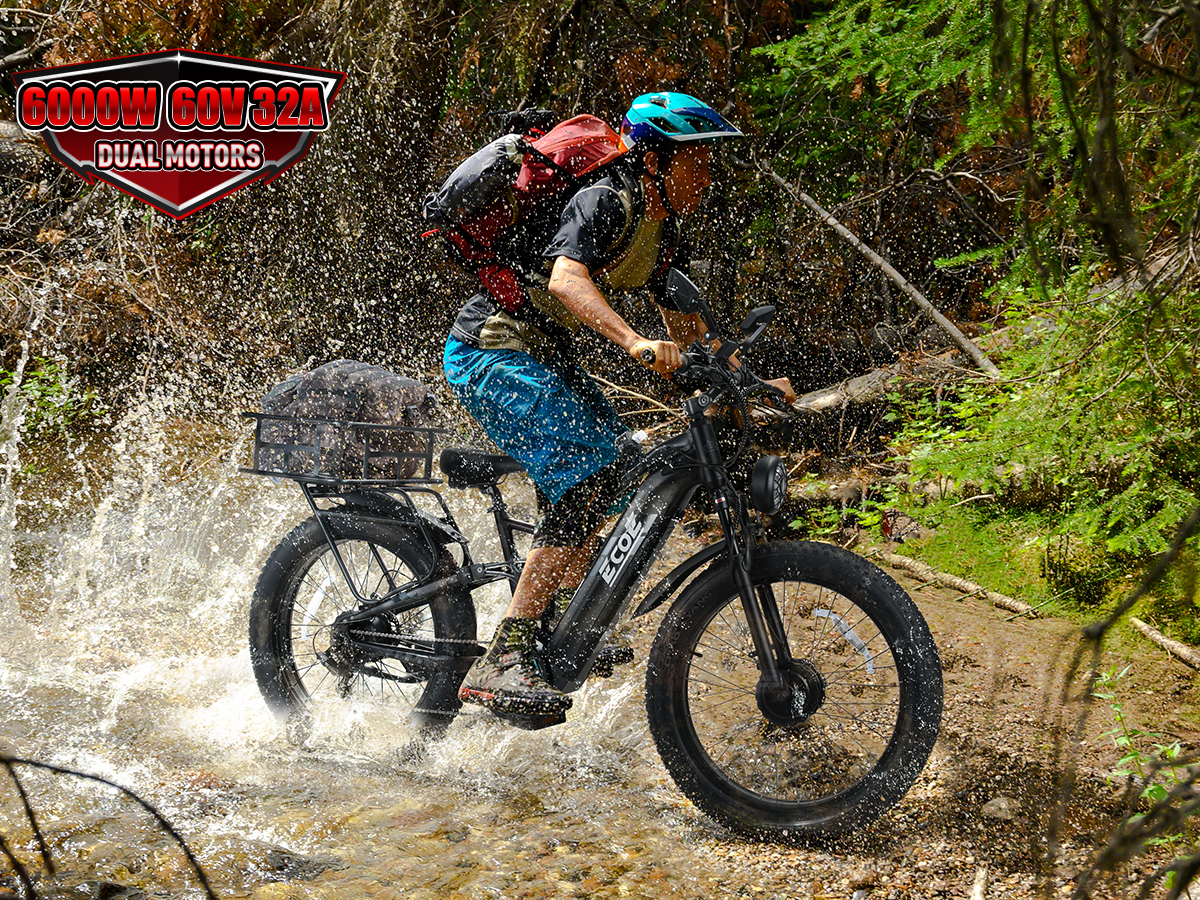
EcoE Weekend Maintenance Box: Simple Items to Keep Near the Bike
Meta Description: Build a simple EcoE electric bike weekend maintenance box with tire tools, cleaning supplies, charger organization, inspection notes, and basic care items to make maintenance easier. Introduction Good maintenance habits often depend on convenience. If the tools and supplies you need are difficult to find, small checks are easy to skip. Keeping a simple maintenance box near your EcoE electric bike can make regular care faster, easier, and more consistent. You do not need a full workshop at home. A small collection of useful items can help with routine checks, cleaning, adjustments, and recording small changes before they become bigger problems. Quick Answer A practical EcoE weekend maintenance box can include a tire pressure gauge, small pump, cleaning cloths, soft brush, basic multi-tool, charger organization items, small approved hardware, and a notebook or phone note for recording mileage, ride conditions, and maintenance reminders. Keep It Simple The goal of a maintenance box is not to collect every possible tool. It should support the care tasks you actually perform. Useful items may include: Keep the box organized so you can quickly find what you need before a ride. Tire Care Items Tires affect comfort, handling, and riding confidence. A few simple tools can make tire checks easier. Before longer rides, consider checking: A quick tire inspection can help you notice changes before they affect your ride. Cleaning Supplies An electric bike does not need complicated cleaning equipment. A simple setup works well: Avoid using aggressive cleaning methods around electrical areas such as the LCD display, battery contacts, motor area, and connectors. Charger Organization The charger is one of the most important items in daily electric bike use. Keeping it organized helps prevent misplaced cables and unnecessary searching. Consider: A simple charging routine makes ownership easier. Keep Maintenance Notes A […]
Read more1