Aug 13, 2026
Crossing Railroad Tracks on an EcoE: Angle, Speed, and Space
Meta Description: Approach railroad tracks on an EcoE electric bike with a controlled angle, steady speed, clear space, and smooth handling across rail surfaces.
Introduction
Railroad crossings create a unique riding challenge. Unlike normal pavement, tracks combine smooth steel surfaces, narrow grooves, uneven edges, and changing road conditions.
EcoE’s fat tires provide a stable riding platform, but they cannot completely eliminate the possibility of a wheel being affected by a rail groove or uneven crossing surface.
A safe rail crossing is less about power and more about preparation, positioning, and smooth control.
Quick Answer
Slow down before reaching the tracks, check your surroundings, and choose the safest crossing line early. Approach the rails as close to a straight angle as conditions allow, keep the bike upright, and maintain a calm, steady pace.
Avoid sudden braking, hard acceleration, or sharp steering movements while crossing the steel surface.
Set Your Line Before the Rails
The best time to decide your path is before you reach the crossing.
Check for traffic, signals, road conditions, and available space. Position the EcoE so the wheels can meet the rails with a cleaner angle instead of approaching from the side.
Avoid making last-second corrections directly on the tracks. If the crossing area is damaged, blocked, or does not allow enough space for a controlled approach, it is better to wait and choose a safer moment.
A few extra seconds of preparation can make the crossing smoother and more predictable.
Keep Inputs Smooth Across Steel
Rail surfaces require calm movements.
Keep your grip relaxed, maintain a steady handlebar position, and allow the tires to move across the crossing without sudden changes.
Wet rails, painted markings, loose gravel, or debris can reduce available traction. Smooth control is more important than speed.
The goal is not to rush over the tracks. The goal is to create a short, stable crossing where the bike remains balanced from entry to exit.
Avoid Braking or Turning on the Rails
Try to complete your main adjustments before reaching the steel.
Heavy braking while crossing can change how the tires interact with the surface. Sudden steering movements can also increase the chance of the wheel being pushed away from your intended line.
Instead, slow down beforehand, hold a predictable direction, and continue through with controlled movement.
Know When to Walk
Sometimes the safest choice is to get off and walk.
Consider walking the EcoE across when:
- The approach angle is too narrow or difficult to correct
- The crossing surface is heavily damaged
- Visibility is limited
- Traffic conditions do not allow enough setup space
- The crossing feels uncomfortable or uncertain
Walking does not remove every hazard, so continue paying attention to grooves, gaps, and surface conditions.
Plan Rail Crossings Before Your Ride
If your route includes railroad crossings, look ahead before starting your ride. Knowing where they are allows you to prepare instead of making quick decisions at the last moment.
Good route planning, calm handling, and respect for signals and local rules all contribute to a safer experience.
Final Thoughts
Railroad tracks are a small part of many riding routes, but they require extra attention.
EcoE gives riders a capable platform, but good technique remains the most important tool. Approach with a planned line, cross with steady control, and choose caution whenever conditions are uncertain.
A calm crossing is always better than a rushed one.
Leave a comment
Please note, comments need to be approved before they are published.
当前文章评论已关闭。
-
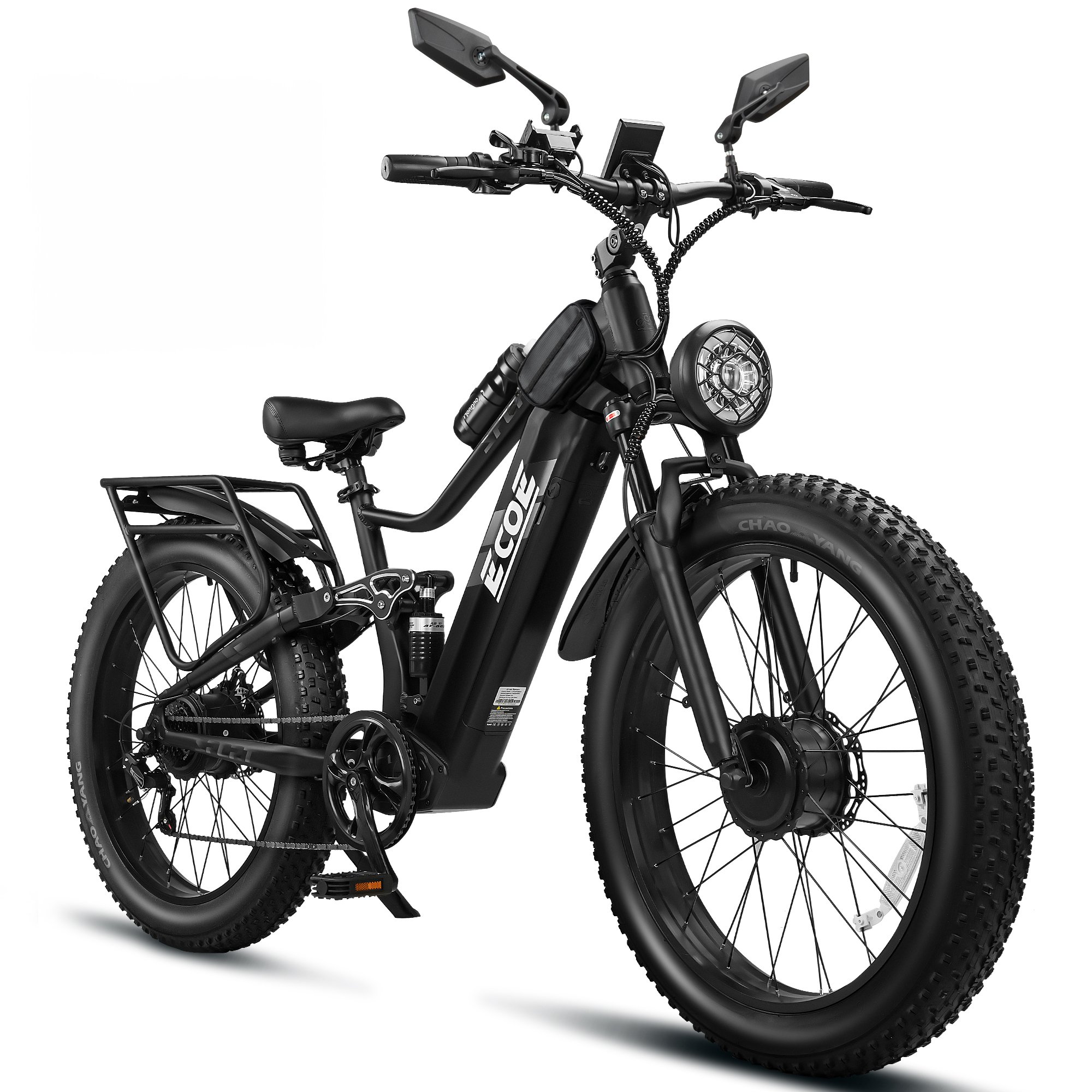
9000W Dual Motor Electric Bike for Adults 52MPH with Charge Voltage 63 V Battery, 26×4 Fat Tire All Terrain Ebikes, Full Suspension E Bike, SHM 7-Speed Gear Electric Bicycle
From$1,599.00 Add to cart
Crossing Railroad Tracks on an EcoE: Angle, Speed, and Space
Meta Description: Approach railroad tracks on an EcoE electric bike with a controlled angle, steady speed, clear space, and smooth handling across rail surfaces. Introduction Railroad crossings create a unique riding challenge. Unlike normal pavement, tracks combine smooth steel surfaces, narrow grooves, uneven edges, and changing road conditions. EcoE’s fat tires provide a stable riding platform, but they cannot completely eliminate the possibility of a wheel being affected by a rail groove or uneven crossing surface. A safe rail crossing is less about power and more about preparation, positioning, and smooth control. Quick Answer Slow down before reaching the tracks, check your surroundings, and choose the safest crossing line early. Approach the rails as close to a straight angle as conditions allow, keep the bike upright, and maintain a calm, steady pace. Avoid sudden braking, hard acceleration, or sharp steering movements while crossing the steel surface. Set Your Line Before the Rails The best time to decide your path is before you reach the crossing. Check for traffic, signals, road conditions, and available space. Position the EcoE so the wheels can meet the rails with a cleaner angle instead of approaching from the side. Avoid making last-second corrections directly on the tracks. If the crossing area is damaged, blocked, or does not allow enough space for a controlled approach, it is better to wait and choose a safer moment. A few extra seconds of preparation can make the crossing smoother and more predictable. Keep Inputs Smooth Across Steel Rail surfaces require calm movements. Keep your grip relaxed, maintain a steady handlebar position, and allow the tires to move across the crossing without sudden changes. Wet rails, painted markings, loose gravel, or debris can reduce available traction. Smooth control is more important than speed. The goal is not to rush over […]
Read more
EcoE Low-Speed U-Turn Practice: Build Control Before You Need It
Meta Description: Practice controlled EcoE U-turns in a legal open area using a wide setup, relaxed steering, gentle power, and progressive drills. Introduction An electric bike can feel most impressive when it has plenty of power, but confident riding often comes down to what happens at very low speed. A smooth U-turn can be useful in parking areas, quiet access roads, trail staging areas, and other places where space is limited. At these speeds, balance, steering control, and awareness matter more than acceleration. Practicing low-speed turns in a controlled environment can help EcoE riders develop better handling habits before they need them during everyday rides. Quick Answer Choose a flat, legal, traffic-free area for practice. Start with a large circle, look toward your intended exit, keep your hands relaxed, and use gentle, steady input. Once wide turns feel comfortable, gradually make the turning area smaller. If your balance, visibility, or control starts to feel uncertain, widen the turn or stop the practice. Start Wide and Read the Space Begin with plenty of room. Painted parking lines or other harmless visual markers can help you create a simple practice area. Ride one wide circle in each direction before attempting a tighter U-turn. This first step lets you learn how the electric bike responds at low speed while showing you whether turning in one direction feels more natural than the other. There is no need to rush. The goal is to make each turn smooth and repeatable. Guide the Bike With Your Eyes Where you look can influence how naturally the bike follows the turn. Instead of staring at the front tire, curb, or ground immediately in front of you, turn your head toward the area where you want the bike to finish. Keep your gaze level and allow your upper body […]
Read more
EcoE Heat Check Routine: Battery, Rider Energy, and Road Surface
Meta Description: Prepare your EcoE electric bike for hot-weather rides by managing battery storage, rider hydration, road conditions, shade, speed, and return timing. Introduction Summer riding brings a different kind of challenge. Bright sunlight, hot pavement, busy roads, and rising temperatures can make a familiar route feel much harder than expected. For EcoE riders, preparing for hot weather means thinking about more than just the bike. Your battery, your energy, and the conditions around you all play a role in making a summer ride comfortable and controlled. A little preparation before heading out can make it easier to enjoy the ride without letting heat become an unnecessary problem. Quick Answer Before riding in hot weather, avoid leaving the battery in extreme heat, carry enough water, start earlier when possible, choose routes with shade, adjust your speed when pavement is especially hot, and plan your return before fatigue becomes a problem. The goal is simple: protect the bike, manage your energy, and let the weather influence how you ride. Battery and Heat Heat can affect where and how you store your electric bike battery. When possible, keep the battery in a temperature-stable environment and avoid leaving it exposed to direct sunlight for long periods. If your EcoE is parked outdoors during a hot day, look for a shaded location whenever practical. Avoid treating a hot battery like it is ready to be charged immediately after sitting in intense heat. Give the battery and charging area appropriate attention before beginning your charging routine. Keeping the battery away from unnecessary heat is a simple habit that can become part of your regular summer routine. Rider Energy Electric assist can make riding feel easier, but it does not eliminate the effects of hot weather on your body. Heat can increase fatigue during a ride, […]
Read more
EcoE Shared-Use Photo Record: Before Rentals, Loans, or Test Rides
Meta Description: Create an EcoE electric bike photo record before rentals, loans, or test rides by documenting frame condition, accessories, battery, display, tires, and important details. Introduction When an electric bike is shared between different riders, memories can become unclear. Small scratches, missing accessories, battery levels, or settings can be difficult to remember after the ride is over. Creating a simple photo record before a rental, loan, or test ride helps everyone understand the bike’s condition before use. For an EcoE electric bike with features such as a removable battery, LCD display, fat tires, and multiple accessories, a quick inspection record can make shared use easier and more transparent. A few clear photos can protect trust and prevent unnecessary confusion later. Quick Answer Before sharing your EcoE electric bike, take photos of the complete bike, frame condition, battery area, display, tires, rack, accessories, and any existing marks. Record the date, time, and rider information if needed. Clear documentation takes only a few minutes but can help avoid misunderstandings about the bike’s condition after use. What to Photograph Before Sharing Your EcoE Full Bike Views Start with simple photos showing the entire electric bike. Take pictures from: These photos provide an overall reference for the bike’s condition before the ride begins. A full-bike record makes it easier to notice changes after the bike is returned. Frame Condition The frame is one of the most important areas to document. Check and photograph: Small marks that already exist before the ride should be recorded clearly. This helps separate previous wear from new issues. Battery and Charging Area EcoE electric bikes use removable batteries, making the battery area an important part of the photo record. Take pictures of: A quick battery check also helps confirm that the bike is prepared correctly before the next […]
Read more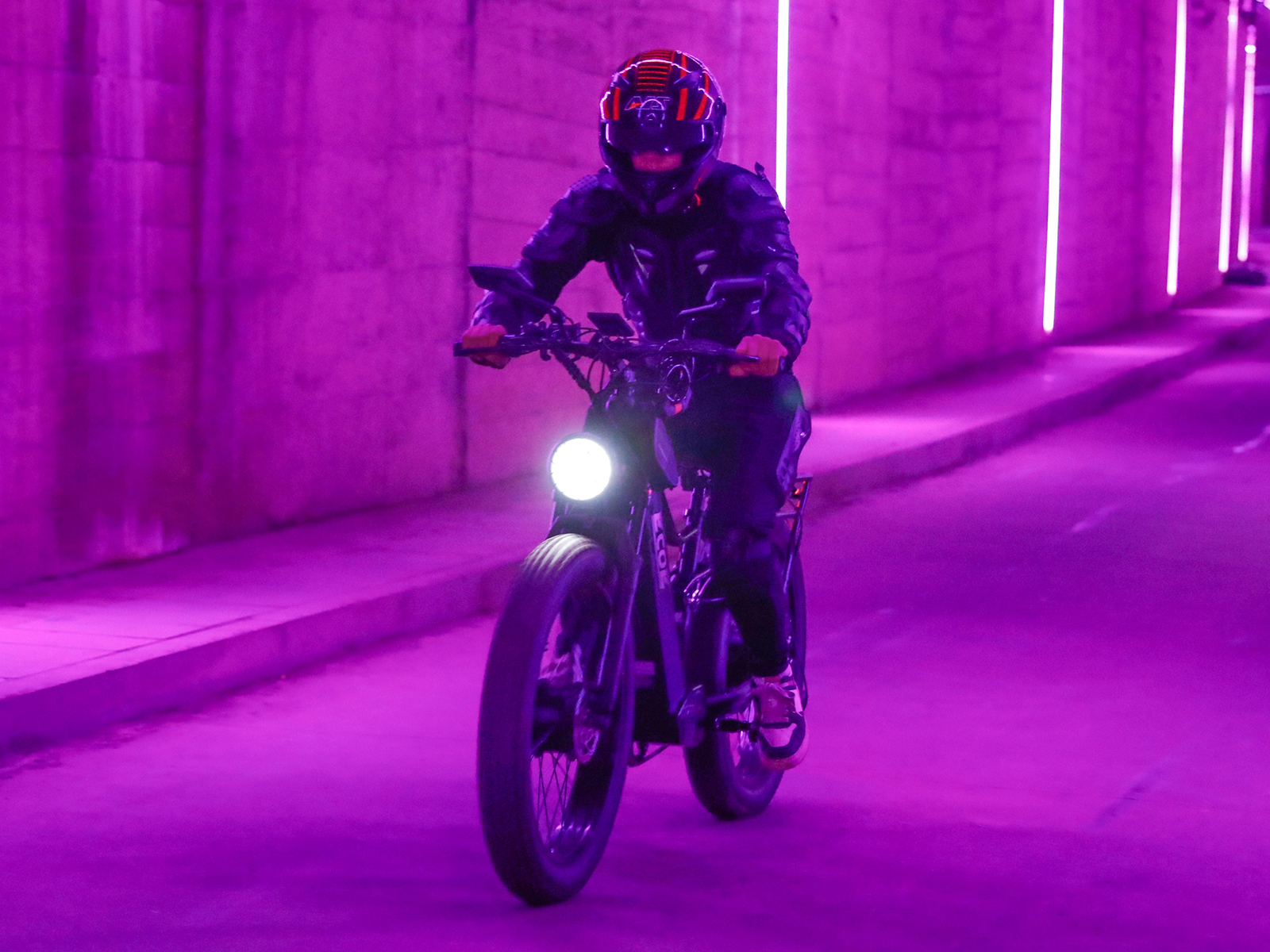
EcoE Weekend Maintenance Box: Simple Items to Keep Near Your Electric Bike
Meta Description: Build a simple EcoE electric bike weekend maintenance box with tire tools, cleaning supplies, charger organization, small hardware, and basic inspection items. Introduction Keeping your EcoE electric bike in good condition does not require a professional workshop. Many routine checks and simple maintenance tasks can be handled at home with a few useful items stored in one convenient place. A small weekend maintenance box makes bike care easier because the tools you need are always nearby. Instead of searching for supplies before every ride, you can quickly check your tires, clean your bike, inspect accessories, and handle small adjustments as part of your regular routine. Consistent care helps your EcoE electric bike stay ready for everyday rides, outdoor adventures, and longer journeys. Quick Answer A simple EcoE maintenance box can include a tire pressure gauge, compact pump, cleaning cloths, soft brush, basic multi-tool, charger organization labels, suitable spare hardware, and a notebook or phone note for recording maintenance reminders and ride observations. Keep only the items you actually use. A practical maintenance box should make care easier, not create unnecessary clutter. Build a Simple Maintenance Box Tire Care Tools Tire condition has a major impact on riding comfort and performance. Keeping basic tire tools nearby makes regular checks much easier. Useful items include: Before longer rides, check that your tires look properly inflated and inspect them for visible damage, embedded objects, or unusual wear. A quick tire check can help prevent unexpected problems during your ride. Cleaning Supplies Dirt, dust, and road debris naturally collect on an electric bike over time. A few simple cleaning items can help keep your EcoE looking and riding better. Consider keeping: Pay attention to areas where dirt commonly collects, such as the frame, wheels, drivetrain, and accessory mounting areas. Avoid using aggressive […]
Read more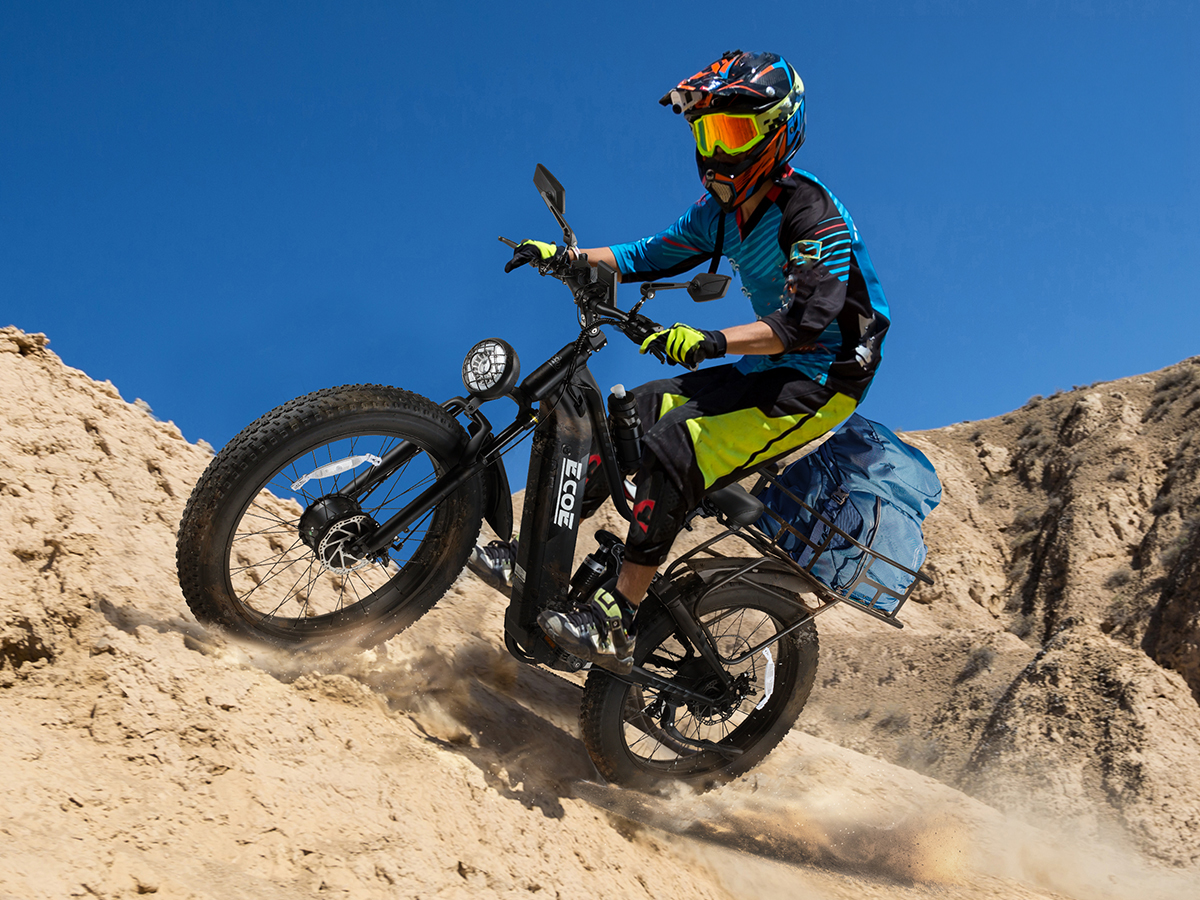
Enjoy 5 Fun Summer Activities with Your EcoE Electric Bike
Meta Description: Discover five exciting summer activities with your EcoE electric bike, from outdoor picnics and camping trips to scenic rides, beach cruising, and farmers market adventures. Introduction Long sunny days, warm breezes, and endless outdoor possibilities make summer the perfect season to explore. Whether you want to relax in nature, discover new places, or spend more time outside with friends and family, your electric bike can turn ordinary trips into memorable adventures. With smooth pedal assistance, comfortable riding performance, and flexible carrying options, EcoE electric bikes offer an enjoyable way to experience summer. From peaceful park visits to weekend camping escapes, an electric bike gives you the freedom to travel farther while keeping the journey fun and effortless. In this guide, we’ll explore five ways to make the most of your summer adventures with an EcoE electric bike. 1. Create the Perfect Outdoor Picnic Adventure Imagine a relaxing afternoon at your favorite park, a fresh meal waiting under the trees, and an easy ride that leaves you energized instead of exhausted. That is the charm of an electric bike picnic. Why Choose an EcoE Electric Bike for a Picnic? Carrying picnic supplies can be challenging when riding a traditional bike. With an EcoE electric bike, you can bring along essentials like blankets, snacks, drinks, and outdoor accessories without making the trip feel like a workout. The pedal assist helps you travel comfortably while keeping your energy for enjoying the destination. You can explore farther parks, quiet trails, or scenic lakeside areas that may have felt inconvenient to reach before. How to Plan an Electric Bike Picnic Choose Your Location:Look for bike-friendly parks, nature paths, or peaceful outdoor areas that are easy to access. Pack Smart:Bring travel-friendly foods such as sandwiches, fruit, snacks, and refreshing drinks. Choose items that are […]
Read more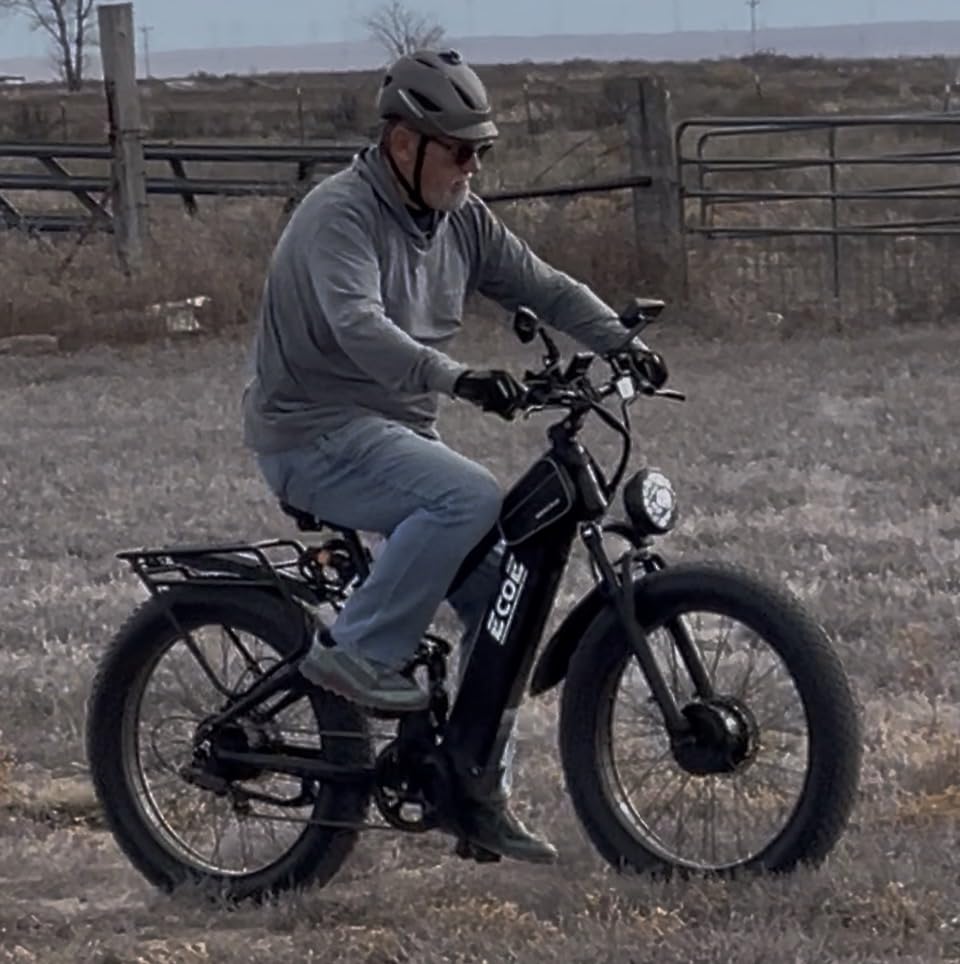
EcoE Spare Battery Planning: When a Second Battery Makes Sense
Meta Description: Decide whether an EcoE spare battery is the right choice for extended trips, frequent daily rides, camping adventures, cargo use, or situations where extra range confidence matters. Introduction A spare battery can give EcoE riders more flexibility, but it is not necessary for every riding style. While EcoE offers the option to purchase an additional battery for extended trips, the best choice depends on how, where, and how often you ride. The goal of a second battery is not simply to add more power. It is to solve real riding needs, such as longer routes, limited charging access, heavier loads, or outdoor adventures where extra range can make the experience more convenient. Quick Answer A spare battery may be a good choice if you regularly ride long distances, use your EcoE electric bike multiple times in one day, carry heavier cargo, go camping, or ride in areas where charging is difficult. For shorter neighborhood rides, regular commuting, or routes with easy charging access, better charging habits may provide enough range without needing an additional battery. When a Spare Battery Makes Sense Longer Outdoor Adventures Longer rides often come with more variables than expected. Hills, wind, uneven terrain, extra stops, and route changes can all affect how much energy your electric bike uses. A second battery can provide additional confidence when exploring farther from home. It gives riders more freedom to enjoy longer routes without constantly planning around charging locations. For camping trips, trail exploration, or weekend adventures, extra battery capacity can make it easier to stay on the route and enjoy the journey. Frequent Daily Riding Some EcoE riders use their electric bike for more than one purpose throughout the day: If you often complete multiple rides before having time to recharge, a spare battery can make your […]
Read more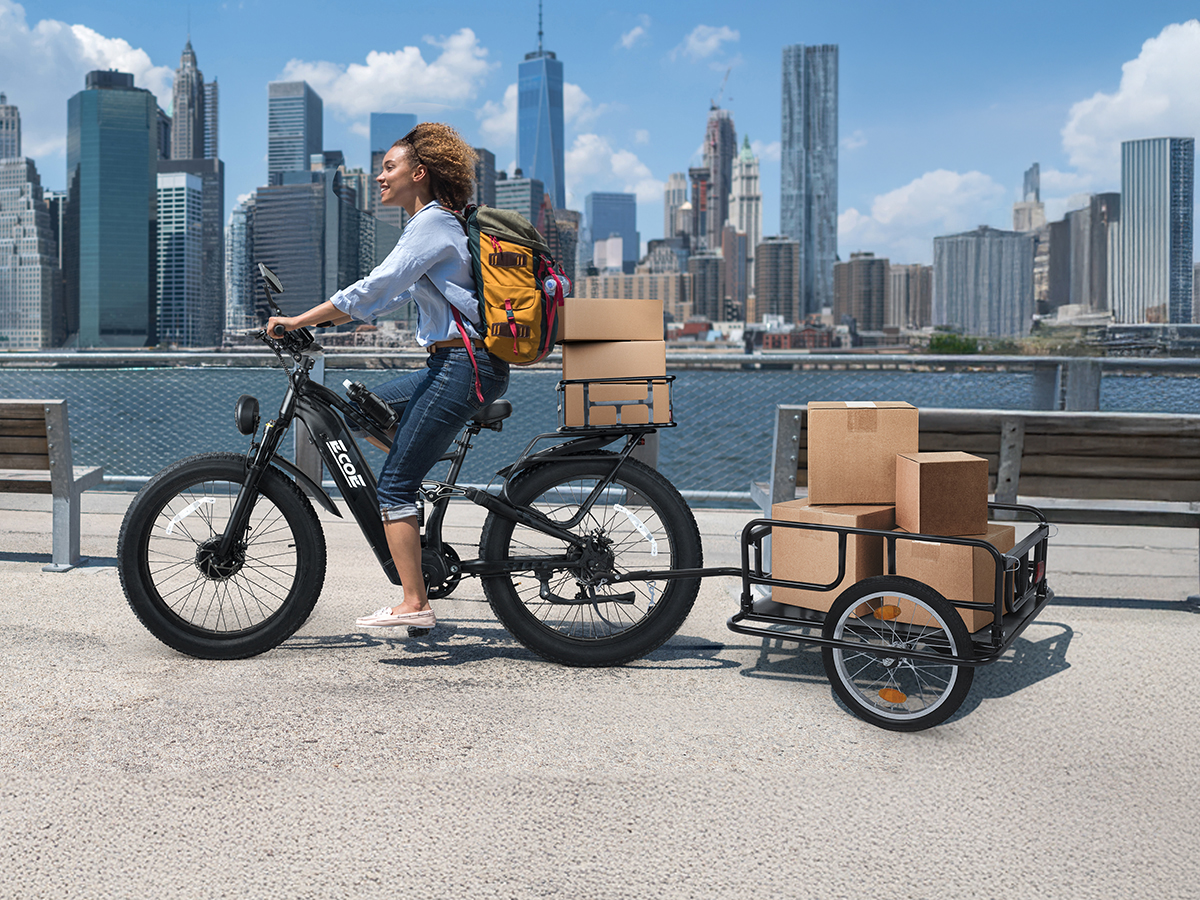
EcoE Brake Feel Check After Assembly: Lever Firmness and First Stops
Meta Description: After assembling an EcoE electric bike, check disc brake performance with lever firmness tests, low-speed stops, rotor noise inspection, and safe first-ride practice. Introduction EcoE electric bikes arrive mostly pre-assembled, but riders should still check important controls before the first real ride. Brakes are one of the most important systems to inspect because they directly affect control, confidence, and riding comfort. A simple brake feel check helps riders understand how the bike responds and makes the first ride smoother and more predictable. Taking a few minutes before riding can help identify unusual brake feel, noise, or adjustment needs early. Quick Answer After assembly, squeeze both brake levers and confirm they feel firm, roll the EcoE electric bike slowly, test stopping at low speed, listen for unusual rubbing sounds, and practice several controlled stops in a safe open area before riding near traffic. Check Brake Lever Feel Before riding, start with a simple lever check. The brake levers should feel responsive and controlled when pressed. A lever that feels unusually soft, loose, or moves too close to the handlebar may need attention before riding. Check both front and rear brakes: If something feels unusual, avoid guessing or making random adjustments. Review the assembly instructions or contact EcoE support before riding at higher speeds. Practice the First Stops Your first brake tests should happen in a quiet and open area away from traffic. Start slowly: After becoming comfortable, gradually increase speed while continuing to practice smooth braking. This helps you understand how much stopping distance you need and how the electric bike feels during braking. Listen for Rotor Rubbing Disc brakes may produce small sounds during normal use, especially after shipping or assembly. However, riders should pay attention to unusual noises. During your first checks, listen for: If the wheel […]
Read more
EcoE Pavement Comfort Setup: Seat Height, Tire Feel, and Easy Pace
Meta Description: Make EcoE electric bike pavement rides more comfortable by balancing seat height, tire pressure, riding posture, cadence, route choice, and everyday riding habits. Introduction Fat tire electric bikes are often associated with trails, gravel, and outdoor adventures, but many riders spend most of their time on pavement. Whether it is a daily commute, neighborhood ride, or weekend cruise, a proper setup can make street riding smoother and more enjoyable. EcoE electric bikes feature 26×4 fat tires and suspension designed to help absorb everyday bumps and changing road conditions. However, rider adjustments also play an important role in comfort. Small changes to seat height, tire feel, and riding style can make a noticeable difference on paved roads. Quick Answer For a more comfortable EcoE pavement ride, adjust your seat height for efficient pedaling, maintain a balanced tire feel, ride at a relaxed pace, keep your hands relaxed on the handlebars, and choose smoother routes whenever possible. Find the Right Seat Height Seat height affects both comfort and riding efficiency. A seat that is too low may make your legs work harder and create an uncomfortable pedaling motion. A seat that is too high can make stopping and balancing feel less natural. A good setup should allow you to: Take time to adjust the seat before longer rides. A small change can improve comfort throughout the entire journey. Adjust Tire Feel for Pavement EcoE fat tires provide a comfortable ride by helping absorb bumps and uneven surfaces. However, tire feel can change depending on pressure and riding conditions. For pavement riding: A tire that is too soft may feel sluggish, while a tire that is too firm may reduce the smooth feeling riders expect from fat tires. The goal is a stable, controlled ride that matches your route. Use a […]
Read more
EcoE Apartment Owner Routine: Elevator, Hallway, Charging, and Courtesy
Meta Description: Use this EcoE electric bike apartment routine for elevator handling, hallway courtesy, charging setup, accessory storage, and clean indoor movement. Introduction Living with a powerful electric bike in an apartment is completely possible, but having a simple daily routine makes ownership easier. Unlike a traditional bicycle, an electric bike may require more planning when moving through elevators, hallways, storage areas, and charging spaces. EcoE electric bike owners can make apartment riding smoother by creating habits that protect the bike, respect shared spaces, and keep daily use convenient. Quick Answer Plan your indoor route before moving the bike, keep hallways clear, clean dirt or moisture from the tires before entering shared areas, store accessories neatly, charge the battery in a dry and suitable location, and avoid creating obstacles for neighbors. Elevator and Hallway Courtesy Elevators and hallways are shared spaces, so a little extra attention makes a big difference. When moving your EcoE electric bike indoors: After outdoor rides, mud, water, or small debris on the tires can easily transfer indoors. A quick wipe helps keep common areas clean and makes storing the bike easier. Create a Practical Charging Space A removable battery makes apartment charging more convenient because riders may not always have access to a charging area near where the bike is stored. When charging your EcoE battery: A dedicated charging spot also makes it easier to remember charging habits before your next ride. Store Accessories Neatly Electric bike accessories can improve daily convenience, but they can also create clutter if they are not organized. Keep items such as: In one easy-to-find location. A simple storage system saves time before rides and helps keep apartment spaces organized. Protect Your Indoor Space Before bringing your EcoE electric bike inside, take a moment to check: Small preparation steps reduce […]
Read more0