Sep 22, 2026
EcoE Road-Rage Exit Plan: Disengage Without Arguing From the Saddle
Meta Description: If another road user becomes aggressive, use an EcoE disengagement plan built on distance, no argument, a public safe place, and lawful reporting.
Introduction
A horn, close pass, shouted comment, or deliberate blocking move can turn an ordinary EcoE ride into a threatening encounter. Even a brief interaction can become more serious if both road users stop, argue, or attempt to prove who was right.
When another person becomes aggressive, the goal should not be to settle the disagreement from the saddle. The priority is to create distance, avoid escalation, and reach a location where other people can provide assistance if necessary.
A simple exit plan gives you something practical to follow when stress makes it harder to think clearly.
Quick Answer
If another road user becomes aggressive, do not argue, gesture back, chase, block, or stop beside the person.
Keep the EcoE on a predictable and lawful line while looking for an opportunity to increase distance. If the other road user moves ahead, allow them to leave when it is safe. If you can legally change direction, consider moving toward a staffed, well-lit, public location.
Avoid leading the person toward your home, workplace, or another private destination.
If the danger is immediate, contact local emergency services as soon as you can do so safely.
Recognize When the Situation Is Escalating
Not every impatient driver or frustrated comment becomes a dangerous encounter, but certain behaviors can signal that you should disengage rather than continue the interaction.
These may include:
- Repeated close passes
- Deliberate blocking
- Following after the initial interaction
- Repeated aggressive horn use
- Shouting or threatening gestures
- Attempts to force you toward the edge of the road
- Stopping specifically to confront you
You do not need to determine the other person’s intentions before taking reasonable steps to create distance. If the situation feels increasingly hostile, shift your attention from the disagreement to your exit route.
Create Distance Without a Contest
Creating distance does not mean trying to outrun or challenge the other road user.
Avoid sudden steering movements that could place you in another traffic conflict. Do not cut across lanes, ignore signals, or make an unpredictable turn simply because you want to get away quickly.
When a safe opportunity exists, allow the other road user to move ahead. If the route permits a lawful turn, you can also leave the immediate area rather than remaining on the same stretch of road.
Do not rely on the EcoE’s acceleration as your primary escape strategy. Increasing speed can reduce the amount of time you have to react to traffic, pedestrians, intersections, and other hazards. It can also turn the encounter into a pursuit.
The objective is simple: increase separation without creating another problem.
Keep Your Movements Predictable
Aggressive encounters can create pressure to react immediately. Resist the urge to make exaggerated gestures or sudden movements.
Signal normally when required, maintain a predictable line, and continue watching the road around you. Avoid repeatedly looking back if doing so makes it harder to control the EcoE. When you need to check what is happening behind you, do so only when you can maintain control.
If the person is attempting to provoke a reaction, giving them one may keep the interaction going. A calm, predictable riding pattern provides fewer opportunities for the situation to escalate.
Protect Your Destination and Position
If you believe someone is following you, do not automatically continue toward your home, workplace, or an isolated location where you normally store the EcoE.
Instead, consider whether you can safely continue toward a location where other people are present. Depending on what is available along your route, this could include a police or fire station, a busy commercial location, a staffed transit area, or another public place where you can ask for assistance.
Avoid dead ends, isolated parking areas, narrow paths, or locations where you could become separated from other people.
If you need to stop, choose a position that keeps you visible and gives you room to move away if the situation changes.
Do Not Stop Beside the Aggressive Road User
Stopping next to an angry driver or another aggressive road user can remove the distance that was protecting you.
Even if you believe you can explain what happened, the other person may not be interested in a discussion. A conversation that begins with a traffic disagreement can quickly become a personal confrontation.
If the other person stops, you do not have to stop with them.
Continue toward a safe location when you can do so lawfully and safely. If you are unable to disengage or believe an immediate threat exists, seek help rather than attempting to handle the confrontation yourself.
Protect Your Personal Information
During an aggressive encounter, avoid giving the other person unnecessary information about where you live or where you are going.
Do not point toward your home or explain that you are heading to a particular private location. If the person appears to be following you, your destination should be a place chosen for safety and visibility rather than convenience.
This is especially important when riding a familiar route where your normal destination may be easy to predict.
Report Only From Safety
Once you are safely away from the encounter, take a moment to record what happened while the details are still fresh.
Depending on what you can safely remember, note:
- Location of the incident
- Direction of travel
- Approximate time
- Vehicle type or description
- Distinguishing characteristics
- License plate, only if safely observed
- Specific behavior that caused concern
- Direction the other person traveled afterward
Focus on observable behavior rather than trying to determine the person’s intentions.
If your EcoE or another device already captured relevant footage, preserve the existing recording. Do not return to the location or follow the person simply to obtain additional footage.
Follow local reporting procedures and provide the information you safely collected.
Know When to Seek Additional Help
If the encounter involved an immediate threat, collision, injury, property damage, or continued pursuit, consider contacting the appropriate emergency or non-emergency service based on the circumstances and local procedures.
If you were injured, seek appropriate medical attention. If the incident raises legal questions, consider obtaining professional legal advice rather than attempting to resolve the matter directly with the other road user.
Most importantly, do not put yourself back into the situation just to collect evidence or obtain an explanation.
Build an Exit Plan Before the Ride
A disengagement plan is easier to follow when you think about it before an incident occurs.
On familiar EcoE routes, identify several places where you could safely stop and ask for help. Notice which sections of the route have businesses, staffed facilities, or other areas where people are normally present.
You do not need to memorize an elaborate emergency route. Simply knowing several possible refuge points can give you more options if an ordinary ride suddenly becomes uncomfortable.
Keep your phone accessible and know the local emergency number before riding in an unfamiliar area.
CTA
An aggressive road user can make a normal EcoE ride feel unpredictable, but you do not need to participate in the confrontation.
Use this sequence:
Recognize → Disengage → Create Distance → Protect Your Destination → Reach People → Report Safely
Do not argue from the saddle, chase the other person, block their vehicle, or attempt to prove who was right. Keep your movements lawful and predictable, avoid unnecessary exposure, and move toward a safe public location when practical.
Follow local traffic rules, wear appropriate protective gear, and seek help when the situation goes beyond an ordinary traffic disagreement.
No argument is worth remaining beside an escalating road user.
Leave a comment
Please note, comments need to be approved before they are published.
当前文章评论已关闭。
-
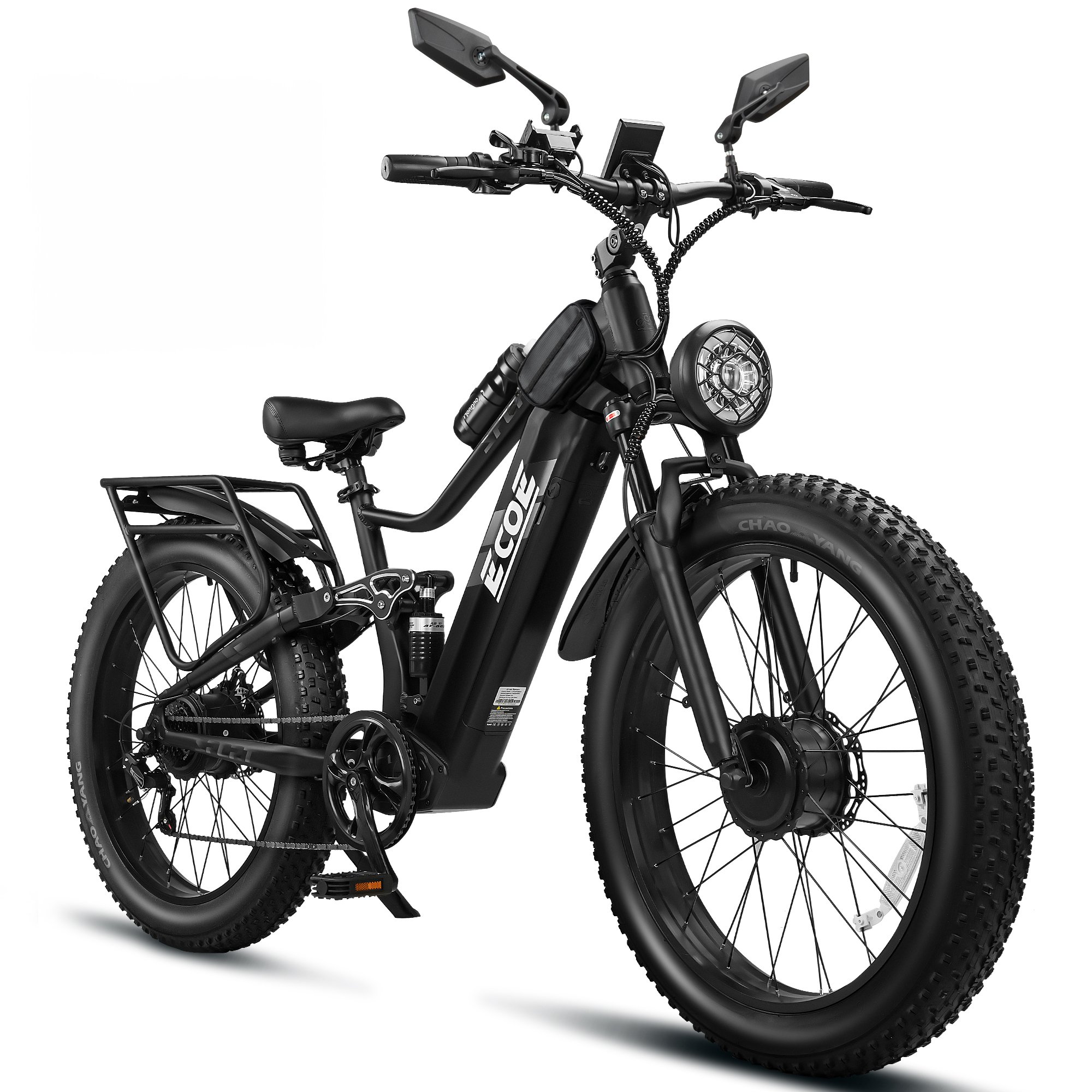
EcoE 9000W Dual Motor Electric Bike for Adults 52MPH 60V32A, 26×4 Fat Tire All Terrain Ebikes, Full Suspension E Bike, SHM 7-Speed Gear Electric Bicycle 9000W-60V
From$1,329.00 Add to cart-
10000W Dual Motor Electric Bike for Adults 52MPH with Charge Voltage 63v Battery, 26×4 Fat Tire All Terrain Ebikes, Full Suspension E Bike, SHM 7-Speed Gear Electric
From$1,699.00 Add to cart
EcoE Road-Rage Exit Plan: Disengage Without Arguing From the Saddle
Meta Description: If another road user becomes aggressive, use an EcoE disengagement plan built on distance, no argument, a public safe place, and lawful reporting. Introduction A horn, close pass, shouted comment, or deliberate blocking move can turn an ordinary EcoE ride into a threatening encounter. Even a brief interaction can become more serious if both road users stop, argue, or attempt to prove who was right. When another person becomes aggressive, the goal should not be to settle the disagreement from the saddle. The priority is to create distance, avoid escalation, and reach a location where other people can provide assistance if necessary. A simple exit plan gives you something practical to follow when stress makes it harder to think clearly. Quick Answer If another road user becomes aggressive, do not argue, gesture back, chase, block, or stop beside the person. Keep the EcoE on a predictable and lawful line while looking for an opportunity to increase distance. If the other road user moves ahead, allow them to leave when it is safe. If you can legally change direction, consider moving toward a staffed, well-lit, public location. Avoid leading the person toward your home, workplace, or another private destination. If the danger is immediate, contact local emergency services as soon as you can do so safely. Recognize When the Situation Is Escalating Not every impatient driver or frustrated comment becomes a dangerous encounter, but certain behaviors can signal that you should disengage rather than continue the interaction. These may include: You do not need to determine the other person’s intentions before taking reasonable steps to create distance. If the situation feels increasingly hostile, shift your attention from the disagreement to your exit route. Create Distance Without a Contest Creating distance does not mean trying to outrun or challenge the […]
Read more
EcoE Curb-Ramp Transition: Cross the Gutter Lip With the Wheel Square
Meta Description: Approach a legal curb-ramp transition on an EcoE by yielding to pedestrians, reading the gutter lip, slowing early, and keeping the wheel square. Introduction A curb ramp may appear smooth from a distance, but the gutter at its base can hide a narrow lip, diagonal seam, puddle, or damaged edge. When bicycle access is permitted, an EcoE rider should approach the transition deliberately while leaving plenty of space for pedestrians. A small change in surface height is easier to manage when you identify it early and keep the electric bike stable. Quick Answer First, confirm that riding through the area is permitted and yield to pedestrians using the crossing. Slow down before reaching the transition, identify the cleanest part of the gutter lip, and keep the front wheel as close to square with the edge as the available space allows. If the edge is high, wet, damaged, crowded, or difficult to read, dismount and walk the EcoE through the transition safely. Read the Base of the Ramp Look beyond the painted ramp surface and inspect the area where it meets the gutter. Watch for a vertical edge, storm-drain channel, loose grit, tactile paving, standing water, or other changes in surface height. Choose a structurally sound path that does not take space away from someone waiting to cross. Do not assume every curb ramp has the same shape or transition. Reading the actual surface in front of you gives you a better opportunity to adjust before the front tire reaches the edge. Cross With a Quiet Front Wheel Set your direction before the tire reaches the lip and keep the handlebars steady as you cross. Use gentle, consistent momentum instead of a sudden burst of assistance. Avoid sharp braking or steering while the tire is directly on the edge, […]
Read more
EcoE Cable-Rub Check: Find Frame Contact Before the Housing Wears Through
Meta Description: Inspect EcoE cable and wire contact points with the electric bike off, turning the bars gently and escalating frayed, pinched, or functional issues to service. Introduction Cables, hoses, and electrical wires can come into contact with the frame as the handlebars turn or the suspension moves. At first, light contact may leave nothing more than a polished or rubbed spot. With continued movement, however, that contact can wear through the housing or finish. A simple EcoE visual check can help identify these contact points early, before a small routing issue develops into a functional concern. Quick Answer Switch the EcoE off, stabilize the electric bike, and inspect the visible cable and wire routing without pulling on connectors. Look for shiny contact spots, flattened housing, cracks, fraying, sharp bends, or signs of pinching. Slowly turn the handlebars through their normal range while watching each line. Stop the inspection if a cable becomes tight, catches, or moves abnormally. Use Light, Sight, and Movement Good lighting makes small rub marks and changes in cable position easier to spot. A clean, dry electric bike can also make the inspection more consistent. Compare the routing with the handlebars centered and then gently move them toward the left and right positions. Watch how each line shifts and where it contacts the frame. Do not force the handlebars beyond their normal steering stops, and do not activate powered controls while inspecting the routing. The goal is to observe natural movement without creating additional tension. Separate Cosmetic Marks From Damage A light surface scuff is different from cracked or cut housing, but it may not always be easy to determine the difference immediately. If you are uncertain, photograph the area and monitor whether the mark changes over time. Also pay attention to related symptoms involving braking, […]
Read more
Aim Your EcoE Headlight: See the Route Without Dazzling Others
Meta Description: Check EcoE headlight aim against a wall, confirm the mount is secure, and verify the beam on a low-risk route without dazzling others. Introduction A headlight can be bright and still be poorly aimed. Pointed too high, it may shine directly into the eyes of riders, drivers, or pedestrians. Pointed too low, it may illuminate little more than the pavement immediately ahead of the tire. A quick EcoE headlight check helps create a useful balance: enough forward illumination to understand the route while keeping the beam considerate of everyone around you. Quick Answer Park the EcoE on level ground facing a plain wall, center the handlebars, and check where the brightest part of the beam falls. Make adjustments only through the approved light mount and make sure the light remains secure afterward. Then verify the beam at low speed in a legal, low-traffic area before returning to normal night riding. Start With a Repeatable Wall Check Use the same distance and tire position each time you compare adjustments. Before moving the light, take note of its original angle so you have a clear reference point. The goal is a controlled forward beam, not simply aiming the light as high as possible. Follow the light manufacturer’s instructions and any applicable local requirements for beam cutoff, light color, and mounting position. A consistent wall check also makes it easier to recognize when the beam has shifted after riding over rough surfaces. Check the Mount Before the Beam Even a well-aimed headlight is not useful if the bracket moves while riding. With the EcoE turned off, look for visible looseness, cracks, pinched wires, or interference with the handlebars and controls. Avoid overtightening unfamiliar hardware, as excessive force can create other problems. If the mount cannot hold its position securely, fix the […]
Read more
Windblown Plastic Ahead: Keep It Out of an EcoE Wheel and Drivetrain
Meta Description: Handle windblown bags or film near an EcoE by slowing early, leaving space, avoiding a last-second kick, and inspecting only after a safe stop. Introduction A lightweight bag, piece of packaging film, or loose ribbon can drift across the road and suddenly lift with the next gust. If it reaches a wheel, brake area, or drivetrain, it can become tangled around moving components. For an EcoE rider, the safest approach is not to predict exactly where the debris will move. Instead, create enough space to avoid it and give yourself time to respond calmly. Quick Answer Spot windblown debris early, check the surrounding traffic, and reduce speed while maintaining a predictable line. When lawful and practical, pass with plenty of clearance. Do not try to kick, grab, or make a sudden steering movement to avoid a moving bag. If the material contacts the electric bike, find a safe place to stop before checking the affected area. Watch the Wind, Not Only the Object Windblown debris rarely moves in a perfectly predictable path. Flags, leaves, passing vehicles, and gaps between buildings can give you clues about changing wind direction. On a windy day, give lightweight debris extra room, especially around passing vehicles where air movement can change suddenly. Avoid putting yourself between the debris and a curb, parked vehicle, or active traffic lane. A few extra moments of distance can give you more options than a last-second maneuver. If the Plastic Touches the Electric Bike Stay calm and keep your hands away from rotating components. Ease off the power and maintain a stable line. If the electric bike is still responding normally, apply the brakes progressively and move toward a safe stopping area. If you notice unusual noise, resistance, vibration, or a change in steering, do not try to […]
Read more
EcoE Courtesy-Wave Trap: Verify Every Lane Before Crossing
Meta Description: When a driver waves an EcoE rider through, verify signals, every lane, sightlines, and legal priority instead of treating the gesture as clearance. Introduction A stopped driver may smile and wave an EcoE rider across a driveway or intersection. The gesture may be friendly, but that driver controls only one vehicle. Another lane, turning vehicle, cyclist, or pedestrian may still be hidden from view. Traffic signals, signs, road markings, and right-of-way rules also remain in effect. For EcoE riders, the useful habit is simple: acknowledge the courtesy, then verify the entire crossing yourself. Quick Answer Acknowledge the driver if appropriate, but do not enter solely because of the wave. Check the signal, signs, road markings, pedestrians, and each traffic lane independently. Move only when your movement is legally permitted and the complete path is visible. If you cannot verify the crossing, wait or choose another route. Understand What the Wave Really Tells You A driver waving may simply be communicating that they intend to remain stopped. That gesture does not mean the driver can: Treat the wave as information about one vehicle, not as clearance for the entire road. Rebuild the Hidden View Large vehicles can hide a second lane, a turning vehicle, or someone approaching from the sidewalk. Stop where you remain visible and scan around the obstruction without rolling into the conflict area. Look for movement beyond the vehicle before committing to the crossing. If the view remains blocked, do not allow the waiting driver’s gesture to pressure you forward. Staying put may be the clearest decision until the path opens. Handle Pressure Without Rushing The driver may continue waving or appear to be waiting for you to go. That can create an uncomfortable feeling that you are holding up traffic. You do not need to […]
Read more
Using a Two-Stage Turn Box on an EcoE: A Lawful Left-Turn Alternative
Meta Description: Learn how to recognize and use a two-stage bicycle turn box on an EcoE while following markings, signals, pedestrian priority, and local traffic rules. Introduction Some intersections provide a marked two-stage turn box that allows bicycle riders to complete a left turn in separate steps. Instead of crossing multiple lanes at once, the rider travels straight, enters the waiting area, faces the new direction, and continues when the next signal permits. Because designs and regulations vary by location, EcoE riders should always understand the markings and signals before using the facility. Quick Answer Confirm that the turn box matches your intended direction before entering. Move into the box only during the permitted movement, stop within the marked area without blocking pedestrians or other riders, then reposition for the next stage. Wait for the signal controlling your new direction. If the layout is unclear or does not provide a confident path, choose another lawful turning method. Recognize the Complete Layout A two-stage turn box is part of a larger intersection design. Before reaching it, look for: Do not assume a painted area has a specific purpose based only on its color or location. Some spaces may serve different users or movements. Read the intersection early so you have enough time to choose a predictable path without making sudden changes. Stage One: Enter Without Cutting Across Follow the marked route and reduce speed before entering the intersection area. Yield to pedestrians and other road users who have priority. Enter the turn box under control, stop fully if required, and remain within the designated waiting area. Avoid a late diagonal movement across traffic. A smooth, predictable approach gives other road users more time to understand your intention. Stage Two: Follow the New Signal Once inside the box, adjust your position toward […]
Read more
EcoE at Bus Stops: Yield Through Boarding and Pull-Out Conflicts
Meta Description: Approach bus stops on an EcoE by reading passengers, bus signals, curb space, and local lane rules before choosing to wait, pass, or reroute. Introduction A bus stop can change from quiet curb space to a crowded crossing within seconds. A bus may pull toward the curb, passengers may step across a bike lane, and another vehicle may attempt to pass at the same time. For EcoE riders, the safest approach is to slow down and read all three movements before deciding whether to continue, wait, or reroute. Quick Answer Reduce speed before reaching the stop and keep your brakes ready. Watch for turn signals, opening doors, waiting passengers, and marked bike-lane bypasses. Yield as local rules require. Never squeeze between a bus and the curb, and do not pass until the path ahead is visible and legally clear. Read the Bus Before the Gap An open space beside a bus can disappear quickly when the bus moves toward the curb or begins pulling away. Watch for: Do not rely only on where the bus is at that moment. Stay in a predictable position where the driver and waiting passengers have the best opportunity to see you. If the bus is still moving, boarding, or preparing to leave, give yourself more time rather than trying to squeeze through a temporary opening. Expect People to Cross the Bike Space Passengers may be focused on the bus door, luggage, children, mobility aids, or finding their way onto the sidewalk. They may not notice an approaching EcoE rider immediately. Give pedestrians plenty of space and yield where required. Even if someone appears to have seen you, remain prepared to stop. An audible warning does not guarantee that a person will react as expected. Your goal should be to create enough time […]
Read more
EcoE Irrigation Runoff Check: Handle a Wet Stripe on an Otherwise Dry Road
Meta Description: Read sprinkler runoff on an EcoE by checking its source, slowing before the wet stripe, staying upright, and watching for hidden algae, mud, or debris. Introduction A road can be completely dry until a lawn sprinkler or damaged irrigation line sends water across one section of pavement. That isolated wet stripe may carry soil, fertilizer residue, algae, or fine gravel, making it less predictable than the dry pavement around it. For EcoE riders, the important habit is to recognize the change early rather than assuming a small patch of water is harmless. Quick Answer Identify where the water comes from and how far it spreads. Slow down while you are still on dry pavement and look for the clearest, shallowest crossing. Keep the EcoE upright with smooth steering and steady control. Avoid hard braking, sharp turning, or sudden acceleration while crossing the wet area. If you cannot determine the depth, surface condition, or road edge, do not force the crossing. Read the Source, Not Just the Shine The appearance of water can tell you only part of the story. A light spray from a lawn sprinkler may create a different surface from water flowing continuously from a ditch or broken irrigation line. Look for clues such as: Running water may also carry loose material toward low points. That means the middle of the wet area is not necessarily the cleanest place to cross. Take a moment to understand the source and surrounding surface before choosing your line. Cross With One Calm Motion Make your main speed and direction adjustments before the front tire reaches the water. Choose a straight, visible path and keep your steering smooth. Use gentle, consistent control rather than making sudden motor or braking inputs. Look toward the dry exit instead of staring directly at […]
Read more
Fresh Grass Clippings on the Road: An EcoE Line-Choice Routine
Meta Description: Approach fresh roadside grass clippings on an EcoE by spotting hidden hazards early, slowing down, and choosing a clear, visible riding line. Introduction After roadside mowing, fresh grass clippings can spread from the shoulder into the travel lane. What looks like a thin layer of green may contain loose gravel, small branches, or other debris underneath. Moisture can also make the surface less predictable. For EcoE riders, the key is to recognize the debris early and choose the cleanest available line before reaching it. Quick Answer Look ahead and determine how far the grass clippings extend. Reduce speed while you are still on clean pavement and avoid the thickest, wettest, or most uneven sections whenever possible. If you need to cross a narrow layer of clippings, keep your steering smooth and use gentle power. If avoiding the debris would require an unsafe move into traffic, wait for a clear and lawful opportunity rather than making a sudden swerve. Look for What the Grass May Hide Fresh grass does not always reveal what is underneath. Before reaching the affected area, look for: A light layer may be easier to manage than a thick pile, but appearance alone cannot guarantee traction. Pay particular attention to turns and road edges, where clippings may collect in deeper layers or hide changes in the pavement. Make Your Riding Decisions on Clean Pavement Speed and direction are easier to adjust before entering the contaminated section. Reduce speed early, choose your line, and keep the EcoE more upright while crossing the debris. Avoid sudden braking, sharp steering, or strong acceleration while the tires are on the clippings. Once both tires return to visible, consistent pavement, reassess the road before returning to your normal pace. The goal is simple: make the important decisions before the surface […]
Read more1
-