Dec 30, 2024
Can elderly riders manage the operation of a 5000w electric bike?
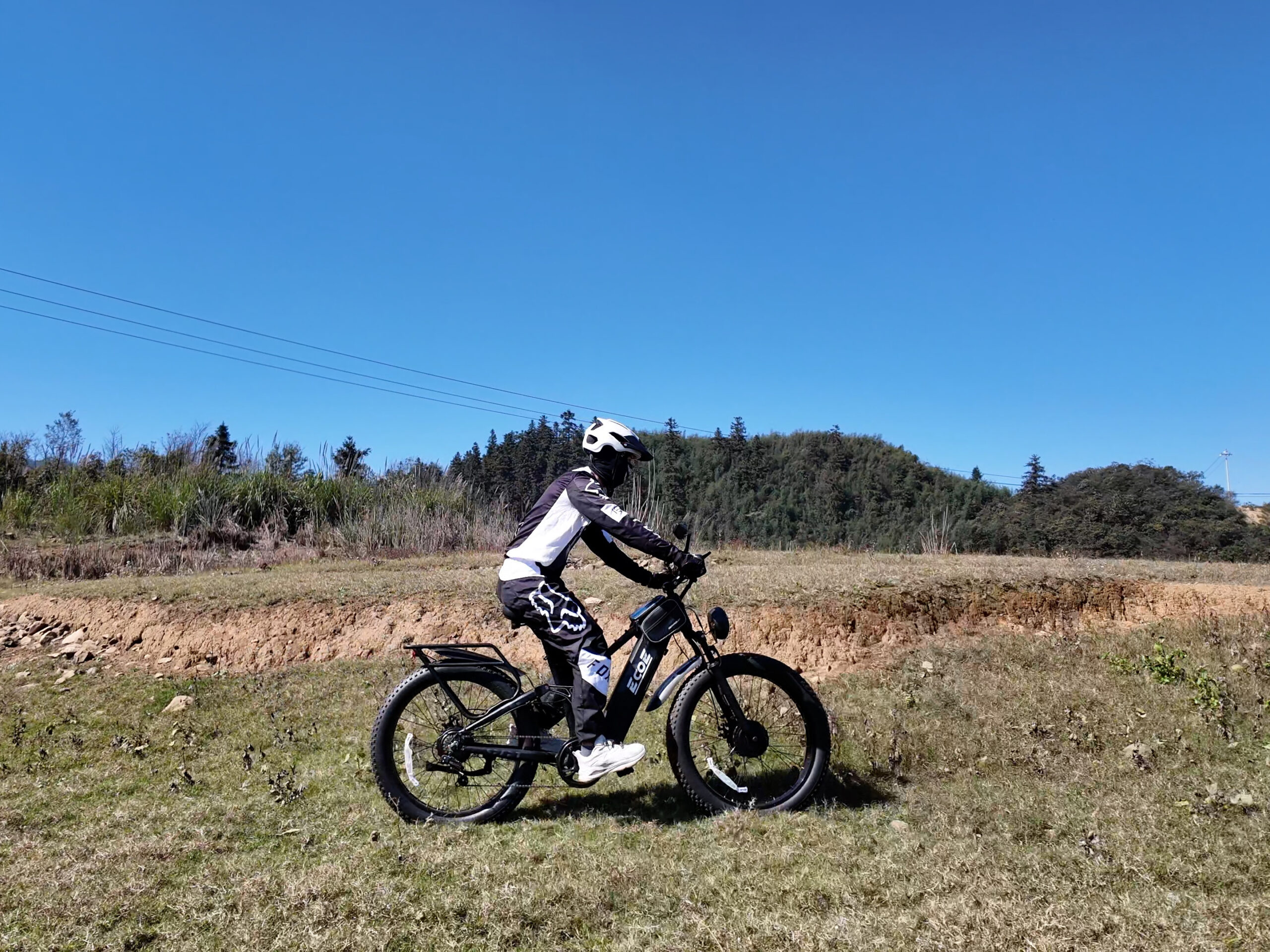
The world of 5000w dual-motor electric bikes represents a remarkable advancement in transportation technology, yet it also poses challenges, particularly for elderly riders. Understanding the intricacies of this powerful machine is essential. Many elderly individuals have expressed concerns about handling a bike with such capacity. For instance, Marjorie, a 67-year-old rider from Wisconsin, noted that while she enjoys the smooth ride and speed of her new electric bike, she often feels overwhelmed by its power. Her experience underscores the necessity to assess physical capability thoroughly; not every senior may feel comfortable with a 5000w e-bike.
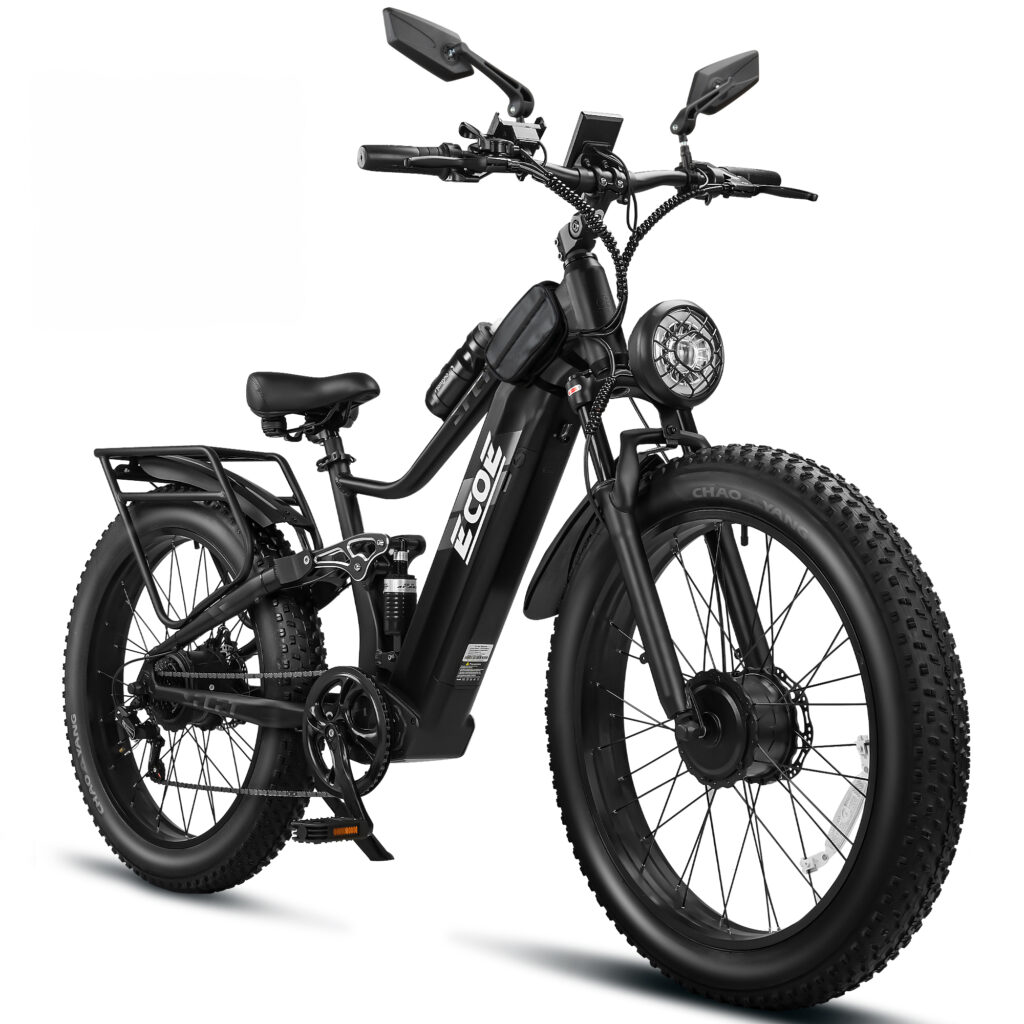
Moreover, advanced safety features must be tailored for older users, whose reflexes may differ from those of younger riders. A local biking community shared that integrating features like enhanced braking systems and upper body support can significantly alleviate safety concerns amongst older cyclists. These adjustments are critical in bridging the gap between innovative bike technology and the unique needs of senior riders.
The adaptation of bike technology to suit elderly riders goes beyond mere safety; it encompasses ease of use and accessibility as well. Simpler control mechanisms and intuitive interfaces are vital in making high-powered electric bikes more user-friendly for seniors. As highlighted in various biking forums, many seniors advocate for these modifications to ensure they can fully enjoy the benefits of their 5000w electric bikes without feeling intimidated by their operation.
while the potential for elderly individuals to operate 5000w dual-motor electric bikes exists, it requires a multi-faceted approach focused on personal ability, tailored safety mechanisms, and suitable tech adaptations that prioritize both enjoyment and security on every ride.
When considering the integration of technology into daily life, the emergence of the 5000w dual-motor electric bike stands out as a remarkable advancement. These electric bikes not only represent power but also a lifestyle transformation for many riders, including the elderly demographic. As society embraces more inclusive strategies for mobility, it is crucial to assess how well these high-performance machines can accommodate older riders who may have varying degrees of physical capability. Unlike traditional bikes, which require significant physical exertion, a 5000w electric bike offers an alternative that blends power with ease of use.
Striking a balance between performance and accessibility often poses challenges. For elderly riders, some may perceive a dual-motor electric bike as too intimidating due to its speed capability and operational complexity. However, modern bike technology has prioritized user-friendliness alongside power efficiency, incorporating intuitive controls that can simplify the riding experience. Features such as variable speed settings and responsive braking systems can enhance confidence and control for less physically capable riders.
Real user experiences corroborate this narrative. Many seniors report that transitioning from traditional bicycles to higher-powered electric models has not only improved their commute but also revitalized their sense of adventure. One user shared on an online forum about how they enjoyed weekend rides along scenic routes that were once beyond their reach due to mobility constraints: “The boost gives me freedom I thought I had lost.” Such testimonials highlight how these bikes serve not merely as modes of transportation but as instruments of empowerment.
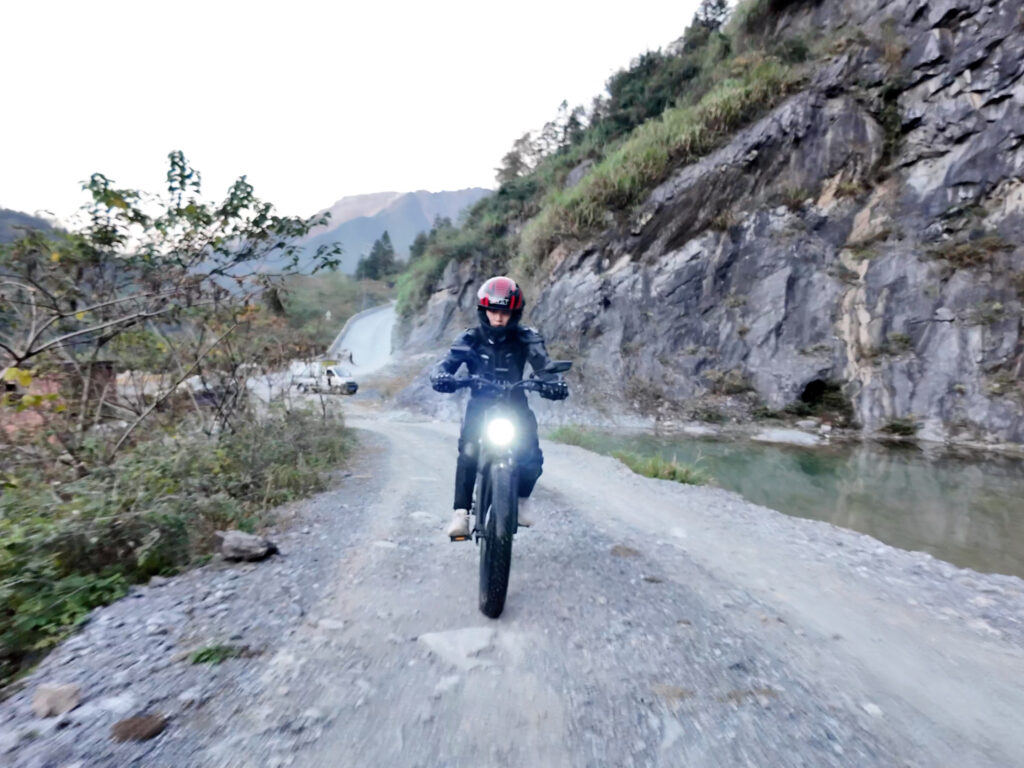
Furthermore, safety features developed specifically with senior riders in mind—including automatic lights, reflective elements, and advanced stabilization systems—play an integral role in enhancing their riding experience. Evaluating these elements underscores the importance placed on safety amidst increased performance capabilities. Ultimately, when considering whether elderly riders can effectively handle a 5000w electric bike, it becomes evident that with appropriate features and technology adjustments aligned with their needs, these high-powered machines are indeed suitable.
As Eleanor Roosevelt aptly noted, “The future belongs to those who believe in the beauty of their dreams.” For many elderly individuals passionately dreaming of vibrant bicycle journeys post-retirement age, these electric bikes symbolize revitalized hope and independence—a chance to embrace life’s adventures once again without compromising safety or comfort.
As the demographic of elderly riders continues to grow, the advent of the 5000w dual-motor electric bike presents both opportunities and challenges for this group. To determine whether elderly individuals can effectively navigate the operation of these high-powered machines, we must first assess their physical capabilities. A significant factor is their strength and balance, which play crucial roles in maneuvering such an electric bike. Many elderly riders possess varying degrees of physical health that can influence their comfort and ability to ride.
In practical terms, riding a robust electric bike like the 5000w model requires not only technical skill but also a certain level of physical fitness. According to recent reviews from users in forums and community groups, some older riders report a sense of thrill and liberation when riding these powerful bikes. One user noted, “The power boost allows me to maintain a speed similar to my younger friends without exerting too much energy,” highlighting how technology can potentially level the playing field.
However, it’s essential to acknowledge that senior riders may also face unique challenges. A diverse range of factors—such as joint stiffness, coordination issues, or diminished muscle strength—might hinder their ability to handle more demanding biking activities. Thus, ensuring that elderly riders possess an adequate understanding of their own abilities is paramount before embarking on such journeys.
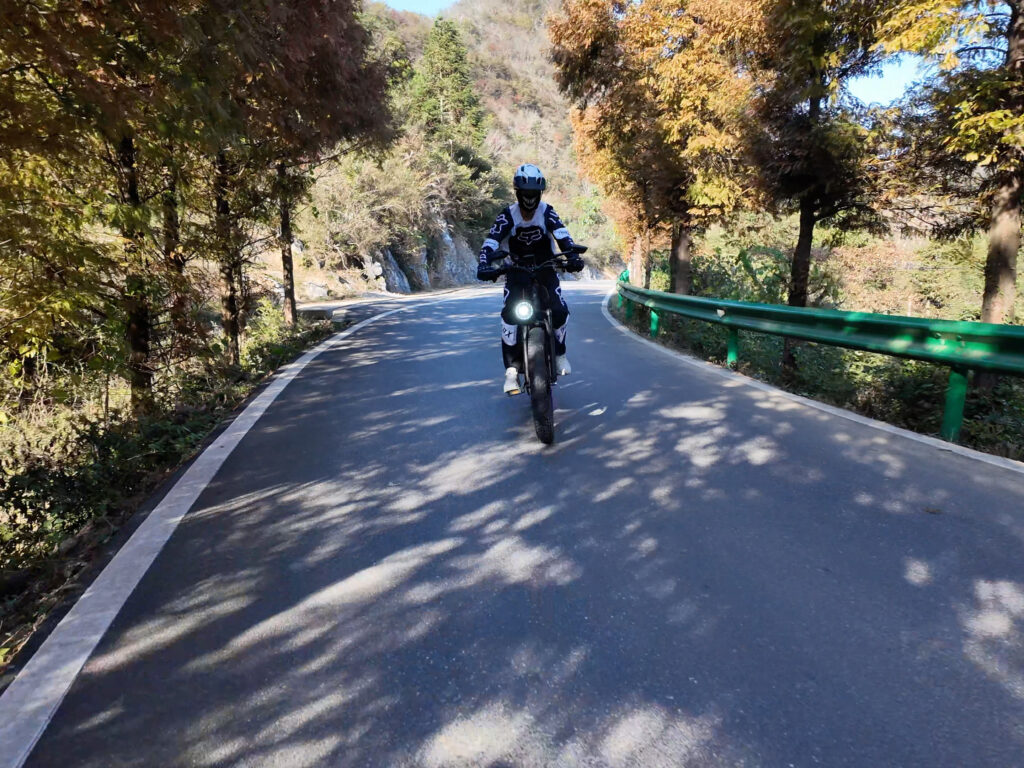
Furthermore, it is advisable for seniors interested in electric biking to engage in preparatory exercises aimed at enhancing balance and coordination. Simple activities like stretching or balance drills can significantly improve one’s confidence and readiness for operating a 5000w dual-motor electric bike. A recommendation from an experienced rider suggests:
“Always start slow. Familiarize yourself with the controls before hitting the trails.”
evaluating an elderly rider’s physical capability isn’t just about strength; it’s about fostering an awareness that allows them to make informed decisions regarding safety and enjoyment on their rides. The dynamic interplay between health considerations and motor skills will ultimately dictate how well one adapts to riding such powerful machines as electric bikes tailored for modern adventures.
When considering the operation of a 5000w dual-motor electric bike by elderly riders, safety features become paramount. High-power electric bikes, such as those with a 5000w output, offer remarkable speed and performance; however, they also introduce various risks that must be mitigated for the well-being of all users, particularly seniors. Essential to this discussion are features such as robust braking systems, stability controls, and advanced lighting systems.
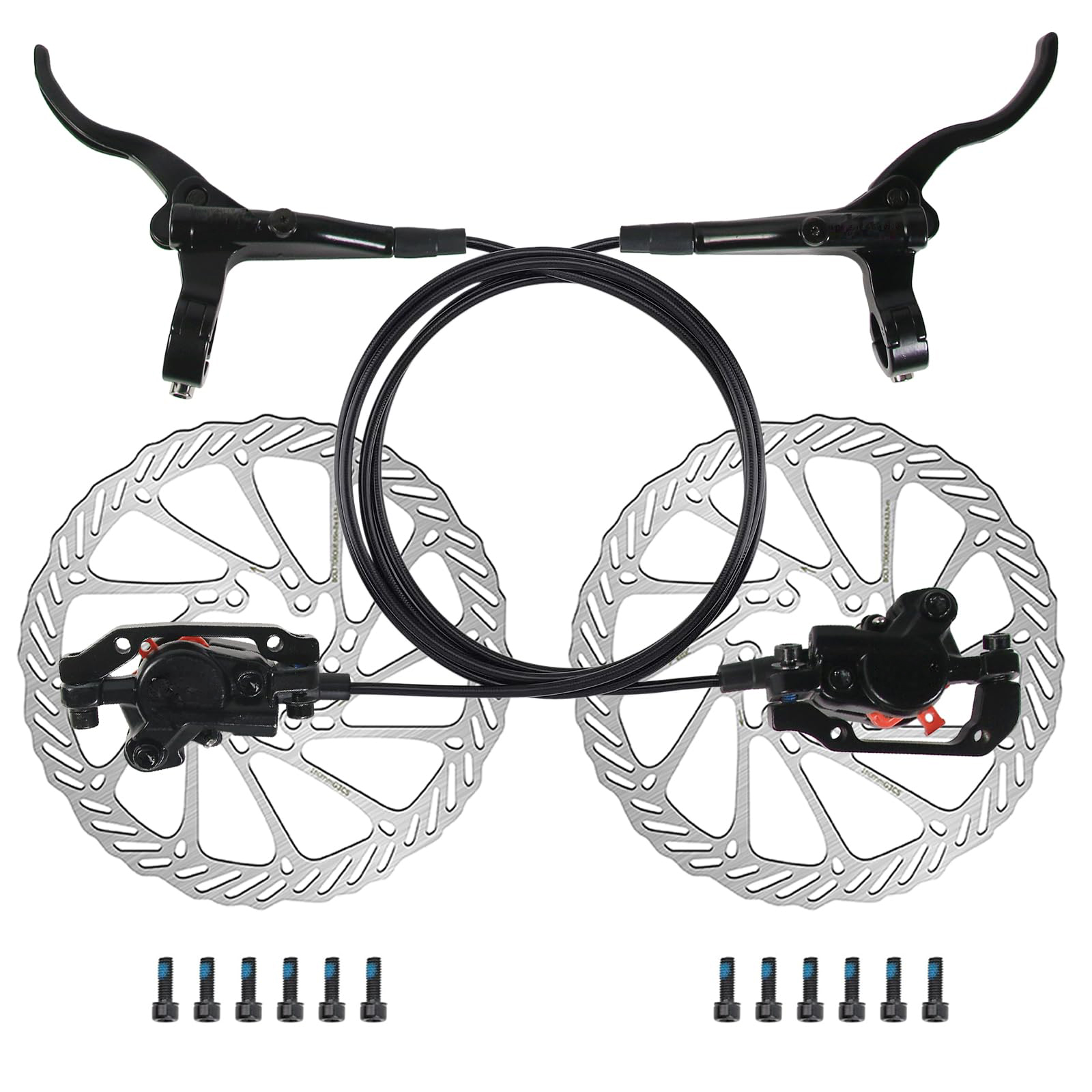
One crucial safety component is the presence of dual hydraulic disc brakes. These brakes provide immediate stopping power even at high speeds, which is particularly beneficial for elderly riders who may have delayed reflexes. Coupled with an anti-lock braking system (ABS), these bikes can prevent wheel lock-up during abrupt stops—a feature that enhances confidence and control.
In addition to braking technology, electric bikes designed for older adults often include adjustable handlebars and seats that accommodate varying heights and physical limitations. This customization not only improves comfort but also helps in achieving better stability while riding. Furthermore, lower step-through frames enable easier mounting and dismounting of the bike, a significant consideration for those with reduced mobility.
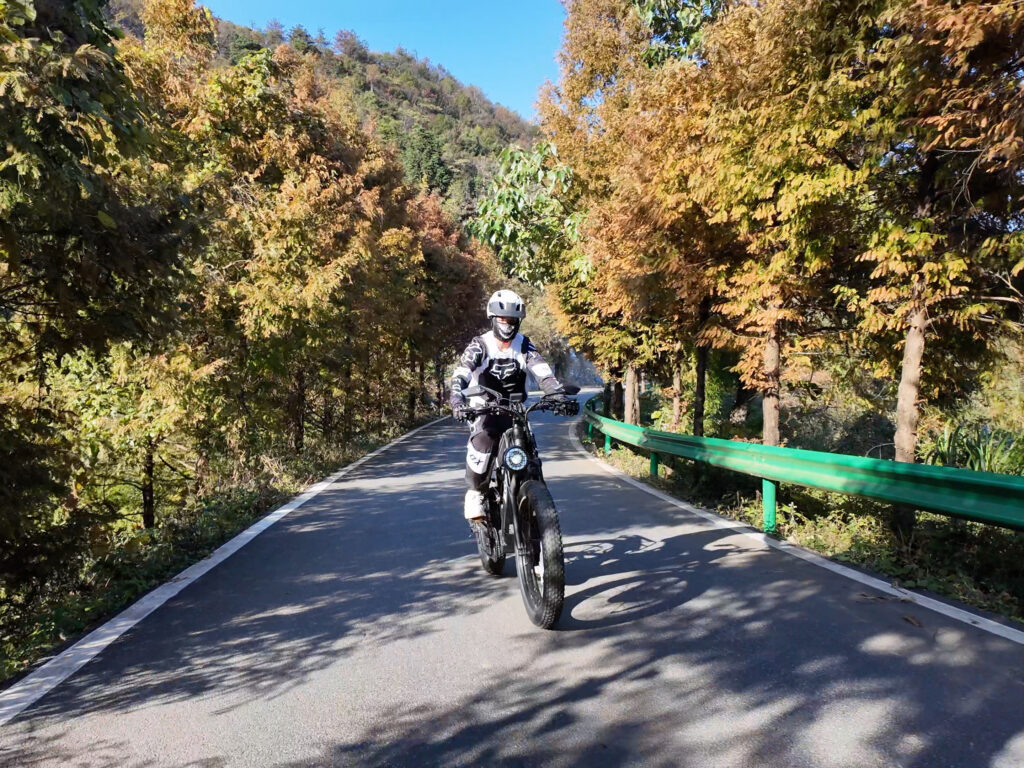
Moreover, inherent features such as speed limiters can be beneficial in ensuring that riders maintain a safe pace. These limiters can help prevent accidental acceleration beyond safe thresholds, allowing elderly riders to enjoy their riding experience without the added stress of managing high-speed capabilities.
An excellent example can be found in community feedback from seniors who have adopted these bikes into their daily routine. One user commented on how “the bike’s features made it possible to navigate the local park without fear,” illustrating how essential safety features can lead to increased confidence among elderly riders.
Ultimately, as technology continues to advance in the realm of electric mobility and bike safety, manufacturers are increasingly prioritizing user-centered designs that cater specifically to older demographics—transforming the riding experience from one of potential danger into an empowering tool for independence and enjoyment. The old adage rings true: “Safety first is safety always,” emphasizing its critical role in facilitating active lifestyles among seniors today.
As the demand for electric bikes continues to grow, it is essential to assess how advancements in technology can cater specifically to elderly riders. A 5000w dual-motor electric bike offers impressive power and speed, but its design and features must align with the physical capabilities and comfort levels of senior users. This segment of the biking community has unique needs that can be met through tailored modifications and innovations in electric bike technology.
Firstly, thorough ergonomics is crucial. The frame geometry should allow easy mounting and dismounting without placing undue strain on joints. Adjustable seat heights and handlebars enable seniors to find a comfortable riding position, thereby reducing the risk of injury. Moreover, lightweight materials ensure that despite the powerful motor, the bike remains manageable.
Secondly, enhanced user interfaces on electric bikes can significantly improve accessibility for elderly riders. A simple-to-read display that shows battery life, speed, and distance traveled can assist users in understanding their riding environment without overwhelming them with excessive data. Integrating voice commands or simplified controls will further facilitate ease of use.
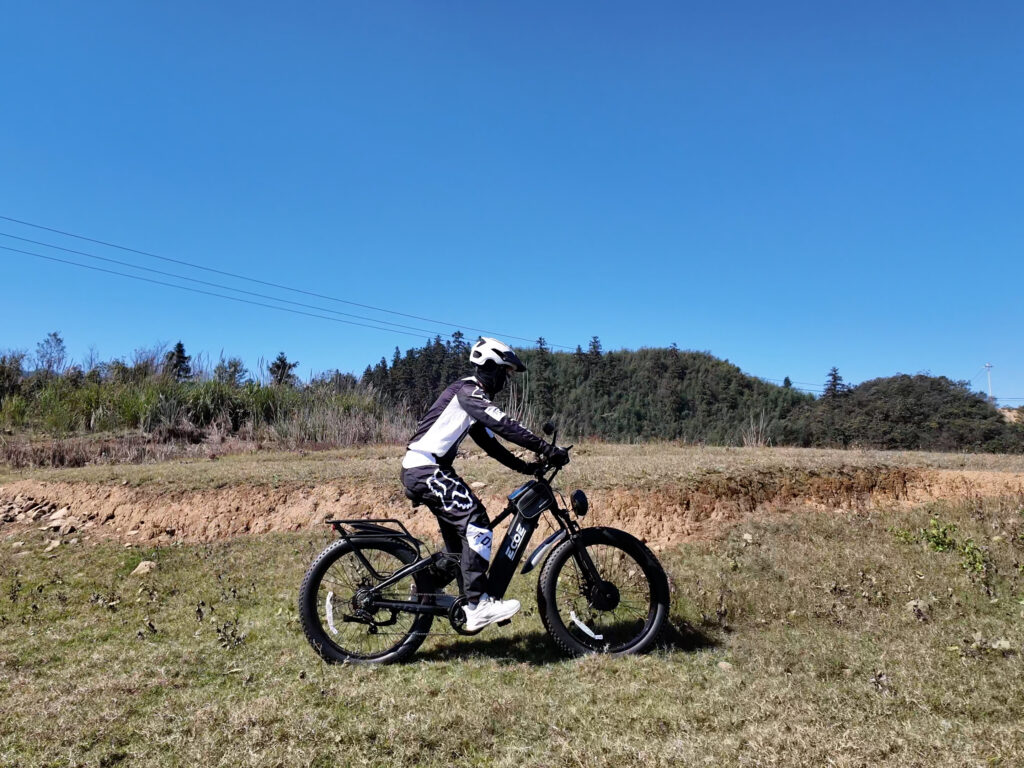
Furthermore, automatic safety features should not be overlooked. Systems such as anti-lock brakes (ABS), adaptive headlights that illuminate as they turn corners, and stability control can all contribute to safer riding experiences for seniors navigating different terrains or weather conditions. Indeed, “The greatest glory in living lies not in never falling, but in rising every time we fall,” reminds us of the importance of safety as we age.
Additionally, feedback from current senior riders highlights their experiences with high-powered electric bikes. Many have shared that adjustable performance settings allow them to start at lower speeds while gradually adjusting to power as they gain confidence. This adaptability fosters a sense of independence among older riders, allowing them to enjoy cycling without feeling intimidated by advanced technology.
a 5000w dual-motor electric bike can indeed be suitable for elderly riders when technology is tailored to meet their specific needs—emphasizing comfort, accessibility, and safety features. By making these adjustments and focusing on user-friendliness, we can ensure that senior citizens continue to thrive in their cycling endeavors while embracing the freedom these sophisticated machines offer.
In assessing the operation of a 5000w dual-motor electric bike by elderly riders, several dimensions of comfort, control, and customization come into play. The juxtaposition of robust power with the delicate frame of senior riders raises important considerations about their ability to handle such machines. Feedback from actual users highlights varied experiences: some elderly riders find the acceleration exhilarating yet manageable, while others express concerns about the balance between speed and safety.
A 74-year-old enthusiast shared her positive experience: “I’ve ridden traditional bikes all my life. The moment I hopped on the 5000w electric bike, I felt an array of possibilities. It’s powerful, but with the right adjustments, I felt safe navigating through my neighborhood.” This sentiment resonates with many as they express newfound freedom on these high-power electric bikes that cater to more than just the youthful rider demographic.
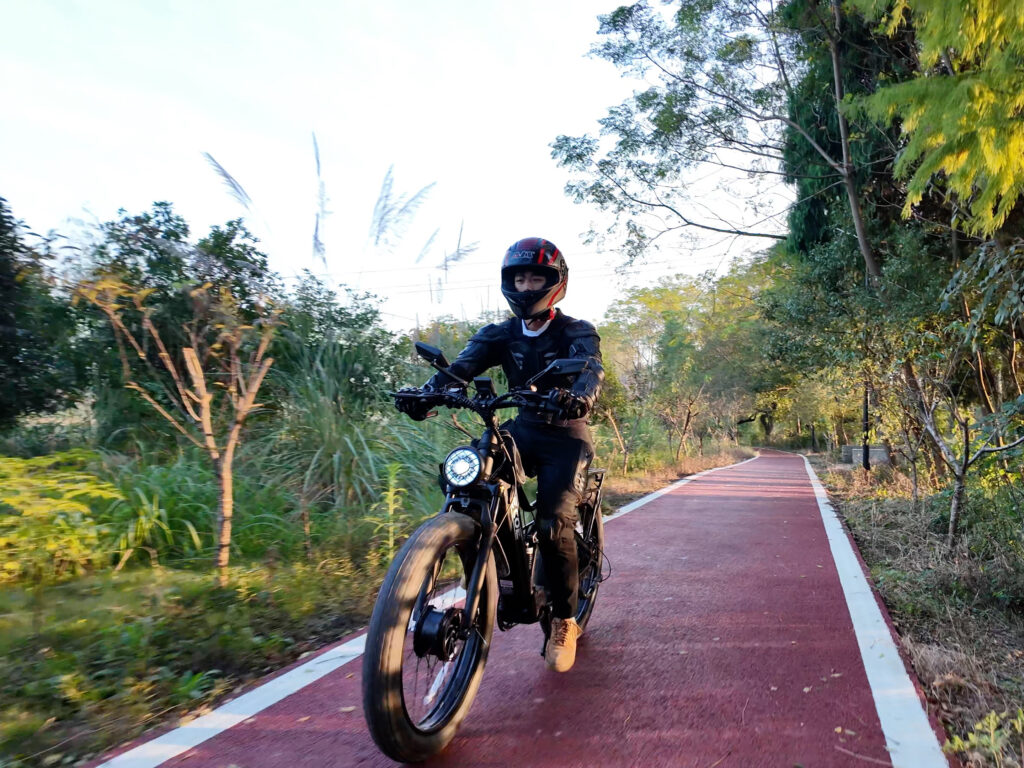
However, transitioning to this level of bike technology requires careful consideration of necessary safety features, such as enhanced braking systems and stability controls. Furthermore, it is crucial that electric bike manufacturers integrate solutions specifically designed for older adults. As Albert Schweitzer famously said, “The purpose of human life is to serve and show compassion and the will to help others.” In this light, companies could better serve their market by proactively addressing elders’ unique requirements.
Ultimately, what we glean from both testimonies and expertise underscored in this discussion is that while a 5000w electric bike presents an exhilarating option for travel, it necessitates thoughtful approaches concerning user capability and rider safety. With tailored features and continued advocacy for accessibility in design, senior riders can confidently embrace this new wave of biking technology while enjoying their journeys in a safe manner.
FAQs
Can elderly riders effectively operate a 5000w dual-motor electric bike?
Yes, many elderly riders can manage the operation of a 5000w electric bike, particularly if they are accustomed to riding and have maintained their physical capability. Familiarity with the bike’s controls is crucial.
What factors should elderly riders consider before choosing a high-power electric bike?
Elderly riders should consider their physical strength, balance, and comfort level when riding a 5000w electric bike. It’s also essential to assess if they have prior cycling experience, which can significantly enhance their confidence and handling ability.
What safety features should be present in an electric bike for seniors?
Key safety features include sturdy brakes for effective stopping, bright LED lights for visibility, reflective surfaces for increased awareness in low-light conditions, and stability-enhancing frames.
Are there specific adaptations in bike technology that cater to elderly riders?
Yes, advancements in technology have led to features such as adjustable seats, easy-to-read displays that convey essential information at a glance, and throttle control systems that minimize physical exertion.
What do other seniors say about using these high-powered electric bikes?
Many senior riders appreciate the boost in speed and ease of riding afforded by a 5000w dual-motor electric bike. For instance, a retired couple shared how it reignited their passion for outdoor cycling together after years of inactivity due to mobility concerns.
Is it advisable for elderly individuals with limited cycling experience to use powerful bikes like this?
While it’s possible for beginners to ride high-powered e-bikes like the 5000w model, they should start with lower-powered options or seek professional training sessions to build their skills safely.
Leave a comment
Please note, comments need to be approved before they are published.
当前文章评论已关闭。
-
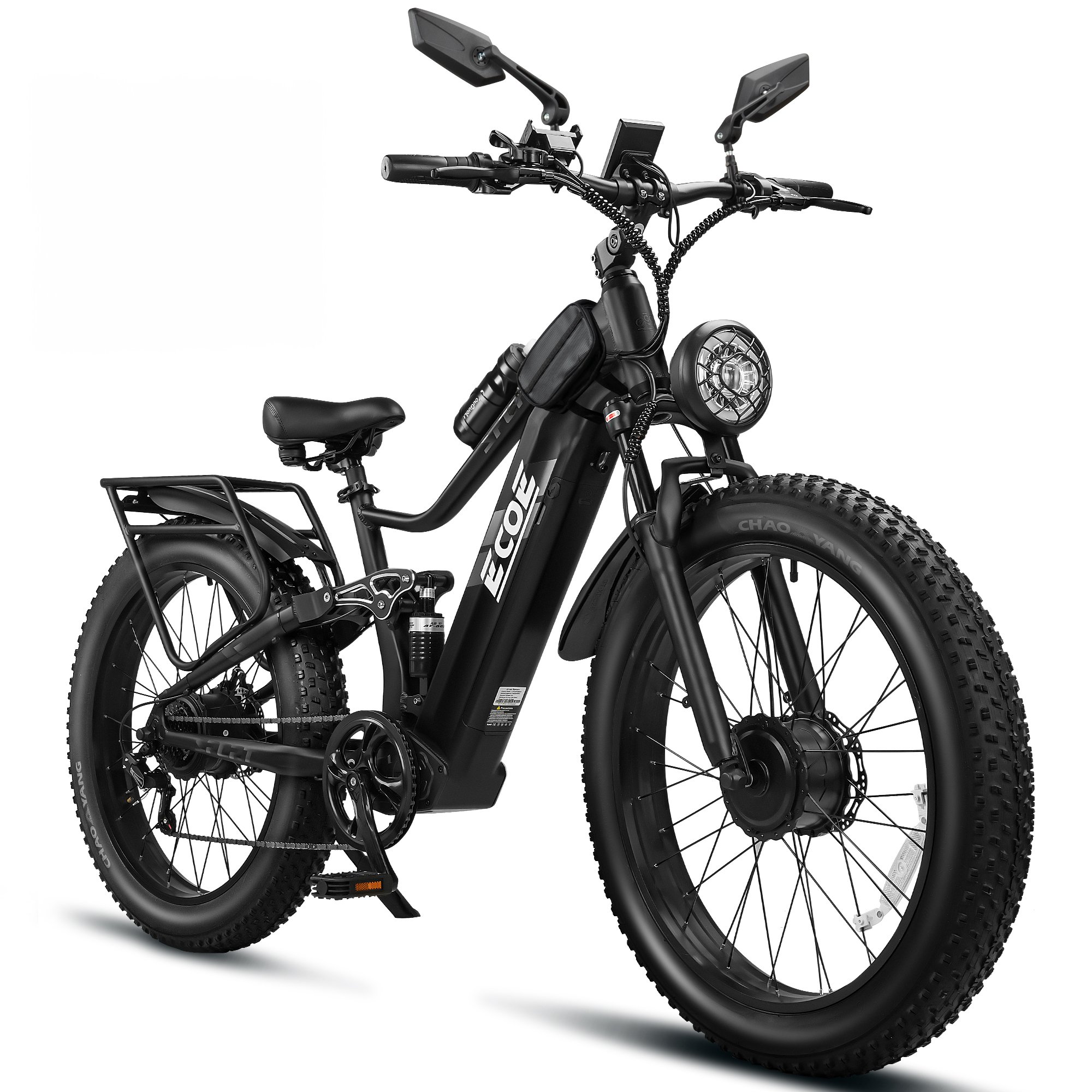
EcoE 9000W Dual Motor Electric Bike for Adults 52MPH 60V32A, 26×4 Fat Tire All Terrain Ebikes, Full Suspension E Bike, SHM 7-Speed Gear Electric Bicycle 9000W-60V
From$1,329.00 Add to cart-
10000W Dual Motor Electric Bike for Adults 52MPH with Charge Voltage 63v Battery, 26×4 Fat Tire All Terrain Ebikes, Full Suspension E Bike, SHM 7-Speed Gear Electric
From$1,699.00 Add to cart
EcoE Traffic Signal Detector Miss: What to Do When Red Will Not Change
Meta Description: Learn a patient, lawful EcoE electric bike routine when a traffic signal does not appear to detect your ride, from proper positioning to safe rerouting. Introduction Waiting at a traffic signal that does not seem to recognize an electric bike can be frustrating, especially when the road is quiet and the light appears to stay red longer than expected. Some intersections use pavement sensors, cameras, or other detection systems, and bicycles may not always trigger them in the same way as larger vehicles. For EcoE riders, the best response is not to force the situation. A calm and lawful approach keeps you visible, predictable, and safer around other traffic. Quick Answer Stop at the marked line in a legal and visible position and wait through a complete signal cycle. Do not move into the intersection or cross against the signal in an attempt to trigger a change. If the signal still does not respond, follow local rules and choose an approved option, such as waiting, using an alternate route, or walking the bike to a permitted crossing area. Choose a Visible Position Where you stop can affect how well you are seen by traffic systems and other road users. Use normal bicycle positioning and avoid moving unpredictably across lanes. If an intersection has bicycle detection markings or a designated waiting area, position yourself there when it is legal and safe. Keep in mind that a camera or sensor may not recognize every rider. Visibility helps, but it does not guarantee detection. Avoid Creating a New Hazard While Waiting A long wait can become uncomfortable, but the solution is not to move into unsafe areas. Avoid stopping in crosswalks, blocking turning paths, or placing yourself where drivers may not expect a bicycle. Stay aware of vehicles approaching from behind, […]
Read more
EcoE Drain Grate and Road Seam Guide: Keep Fat Tires on a Clean Line
Meta Description: Handle drain grates and road seams on an EcoE electric bike by spotting hazards early, choosing a clean line, and using smooth, controlled steering. Introduction Drain grates, utility covers, and pavement seams may seem like small details on the road, but they can quickly affect how an electric bike feels beneath you. Metal surfaces, gaps, raised edges, and uneven pavement can all change traction or redirect a wheel if approached carelessly. EcoE fat tires provide a broad contact area for everyday riding, but tire size does not eliminate the need for good road awareness. The safest approach is to recognize these features early, choose your line before reaching them, and keep your steering and braking smooth. Quick Answer Scan the road ahead, identify grates and pavement seams early, and choose a clean path whenever conditions allow. Slow down before reaching the obstacle, keep the electric bike stable while crossing, and avoid sudden steering, braking, or acceleration on slick or uneven surfaces. Identify the Hazard Early Not every road feature requires the same response. A drain grate may have openings that create a problem for a wheel, while a raised utility cover can affect balance differently. A long pavement seam may also become uncomfortable if you ride directly along its edge. Before reaching the feature, take a moment to understand what is ahead. Look for: Poor lighting and wet conditions can make these hazards harder to recognize. When you cannot clearly read the surface ahead, reducing your pace gives you more time to make a decision. Choose Your Line Before the Obstacle One of the biggest mistakes is waiting until the last moment to decide where to ride. Check the road around you early. If you need to move away from a grate or seam, look behind you first […]
Read more
EcoE Parked-Car Door Zone Guide: Build a Visible Escape Buffer
Meta Description: Ride an EcoE past parked cars with greater awareness by spotting door clues, preserving a safe buffer, controlling your pace, and planning an escape line. Introduction A row of parked cars is never completely predictable. A door can open, a passenger can step out, or a driver can suddenly pull into traffic. For EcoE riders, treating parked vehicles as an active roadside zone makes it easier to anticipate these situations. Instead of focusing only on the space directly ahead, look for clues around each vehicle and maintain enough room to respond calmly. Quick Answer Where local rules and traffic conditions allow, avoid riding too close to parked cars. Watch windows, mirrors, lights, and wheel position for potential clues. Maintain a controlled pace, preserve a visible buffer, and keep an escape option available. Never assume a closed car door will stay closed. Read Clues Before the Door Small details can provide useful warning signs. Look for occupied seats, brake lights, interior lights, moving silhouettes, visible exhaust, or a front wheel angled toward the traffic lane. None of these signs guarantees what a driver or passenger will do, but they can tell you when extra caution is appropriate. If a vehicle appears occupied or something looks unusual, reduce your pace and give yourself more time to react. Preserve Space Without Swerving Choose your riding line early rather than constantly weaving around parked vehicles. If you need to move farther away from the parked-car row, check behind you first and make your movement predictable. The EcoE rearview mirror can help you monitor surrounding traffic, but it should complement—not replace—your direct awareness of nearby vehicles. If there is not enough safe space to continue, slowing down or waiting can be better than squeezing through a narrow gap. Plan the Escape Before the […]
Read more
Bringing a Cold EcoE Battery Indoors: A Condensation-Aware Routine
Meta Description: Move a cold EcoE battery indoors with a patient, dry transition routine before inspection or charging, following official instructions. Introduction A removable EcoE battery may experience a quick temperature change when moved from a cold garage, storage area, or winter ride into a warmer indoor environment. When cold surfaces meet warm air, moisture may form. Taking a little extra time during this transition helps riders check conditions before connecting the charger. A careful routine protects both the battery and the charging process. Quick Answer Turn off the EcoE and remove the battery only according to the provided instructions. Place it in a dry, stable indoor location away from direct heat sources. Allow the battery to adjust naturally, check for visible moisture or unusual conditions, and only charge when the battery and charging environment are suitable according to official EcoE guidance. Avoid Forced Heating A cold battery should not be warmed quickly with external heat. Avoid placing it directly beside heaters, heat lamps, or other hot surfaces. Rapid temperature changes can create unnecessary stress and may interfere with proper handling. Instead, choose a clean indoor area with stable room conditions and enough space around the battery for a gradual transition. Inspect Before Charging Before connecting the charger, take a moment to check the outside of the battery and the connection area. Do not open, modify, or attempt to repair the battery yourself. If you notice visible moisture, physical damage, unusual swelling, strange odor, or another abnormal condition, avoid connecting the charger and follow appropriate support guidance. A simple inspection can help identify concerns before charging begins. Separate Battery Transition From Charging Bringing the battery indoors and charging it should be treated as two separate steps. First, make sure the battery has moved into a suitable dry environment. Then begin […]
Read more
EcoE Clothing Check: Keep Laces, Cuffs, and Straps Clear
Meta Description: Use a quick EcoE clothing check to secure shoelaces, trouser cuffs, bag straps, and loose layers before the wheels begin moving. Introduction Loose clothing can become an unexpected distraction when riding a powerful electric bike. A hanging shoelace, loose cuff, jacket cord, or bag strap may move toward pedals, wheels, or other moving parts. The easiest way to prevent these problems is to check before starting your EcoE ride. A short clothing and gear inspection helps keep your attention where it belongs: enjoying the ride. Quick Answer Before riding, secure shoelaces, manage loose trouser cuffs, close or tighten jacket cords, and tuck away any hanging straps. Take a quick walk around the EcoE to look for anything loose. With the bike powered off and stable, you can also carefully check that clothing or accessories are clear of moving areas. Start With Your Shoes Shoelaces deserve attention before every ride. Even if they were tied earlier, walking around can loosen knots or create longer loops. Secure your laces so they stay in place and avoid leaving extra material near the pedals. Choose riding footwear that fits securely and allows your feet to sit naturally on the pedals. Stable footing helps create smoother starts and stops. Manage Cuffs and Outer Layers Wide pant legs and loose jackets can move unexpectedly while riding. Secure clothing that hangs near the pedals or wheels. In cooler weather, choose layers that provide warmth without creating long loose sections of fabric. Before starting, zip pockets, manage drawstrings, and make sure outer layers stay controlled even when moving through wind. Check Bags and Accessories Clothing is not the only thing that can become loose. Backpack straps, helmet straps, cargo straps, and accessory cords should also be secured before riding. A strap that appears harmless while standing […]
Read more
EcoE Kickstand Check: Park a Heavy E-Bike Without a Slow Tip-Over
Meta Description: Park an EcoE electric bike more securely by checking ground firmness, lean direction, cargo balance, handlebar position, and kickstand contact. Introduction A parked electric bike can appear stable while still slowly shifting on soft ground, uneven pavement, or a sloped surface. With an EcoE carrying a removable battery, rack accessories, or additional gear, a quick stability check before walking away can help prevent unexpected tip-overs. Good parking habits take only a few seconds but can protect the bike, accessories, and surrounding space. Quick Answer Choose firm and level ground whenever possible. Make sure the kickstand is fully deployed and resting on a stable surface, not loose dirt, leaves, soft edges, or uneven pavement. Before leaving the bike, check the cargo balance, position the handlebar appropriately, and give the bike a gentle stability check to confirm it will stay in place. Read the Ground Under the Kickstand The most important area is the small contact point beneath the kickstand. A parking spot may look flat overall, but a small crack, loose surface, or soft patch can allow the kickstand to sink or slide. Avoid placing the stand directly on unstable edges or surfaces that may shift. If the ground does not feel reliable, move the entire bike to a better location instead of trying to adjust the stand on a questionable spot. Keep Cargo Balanced Before Parking Extra gear can change how an electric bike settles when parked. A loose bag, uneven rack load, or shifting cargo may affect the bike’s balance after you step away. Before opening storage bags or rearranging equipment, make sure the bike is already stable. Avoid allowing passengers or others to lean heavily on the bike while it is parked. A stable-looking bike can still move when additional weight is added. Check the Lean […]
Read more
Crossing Railroad Tracks on an EcoE: Angle, Speed, and Space
Meta Description: Approach railroad tracks on an EcoE electric bike with a controlled angle, steady speed, clear space, and smooth handling across rail surfaces. Introduction Railroad crossings create a unique riding challenge. Unlike normal pavement, tracks combine smooth steel surfaces, narrow grooves, uneven edges, and changing road conditions. EcoE’s fat tires provide a stable riding platform, but they cannot completely eliminate the possibility of a wheel being affected by a rail groove or uneven crossing surface. A safe rail crossing is less about power and more about preparation, positioning, and smooth control. Quick Answer Slow down before reaching the tracks, check your surroundings, and choose the safest crossing line early. Approach the rails as close to a straight angle as conditions allow, keep the bike upright, and maintain a calm, steady pace. Avoid sudden braking, hard acceleration, or sharp steering movements while crossing the steel surface. Set Your Line Before the Rails The best time to decide your path is before you reach the crossing. Check for traffic, signals, road conditions, and available space. Position the EcoE so the wheels can meet the rails with a cleaner angle instead of approaching from the side. Avoid making last-second corrections directly on the tracks. If the crossing area is damaged, blocked, or does not allow enough space for a controlled approach, it is better to wait and choose a safer moment. A few extra seconds of preparation can make the crossing smoother and more predictable. Keep Inputs Smooth Across Steel Rail surfaces require calm movements. Keep your grip relaxed, maintain a steady handlebar position, and allow the tires to move across the crossing without sudden changes. Wet rails, painted markings, loose gravel, or debris can reduce available traction. Smooth control is more important than speed. The goal is not to rush over […]
Read more
EcoE Low-Speed U-Turn Practice: Build Control Before You Need It
Meta Description: Practice controlled EcoE U-turns in a legal open area using a wide setup, relaxed steering, gentle power, and progressive drills. Introduction An electric bike can feel most impressive when it has plenty of power, but confident riding often comes down to what happens at very low speed. A smooth U-turn can be useful in parking areas, quiet access roads, trail staging areas, and other places where space is limited. At these speeds, balance, steering control, and awareness matter more than acceleration. Practicing low-speed turns in a controlled environment can help EcoE riders develop better handling habits before they need them during everyday rides. Quick Answer Choose a flat, legal, traffic-free area for practice. Start with a large circle, look toward your intended exit, keep your hands relaxed, and use gentle, steady input. Once wide turns feel comfortable, gradually make the turning area smaller. If your balance, visibility, or control starts to feel uncertain, widen the turn or stop the practice. Start Wide and Read the Space Begin with plenty of room. Painted parking lines or other harmless visual markers can help you create a simple practice area. Ride one wide circle in each direction before attempting a tighter U-turn. This first step lets you learn how the electric bike responds at low speed while showing you whether turning in one direction feels more natural than the other. There is no need to rush. The goal is to make each turn smooth and repeatable. Guide the Bike With Your Eyes Where you look can influence how naturally the bike follows the turn. Instead of staring at the front tire, curb, or ground immediately in front of you, turn your head toward the area where you want the bike to finish. Keep your gaze level and allow your upper body […]
Read more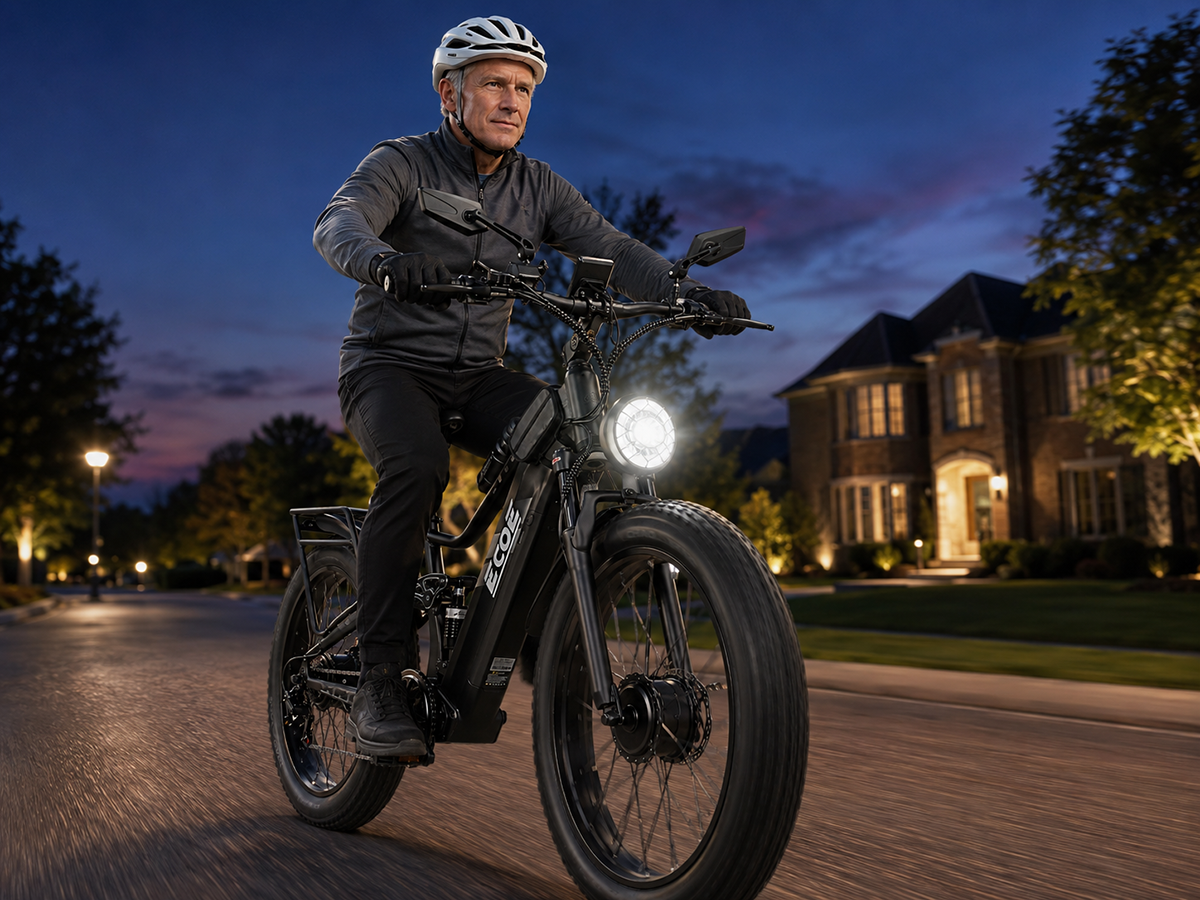
EcoE Heat Check Routine: Battery, Rider Energy, and Road Surface
Meta Description: Prepare your EcoE electric bike for hot-weather rides by managing battery storage, rider hydration, road conditions, shade, speed, and return timing. Introduction Summer riding brings a different kind of challenge. Bright sunlight, hot pavement, busy roads, and rising temperatures can make a familiar route feel much harder than expected. For EcoE riders, preparing for hot weather means thinking about more than just the bike. Your battery, your energy, and the conditions around you all play a role in making a summer ride comfortable and controlled. A little preparation before heading out can make it easier to enjoy the ride without letting heat become an unnecessary problem. Quick Answer Before riding in hot weather, avoid leaving the battery in extreme heat, carry enough water, start earlier when possible, choose routes with shade, adjust your speed when pavement is especially hot, and plan your return before fatigue becomes a problem. The goal is simple: protect the bike, manage your energy, and let the weather influence how you ride. Battery and Heat Heat can affect where and how you store your electric bike battery. When possible, keep the battery in a temperature-stable environment and avoid leaving it exposed to direct sunlight for long periods. If your EcoE is parked outdoors during a hot day, look for a shaded location whenever practical. Avoid treating a hot battery like it is ready to be charged immediately after sitting in intense heat. Give the battery and charging area appropriate attention before beginning your charging routine. Keeping the battery away from unnecessary heat is a simple habit that can become part of your regular summer routine. Rider Energy Electric assist can make riding feel easier, but it does not eliminate the effects of hot weather on your body. Heat can increase fatigue during a ride, […]
Read more
EcoE Shared-Use Photo Record: Before Rentals, Loans, or Test Rides
Meta Description: Create an EcoE electric bike photo record before rentals, loans, or test rides by documenting frame condition, accessories, battery, display, tires, and important details. Introduction When an electric bike is shared between different riders, memories can become unclear. Small scratches, missing accessories, battery levels, or settings can be difficult to remember after the ride is over. Creating a simple photo record before a rental, loan, or test ride helps everyone understand the bike’s condition before use. For an EcoE electric bike with features such as a removable battery, LCD display, fat tires, and multiple accessories, a quick inspection record can make shared use easier and more transparent. A few clear photos can protect trust and prevent unnecessary confusion later. Quick Answer Before sharing your EcoE electric bike, take photos of the complete bike, frame condition, battery area, display, tires, rack, accessories, and any existing marks. Record the date, time, and rider information if needed. Clear documentation takes only a few minutes but can help avoid misunderstandings about the bike’s condition after use. What to Photograph Before Sharing Your EcoE Full Bike Views Start with simple photos showing the entire electric bike. Take pictures from: These photos provide an overall reference for the bike’s condition before the ride begins. A full-bike record makes it easier to notice changes after the bike is returned. Frame Condition The frame is one of the most important areas to document. Check and photograph: Small marks that already exist before the ride should be recorded clearly. This helps separate previous wear from new issues. Battery and Charging Area EcoE electric bikes use removable batteries, making the battery area an important part of the photo record. Take pictures of: A quick battery check also helps confirm that the bike is prepared correctly before the next […]
Read more2
-