Mar 14, 2026
Are E-bikes Allowed on Sidewalks in the US?
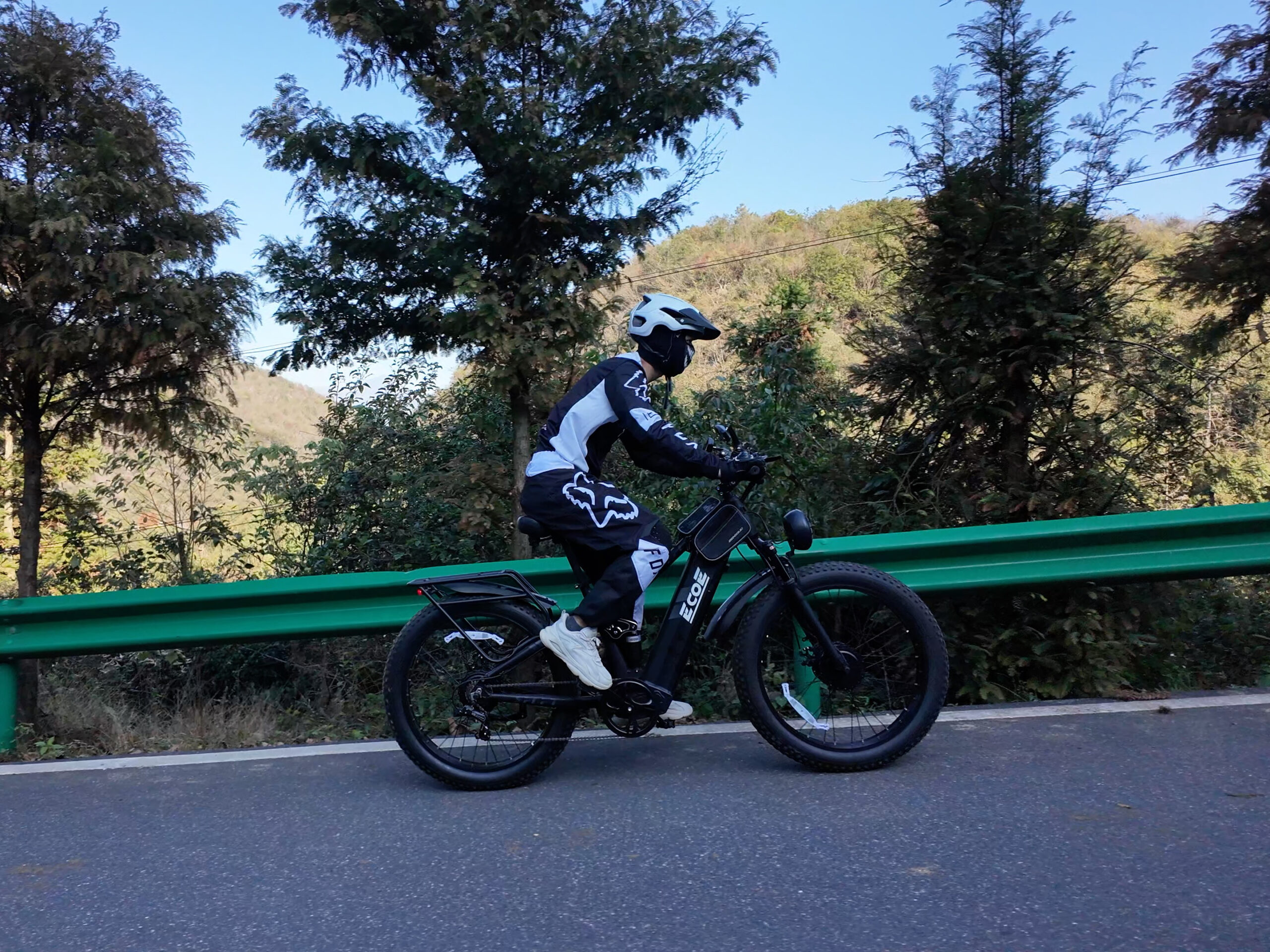
As electric bikes (e-bikes) continue to gain popularity, more and more riders are considering them as a viable and eco-friendly alternative to traditional transportation. But one question often comes up: Can you ride an e-bike on the sidewalk in the US?
The answer isn’t simple, as the rules around e-bike use vary from state to state and even within different local jurisdictions. While some areas allow e-bikes on sidewalks, others have stricter regulations that limit or prohibit their use.
The Legal Landscape
In many places across the US, e-bikes are treated similarly to traditional bicycles, allowing them to be used on bike lanes and streets. However, in some states, e-bikes are categorized as “motorized scooters,” and this classification can limit where and how you ride them. In such cases, using the sidewalk might not be allowed.
In general, most states allow e-bikes on sidewalks, but only if you maintain a speed of less than 20 MPH and adhere to specific safety guidelines. Additionally, wearing a helmet is usually a requirement. It’s always wise to check your local Department of Transportation (DOT) for specific regulations in your area before taking your e-bike out on the sidewalk.
Pros of Riding an E-bike on Sidewalks
There are definitely some benefits to taking your e-bike on the sidewalk:
- Escape Traffic: Sidewalks offer a quick escape from the frustrating gridlock of city traffic. You won’t have to wait at long intersections, and you can enjoy a smoother, less stressful ride.
- Speed and Efficiency: E-bikes allow you to cover distances quicker than on foot. The motor helps you maintain a steady speed without much effort, and you’re less likely to get stuck behind slow pedestrians or traffic.
- Enjoy a Scenic Break: Sidewalks often allow for stops at nearby parks, benches, or cafes. You can take a break while enjoying the surroundings, something you can’t easily do when you’re zipping through busy streets.
- Safety: Riding on sidewalks is generally less risky than sharing the road with fast-moving cars, especially in areas where bike lanes are absent. You can ride with a little more peace of mind, though it’s not without its challenges.
Cons of Riding an E-bike on Sidewalks
As great as it sounds, riding an e-bike on the sidewalk does have its downsides:
- Legal Restrictions: In many places, sidewalk riding is prohibited for e-bikes. If you’re caught riding in areas where it’s not allowed, you could face fines or other penalties.
- Speed Limits: Sidewalk riding can be slow, especially when shared with pedestrians. E-bikes are faster than regular bikes, and if you push the limits and try to ride faster than the walking pace, you could be breaking the law.
- Risk of Accidents: Pedestrians and other sidewalk users don’t expect motorized vehicles, so there’s a higher chance of collisions. Since e-bikes can be heavier and faster than regular bikes, maintaining control and navigating around people requires extra caution.
- Registration and Licensing: In some places, e-bikes must be registered, and the rider may need a specific license to operate them. Make sure you understand the local laws to avoid running into any legal issues.
Tips for Riding an E-bike on Sidewalks
If you’re allowed to ride your e-bike on the sidewalk, here are some tips to ensure a smooth, safe ride:
- Choose the Right E-bike: E-bikes vary in size and weight. Smaller, lighter models are easier to maneuver through crowds, while larger ones might be more suited for long-distance commuting.
- Prioritize Safety: Always wear a helmet, and consider wearing additional safety gear like wrist guards or a reflective jacket to increase visibility.
- Be Respectful of Pedestrians: Sidewalks are primarily for walking, so always yield to pedestrians. Keep your speed in check, and avoid weaving through crowds or passing too close to others.
- Learn the Laws: Make sure you understand your local regulations regarding e-bikes. If sidewalk riding isn’t allowed, use bike lanes or ride on the road, but always stay within the speed limits.
- Be Flexible: Riding on sidewalks requires extra patience and awareness. Watch out for unexpected obstacles and be prepared to stop or slow down when necessary.
- Make Others Aware: If you see someone else riding an e-bike on the sidewalk, let them know the rules in your area. It helps everyone stay informed and ensures a smoother, safer experience for all.
Conclusion
E-bikes offer a convenient and eco-friendly mode of transportation, but riding them on sidewalks is subject to local regulations. While many places do allow it, you should always be mindful of the laws and respect pedestrians. As e-bikes continue to grow in popularity, understanding the rules and riding safely will make the experience more enjoyable for everyone.
So, before you hop on your e-bike, check your local regulations, ride safely, and enjoy the freedom that comes with this eco-conscious transportation option!
Leave a comment
Please note, comments need to be approved before they are published.
当前文章评论已关闭。
-
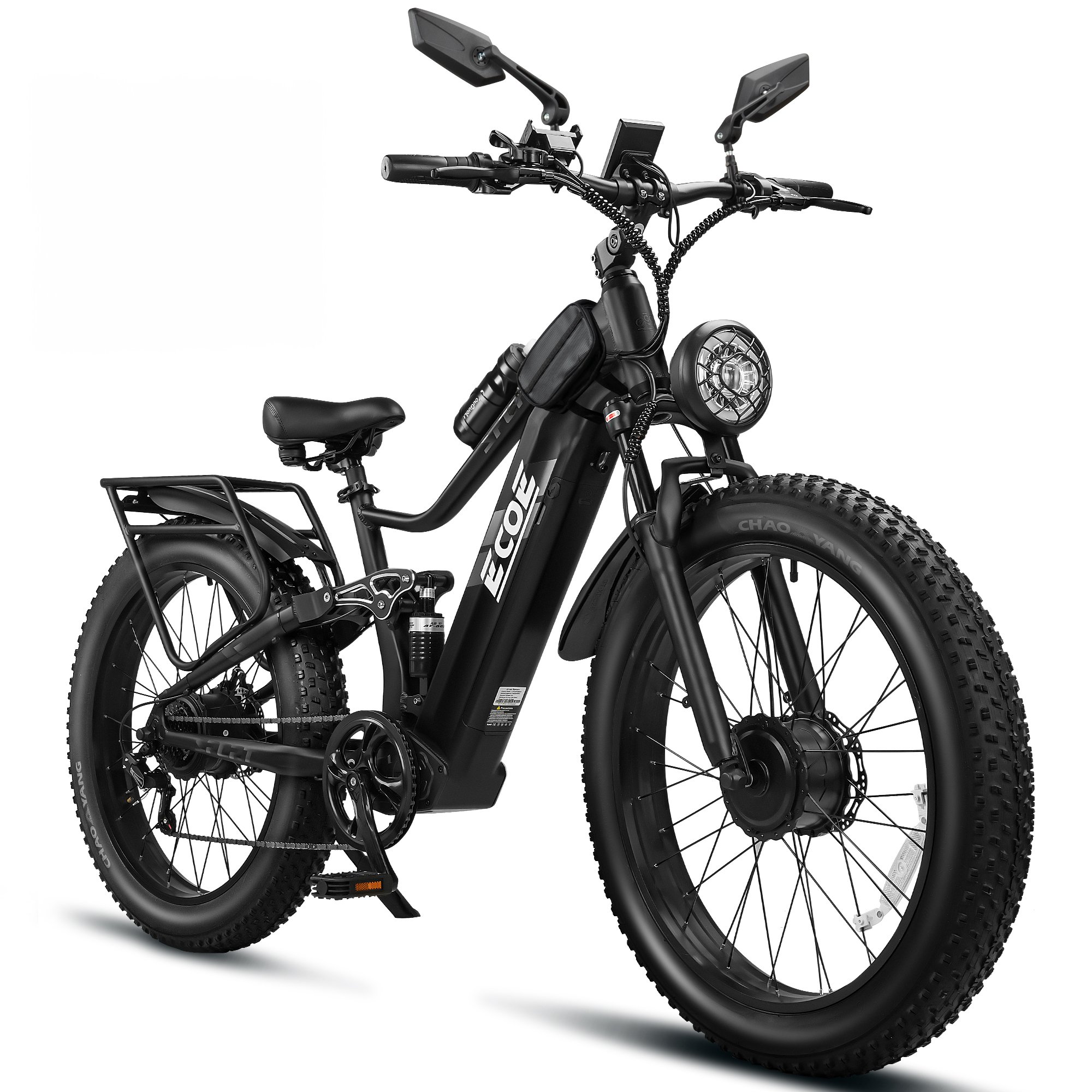
EcoE 9000W Dual Motor Electric Bike for Adults 52MPH 60V32A, 26×4 Fat Tire All Terrain Ebikes, Full Suspension E Bike, SHM 7-Speed Gear Electric Bicycle 9000W-60V
From$1,329.00 Add to cart-
10000W Dual Motor Electric Bike for Adults 52MPH with Charge Voltage 63v Battery, 26×4 Fat Tire All Terrain Ebikes, Full Suspension E Bike, SHM 7-Speed Gear Electric
From$1,699.00 Add to cart
EcoE Low-Branch Check: See Overhead Hazards Before You Duck
Meta Description: Handle low branches and overhead obstacles on an EcoE electric bike by scanning above, slowing early, protecting forward vision, and walking when clearance is uncertain. Introduction When riding an electric bike, most attention naturally goes toward the road surface. Riders look for potholes, loose gravel, cracks, and other obstacles near the wheels. However, hazards can also appear above the riding path. Storm damage, seasonal growth, or trail maintenance changes can leave branches hanging at head height. A low branch becomes more difficult when a rider reacts by ducking without slowing down. Lowering your head may reduce awareness of what is ahead and make steering less predictable. EcoE riders should build a simple habit: check above, slow early, and protect your view. Quick Answer Look from the riding surface upward and scan for overhead obstacles before reaching them. Reduce speed while you still have a clear view, and judge the entire branch rather than only the visible leaves. Avoid ducking while maintaining normal speed or steering without seeing the path ahead. If the height, stability, or route beyond the obstacle is unclear, stop before reaching it and walk around when permitted. Know Your Real Clearance Your riding height is more than the bike itself. Consider: A branch that appears harmless may hide a thicker limb behind leaves. Wet foliage can also hang lower than expected. Do not assume a path is safe simply because another rider passed through. Different riders, equipment, and riding positions can change the available clearance. Slow Before Changing Your Position The safest time to adjust speed is before reaching the obstacle. Reduce speed while keeping your eyes forward and your bike stable. Avoid making a sudden crouching movement while continuing at the same pace. A deep ducking motion can: If a branch requires a major […]
Read more
EcoE Speed Humps Guide: Finish Braking Before the Ramp
Meta Description: Cross speed humps and raised crossings on an EcoE electric bike with early braking, a stable approach, smooth control inputs, and enough space around traffic. Introduction Speed humps, raised crossings, and traffic-calming features are designed to slow vehicles, but they can still surprise riders when visibility is limited. Paint may fade, shadows may hide the shape, and nearby traffic can make the surface change harder to read. For EcoE riders, the key habit is simple: make your speed decision before reaching the ramp. Once the front wheel reaches the raised section, smooth control matters more than sudden reactions. Quick Answer Identify the full shape of the speed hump, check surrounding traffic, and reduce speed while still on level pavement. Approach in a stable line, keep your grip relaxed, and roll across with smooth control. Avoid hard braking, sharp steering, or sudden power changes while crossing. If the surface is damaged or the path is blocked, slow down further or choose another route. Read the Entire Feature Do not focus only on the first rise. Look beyond the top of the hump and check what comes after: A raised crossing may look simple from a distance, but the landing area often determines how the bike feels afterward. Low light, rain, or shadows can make the shape harder to judge. When the road surface is unclear, giving yourself more time and reducing speed earlier is the better choice. Keep the Crossing Smooth The goal is not to rush over the hump or avoid all movement. The goal is to keep the EcoE stable and predictable. Before crossing: Avoid trying to jump the feature or making sudden corrections halfway across. Fat tires can help absorb some surface feedback, but they cannot remove the effects of unexpected edges, loose surfaces, or poor […]
Read more
EcoE Parking-Lot Reverse-Light Scan: Stay Out of a Backing Vehicle’s Path
Meta Description: Ride an EcoE electric bike more defensively in parking lots by reading reverse lights, wheel movement, driver visibility, and backing paths. Introduction Parking lots are areas where many different movements happen at the same time. Vehicles enter spaces, drivers search for parking, and pedestrians may appear from between cars. For an EcoE rider, a parked vehicle is not always stationary. A driver preparing to reverse may have limited visibility, especially when larger vehicles block the view. Treating every occupied parking space as a possible moving path helps you make safer decisions. The goal is not to predict every driver’s action. It is to create enough time and space to respond calmly. Quick Answer Ride through parking aisles at a pace that allows you to stop within the visible distance ahead. Look for signs such as reverse lights, brake lights, moving wheels, vehicle position changes, or a driver looking toward the direction of travel. If a vehicle’s intention is unclear, slow down, create space, and allow it to complete the maneuver before continuing. Read More Than Reverse Lights Reverse lights can provide an important clue, but they are only one part of the picture. A vehicle may begin moving before you fully recognize the signal, or another car may block your view of the lights. Pay attention to the entire vehicle: Small movements often appear before the vehicle fully enters the aisle. Early awareness gives you more options than reacting at the last moment. Avoid the Blind Area Behind Vehicles A narrow opening behind a reversing vehicle may look available, but it can quickly disappear. Avoid passing closely behind a vehicle that has started backing out. The driver may not see an EcoE rider in mirrors or cameras, even when you are nearby. Instead, choose a position where: A […]
Read more
EcoE Traffic Signal Detector Miss: What to Do When Red Will Not Change
Meta Description: Learn a patient, lawful EcoE electric bike routine when a traffic signal does not appear to detect your ride, from proper positioning to safe rerouting. Introduction Waiting at a traffic signal that does not seem to recognize an electric bike can be frustrating, especially when the road is quiet and the light appears to stay red longer than expected. Some intersections use pavement sensors, cameras, or other detection systems, and bicycles may not always trigger them in the same way as larger vehicles. For EcoE riders, the best response is not to force the situation. A calm and lawful approach keeps you visible, predictable, and safer around other traffic. Quick Answer Stop at the marked line in a legal and visible position and wait through a complete signal cycle. Do not move into the intersection or cross against the signal in an attempt to trigger a change. If the signal still does not respond, follow local rules and choose an approved option, such as waiting, using an alternate route, or walking the bike to a permitted crossing area. Choose a Visible Position Where you stop can affect how well you are seen by traffic systems and other road users. Use normal bicycle positioning and avoid moving unpredictably across lanes. If an intersection has bicycle detection markings or a designated waiting area, position yourself there when it is legal and safe. Keep in mind that a camera or sensor may not recognize every rider. Visibility helps, but it does not guarantee detection. Avoid Creating a New Hazard While Waiting A long wait can become uncomfortable, but the solution is not to move into unsafe areas. Avoid stopping in crosswalks, blocking turning paths, or placing yourself where drivers may not expect a bicycle. Stay aware of vehicles approaching from behind, […]
Read more
EcoE Drain Grate and Road Seam Guide: Keep Fat Tires on a Clean Line
Meta Description: Handle drain grates and road seams on an EcoE electric bike by spotting hazards early, choosing a clean line, and using smooth, controlled steering. Introduction Drain grates, utility covers, and pavement seams may seem like small details on the road, but they can quickly affect how an electric bike feels beneath you. Metal surfaces, gaps, raised edges, and uneven pavement can all change traction or redirect a wheel if approached carelessly. EcoE fat tires provide a broad contact area for everyday riding, but tire size does not eliminate the need for good road awareness. The safest approach is to recognize these features early, choose your line before reaching them, and keep your steering and braking smooth. Quick Answer Scan the road ahead, identify grates and pavement seams early, and choose a clean path whenever conditions allow. Slow down before reaching the obstacle, keep the electric bike stable while crossing, and avoid sudden steering, braking, or acceleration on slick or uneven surfaces. Identify the Hazard Early Not every road feature requires the same response. A drain grate may have openings that create a problem for a wheel, while a raised utility cover can affect balance differently. A long pavement seam may also become uncomfortable if you ride directly along its edge. Before reaching the feature, take a moment to understand what is ahead. Look for: Poor lighting and wet conditions can make these hazards harder to recognize. When you cannot clearly read the surface ahead, reducing your pace gives you more time to make a decision. Choose Your Line Before the Obstacle One of the biggest mistakes is waiting until the last moment to decide where to ride. Check the road around you early. If you need to move away from a grate or seam, look behind you first […]
Read more
EcoE Parked-Car Door Zone Guide: Build a Visible Escape Buffer
Meta Description: Ride an EcoE past parked cars with greater awareness by spotting door clues, preserving a safe buffer, controlling your pace, and planning an escape line. Introduction A row of parked cars is never completely predictable. A door can open, a passenger can step out, or a driver can suddenly pull into traffic. For EcoE riders, treating parked vehicles as an active roadside zone makes it easier to anticipate these situations. Instead of focusing only on the space directly ahead, look for clues around each vehicle and maintain enough room to respond calmly. Quick Answer Where local rules and traffic conditions allow, avoid riding too close to parked cars. Watch windows, mirrors, lights, and wheel position for potential clues. Maintain a controlled pace, preserve a visible buffer, and keep an escape option available. Never assume a closed car door will stay closed. Read Clues Before the Door Small details can provide useful warning signs. Look for occupied seats, brake lights, interior lights, moving silhouettes, visible exhaust, or a front wheel angled toward the traffic lane. None of these signs guarantees what a driver or passenger will do, but they can tell you when extra caution is appropriate. If a vehicle appears occupied or something looks unusual, reduce your pace and give yourself more time to react. Preserve Space Without Swerving Choose your riding line early rather than constantly weaving around parked vehicles. If you need to move farther away from the parked-car row, check behind you first and make your movement predictable. The EcoE rearview mirror can help you monitor surrounding traffic, but it should complement—not replace—your direct awareness of nearby vehicles. If there is not enough safe space to continue, slowing down or waiting can be better than squeezing through a narrow gap. Plan the Escape Before the […]
Read more
Bringing a Cold EcoE Battery Indoors: A Condensation-Aware Routine
Meta Description: Move a cold EcoE battery indoors with a patient, dry transition routine before inspection or charging, following official instructions. Introduction A removable EcoE battery may experience a quick temperature change when moved from a cold garage, storage area, or winter ride into a warmer indoor environment. When cold surfaces meet warm air, moisture may form. Taking a little extra time during this transition helps riders check conditions before connecting the charger. A careful routine protects both the battery and the charging process. Quick Answer Turn off the EcoE and remove the battery only according to the provided instructions. Place it in a dry, stable indoor location away from direct heat sources. Allow the battery to adjust naturally, check for visible moisture or unusual conditions, and only charge when the battery and charging environment are suitable according to official EcoE guidance. Avoid Forced Heating A cold battery should not be warmed quickly with external heat. Avoid placing it directly beside heaters, heat lamps, or other hot surfaces. Rapid temperature changes can create unnecessary stress and may interfere with proper handling. Instead, choose a clean indoor area with stable room conditions and enough space around the battery for a gradual transition. Inspect Before Charging Before connecting the charger, take a moment to check the outside of the battery and the connection area. Do not open, modify, or attempt to repair the battery yourself. If you notice visible moisture, physical damage, unusual swelling, strange odor, or another abnormal condition, avoid connecting the charger and follow appropriate support guidance. A simple inspection can help identify concerns before charging begins. Separate Battery Transition From Charging Bringing the battery indoors and charging it should be treated as two separate steps. First, make sure the battery has moved into a suitable dry environment. Then begin […]
Read more
EcoE Clothing Check: Keep Laces, Cuffs, and Straps Clear
Meta Description: Use a quick EcoE clothing check to secure shoelaces, trouser cuffs, bag straps, and loose layers before the wheels begin moving. Introduction Loose clothing can become an unexpected distraction when riding a powerful electric bike. A hanging shoelace, loose cuff, jacket cord, or bag strap may move toward pedals, wheels, or other moving parts. The easiest way to prevent these problems is to check before starting your EcoE ride. A short clothing and gear inspection helps keep your attention where it belongs: enjoying the ride. Quick Answer Before riding, secure shoelaces, manage loose trouser cuffs, close or tighten jacket cords, and tuck away any hanging straps. Take a quick walk around the EcoE to look for anything loose. With the bike powered off and stable, you can also carefully check that clothing or accessories are clear of moving areas. Start With Your Shoes Shoelaces deserve attention before every ride. Even if they were tied earlier, walking around can loosen knots or create longer loops. Secure your laces so they stay in place and avoid leaving extra material near the pedals. Choose riding footwear that fits securely and allows your feet to sit naturally on the pedals. Stable footing helps create smoother starts and stops. Manage Cuffs and Outer Layers Wide pant legs and loose jackets can move unexpectedly while riding. Secure clothing that hangs near the pedals or wheels. In cooler weather, choose layers that provide warmth without creating long loose sections of fabric. Before starting, zip pockets, manage drawstrings, and make sure outer layers stay controlled even when moving through wind. Check Bags and Accessories Clothing is not the only thing that can become loose. Backpack straps, helmet straps, cargo straps, and accessory cords should also be secured before riding. A strap that appears harmless while standing […]
Read more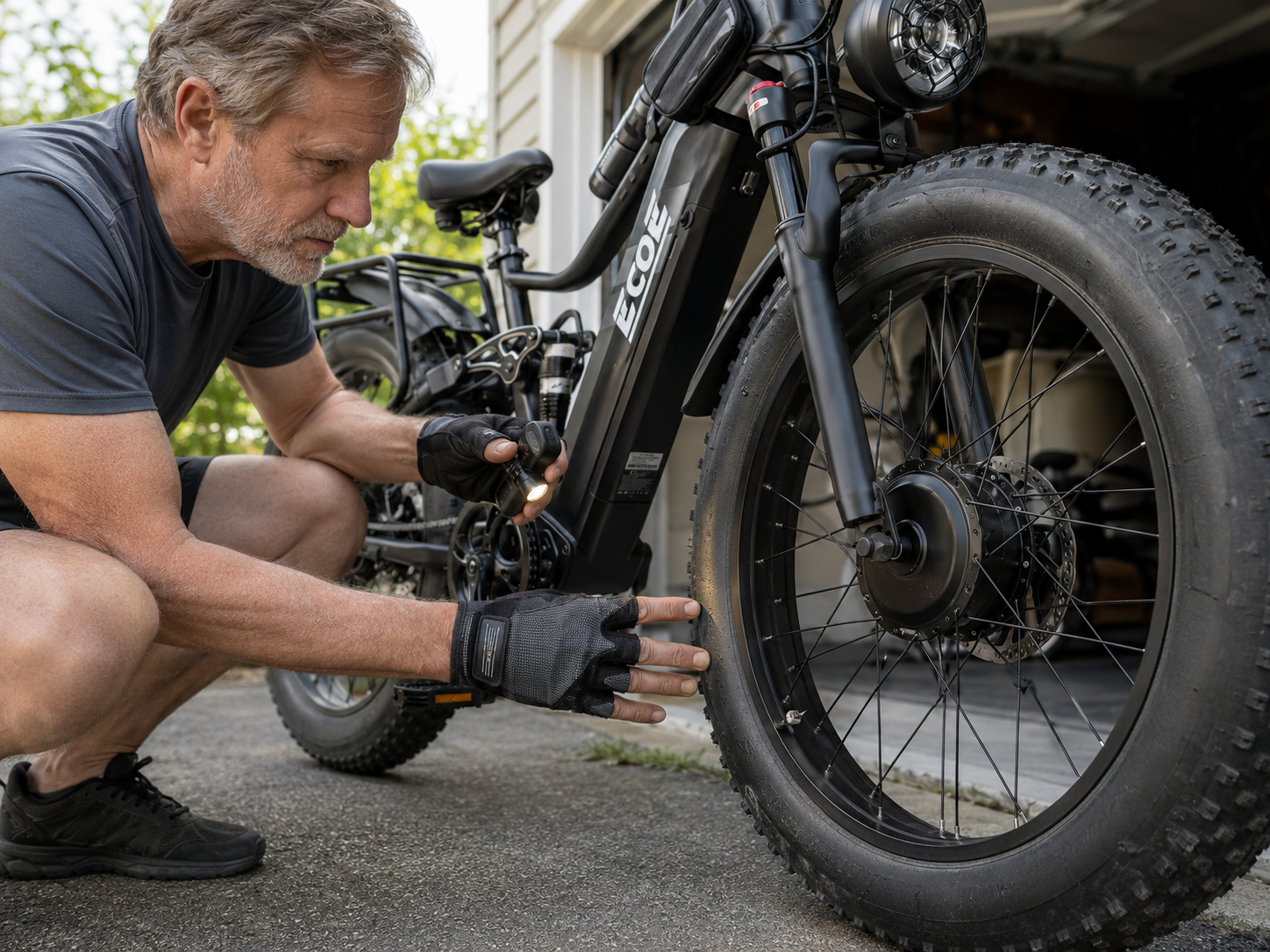
EcoE Kickstand Check: Park a Heavy E-Bike Without a Slow Tip-Over
Meta Description: Park an EcoE electric bike more securely by checking ground firmness, lean direction, cargo balance, handlebar position, and kickstand contact. Introduction A parked electric bike can appear stable while still slowly shifting on soft ground, uneven pavement, or a sloped surface. With an EcoE carrying a removable battery, rack accessories, or additional gear, a quick stability check before walking away can help prevent unexpected tip-overs. Good parking habits take only a few seconds but can protect the bike, accessories, and surrounding space. Quick Answer Choose firm and level ground whenever possible. Make sure the kickstand is fully deployed and resting on a stable surface, not loose dirt, leaves, soft edges, or uneven pavement. Before leaving the bike, check the cargo balance, position the handlebar appropriately, and give the bike a gentle stability check to confirm it will stay in place. Read the Ground Under the Kickstand The most important area is the small contact point beneath the kickstand. A parking spot may look flat overall, but a small crack, loose surface, or soft patch can allow the kickstand to sink or slide. Avoid placing the stand directly on unstable edges or surfaces that may shift. If the ground does not feel reliable, move the entire bike to a better location instead of trying to adjust the stand on a questionable spot. Keep Cargo Balanced Before Parking Extra gear can change how an electric bike settles when parked. A loose bag, uneven rack load, or shifting cargo may affect the bike’s balance after you step away. Before opening storage bags or rearranging equipment, make sure the bike is already stable. Avoid allowing passengers or others to lean heavily on the bike while it is parked. A stable-looking bike can still move when additional weight is added. Check the Lean […]
Read more
Crossing Railroad Tracks on an EcoE: Angle, Speed, and Space
Meta Description: Approach railroad tracks on an EcoE electric bike with a controlled angle, steady speed, clear space, and smooth handling across rail surfaces. Introduction Railroad crossings create a unique riding challenge. Unlike normal pavement, tracks combine smooth steel surfaces, narrow grooves, uneven edges, and changing road conditions. EcoE’s fat tires provide a stable riding platform, but they cannot completely eliminate the possibility of a wheel being affected by a rail groove or uneven crossing surface. A safe rail crossing is less about power and more about preparation, positioning, and smooth control. Quick Answer Slow down before reaching the tracks, check your surroundings, and choose the safest crossing line early. Approach the rails as close to a straight angle as conditions allow, keep the bike upright, and maintain a calm, steady pace. Avoid sudden braking, hard acceleration, or sharp steering movements while crossing the steel surface. Set Your Line Before the Rails The best time to decide your path is before you reach the crossing. Check for traffic, signals, road conditions, and available space. Position the EcoE so the wheels can meet the rails with a cleaner angle instead of approaching from the side. Avoid making last-second corrections directly on the tracks. If the crossing area is damaged, blocked, or does not allow enough space for a controlled approach, it is better to wait and choose a safer moment. A few extra seconds of preparation can make the crossing smoother and more predictable. Keep Inputs Smooth Across Steel Rail surfaces require calm movements. Keep your grip relaxed, maintain a steady handlebar position, and allow the tires to move across the crossing without sudden changes. Wet rails, painted markings, loose gravel, or debris can reduce available traction. Smooth control is more important than speed. The goal is not to rush over […]
Read more1
-